Heat and Tires: Why Summer Roads Trigger More Blowouts
The Hidden Danger of Rising Temperatures
When the asphalt shimmers under the sun, it’s not just the air outside that heats up—your tires are absorbing and reacting to that heat. Tires expand when exposed to high temperatures, and combined with long highway trips or heavy loads, this expansion can become dangerous. The National Highway Traffic Safety Administration (NHTSA) notes that tire blowouts peak during the summer months, making heat one of the most overlooked hazards for everyday drivers.
Why Heat Amplifies Tire Pressure Problems
Excess heat causes air molecules inside a tire to move faster, raising internal pressure. A tire that was perfectly inflated in the morning may reach unsafe levels by afternoon. For drivers, this means that a tire already under stress—whether from worn tread, minor damage, or incorrect inflation—can fail suddenly on a hot day. Imagine a family road trip across desert highways: the rising PSI can push a weak tire over its limit within hours.
To avoid this, drivers should regularly check their pressure using a reliable gauge such as the ATSAFEPRO digital tire gauge. Unlike quick glances at a gas station pump, precise readings at home or on the road give drivers confidence before starting long journeys.
Common Blowout Scenarios in Summer Driving
Hot weather magnifies risks in specific driving conditions:
-
Highway cruising at sustained speeds: Heat builds quickly, especially under heavy loads or towing trailers.
-
Stop-and-go city driving: Constant braking transfers frictional heat to tires.
-
Off-road or uneven surfaces: Extra flexing and contact with rocks or gravel create stress points.
-
Long-distance travel: With little opportunity for cooling, tires run hotter for hours at a time.
Each of these scenarios highlights the importance of preventive checks and timely maintenance.
Preventive Steps to Lower Blowout Risks
Preventing tire blowouts requires more than luck—it needs the right habits and equipment:
-
Check Pressure Weekly
Use an digital tire gauge to track PSI. Its precision ensures safer long drives and prevents both underinflation and overinflation. -
Monitor Tread Depth
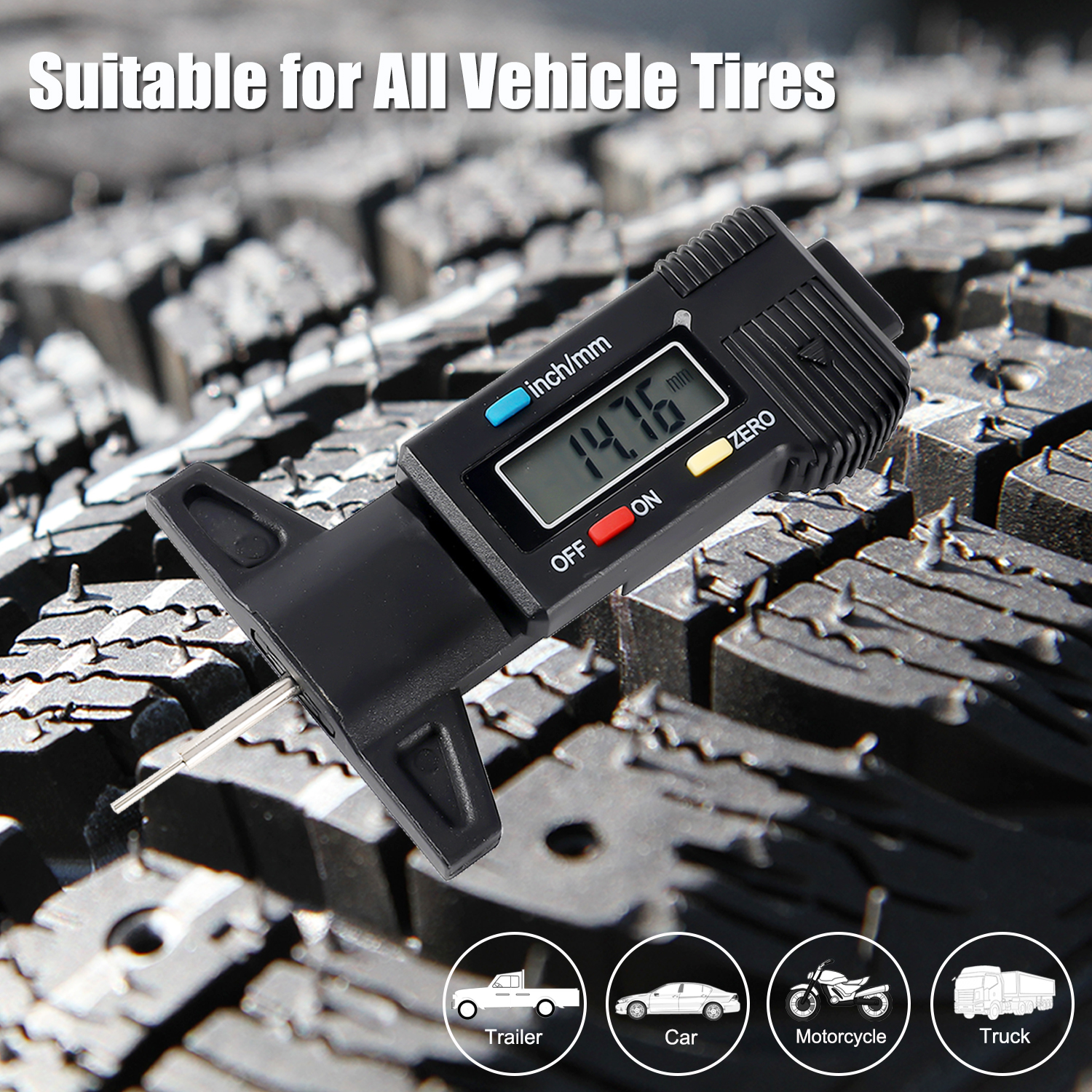
Heat accelerates wear. A tread depth gauge helps drivers confirm whether their tires have enough grip for summer driving safety, especially before road trips. -
Tighten With Care
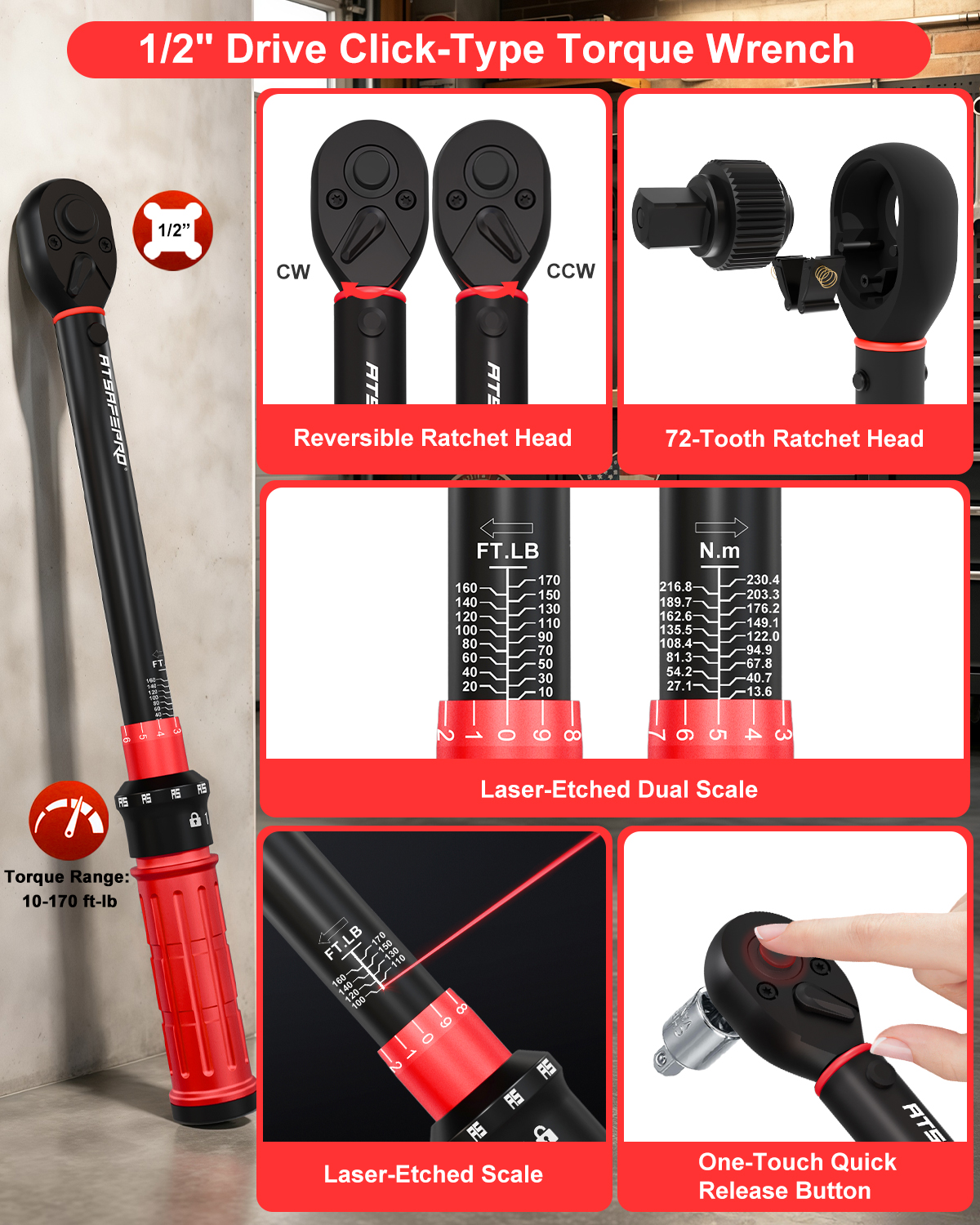
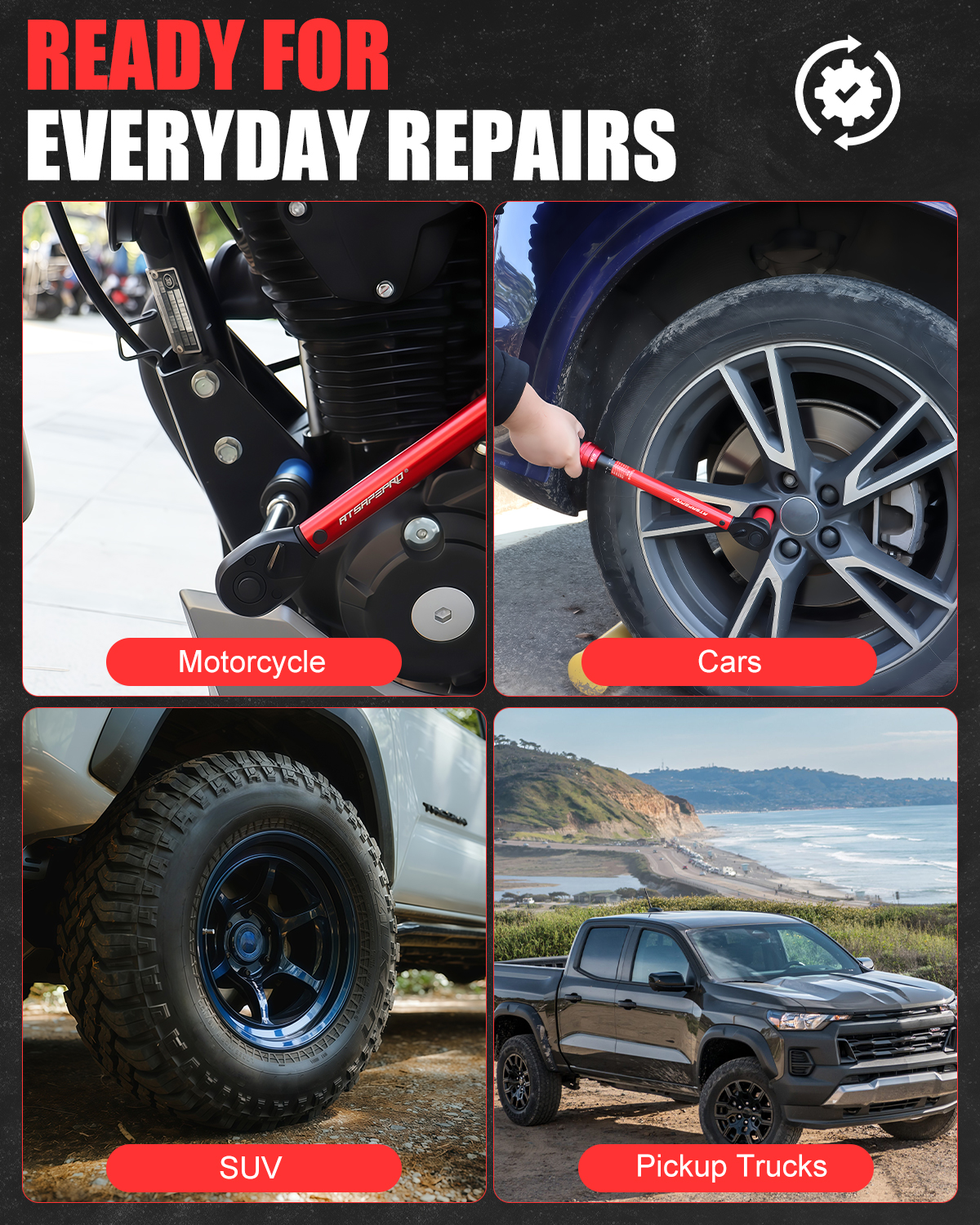
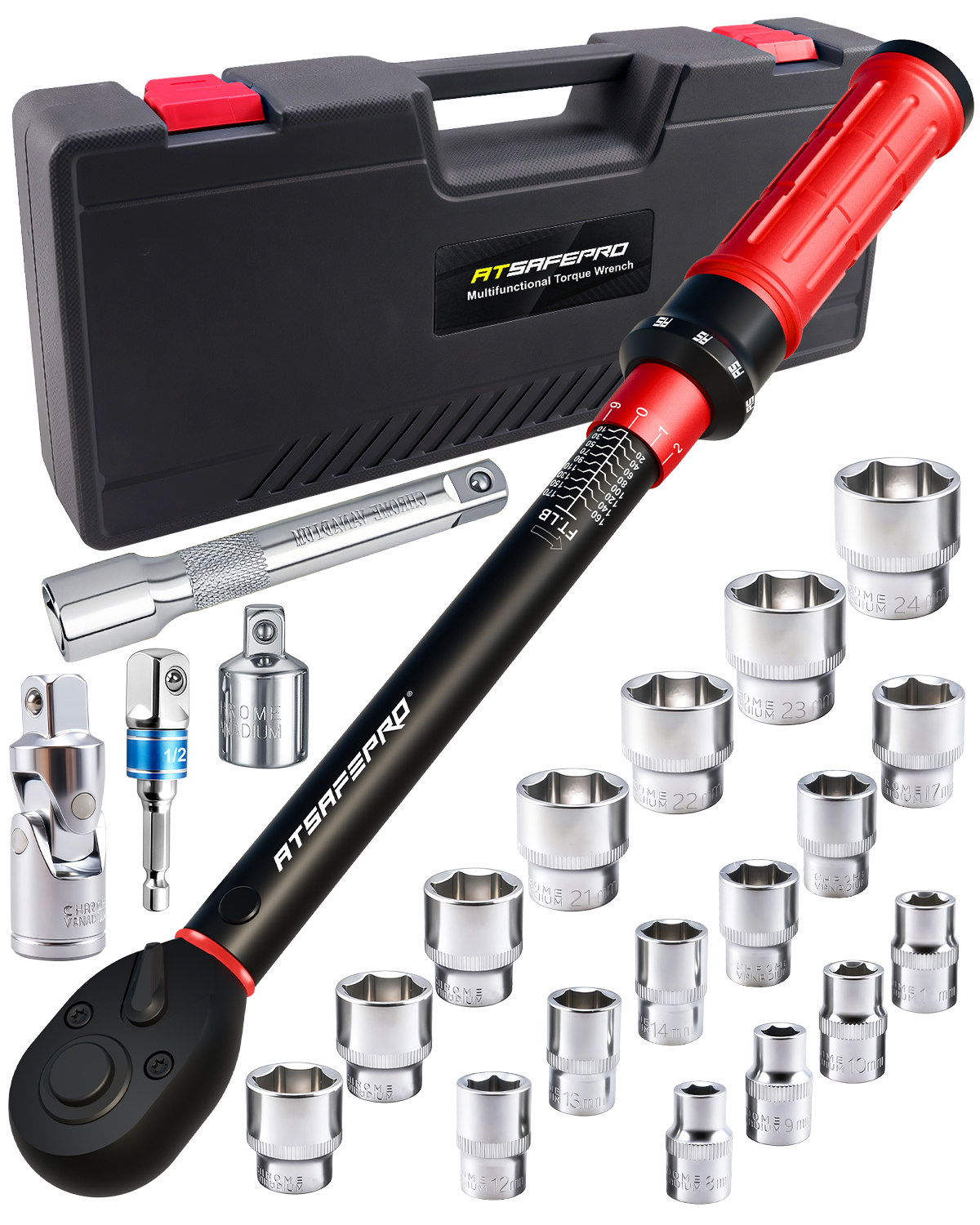
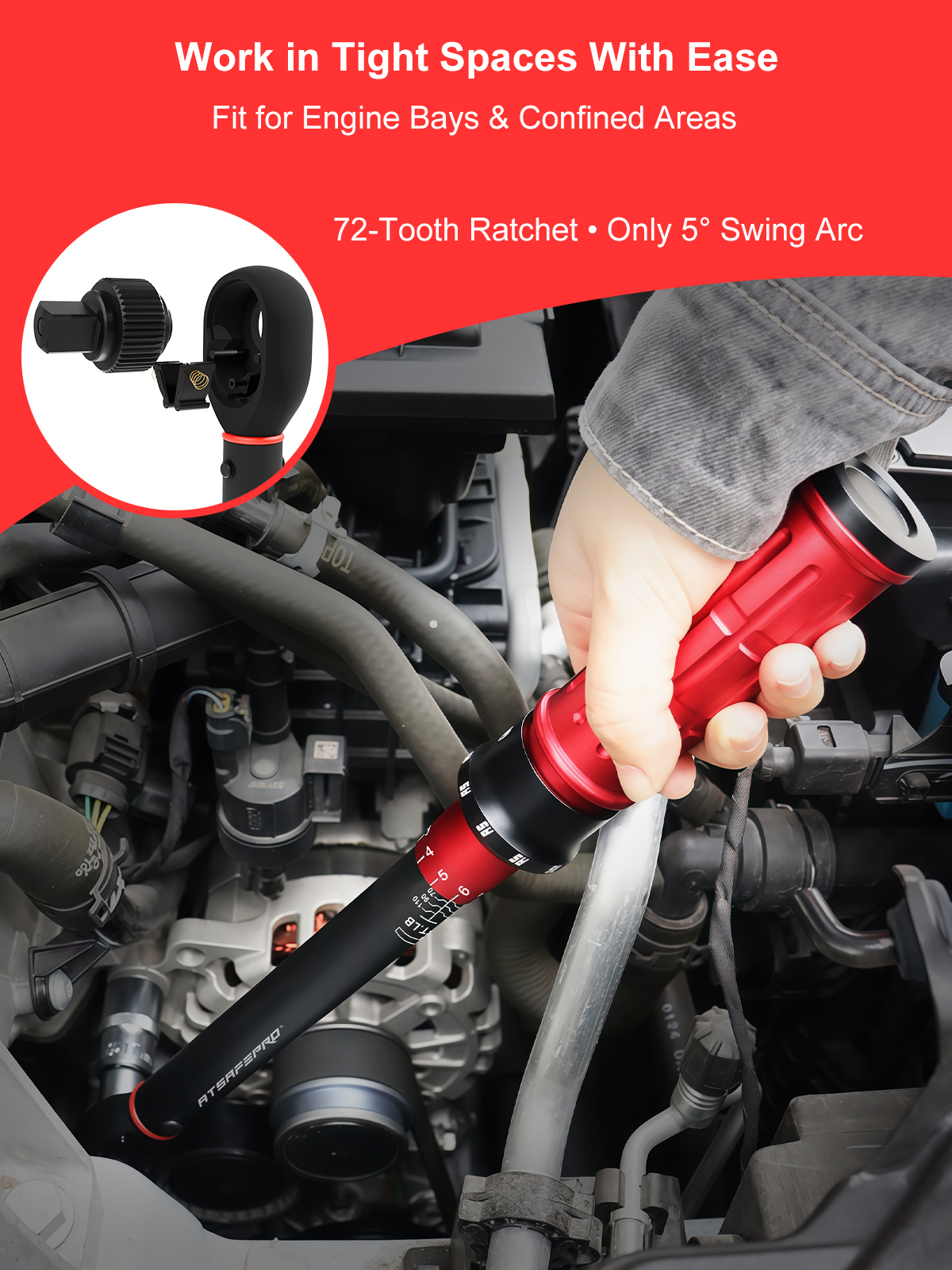
After a repair or tire change, over-torqued bolts can damage rims under heat stress. An torque wrench ensures bolts are secured to the exact specification. -
Inflate Correctly on the Go
A tire inflator with gauge is essential for road trip preparation, letting drivers top up air confidently at safe levels. -
Replace Aging Tires
Rubber weakens over time. Even if tread looks acceptable, older tires are more vulnerable to heat-related failures.
Expert Insights and Industry Backing
According to AAA, flat tires and blowouts account for millions of roadside emergencies each year, with higher frequency in July and August. SAE International studies further confirm that improper inflation—especially overinflation caused by heat—is a leading factor in catastrophic tire failure. These findings reinforce what professionals recommend: drivers need both the right knowledge and the right tools.
FAQ: What Drivers Often Ask About Summer Blowouts
Q: Do I need to deflate tires before long summer trips?
A: No. Always follow the manufacturer’s recommended PSI, but check more frequently as heat can raise pressure.
Q: Can I rely on dashboard TPMS alerts alone?
A: TPMS systems warn only when pressure is dangerously high or low. They don’t provide precise real-time values. A manual gauge such as ATSAFEPRO’s remains essential.
Q: Are highway tires more at risk than city tires?
A: Any tire can fail under heat stress, but highway speeds generate more sustained friction and heat buildup, raising the risk.
A Safer Summer with the Right Tools
Tire blowouts are not random events—they are predictable and preventable when drivers stay informed and proactive. Heat may be beyond your control, but tire condition and monitoring are not. With the right tools like ATSAFEPRO tire gauges and careful summer driving habits, every trip can remain safe, even on scorching roads.
For more details about our precision tire tools, visit the ATSAFEPRO homepage or reach our team through the contact page.