Why a tire tread depth gauge still matters in a workshop full of sensors
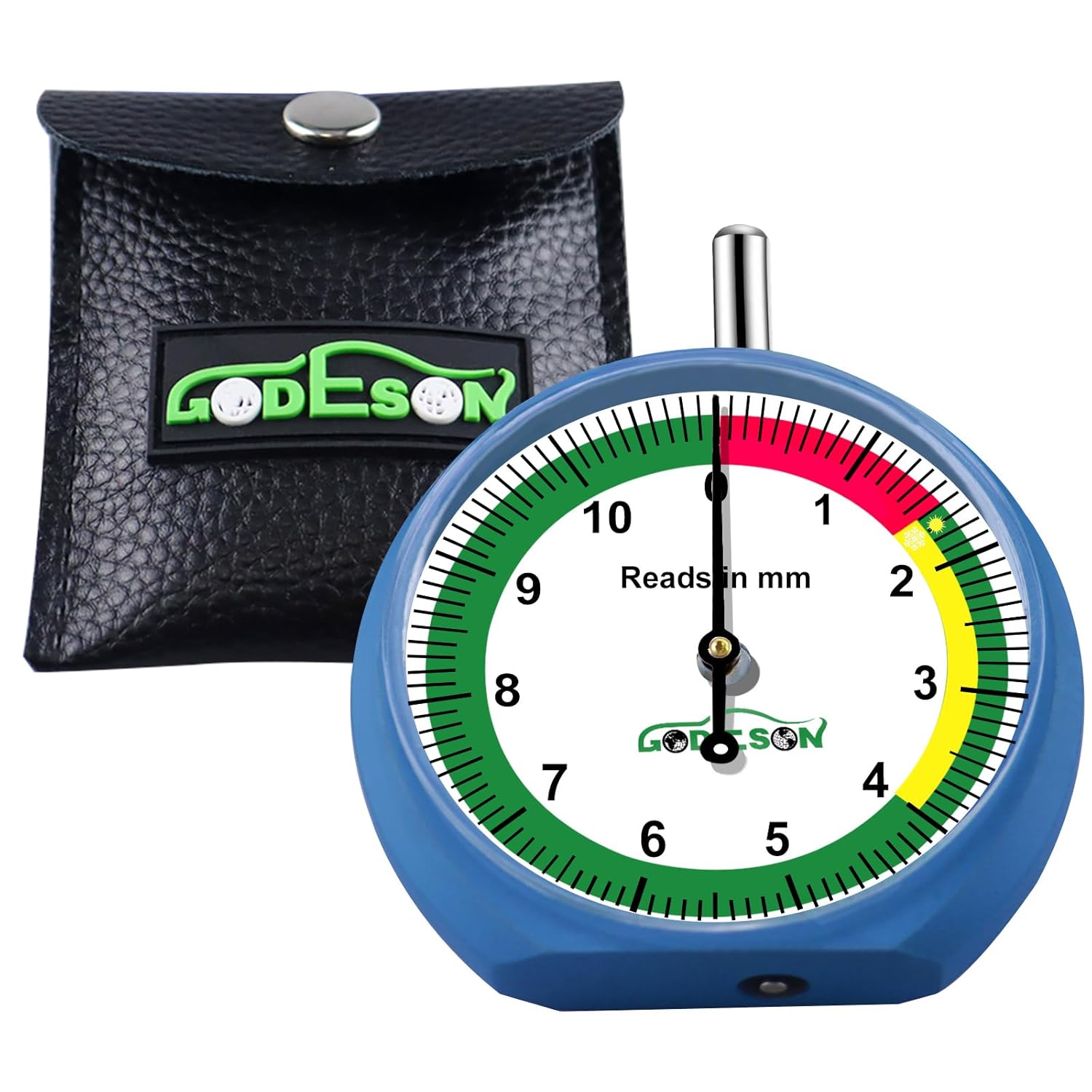
A GODESON tire tread depth gauge may look simple next to modern TPMS dashboards and shop software, but that is exactly why it remains useful. Tire tread is still one of the fastest ways to judge whether a vehicle is safe to keep in service, whether a tire can stay on the road through the next season, and whether a customer needs replacement now or later. For engineers, sourcing teams, and service managers, the real question is not whether tread measurement is old-fashioned. It is whether a compact, manual gauge gives the kind of quick, repeatable reading that busy shops and fleet operators actually need.
That decision matters because tread depth affects wet grip, braking behavior, aquaplaning resistance, and even compliance checks in markets where minimum tread limits are enforced. A tire may still hold air and look acceptable from a distance, yet the usable rubber on the road surface can be nearly gone. A mechanic who relies on visual judgment alone will miss some tires. A digital system can help, but it is not always available at the point of inspection. A manual gauge fills that gap.
What this type of gauge is designed to do
The visible product data points to a pen-style automotive hand tool with a polished metal body, plunger-style thumb handle, measurement window, and a hard storage case. The scale is printed clearly, and the color-banded zone helps the user read a result quickly. In practice, tools in this class are used to check tire pressure, and some versions may also connect to a valve for inflation or deflation. Because the exact internal function is not fully confirmed here, it is best to treat the product as a mechanical tire service gauge rather than assume one specific mode.
For buyers, that distinction matters. A shop that needs only depth checks should not overpay for a more complex unit. A roadside kit, on the other hand, may benefit from a multi-function tool with adapters and a compact case. The image shows four small adapter pieces, which suggests broader compatibility, though exact standards are not supplied.
Quick buyer takeaways
If you are evaluating a hand tool like this, keep the following in mind:
The visible scale gives a fast read, which is useful during inspections.
The color-coded zones reduce hesitation when a technician is working fast.
The metal-bodied construction is more workshop-friendly than flimsy plastic alternatives.
The storage case helps protect a precision tool from dirt, knocks, and drawer clutter.
The included adapters suggest it may support more than one connection style, but that should be verified before purchase.
For procurement teams, those are practical features, not decoration. A gauge that is easy to carry and easy to read gets used. A gauge that feels awkward or fragile often stays in a box until someone needs it too late.
Why tread depth measurement is more than a compliance exercise
Tread depth is one of those small measurements that carry a lot of downstream consequences. On a passenger car, low tread can lengthen stopping distances on wet pavement. On a motorcycle, it can reduce the margin the rider has during abrupt rain changes. In fleet use, it affects maintenance planning because tires wear at different rates depending on load, rotation schedule, inflation habits, and road conditions.
There is also a purchasing angle that is easy to miss. When a fleet or service center replaces tires too early, money goes out the door before the rubber is actually finished. When it waits too long, it risks safety problems and avoidable liability. A handheld tread depth gauge gives the technician evidence. That evidence helps the buyer, too, because documentation becomes easier when decisions are based on measurements instead of hunches.
How a manual gauge compares with digital tools
A manual gauge is not trying to compete with data logging systems. It is trying to answer one question well, and do it without batteries, pairing, or software updates. That is valuable in the field.
Manual gauge advantages
It is immediate. Push, read, and move on.
It is simple to train on. Most technicians can learn the reading process in minutes.
It is portable. A pen-style body fits a pocket or tool tray.
It avoids power dependency. No battery means one less failure mode.
Where digital tools can still be better
Digital tools may provide easier recordkeeping, especially in fleet programs.
They can be preferable in low-light conditions if the display is well lit.
Some users simply prefer numeric output over a physical scale.
A sensible shop does not treat this as an either-or choice. A manual gauge is often the quick-check tool, while digital systems handle reporting and traceability. That combination is common in real operations because it reduces friction at the workbench.
What the visible construction suggests
The product image shows a metal main body with a chrome-like finish, black thumb pad components, a transparent or translucent upper cap around the scale area, and a metal probe or stem at the lower end. Those are typical signs of a mechanically assembled hand tool built for frequent use.
From a manufacturing standpoint, that usually implies precision tube fabrication, printed or applied measurement markings, and final assembly of internal sliding parts. It is not a delicate consumer gadget. It is the kind of compact tool that needs clear markings and enough mechanical consistency to survive repeated handling. If a gauge feels loose or the scale is hard to read, the problem is not cosmetic. It affects confidence in the reading.
The hard case visible in the image is also worth noting. Small tools disappear easily in drawers, service carts, glove compartments, and shipping kits. A case is not a luxury in those environments. It is a basic safeguard against bent stems, damaged tips, and contamination from dust or oils.
Selection criteria buyers should actually use
When comparing tread depth gauges or multi-function tire service tools, focus on a few grounded questions rather than packaging language.
First, is the scale easy to read at a glance? If the user has to tilt the tool, hunt for the line, or guess between markings, the tool will slow down inspection.
Second, does the body feel stable in hand? Pen-style tools are meant to be quick and compact, but they still need enough rigidity to avoid a sloppy feel.
Third, is the tip or stem appropriate for the vehicles being serviced? Passenger cars, motorcycles, and small vehicles may all appear in the same shop, but not every nozzle or valve connection is identical.
Fourth, are the accessories useful or just included? Four adapters look helpful, yet buyers should confirm whether those pieces match the vehicles and equipment in their own operation.
Fifth, can the tool be stored and transported without damage? A case matters more than people think, especially for mobile technicians and roadside kits.
Common mistakes when buying or using this kind of tool
One common mistake is treating all manual gauges as interchangeable. They are not. Readability, build quality, scale layout, and tip design all affect the actual experience.
Another mistake is assuming that a color band alone tells the whole story. Color zones are useful for quick scanning, but the user still needs to read the numbers carefully. That is especially true when a tire is near a service threshold.
A third mistake is buying for the wrong environment. A tool that works fine in a clean retail bay may be less suitable in a field service truck unless it is protected in a proper case and easy to clean.
Finally, do not ignore training. Even a straightforward gauge benefits from a short standard operating practice: check on a cool tire when possible, read at eye level, and keep the same method across all vehicles so the results stay comparable.
Practical advice for sourcing and shop managers
If you are sourcing tools for a service network, this type of gauge is usually a low-cost, high-frequency item. That makes consistency more important than flashy features. Ask whether the printed scale stays legible after repeated use. Ask whether the plunger action feels smooth. Ask whether the case survives real transport, not just desk storage.
For workshops, it also helps to standardize the tool across teams. When every technician uses the same style of gauge, there is less variation in reading habits. That sounds minor until you are trying to compare results between shifts or locations.
For fleet operators, pair the gauge with a simple inspection routine. If tread depth is checked at the same time as tire pressure and visual sidewall inspection, maintenance becomes more predictable. That kind of routine is mundane, but it is how tire costs are controlled.
FAQ
Is this tool only for tread depth?
The main keyword refers to a tread depth gauge, but the visible product information also points to a handheld tire service tool with pressure measurement and possible inflator or deflator functions. Because that function is not fully confirmed, buyers should verify the exact specification before ordering.
Who would use a tool like this?
Passenger car technicians, motorcycle service shops, fleet maintenance teams, roadside emergency kits, and general automotive users are all plausible applications.
Why does the case matter?
Because small precision tools get damaged easily. A case protects the gauge, keeps the adapters together, and makes it more likely the tool will actually be available when needed.
What should a buyer confirm before purchase?
Confirm the exact function, the measurement units, the pressure or depth range if relevant, and the adapter compatibility. Those details are not clear from the image alone and should not be assumed.
Choosing the right tool for the job
A compact gauge like this works best when the buyer wants fast, repeatable field checks without extra complexity. It is not a lab instrument, and it does not need to be. In many workshops, that is precisely the point. The best tool is often the one that gets picked up ten times a day because it is simple, readable, and ready in the drawer.
If you are comparing options for an automotive program, request the full specification, check the scale layout, and verify the accessory set against your vehicle mix. If you need a straightforward manual gauge for tire inspections or related service work, a pen-style metal tool with a visible scale and storage case is a practical place to start.
For procurement or product teams, the next step is straightforward: match the tool’s actual function to your inspection workflow, then confirm the details that matter in the field rather than on the sales sheet.