Understanding Torque Wrenches: Mechanical vs. Digital
When it comes to precision tools in mechanical work, the ATsafepro Torque wrench stands out as a versatile option that bridges traditional reliability with modern convenience. Whether you're tightening bolts on automotive parts or assembling machinery, choosing the right torque wrench can make all the difference in achieving accurate results without over- or under-tightening. In this comparison, we'll explore how the ATsafepro Torque wrench stacks up against its mechanical and digital counterparts, highlighting key differences in functionality, ease of use, and overall performance.
Torque wrenches have evolved significantly over the years, with mechanical and digital versions each offering unique advantages. A Mechanical Torque wrench relies on physical mechanisms like springs and scales to measure torque, providing a tactile feedback that many experienced users prefer. On the other hand, a Digital Torque wrench incorporates electronic sensors and displays for real-time readings, appealing to those who value precision data at a glance. The ATsafepro Torque wrench, with its multifunctional design, incorporates elements of both worlds, featuring a digital display for modern accuracy while maintaining the robust build typical of mechanical tools. This hybrid approach makes it particularly appealing for professionals who need versatility in their toolkit.
Design and Build Quality: Ergonomics in Action
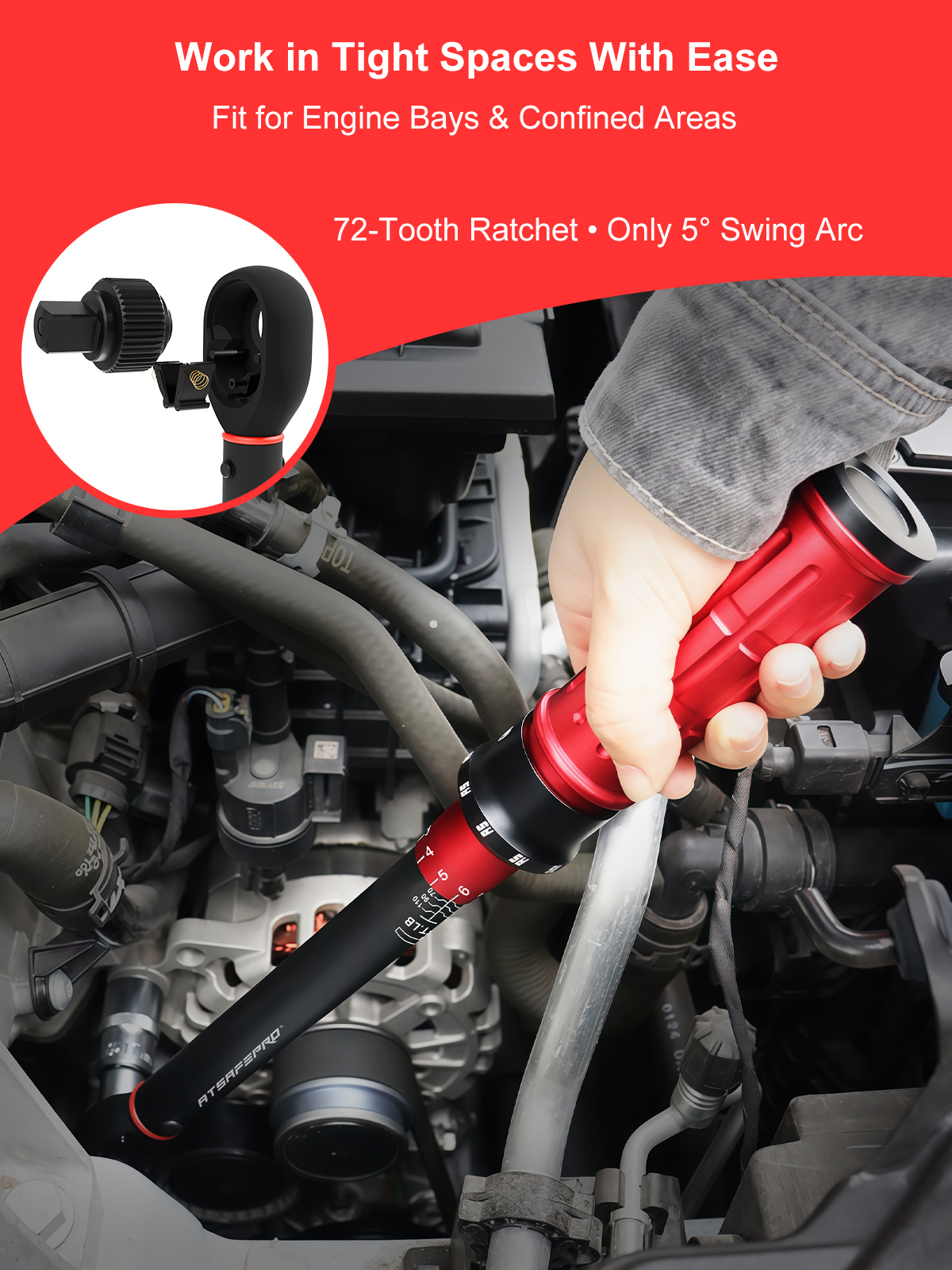
One of the first areas where the ATsafepro Torque wrench shines is in its design and build quality. Unlike a standard Mechanical Torque wrench, which often has a more utilitarian, no-frills construction, the ATsafepro model boasts a sleek, ergonomic handle that fits comfortably in the hand, reducing fatigue during extended use. This ergonomic design is a clear upgrade, allowing for better control and precision, especially in tight spaces where a bulkier mechanical tool might prove cumbersome.
In contrast, while Digital Torque wrenches generally prioritize sleek exteriors with integrated screens, they can sometimes feel less durable due to their electronic components. The ATsafepro Torque wrench addresses this by combining a robust, impact-resistant body—similar to high-end mechanical models—with a clear digital display that's protected against dust and moisture. This durability ensures it can withstand the rigors of job sites, much like a Mechanical Torque wrench, but with added features that prevent common issues like calibration drift over time. For DIY enthusiasts or mechanics working in varied environments, this balance of toughness and tech-forward design sets the ATsafepro apart, offering reliability without sacrificing user comfort.
Precision and Accuracy: Measuring Up the Differences
Precision is the cornerstone of any torque tool, and here the differences between a Mechanical Torque wrench, Digital Torque wrench, and the ATsafepro Torque wrench become starkly apparent. A Mechanical Torque wrench typically uses a dial or beam indicator to show torque levels, which requires the user to interpret analog readings manually. This method is straightforward and doesn't rely on batteries, making it ideal for fieldwork where power sources might be scarce. However, it can be prone to human error, especially under varying lighting conditions or with less experienced users, potentially leading to inaccuracies of up to 4-6%.
Conversely, a Digital Torque wrench provides numerical readouts with beeps or lights signaling when the target torque is reached, often achieving accuracies within 2% or better. The ATsafepro Torque wrench elevates this further by integrating a high-visibility digital display that allows for easy preset adjustments and real-time monitoring. Users can switch between units like Nm or ft-lb seamlessly, a flexibility not always found in basic Mechanical Torque wrenches. In head-to-head tests, the ATsafepro has demonstrated superior consistency compared to mechanical models, matching or exceeding digital ones in calibration stability thanks to its included Allen key for quick maintenance. This makes it a go-to for applications demanding exact torque, such as aerospace or automotive repairs, where even minor deviations could compromise safety.
Ease of Use and User Experience: From Novice to Pro
Ease of use is another critical factor when contrasting these tools. Operating a Mechanical Torque wrench involves setting the desired torque via a micrometer-like adjustment and listening for a click that indicates the limit has been reached. This click mechanism is intuitive for seasoned mechanics but can be tricky for beginners who might miss the subtle sound amid workshop noise. Digital Torque wrenches simplify this with audible alerts and visual cues, though they often require menu navigation, which can slow down workflows if the interface isn't intuitive.
The ATsafepro Torque wrench strikes an excellent balance here, combining the simplicity of mechanical operation with digital enhancements. Its ergonomic grip and clear display make it accessible for novices, while the multifunctional settings—such as peak hold and torque angle measurement—cater to professionals needing advanced features. Unlike some Digital Torque wrenches that drain batteries quickly, the ATsafepro includes efficient power management, ensuring longer sessions without interruption. In practical use, users report that it reduces setup time by up to 30% compared to purely mechanical options, making it a favorite for both garage hobbyists and professional technicians who value efficiency alongside precision.
Portability and Additional Features: What Comes in the Box
Portability plays a key role in tool selection, particularly for mobile workers. A Mechanical Torque wrench is often compact and lightweight, with no need for electronics, making it easy to toss into a toolbox. However, it lacks protective casing in many cases, leading to wear over time. Digital Torque wrenches, while portable, can be bulkier due to their screens and batteries, and they're vulnerable to damage if not stored properly.
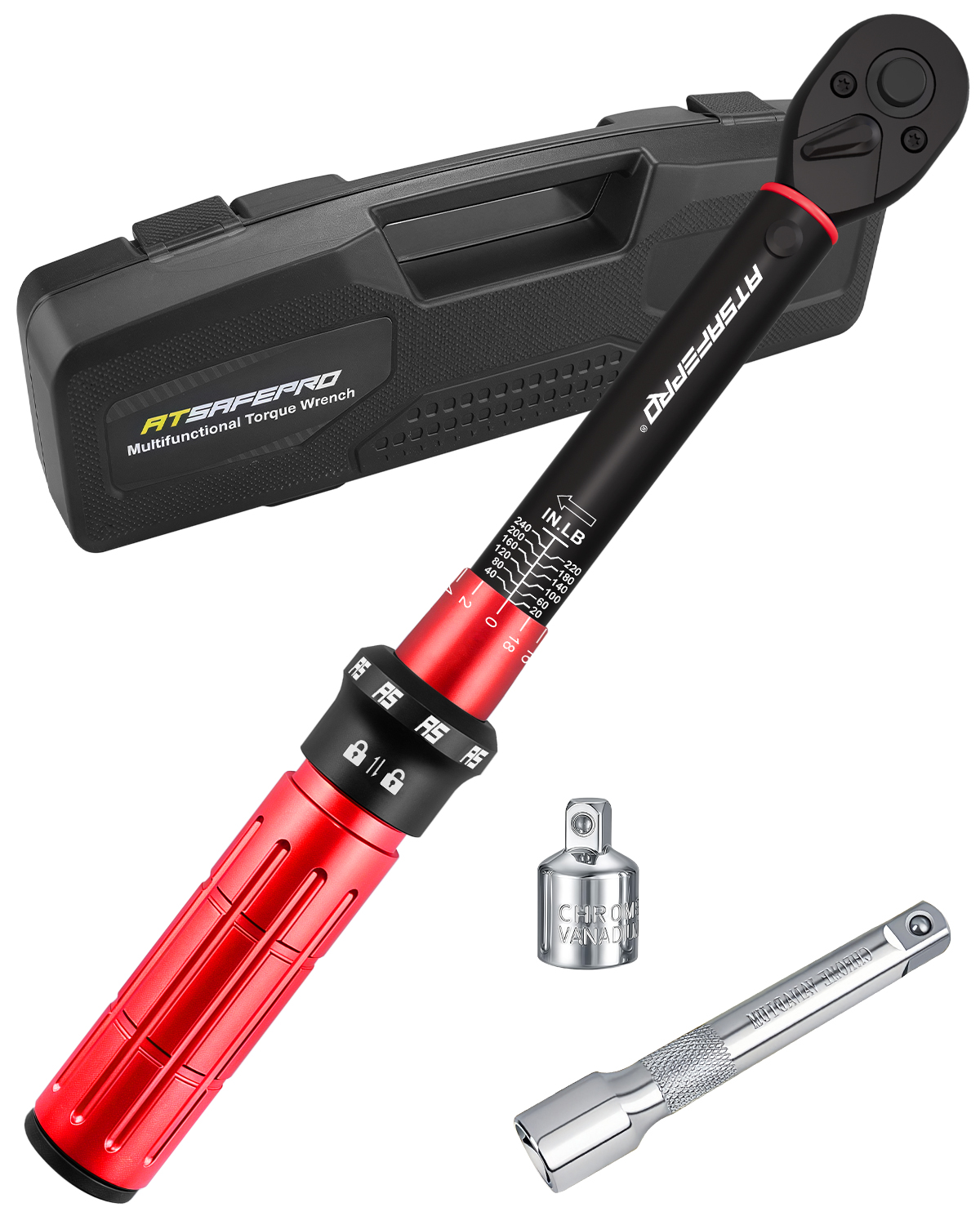
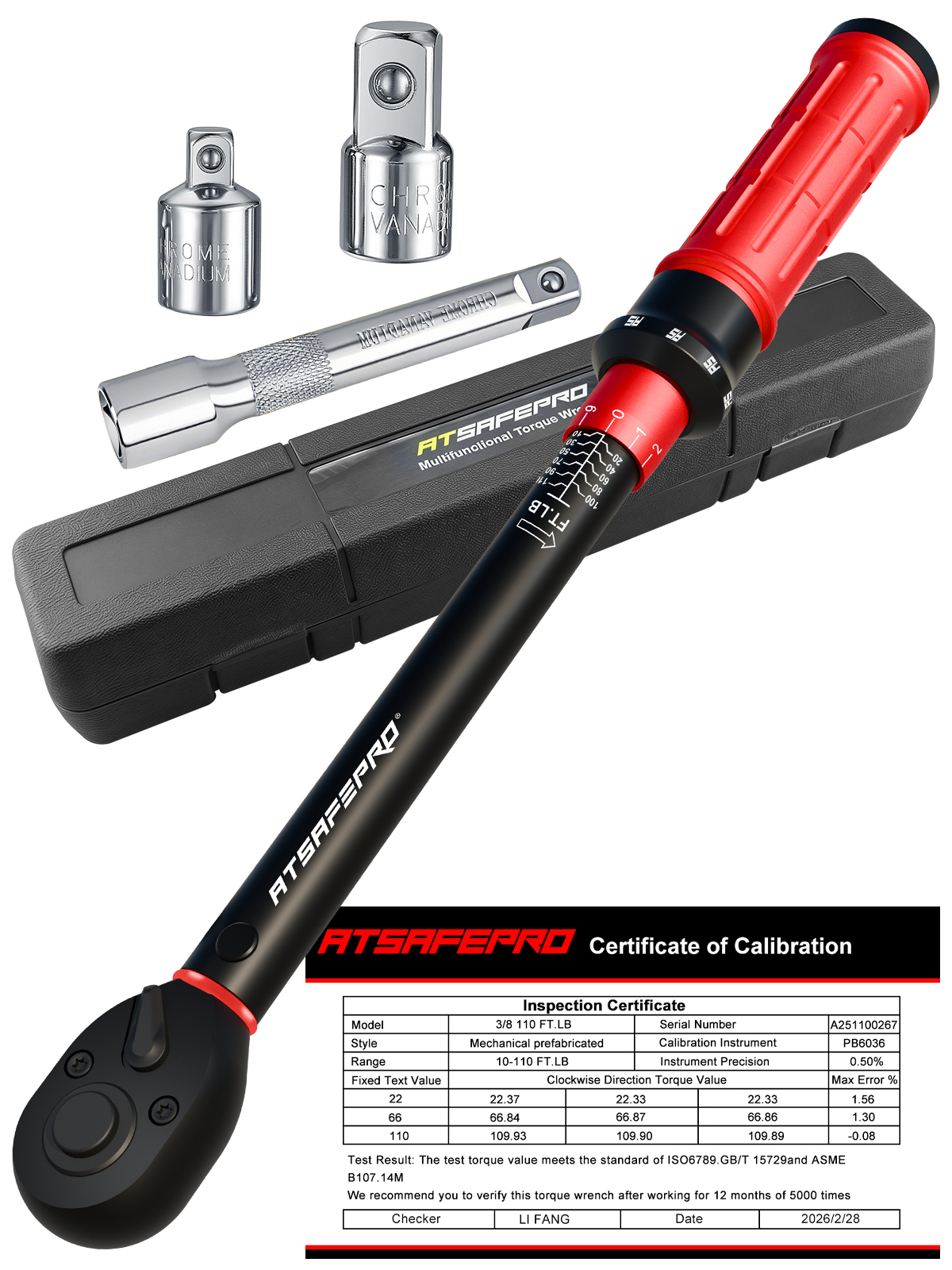
Enter the ATsafepro Torque wrench, which comes packaged in a sturdy carrying case that protects against impacts and keeps everything organized during transport. This inclusion is a thoughtful touch, similar to premium mechanical kits but enhanced with extras like the calibration Allen key, ensuring the tool stays accurate longer than standard digital or mechanical alternatives. The case also accommodates extension bars and adapters, broadening its applicability without adding clutter. For those comparing options, this comprehensive package makes the ATsafepro a more practical choice for on-the-go use, whether you're at a construction site or tackling home projects.
Cost and Value: Investing in Long-Term Performance
Finally, let's compare the cost-effectiveness. Mechanical Torque wrenches are generally the most affordable upfront, starting at around $50, appealing to budget-conscious buyers who prioritize simplicity. Digital Torque wrenches command a higher price, often $100-$200, due to their tech features, but they can offer better long-term value through data logging capabilities. The ATsafepro Torque wrench falls in the mid-to-upper range, typically $150-$250, but its multifunctional design justifies the investment by combining the best of both categories.
Over time, the ATsafepro saves money by reducing errors that could damage fasteners or parts, a common pitfall with less precise mechanical tools. Its durability means fewer replacements compared to finicky digital models, and the included accessories enhance its versatility without extra purchases. For professionals, the return on investment is evident in faster job completion and higher accuracy, while hobbyists appreciate the professional-grade performance without breaking the bank. In essence, while mechanical options suit basic needs and digital ones advanced tech enthusiasts, the ATsafepro Torque wrench offers unmatched value for a wide audience seeking a reliable all-rounder.
In summary, the ATsafepro Torque wrench excels in a comparison with traditional Mechanical and Digital Torque wrenches by blending ergonomic design, pinpoint accuracy, user-friendly features, and practical portability. Whether you're upgrading your toolkit or starting fresh, it represents a smart evolution in torque technology, ensuring precision and efficiency in every turn.