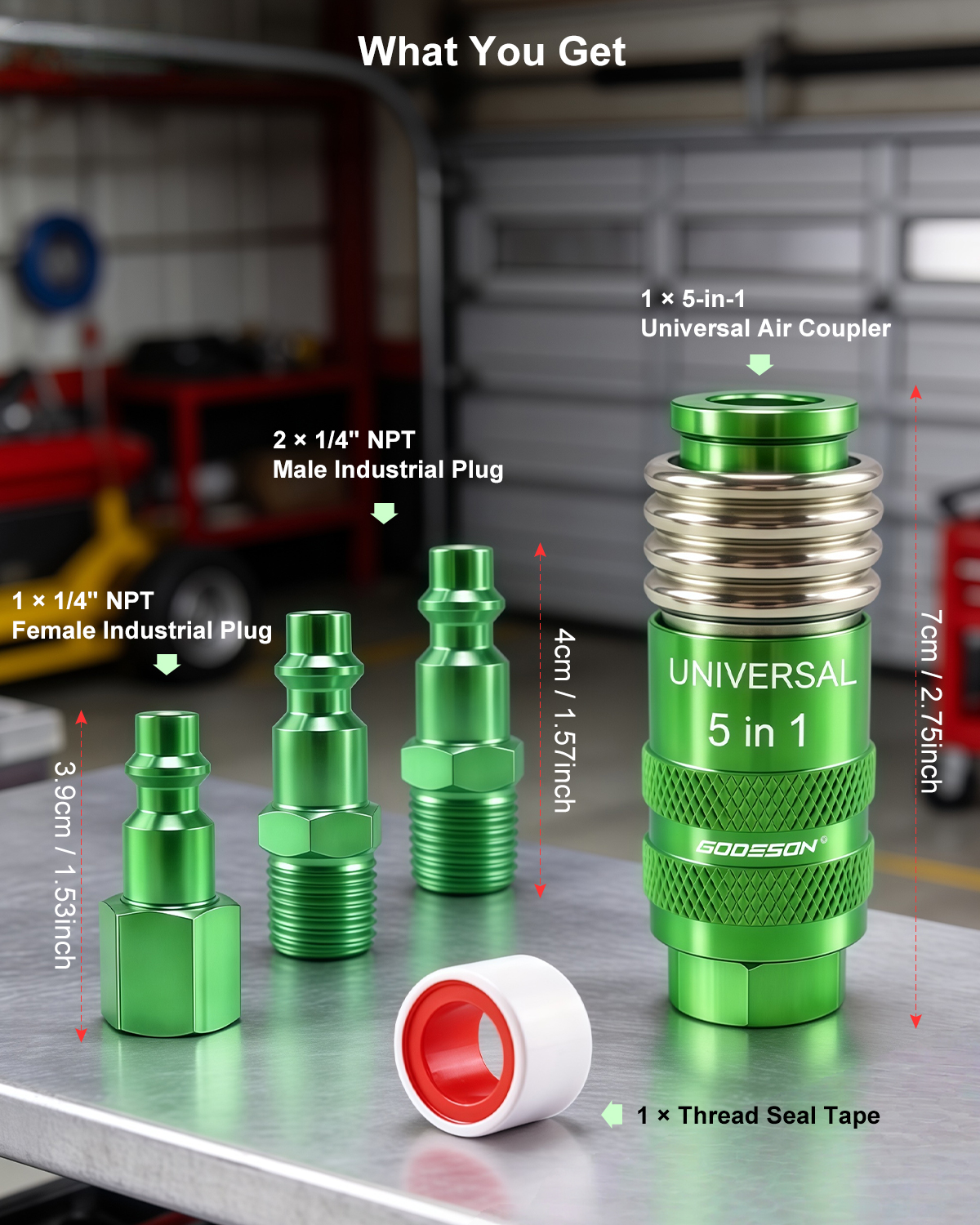
What Buyers Usually Want From a GODESON air fitting
When someone searches for a GODESON air fitting, they are usually not browsing for fun. They are trying to solve a small but annoying shop problem: a compressed air connection that leaks, slips, or refuses to tighten without a wrestling match. In pneumatic systems, that tiny piece of hardware can decide whether an air tool runs cleanly or whether the compressor cycles like it has a personal grudge.
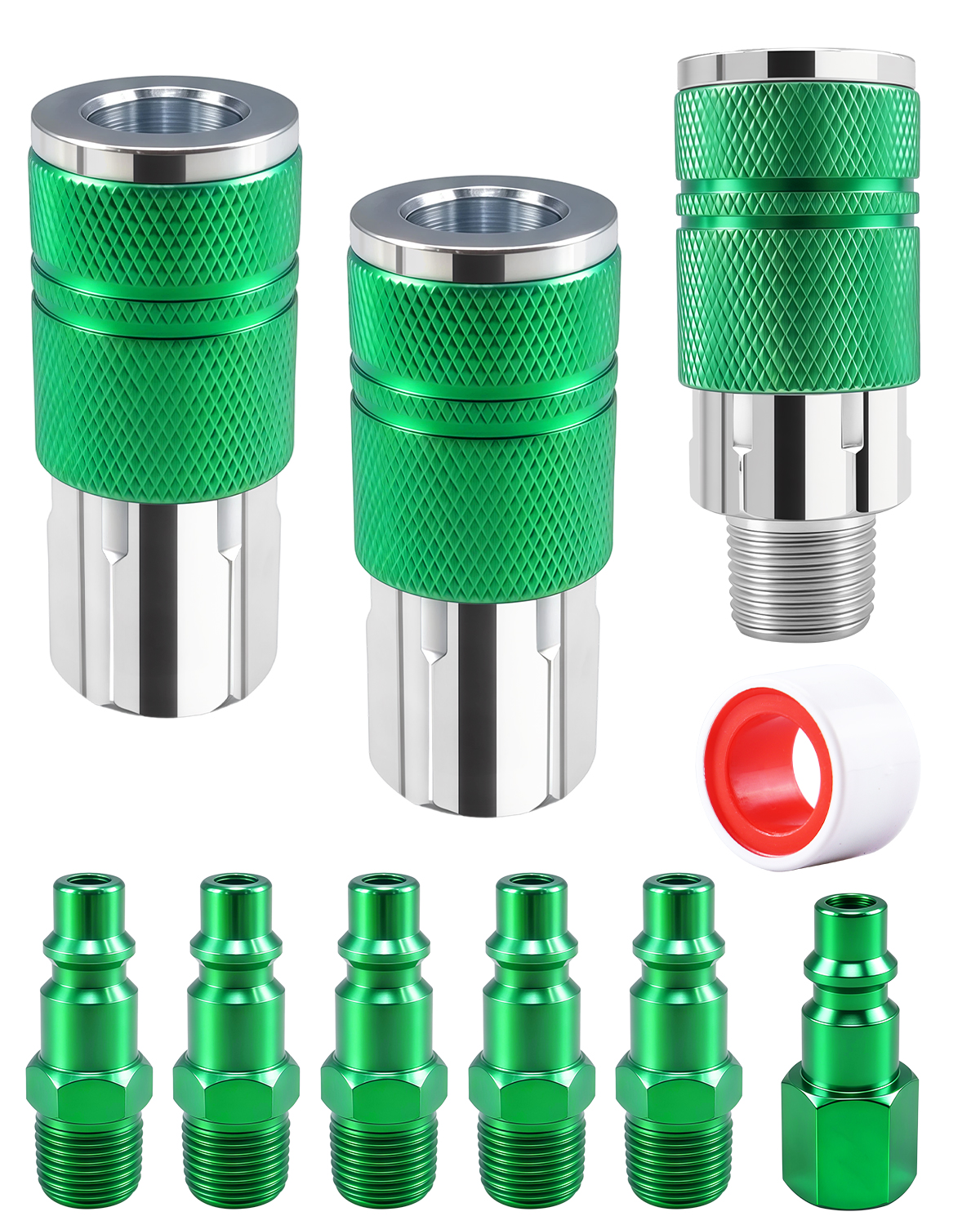
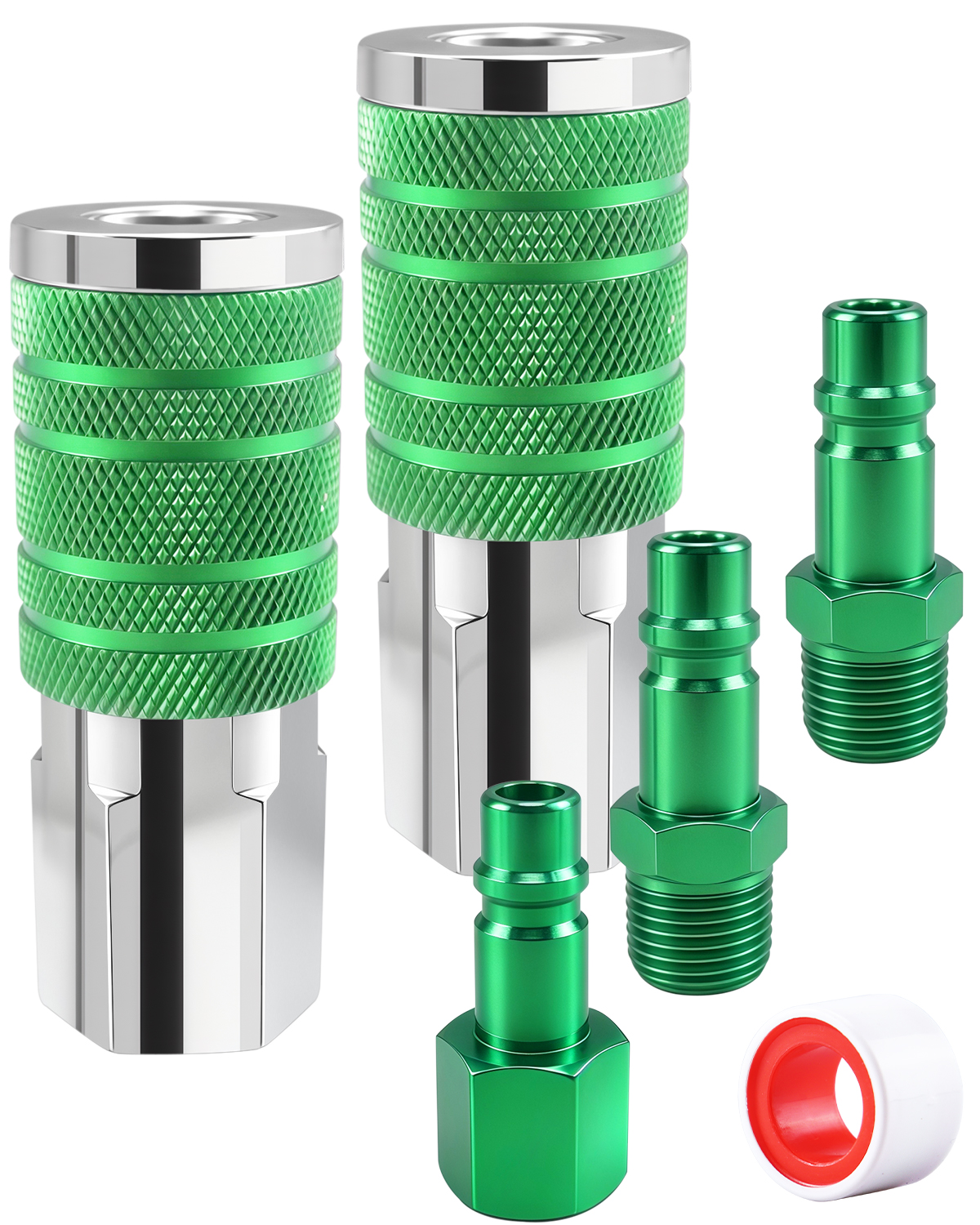
The visible product here is an all-metal pneumatic connector with a polished silver body, a hex section for wrench tightening, and a green knurled grip that looks designed for hand handling. It is rated to withstand up to 300 PSI, which places it in the practical range for many workshop and industrial air setups. That does not make it magic. It does, however, suggest the fitting is meant for serious compressed air service rather than casual tinkering.
This article is for engineers, sourcing managers, and product teams who need to judge whether a fitting like this is the right choice for hose-to-tool connections, compressor lines, or other compressed air points where pressure resistance and leak control matter. The real question is simple: does the part fit the application, the thread, and the service conditions without creating a future maintenance headache?
Why a Small Air Fitting Can Cause a Big Problem
In pneumatic systems, a bad fitting is rarely dramatic at first. It may leak a little, require an extra quarter-turn, or need re-tightening after a few cycles. Then the air loss becomes constant, the tool performance changes, and the maintenance tech starts muttering in the universal language of delayed work orders.
That is why buyers pay attention to construction, finish, and handling features. A metal air hose fitting with a hex body gives you a wrench point when hand force is not enough. A knurled collar helps with grip, especially when gloves, oil, or general shop grime are part of the day’s scenery. These are not decorative choices. They are clues about how the part is expected to be installed and serviced.
For compressed air systems, leak control matters for more than convenience. Air leaks waste energy, lower available pressure at the tool, and can create inconsistent performance. In production environments, inconsistency is often more expensive than the hardware itself.
Quick Take: What the Visible Features Suggest
The visible information points to a machined, all-metal pneumatic connector intended for compressed air use. Based on the description, it likely serves as a quick-connect or threaded coupling, though the exact standard is not confirmed. That matters because buyers sometimes assume a fitting is interchangeable simply because it looks familiar. It is a risky assumption, and the universe does not reward it.
The main visible takeaways are straightforward:
- All-metal body for robust handling in air service
- Polished silver/chrome-like surface that suggests plated or finished metal
- Green textured outer grip for easier hand tightening or handling
- Hex midsection for wrench tightening
- Female threaded opening at the bottom
- Rated up to 300 PSI
If your application needs a durable connection for compressor lines, hose assemblies, or air tools, those features are practical. If you need a very specific thread standard, seal geometry, or internal valve design, the visible data is not enough to close the file. You would want full dimensional and compatibility confirmation before purchasing in volume.
Construction Details That Matter in the Shop
All-metal body
An all-metal fitting is usually favored where mechanical strength and wear resistance are more important than absolute weight savings. In a compressed air line, fittings get installed, removed, bumped, and occasionally cursed at. Plastic may work in some low-duty situations, but metal is the more defensible choice when pressure, handling, and durability all matter.
Hex body for tool tightening
The hex section is a useful indicator that the fitting is not meant to rely only on finger strength. That is good news for installers who prefer a secure assembly, especially where vibration or repeated hose movement can work a connection loose. It also reduces the odds of marring the polished body during installation, provided the right wrench is used and the operator is not trying to reenact a demolition scene.
Knurled green grip
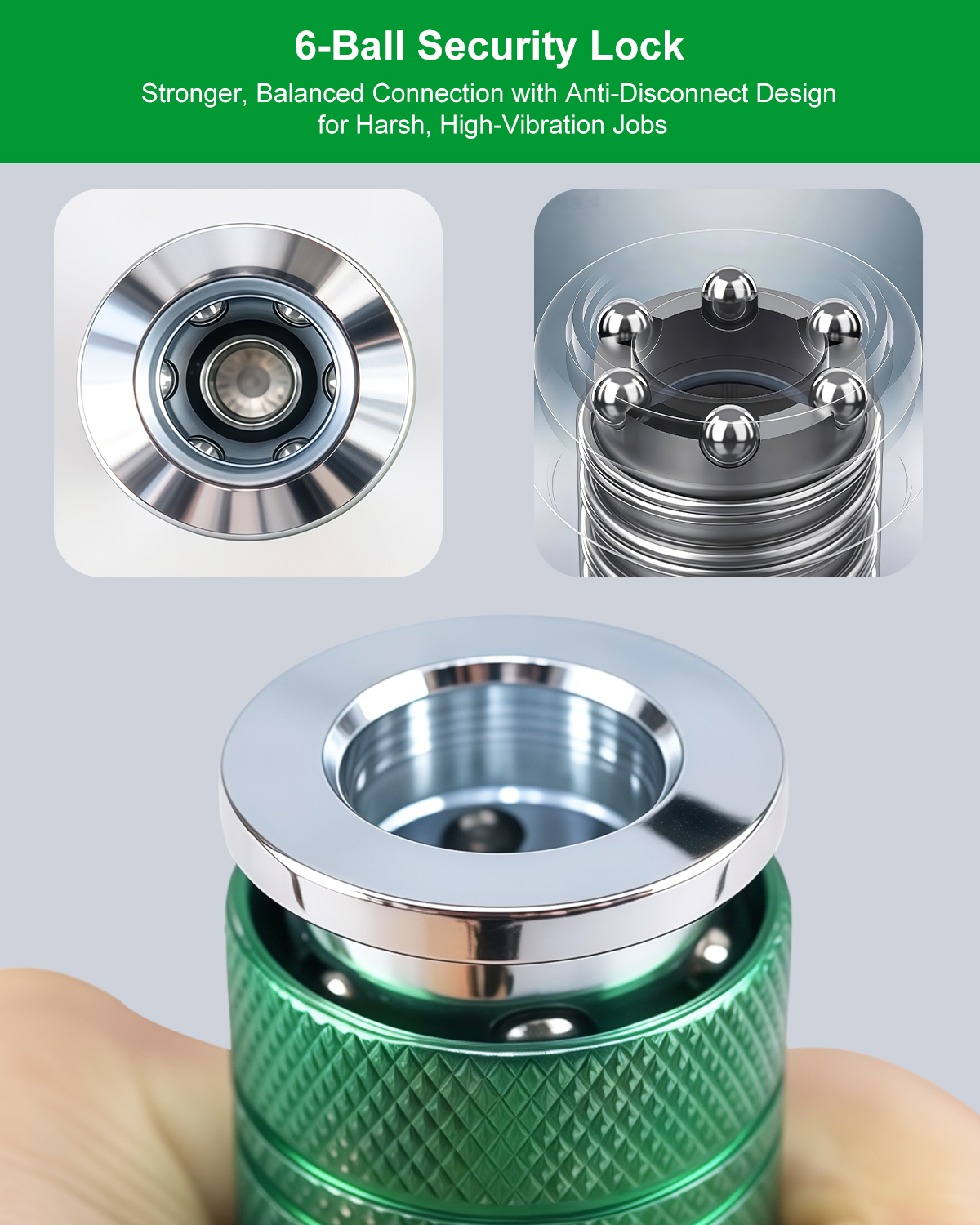
The green ridged collar appears to be a hand-friendly feature. In practice, that can help during rapid assembly, repositioning, or routine maintenance. It may also improve visibility, which is no small thing in a crowded workshop where every hose and fitting seems to be the same shade of industrial indifference.
Where a 300 PSI-Rated Air Connector Fits Best
A fitting rated to withstand up to 300 PSI is generally relevant for many compressed air environments, including workshop compressed air distribution, industrial pneumatic lines, compressors, and air tool connections. The rating does not tell you the whole story, of course. Pressure resistance is only one part of the picture. Compatibility, sealing method, and installation quality still decide whether the connection performs well over time.
For sourcing teams, this means the fitting may be a good candidate for standard compressed-air hardware programs, especially where one part needs to serve a broad range of maintenance or production applications. For engineers, it is a reminder to verify system pressure, temperature, media exposure, and interface standards before locking the design.
Selection Criteria Buyers Should Check Before Ordering
The visible product data leaves several important points unconfirmed, and those points are exactly what should be checked before purchase:
- Thread size and thread form
- Exact fitting type and coupling standard
- Compatibility with hoses, tools, and existing manifolds
- Seal material and internal sealing design
- Dimensions and envelope space
- Material alloy and surface treatment
- Suitability for the operating environment
This is where many purchases go sideways. The sample looks right, the catalog line sounds right, and then the installation crew discovers that “almost right” is not a standard anyone wants to support. If the fitting is part of a larger air system, cross-check it against drawings, legacy parts, and the actual thread gauges on the floor. The floor, annoyingly, is where reality lives.
Common Mistakes With Pneumatic Connectors
One common mistake is treating all air fittings as interchangeable. They are not. Similar shapes can hide different thread standards, sealing styles, and coupling mechanisms. Another mistake is assuming that a higher pressure rating automatically means better fit for every job. Pressure capacity helps, but it does not override compatibility or installation practice.
Over-tightening is another recurring issue. A metal fitting with a hex body invites confidence, which is useful, but excessive torque can damage threads or seals. Hand installation plus the correct wrench technique is usually safer than “tight enough” as defined by brute force and optimism.
Finally, buyers sometimes ignore maintenance access. If a fitting is easy to install but miserable to service, the cost shows up later in downtime. The green grip and hex body suggest the designer expected normal maintenance, not one-time installation and permanent hope.
How the Product Details Support Practical Use
Based on the available information, this fitting appears aimed at functional shop use rather than decorative hardware. The polished finish may help with corrosion resistance or simply reflect a plated surface treatment, but the exact process is not confirmed. The important point is that the body is all metal and shaped for secure handling.
For compressed air systems, that combination can be attractive because it balances strength with usability. A technician can grip it by hand, tighten it with a wrench, and expect a robust connection under normal air service conditions. That is the kind of straightforward hardware people appreciate after the third leak-free installation in a row. It is not glamorous, but neither is chasing air leaks around a plant.
Buyer-Facing Advice for Sourcing Teams
If you are evaluating this type of fitting for procurement, start with the real installation context. Confirm the thread specification, the mating side, and the pressure requirements of the full system. If the application is a hose-to-tool connection, check the tool side carefully. If it is going into an air manifold or compressor line, verify available space and wrench access.
Ask for the details that are missing from the visible description rather than guessing. The unknowns here are not minor. They are the difference between a clean rollout and a bin full of parts that look close enough to start arguments in the receiving area.
For repeat purchasing, it also helps to document the part’s role in the assembly. A fitting that works well in one compressed air line may not be the right answer for another if sealing method, motion, or maintenance frequency changes.
FAQ
Is this a quick-connect or a threaded fitting?
The visible description suggests it could be either a quick-connect or threaded coupling, but the exact fitting type is not confirmed. Buyers should verify the standard before ordering.
Can it be used in industrial pneumatic lines?
Based on the visible 300 PSI rating and all-metal construction, it appears suitable for many industrial compressed air applications, provided compatibility is confirmed.
Is the green collar just cosmetic?
It may be more than cosmetic. The knurled texture suggests it is intended to improve grip during hand handling or tightening.
What should I confirm before buying in bulk?
Thread size, fitting standard, seal design, dimensional fit, and compatibility with your existing air system should all be confirmed before volume purchase.
What to Do Next
If you are considering a GODESON air fitting for compressed air service, treat it as a promising hardware option, not a blind drop-in replacement. The visible design points to a durable metal connector built for practical workshop and industrial use, with a 300 PSI rating that should cover many standard air applications. The remaining job is making sure the exact thread and coupling details match your system.
That is the unglamorous part of sourcing, but it is also the part that saves time, prevents leaks, and keeps the compressor from sounding like it is giving up on life.