Why a tire pressure gauge still matters in a workshop full of sensors
An
ATsafepro tire pressure gauge
sits in a very practical part of the automotive toolkit: it is a manual instrument for checking tire pressure, and in some setups it may also support inflation or adjustment through the hose and chuck arrangement. That sounds ordinary until you look at the jobs it quietly affects. Tire pressure touches fuel economy, tread wear, steering feel, braking distance, and, in fleet or workshop settings, repeat service quality. A modern vehicle may show pressure on a dashboard screen, but a physical gauge is still the tool people trust when they want to verify the number rather than rely on a sensor alone.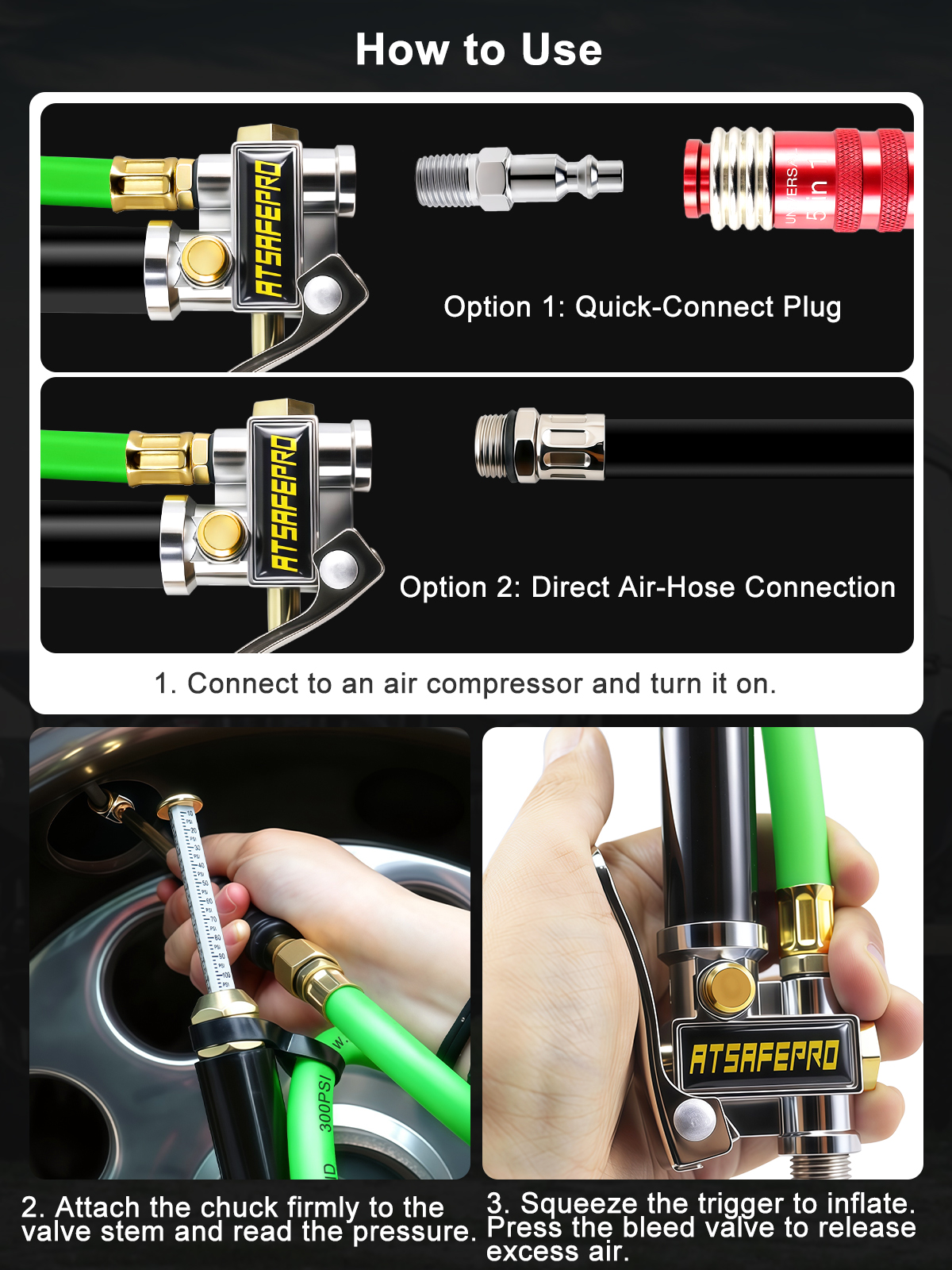
For drivers, the decision is simple enough: do you want a tool that confirms tire pressure at the wheel, in real units, with no battery dependence and no guesswork? For mechanics and sourcing teams, the more useful question is whether the gauge format suits everyday use in a garage, mobile service kit, or retail accessory program. The visible design of this unit suggests a straightforward, utility-first product rather than a decorative gadget. That is usually a good sign in tire service gear.
What is visible in this gauge design
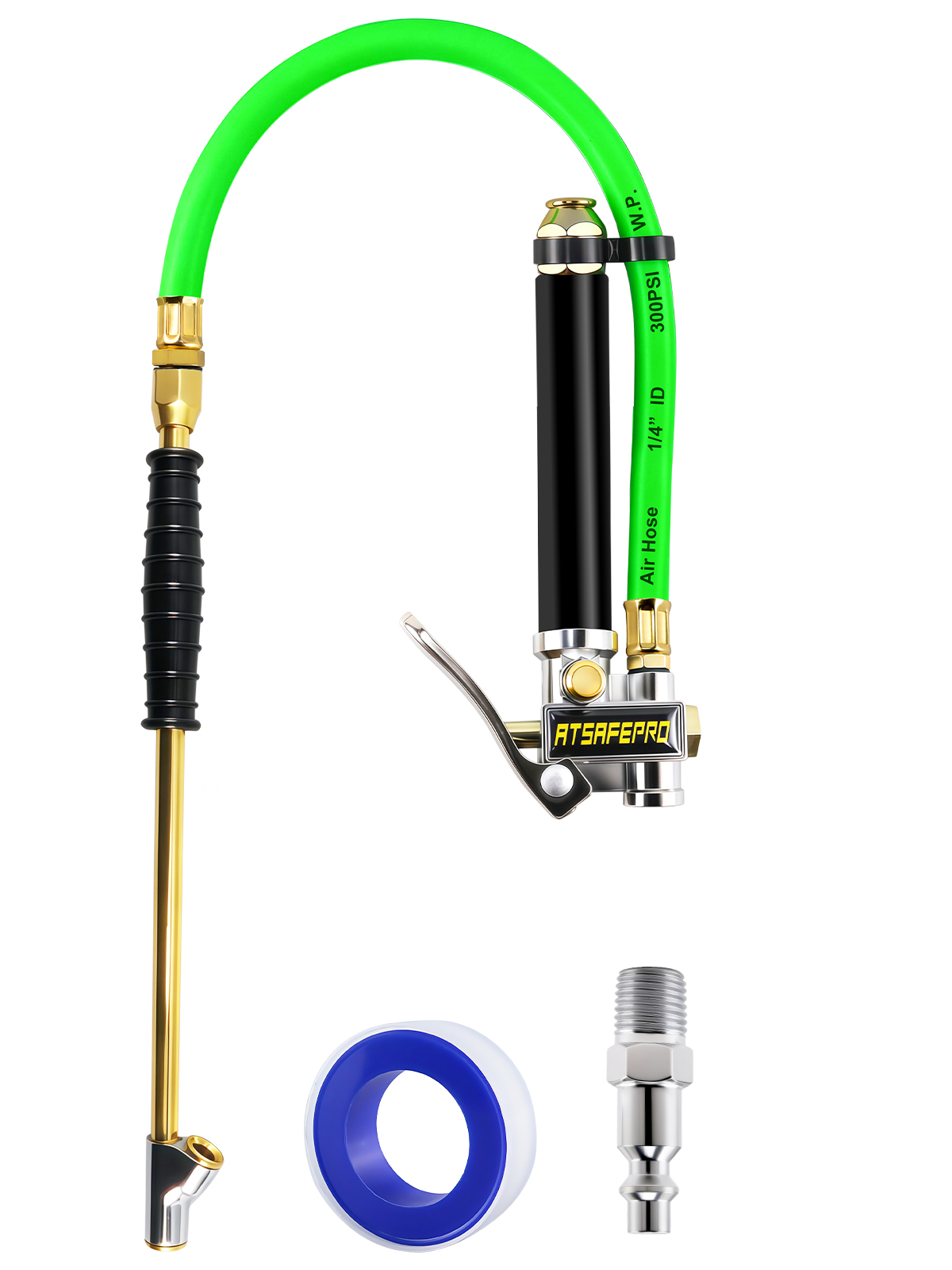
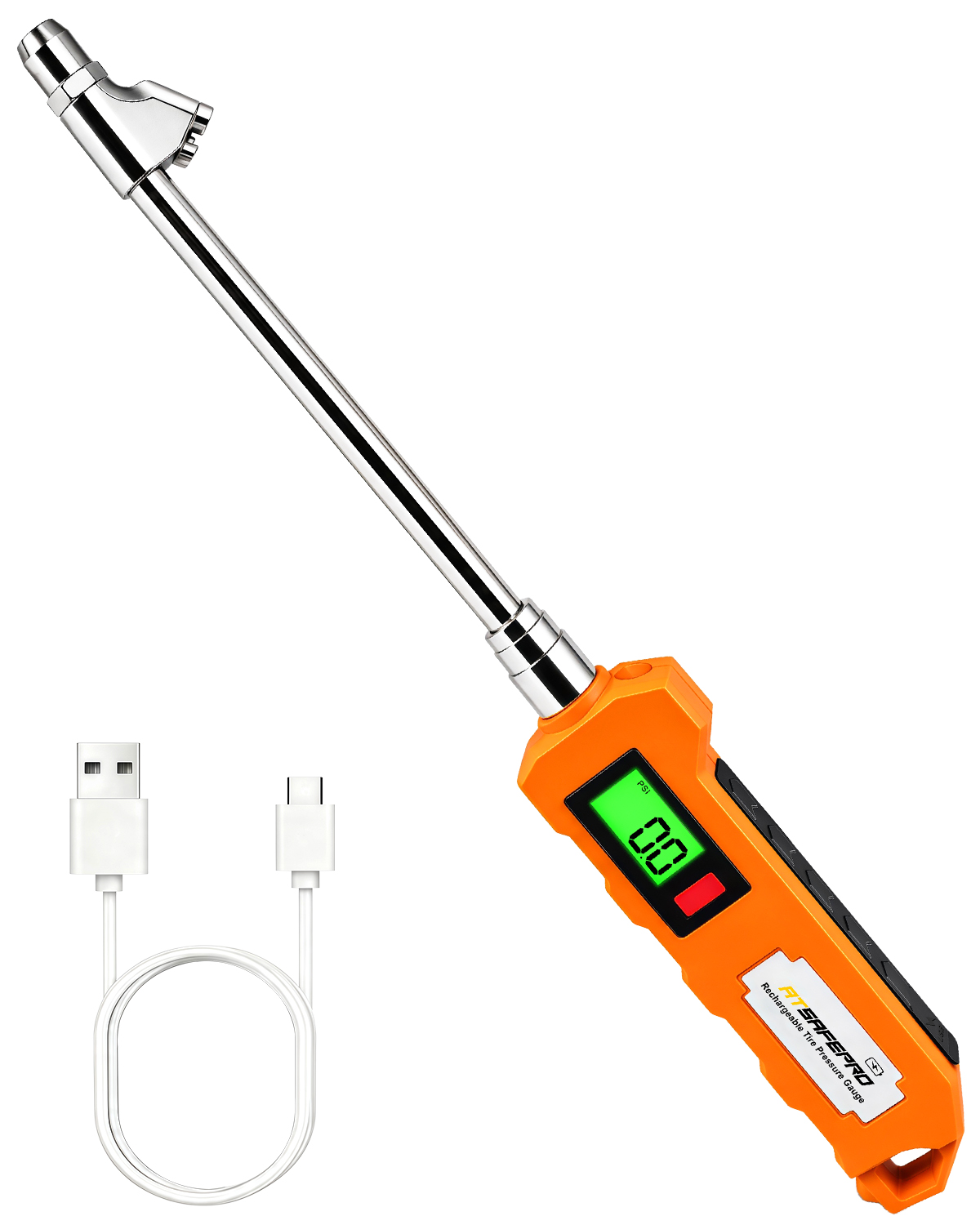
The product shown is a manual tire pressure gauge with a hose, a clamp-style or chuck-style air connection, and an analog dial head. The body includes a black flexible rubber hose, chrome-finished metal fittings, a knurled grip section, and a round gauge protected by a black rubber outer guard. The dial is marked in psi and bar, with a visible range extending to about 140 psi / 10 bar.
That combination tells you a few useful things immediately. First, the gauge is meant to be read directly, which is helpful in dim workshops or when a quick sanity check is needed before a vehicle leaves the bay. Second, the hose and connector arrangement make it easier to reach valve stems in tighter wheel wells, especially on motorcycles, passenger cars, and some light-duty trucks. Third, the rubber bezel around the gauge is not just a cosmetic touch; it offers a small buffer against knocks, which matters because pressure tools tend to live in drawers, hang from air lines, or get dropped onto concrete more often than anyone likes to admit.
Why analog still has a place
Digital gauges get plenty of attention, but analog gauges remain common for good reasons. They do not need batteries, they are easy to glance at, and they often behave predictably in rough shop conditions. There is less to manage, fewer failure points, and no waiting for a display to wake up. That said, analog tools are only as good as their construction and care. If the needle is damaged, the hose leaks, or the chuck connection is sloppy, the reading becomes less trustworthy fast.
For buyers, that means the real value is not “analog versus digital” in the abstract. It is whether the gauge is built for repeated handling and whether the user can connect it cleanly to the valve stem without losing time or air. The hose, fittings, and valve arrangement matter as much as the dial face.
Likely use cases in the shop and on the road
This type of tire pressure gauge fits several common tasks:
- Routine passenger car tire checks before delivery or service handoff
- Motorcycle tire maintenance, where valve access can be awkward
- Small truck or light commercial tire inspection
- Garage and workshop tire pressure adjustment
- General roadside or garage kit use for drivers who want a manual backup tool
A longish flexible hose is especially useful when wheel design or fender clearance makes a rigid gauge awkward. If you have ever tried to connect a short tool to a valve stem tucked deep into a wheel, you already know why that matters. The hose reduces the wrestling match, and in service work that saves time without feeling flashy.
How to judge whether this style suits your operation
If you are sourcing tire maintenance accessories, this design points toward a broad-utility product rather than a niche instrument. A few practical selection points deserve attention.
1. Readability
The dual-scale dial in psi and bar is important for mixed-use environments. Some shops and regions work primarily in bar, while many drivers still think in psi. A gauge that supports both reduces confusion and makes the tool easier to hand off between staff, technicians, and end users.
2. Connection style
The clamp-style or chuck-style end suggests compatibility with standard tire valve work, but exact compatibility is not something to assume from appearance alone. In procurement, this is worth confirming before buying in volume, especially if the product will be used across mixed vehicle types.
3. Hose flexibility
A flexible rubber hose is more forgiving than a rigid metal stem in busy service areas. It allows a better angle to the valve and can reduce accidental side loading on the valve stem. That is a small detail, but small details often separate a tool that gets used daily from one that gets tossed aside.
4. Protection and durability
The rubber guard around the gauge is a sensible feature. Gauge heads fail in ugly ways when they are repeatedly knocked against tool carts or dropped on a shop floor. A protective bezel is not a guarantee of longevity, but it is a useful sign that the design has some shop reality behind it.
Common buying mistakes with tire pressure tools
One common mistake is assuming the highest visible pressure range is the same thing as accuracy or durability. It is not. A dial that reads to 140 psi may be more than enough for many passenger and light-duty applications, but buyers should still consider the actual intended use, not just the top number printed on the face.
Another mistake is overlooking the hose and connector quality because the gauge face looks respectable. In practice, leaks at fittings, stiff hose behavior, or poor chuck engagement can cause more trouble than a modestly plain dial ever will.
A third issue is buying for the wrong workflow. A garage that needs rapid, repetitive tire checks may prefer a different connector style or a more specialized inflation setup. A driver who only wants an occasional garage backup tool may care more about clarity and ease of storage. The best gauge is the one that matches the actual job, not the one with the busiest feature list.
What the visible construction suggests about manufacturing
Based on the visible components, this product appears to combine a molded rubber hose with machined or die-cast metal fittings and an assembled analog pressure gauge module. That is a familiar manufacturing path in automotive service accessories. It is not exotic, but it does demand decent assembly control. Hose fitment, sealing at the fittings, and dial housing protection all influence how the tool feels after the first month of use.
For manufacturing teams, this kind of product usually lives or dies on consistency. The parts themselves are ordinary; the challenge is keeping the connection tight, the dial readable, and the overall unit durable enough for repeated use. In other words, the value is in execution, not novelty.
Practical advice for end users
If you use a manual gauge like this, check tire pressure when the tires are cold whenever possible. That old rule still saves a lot of confusion because driving heats air and can raise readings. Also, handle the chuck firmly but without forcing it. If you hear excessive leakage, re-seat the connector instead of chasing the number immediately.
It is also worth storing the tool where the gauge face will not get crushed under heavier equipment. A rubber guard helps, but it is not armor. A bent needle or cracked crystal can turn a decent tool into a useless one faster than most people expect.
Who this kind of gauge is best for
This style is best for users who want a straightforward, shop-friendly tire pressure tool with no batteries, no screen, and no learning curve. It fits mechanics, fleet maintenance staff, tire retailers, and drivers who keep a physical backup in the car or garage. For those users, the real appeal is reliability of habit: connect, read, adjust, move on.
For sourcing managers, the key is to verify the details that cannot be confirmed from appearance alone, including exact hose length, calibration status, valve compatibility, and whether the unit is gauge-only or also supports inflation/deflation through the hose system. Those details affect resale claims and field satisfaction far more than any polished product photo.
Final buyer takeaway
The ATsafepro tire pressure gauge is the kind of tool that earns its keep through simple utility: an analog dial, dual psi and bar markings, a flexible hose, and a protective gauge body suited to regular tire service. It is not trying to be clever. That is often a strength in automotive maintenance gear.
If you are comparing tire pressure tools for shop use, fleet kits, or general vehicle maintenance, the next step is to confirm the connection style, exact operating details, and packaging requirements for your application. If those line up, a manual gauge like this can be an easy fit for everyday tire checks and basic pressure management.