Top Reasons to Choose an Analog Tire Pressure Gauge for Your Vehicle Maintenance
When it comes to maintaining your vehicle's safety and performance, an analog tire pressure gauge stands out as a reliable, no-fuss tool that every driver should have in their toolkit. Unlike digital alternatives, an analog tire pressure gauge provides straightforward readings without the need for batteries, making it perfect for on-the-go checks. In this listicle, we'll explore the top benefits and tips on selecting and using an analog tire pressure gauge, highlighting why it's essential for routine car care. Whether you're a weekend warrior or a daily commuter, understanding how to use a tire pressure gauge properly can save you time, money, and potential headaches on the road.
1. Unmatched Durability and Reliability
One of the primary reasons to opt for an analog tire pressure gauge is its exceptional durability. Crafted from robust materials like hardened steel or reinforced brass, these gauges withstand drops, vibrations, and harsh weather conditions far better than electronic versions. For instance, models with a protective rubber casing ensure the gauge remains functional even after years of use in a glove compartment or toolbox. This reliability translates to peace of mind; you won't have to worry about a dead battery ruining your pre-road trip inspection. Moreover, analog tire pressure gauges deliver consistent accuracy over time, with a simple dial mechanism that doesn't degrade like digital sensors might. Professionals in auto shops often prefer them for their straightforward design, which minimizes calibration issues. If you're tired of gadgets that fail at the worst moments, an analog tire pressure gauge is your go-to solution for long-lasting performance.
2. Cost-Effective and Budget-Friendly Option
Affordability is another compelling advantage of the analog tire pressure gauge. Priced significantly lower than digital counterparts—often under $10—you get a high-quality tool without breaking the bank. This makes it ideal for DIY mechanics or families maintaining multiple vehicles. The low cost doesn't compromise on functionality; many analog tire pressure gauges offer precise readings in increments as fine as 1 PSI, suitable for everything from sedans to trucks. Consider how often you'll use it: with no ongoing expenses like battery replacements, it pays for itself quickly through fuel savings. Properly inflated tires can improve gas mileage by up to 3%, according to the U.S. Department of Energy, and an analog tire pressure gauge ensures you're always on point. For budget-conscious drivers, this tool is a smart investment that enhances safety without the premium price tag.
3. Ease of Reading and Portability
Analog tire pressure gauges excel in user-friendliness, with a clear, illuminated dial that's easy to read in any lighting. The needle's immediate response to pressure changes allows for quick assessments—no waiting for a digital display to power up. Their compact size, typically fitting in your pocket or attaching to a keychain, adds to the portability. Imagine checking tire pressure at a gas station without fumbling with a bulky device; the lightweight construction of an analog tire pressure gauge makes this a breeze. Many models include a built-in deflator or clip for added convenience, letting you adjust pressure on the spot. This simplicity appeals to beginners and experts alike, ensuring accurate monitoring without a steep learning curve. In essence, it's a tool designed for real-world use, where speed and clarity matter most.
4. Versatility Across Vehicle Types
From passenger cars to motorcycles and even RVs, an analog tire pressure gauge offers versatility that covers a wide array of vehicles. With measurement ranges typically spanning 0 to 60 PSI or higher, it accommodates the varying needs of different tire sizes. For example, bike enthusiasts appreciate the fine granularity for low-pressure tires, while truck owners value the higher-end scales for heavy-duty applications. This adaptability extends to international use, as many gauges include dual units like PSI and BAR. No matter your ride, incorporating an analog tire pressure gauge into your routine helps prevent uneven wear, blowouts, and reduced handling—issues that can arise from under- or over-inflation. It's a universal tool that adapts to your lifestyle, making vehicle maintenance accessible and efficient.
5. Simple How-To Guide: Mastering the Use of a Tire Pressure Gauge
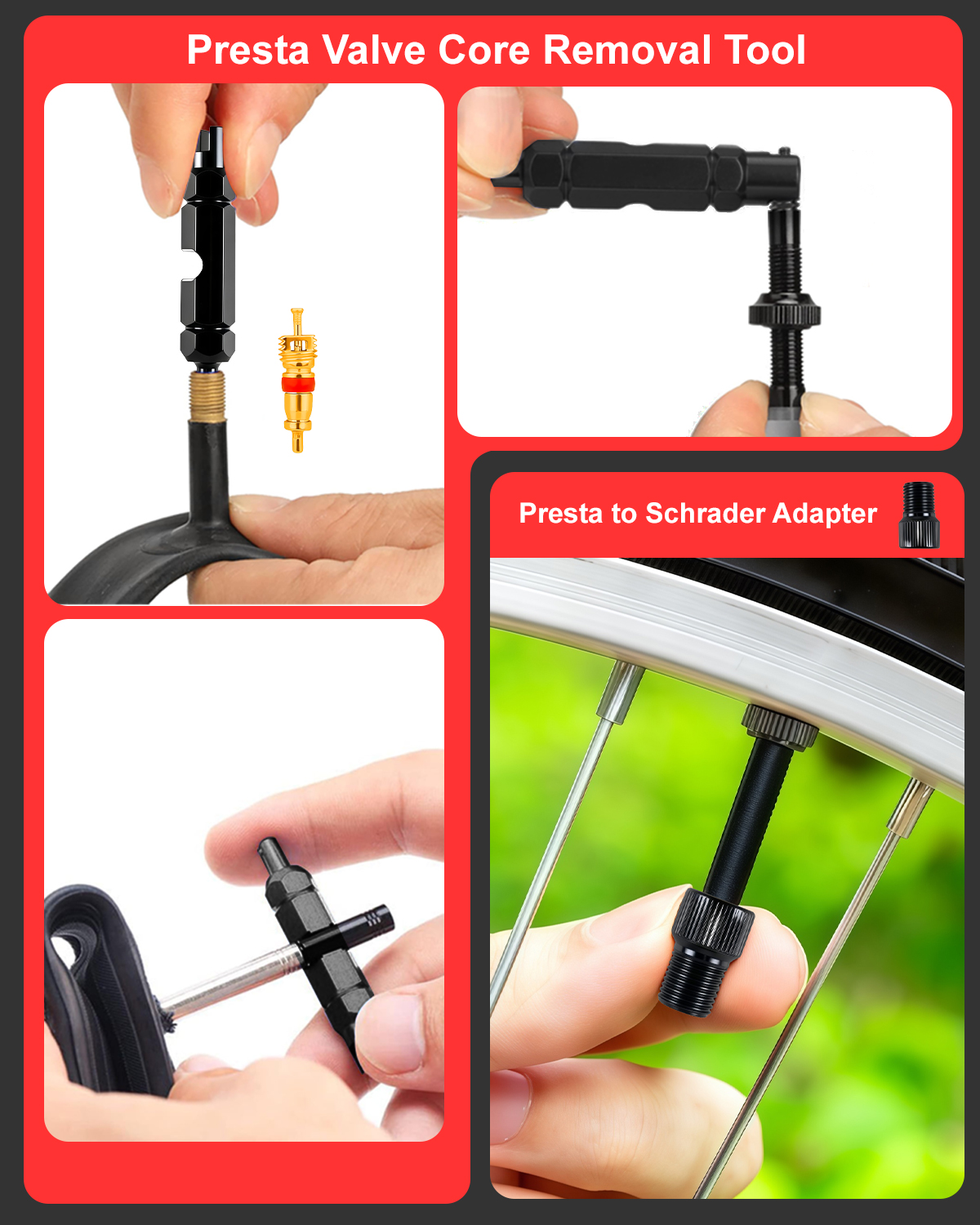
Knowing how to use a tire pressure gauge is crucial for reaping its benefits, and with an analog model, the process is refreshingly straightforward. Start by parking on a level surface and letting the tires cool for accuracy. Remove the valve cap from your tire and press the gauge's nozzle firmly onto the valve stem, ensuring a tight seal to avoid air leaks. You'll hear a quick hiss as the needle jumps to the current pressure reading on the dial. Compare this to your vehicle's recommended PSI, found in the owner's manual or door jamb sticker—most cars need 30-35 PSI. If too low, add air using an inflator; if high, release some by pressing the core tool. For an analog tire pressure gauge, double-check by removing and reapplying to confirm the reading, as this eliminates any residual air issues. Repeat for all four tires, including the spare if accessible. This quick 5-minute ritual can extend tire life by 20% and boost safety. Pro tip: Check monthly or before long trips, and always store your gauge cleanly to maintain its precision.
6. Why Accuracy Matters: Preventing Common Pitfalls
An often-overlooked benefit of the analog tire pressure gauge is its role in preventing costly mistakes through precise measurements. Inaccurate readings from worn-out digital tools can lead to improper inflation, causing tires to overheat or wear prematurely. With an analog tire pressure gauge, the mechanical design ensures reliability, often certified to within 2% accuracy. This precision is vital for fuel efficiency, as underinflated tires increase rolling resistance and can drop MPG by 0.2-0.4 per PSI deficit. Furthermore, it promotes safer driving by maintaining optimal traction, especially in wet conditions. To maximize this, choose a gauge with a large face for easy visibility and a release valve for on-the-fly adjustments. By integrating how to use a tire pressure gauge into your habits, you'll avoid fines for unsafe vehicles and enjoy smoother rides. In a world of complex tech, the analog tire pressure gauge keeps things simple and effective.
7. Eco-Friendly and Maintenance-Free Choice
For environmentally conscious drivers, an analog tire pressure gauge is a sustainable pick. It requires no electricity or disposable batteries, reducing waste and your carbon footprint. Maintenance is minimal—just occasional cleaning and storage away from extreme temperatures keeps it in top shape. This low-impact design aligns with green driving practices, as properly maintained tires lower emissions through better efficiency. Pair it with eco-tips like rotating tires every 6,000 miles, and you're contributing to a healthier planet. Overall, its timeless appeal lies in blending practicality with responsibility, making it a staple for modern motorists.
In summary, the analog tire pressure gauge isn't just a tool—it's a dependable partner in vehicle care. From its rugged build to effortless usage, it outperforms in scenarios where reliability counts. By following these insights on how to use a tire pressure gauge, you'll elevate your maintenance game and keep your wheels rolling safely. Invest in one today and feel the difference in every drive.