Why a rotor micrometer matters when a standard gauge stops short
If you work around motors, generators, alternators, or other rotating equipment, you already know the awkward measurements are usually the ones that matter most. A GODESON Disc Brake Rotor Micrometer is the kind of instrument people reach for when a caliper or ordinary micrometer just cannot get into the geometry cleanly enough. The point is not only accuracy, but access: a slim measuring beam, specialized contact tips, and a digital readout make it easier to inspect internal dimensions without improvising a workaround that later turns into a bad repair call.
That matters in maintenance, quality control, and teardown work. A worn rotor, a damaged bore, or an out-of-spec internal slot can look acceptable at a glance and still cause vibration, heat, poor fit, or premature failure. Buyers usually want to know one thing before they order a tool like this: will it actually let them measure the feature they care about, in the environment they care about, without wasting time on a second setup? That is the real decision behind this kind of instrument.
What this tool is designed to do
The visible design points to a specialized digital rotor micrometer built for internal or hard-to-reach measurements. The long, narrow structure, the protruding contact points, and the LCD head suggest it is intended for rotor-related inspection as well as other cylindrical or slot-style features where access is limited. The body markings visible in the product image include “ROTOR MICROMETER,” “STAINLESS HARDENED,” and “IP54,” which gives a useful snapshot of how the tool is meant to be used: in real workshops, not just on a clean lab bench.
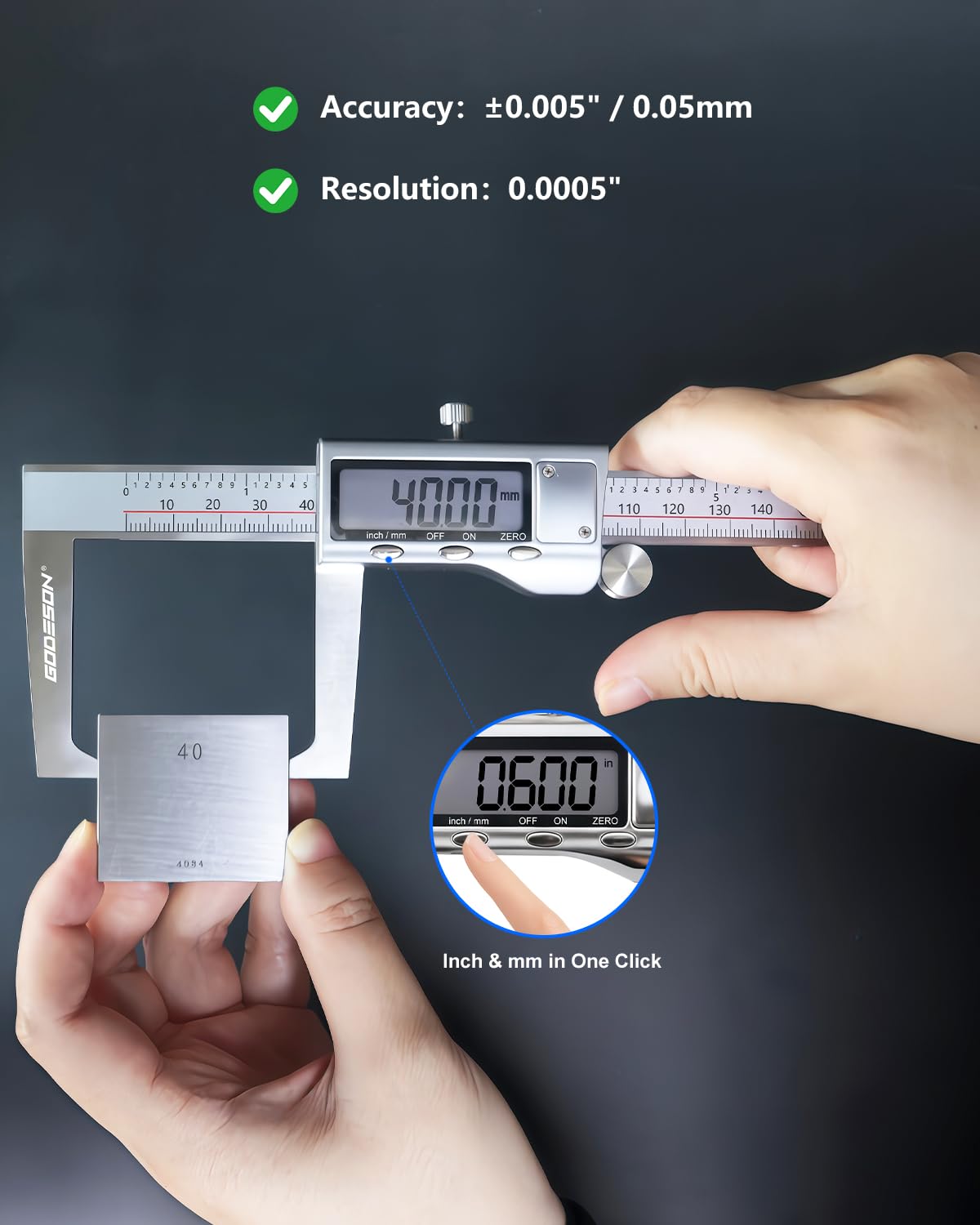
It also appears to support both millimeter and inch display modes, which is practical for shops that work across mixed documentation. The cable shown separately suggests some form of digital connection or external readout capability, although the exact purpose of that cable is not confirmed by the image alone. It may be data output, a charging lead, or another accessory. I would not assume more than that without the spec sheet in hand.
Where this kind of micrometer fits in the shop
Motor and generator maintenance
In electric motors and generators, access is often the first problem and measurement confidence is the second. Internal geometry can be awkward, especially when you are checking wear patterns, bore consistency, or features hidden deep inside a housing. A digital rotor micrometer is useful because it reduces the amount of guesswork. The readout is immediate, and the physical form is better suited to that kind of confined work than a general-purpose outside micrometer.
Inspection and quality control
For production teams, the value is less dramatic but just as important. If you are checking repeat parts, comparing incoming components, or confirming whether a machined feature is within your own internal acceptance limits, a specialized metrology tool can prevent a lot of avoidable rework. You still need a proper inspection routine, of course. A nice display does not replace a stable technique, a clean contact surface, or a reference standard. But it does make the process less fussy.
Field repair and service work
Portable instruments are often judged by how they behave away from ideal conditions. A case, a hardened body, and an IP54 marking are all useful signals here. IP54 does not make a tool invincible, but it does suggest some resistance to dust ingress and light moisture exposure, which is better than having to baby the instrument every time the job moves from the bench to the plant floor.
Key features buyers will notice first
The most obvious feature is the LCD readout. Digital display tools are popular because they remove the strain of reading a mechanical scale in a cramped position. When the measuring point is awkwardly placed, that simplicity matters more than many buyers expect.
Another visible detail is the unit switching between mm and inch display. That sounds basic, but in practice it can reduce transcription mistakes, especially when a maintenance team and a purchasing team are working from different documentation systems. There may also be fraction or decimal modes depending on the display configuration, though that cannot be confirmed from the available information.
The stainless hardened construction marking also matters. In a measuring tool, material choice is not cosmetic. Hardened contact surfaces are meant to preserve geometry and wear resistance over repeated use. That is especially relevant if the instrument is used in a shop where tools are shared, moved often, or handled with gloves on and attention divided.
Finally, the hard case with foam insert is not a minor accessory. Specialized gauges are easy to damage when tossed into a drawer with sockets and punches. A fitted case helps preserve alignment, keep the contacts from being bent, and give the buyer a clear place to store the cable and any small accessories. For a metrology tool, that is practical value, not packaging fluff.
How to judge whether it is the right tool for your application
Before buying any rotor micrometer, the first question is not brand. It is geometry. Ask whether the feature you need to measure is actually compatible with the tool’s contact arrangement. The product image suggests internal or rotor-related measurement capability, but the exact use case—rotor slot width, bore diameter, groove depth, or another internal dimension—is not fully clear from the photo alone. That is a normal issue with this product category, and it is worth slowing down for a moment rather than assuming the instrument will solve every difficult measurement problem in the room.
Second, check the range and resolution in the product documentation. Those specifications are not visible here, and they should not be guessed. A tool can look substantial and still be wrong for your required span. If the range does not cover your parts comfortably, you will end up forcing the setup or splitting measurements across multiple tools, which defeats the purpose.
Third, think about how the readings will be used. If the output stays on the instrument only, that may be enough for a one-person inspection task. If your team wants to log measurements into a quality system, the cable and any digital output function become more important. The image hints at connectivity, but the exact workflow should be confirmed before purchase.
Common mistakes when shopping for a specialized measuring tool
One frequent mistake is treating every digital micrometer as interchangeable. They are not. A standard outside micrometer, a bore gauge, and a rotor micrometer solve different problems. If the part shape is unusual, a general-purpose instrument may give you a number, but not necessarily the right number.
Another mistake is focusing only on the display. A bright screen is helpful, but contact geometry, repeatable handling, and robust construction usually matter more over the life of the tool. In shop environments, the feature that saves the most time is often the one nobody notices until something breaks.
There is also a tendency to overlook environmental protection. The IP54 marking visible on this tool is a useful clue, though it should not be read as permission to use the instrument carelessly in coolant-heavy or dirty conditions. It is still a precision gauge. Clean contact points and careful storage remain part of the job.
Practical buyer advice before you place an order
If you are sourcing for a maintenance department, ask for the complete specification sheet before the purchase is approved. Confirm the measuring range, resolution, accuracy, data interface details, and any calibration documentation that your process requires. None of those details are visible in the image, and they are the points that determine whether the tool fits your workflow.
If you are a repair shop owner, think about the actual jobs on your bench. A digital rotor micrometer is most useful when access is difficult and repeated measurements are common. If you only need occasional rough checks, you may be paying for capability that sits idle. If, on the other hand, your technicians regularly inspect motors, generators, or similar cylindrical components, the time saved on each setup can justify the extra specificity.
If you are buying for a QA team, verify how the display format and any cable function integrate with your documentation habits. A tool that is easy to read but awkward to record can slow a process more than a slightly less polished instrument with a better workflow.
Small details that are easy to miss but worth caring about
The metallic shaft and printed scale section suggest a mixed-material build intended to balance strength and readability. That is ordinary in this category, but it does tell you something useful: this is meant to be handled like precision shop equipment, not a disposable measuring stick. The red hard case reinforces that impression.
One more practical aside: when a tool is designed for internal or rotor-related measurement, handling technique becomes part of the measurement system. If the operator is not trained to seat the contacts consistently, even a good instrument can produce questionable results. This is why experienced buyers often value repeatable form as much as raw resolution.
Who is most likely to benefit from the GODESON Disc Brake Rotor Micrometer
It is a sensible fit for motor repair technicians, generator service teams, rotating equipment inspectors, and quality-control staff who need compact access to internal or rotor-style dimensions. It is also relevant to workshops that deal with mixed imperial and metric documentation, since the display can switch units.
For buyers in those categories, the appeal is straightforward: a dedicated measuring tool with digital readout, hardened construction, an IP54-rated body marking, and a case for storage. That combination is often enough to make a tool earn its keep, provided the range and contact geometry match the part being measured.
What to ask the supplier before committing
Ask for the measurement range, resolution, and any calibration or verification details available. Confirm what the cable does. Ask whether replacement contacts or service support are available. If the tool will be used in a production environment, ask how it should be checked periodically against a reference standard. Those are not glamorous questions, but they are the ones that keep purchasing from becoming a troubleshooting exercise later.
If your team needs a practical measuring tool for rotor, bore, or internal access work, the next step is simple: compare the tool’s geometry and published specifications against your actual part drawings and inspection routine. That one comparison usually tells you more than a dozen product photos.