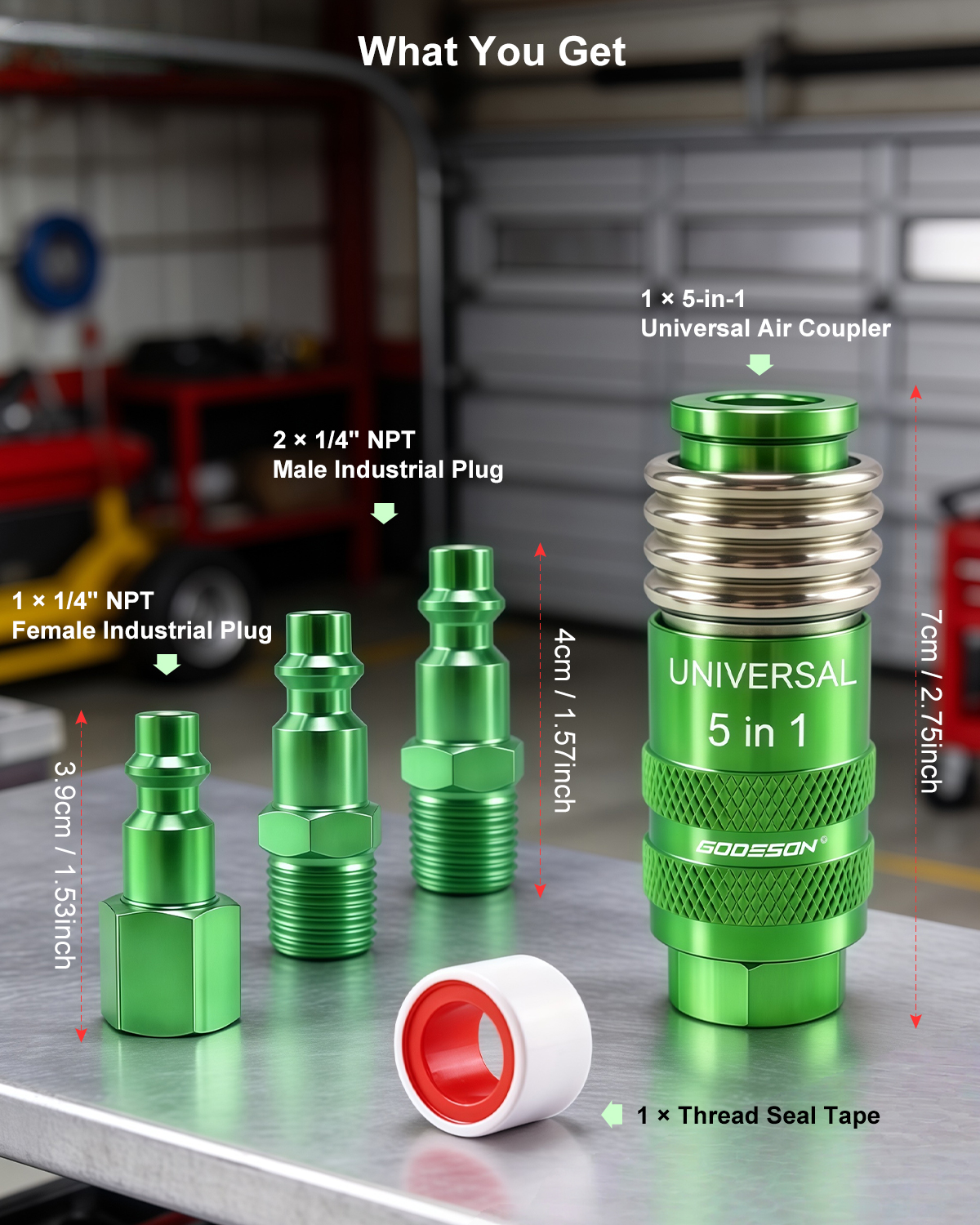
Why a small air fitting can cause big problems
A compressed-air system is only as reliable as its weakest connection, and the GODESON air fitting is the kind of component that reminds buyers of that fact. In a workshop, production cell, or service truck, a fitting that leaks, loosens, or fails under pressure can waste compressed air, reduce tool performance, and create a nuisance that keeps coming back. That may sound minor until it starts affecting cycle time, operator confidence, or the compressor’s duty cycle.
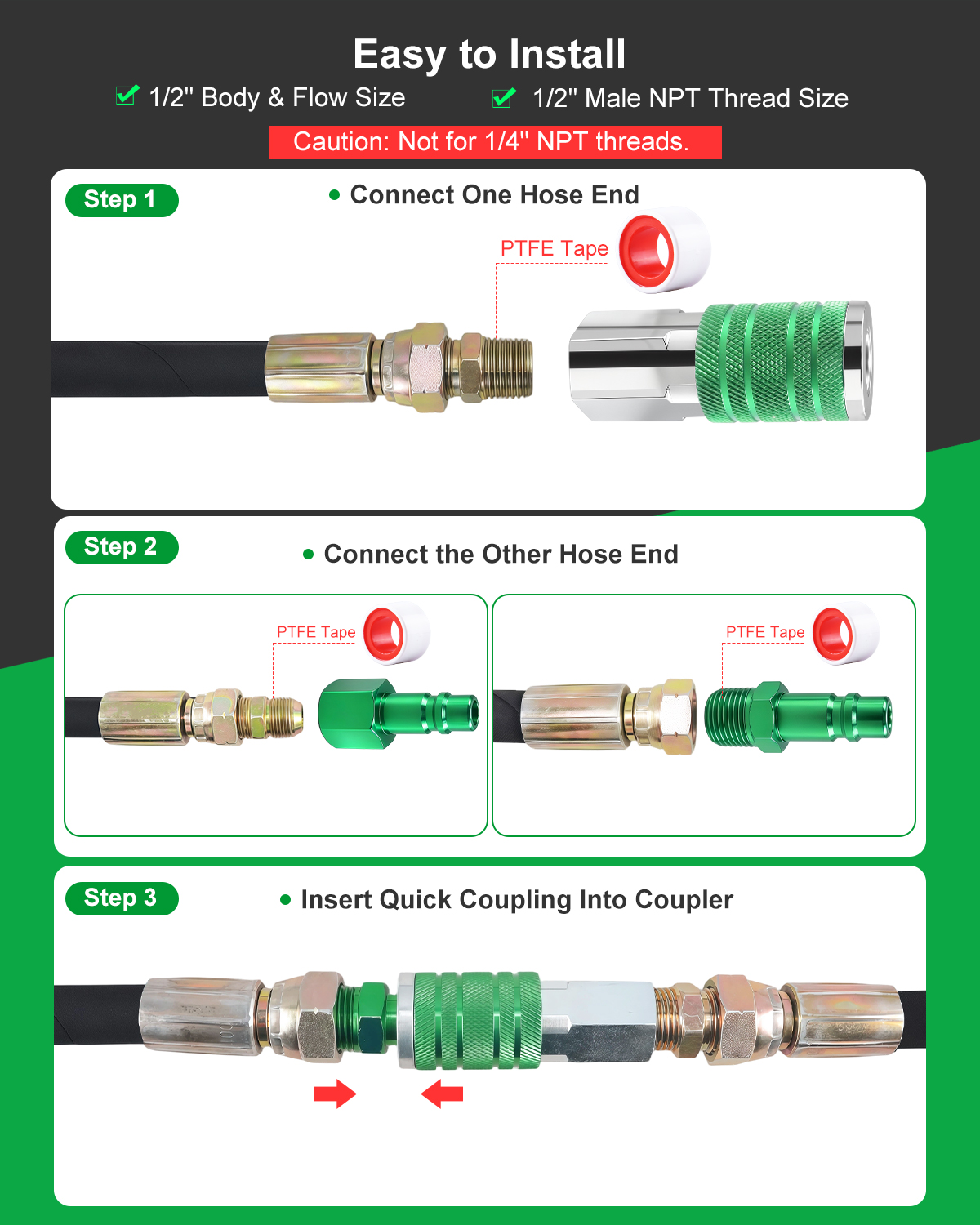
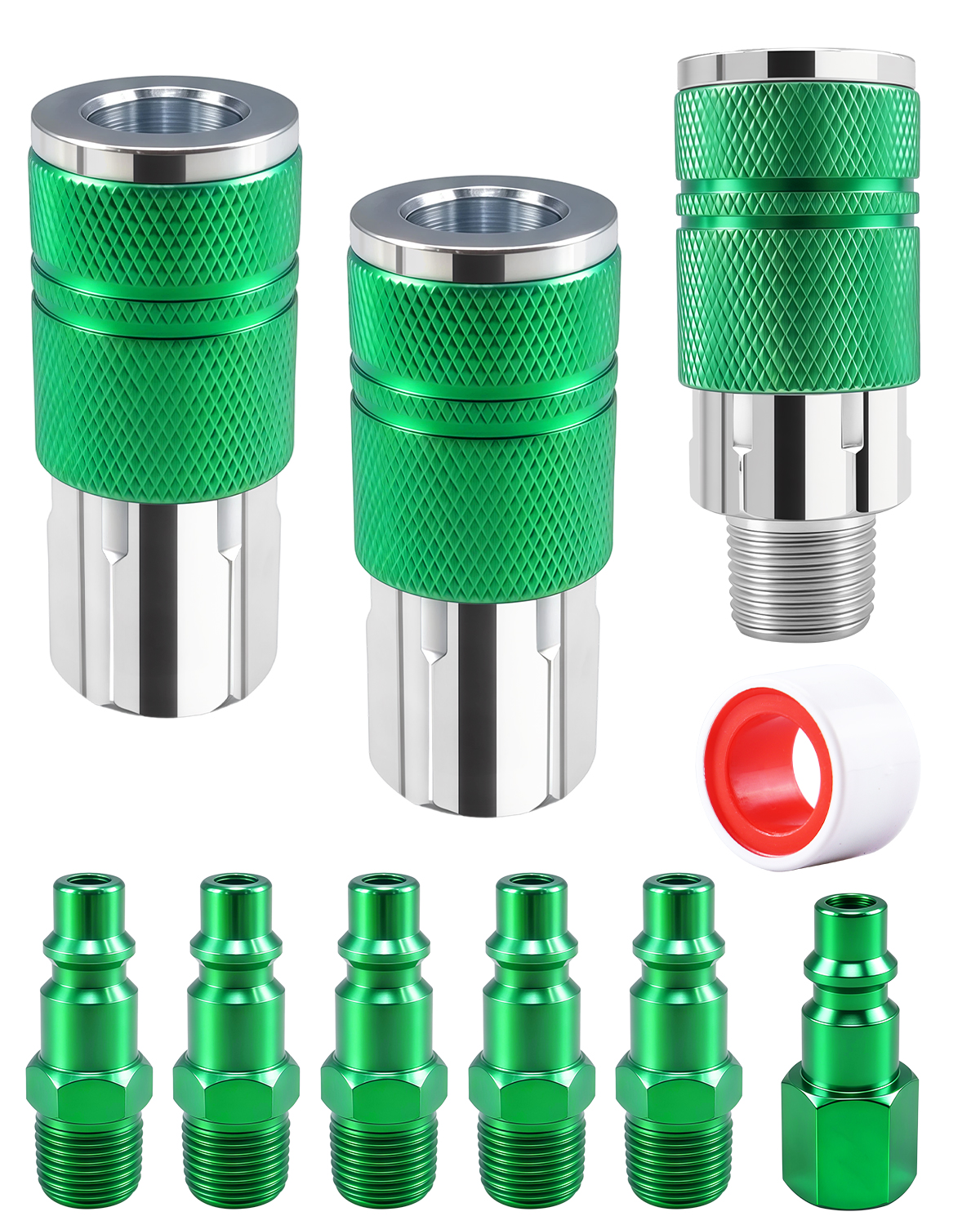
For engineers and sourcing teams, the real decision is not whether an air fitting is a small part. It is whether that small part can hold up in everyday use, maintain a secure connection, and fit naturally into the rest of the pneumatic setup. The visible product details point to an all-metal compressed-air connector with a 300 PSI pressure claim, a knurled green grip, and a wrench-friendly body. Those are practical features, not decoration.
What this type of fitting is meant to solve
Air systems fail in inconvenient ways. A hose connection can work loose. A coupler can leak just enough to be ignored, which is usually how it stays hidden until the compressor runs longer than it should. A tool can lose pressure at the worst moment, and the blame often falls on the compressor when the real issue is a tired connector.
An air hose connector like this is meant to provide a safe, leak-free air connection between a compressor hose, shop line, or pneumatic tool. That is the core job. Everything else—body shape, grip texture, metal finish, thread end, and pressure capability—supports that basic function. If a buyer is evaluating replacement parts, that is the frame to use. The fitting is not just a connector; it is a control point for reliability.
Quick takeaways for buyers
Based on the visible product information, a few points stand out immediately:
It is an all-metal fitting, which usually matters in shop environments where plastic-bodied parts can feel too light for rough use.
It is shown with a pressure rating of up to 300 PSI, which gives it a stronger-use profile than many light-duty air accessories.
The green knurled sleeve suggests the part is designed for easier handling during installation or connection changes.
The lower female threaded opening and faceted body indicate a component intended to be secured with tools, not just hand-tightened and forgotten.
One caution, though: the visible image does not confirm the exact connector standard, thread size, or sealing method. That means compatibility still has to be checked against the existing hose, tool, or manifold before purchase. Skipping that step is how simple replacement jobs turn into returns.
Why all-metal construction matters in compressed air work
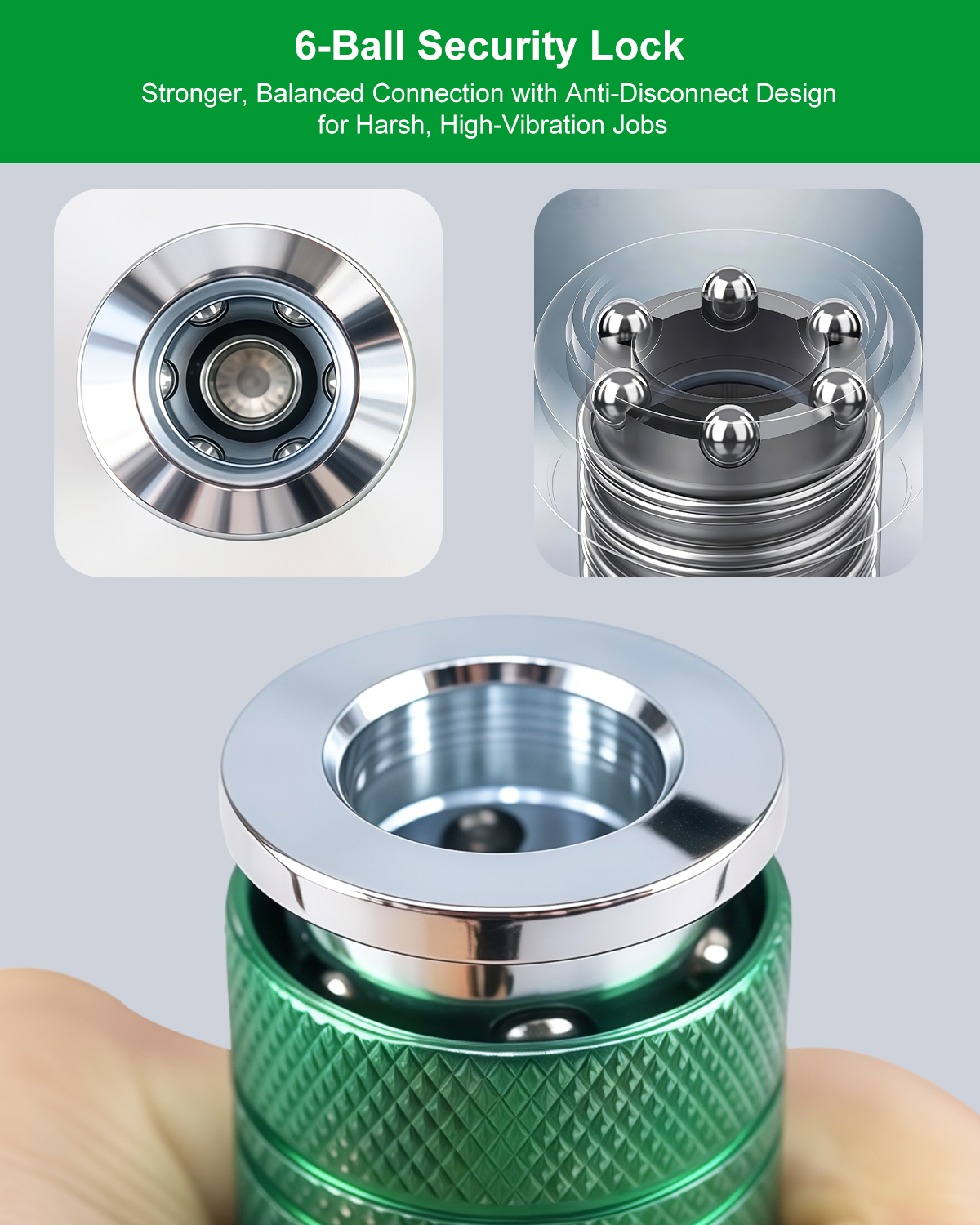
Metal fittings tend to earn their place in pneumatic systems because air lines see vibration, repeated connection cycles, and occasional abuse. Hoses get dragged across floors. Tools are dropped. Operators grab fittings with oily hands or gloves. In that setting, a rigid all-metal body often gives buyers more confidence than a mixed-material part, especially where the connection will be handled often.
The visible chrome-like lower body and hex-shaped wrenching surfaces suggest a design made for installation and service, not just appearance. That matters in maintenance-heavy environments. A fitting that can be tightened cleanly and removed without mangling the body is easier to live with over time. The green sleeve is a small but useful detail as well; textured grip surfaces are often there because someone, somewhere, had to reconnect a line quickly.
Still, metal alone does not guarantee a good seal. Buyers should remember that the sealing performance depends on the whole system: thread engagement, mating component quality, and whether the fitting is being used within its intended pressure range. A sturdy body cannot compensate for the wrong thread or a damaged seat.
Where a 300 PSI rating fits in real use
The visible claim of up to 300 PSI puts this fitting into a more demanding category than basic low-pressure shop accessories. In practical terms, that gives it room for many compressed-air tasks used in shops, fabrication bays, and general industrial maintenance. It does not, however, mean every installation will automatically run at that limit. The safe working pressure of the full assembly still depends on the hose, coupler, tool, and system design.
That distinction matters. Buyers sometimes focus on the highest visible number and ignore the rest of the chain. If one component is rated generously but another is not, the system is only as strong as the weakest link. In procurement terms, it is better to match the fitting’s capacity to the actual application than to buy on pressure alone.
Selection criteria that matter more than marketing copy
For a pneumatic fitting, the first screening questions are usually the most useful:
What exact connector standard does the system use?
What thread size is required?
Is the application a hose end, tool end, compressor outlet, or adapter point?
Will the fitting be connected and disconnected often?
Does the environment involve oil mist, vibration, or rough handling?
The product details available here do not specify the standard or thread dimensions, so the buyer needs to verify those against the existing assembly. That is especially important in mixed fleets, where different tools or hose assemblies may already use different connection types. In a plant or service operation, one mismatched part can quietly create a bottleneck across an entire bench.
Material and grip also belong in the selection process. An all-metal body is often preferred for durability, while a textured sleeve can make repeated connections less awkward. These are not glamorous features, but they affect how the part is used every day. That is usually where the value shows up.
Common mistakes when choosing an air fitting
Assuming all air connectors are interchangeable
They are not. Even when two parts look close in size, the thread form, connector profile, or sealing arrangement can differ enough to cause leaks or incompatibility.
Buying by pressure rating alone
A 300 PSI claim is helpful, but only if the rest of the assembly supports it. A higher-rated fitting cannot fix a poor hose selection or an improper connection standard.
Ignoring the service environment
Workshop floors, handheld tools, mobile service rigs, and production lines all treat fittings differently. A part that seems adequate on a bench may feel underbuilt once it is used all day.
Overlooking maintenance convenience
Small design details, like a wrenchable body or grip sleeve, affect installation and replacement time. That matters when a technician has to swap a part quickly and get the system back online.
How this kind of fitting supports system reliability
In pneumatic systems, reliability often depends on boring consistency. The best fitting is usually the one that disappears into the job: it connects cleanly, holds pressure, and does not demand attention. A leak-free air connection reduces wasted compressor output and helps maintain stable tool performance. That can support cleaner operations, fewer interruptions, and less troubleshooting time for maintenance staff.
The GODESON air fitting appears designed around that idea. The all-metal body suggests durability. The visible grip surfaces suggest practical handling. The 300 PSI claim suggests a part intended for serious compressed-air use rather than casual bench testing. If those features align with the buyer’s actual connector requirements, it is the kind of part that can make a maintenance issue go away instead of returning next week.
Practical buyer advice before ordering
Before placing an order, confirm the mating end, thread size, and exact application point in the air system. If the fitting will be used on a compressor hose, tool line, or stationary shop air hookup, check the existing hardware rather than relying on appearance. If there is any uncertainty, compare the current part to the product drawing or specification sheet before installation.
It is also worth deciding whether this is a replacement part or an upgrade. If the current fitting leaks, sticks, or wears quickly, an all-metal option may be the more durable route. If the system is already standardized and working well, consistency may matter more than changing to a different style. In procurement, that is often the better answer: don’t make a swap just because a part looks sturdier on paper.
FAQ
Is this fitting suitable for high-pressure air use?
The visible product information says it withstands pressures of up to 300 PSI, but the full assembly still has to be checked for compatibility.
Does it look like a quick-connect fitting?
It could be a coupler, plug, or adapter in a compressed-air system. The image does not confirm the exact connector style.
What should buyers verify first?
The connector standard, thread dimensions, and mating component compatibility should be confirmed before purchase.
Why choose all-metal construction?
Metal construction often holds up better in demanding workshop and industrial air applications, especially where parts are handled frequently.
Next step for sourcing teams and technicians
If you are evaluating the GODESON air fitting for a shop, tool cart, or pneumatic replacement job, treat it as a functional component first and a product listing second. Match the connection standard, confirm the thread, and make sure the pressure capability fits the system. Once those basics are right, the value of an all-metal, leak-resistant air connector becomes much easier to see.
For buyers comparing options, the real question is simple: does this fitting give you a more dependable air connection with less maintenance trouble? If the answer is yes after the compatibility check, that is usually the right reason to choose it.