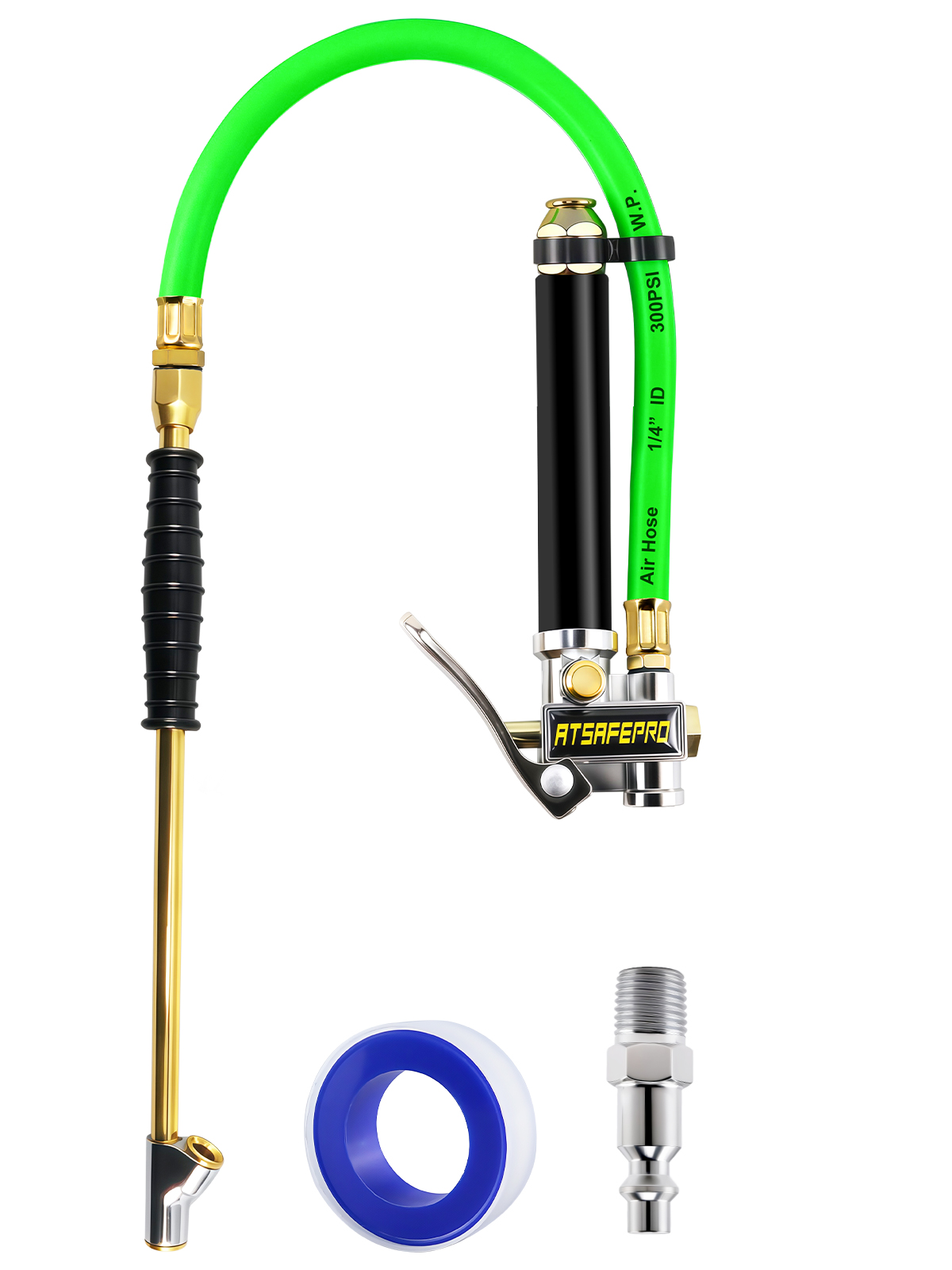
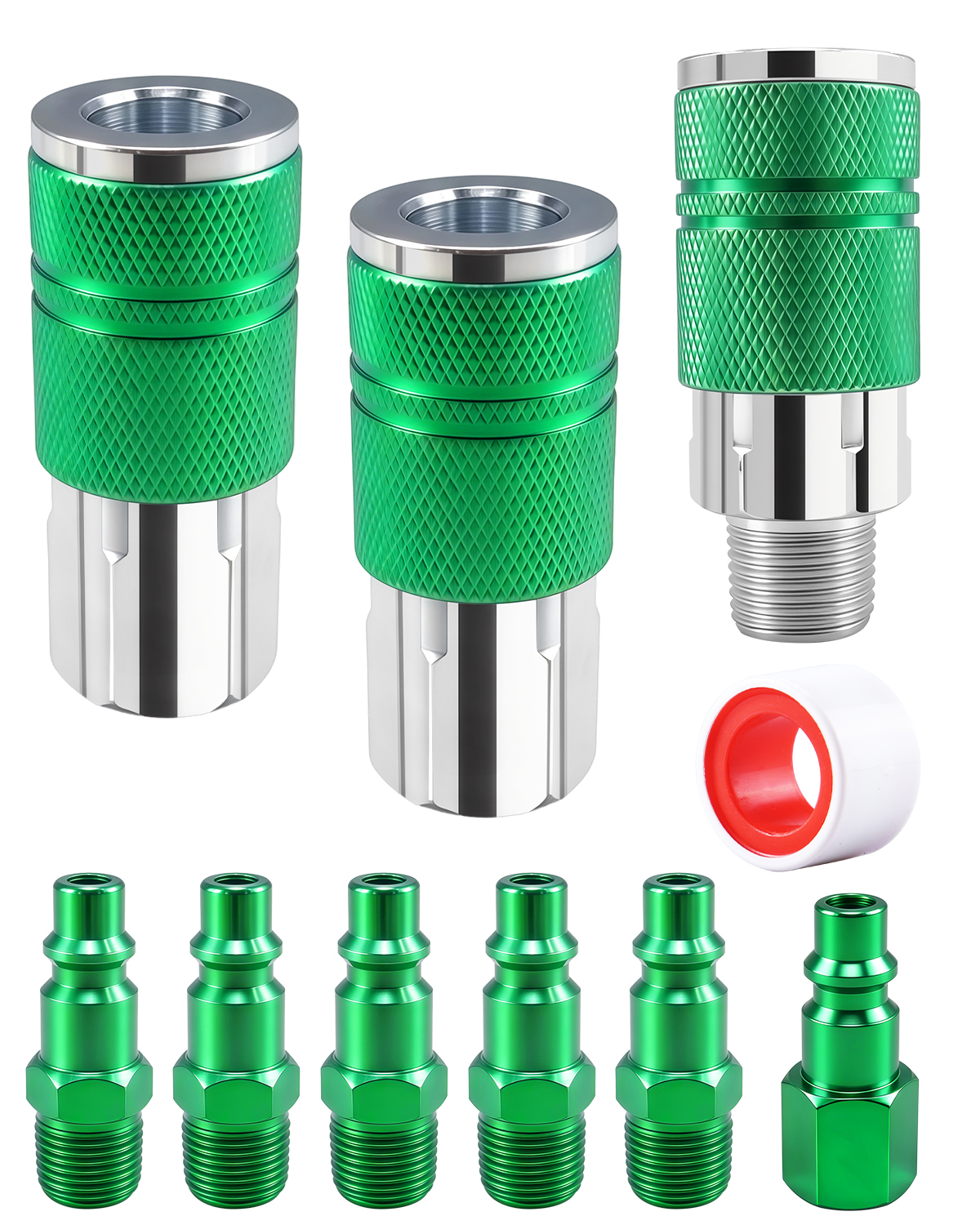
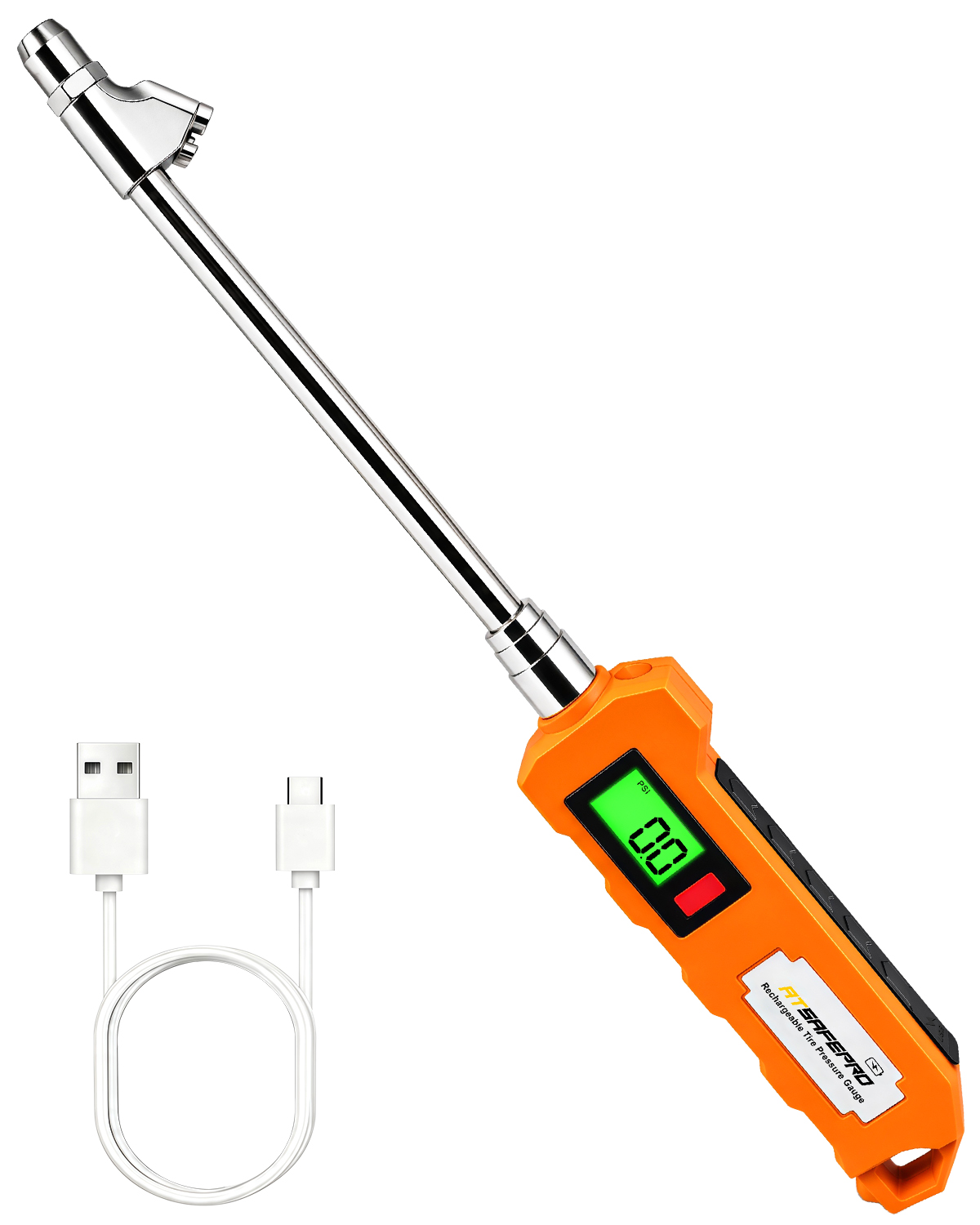
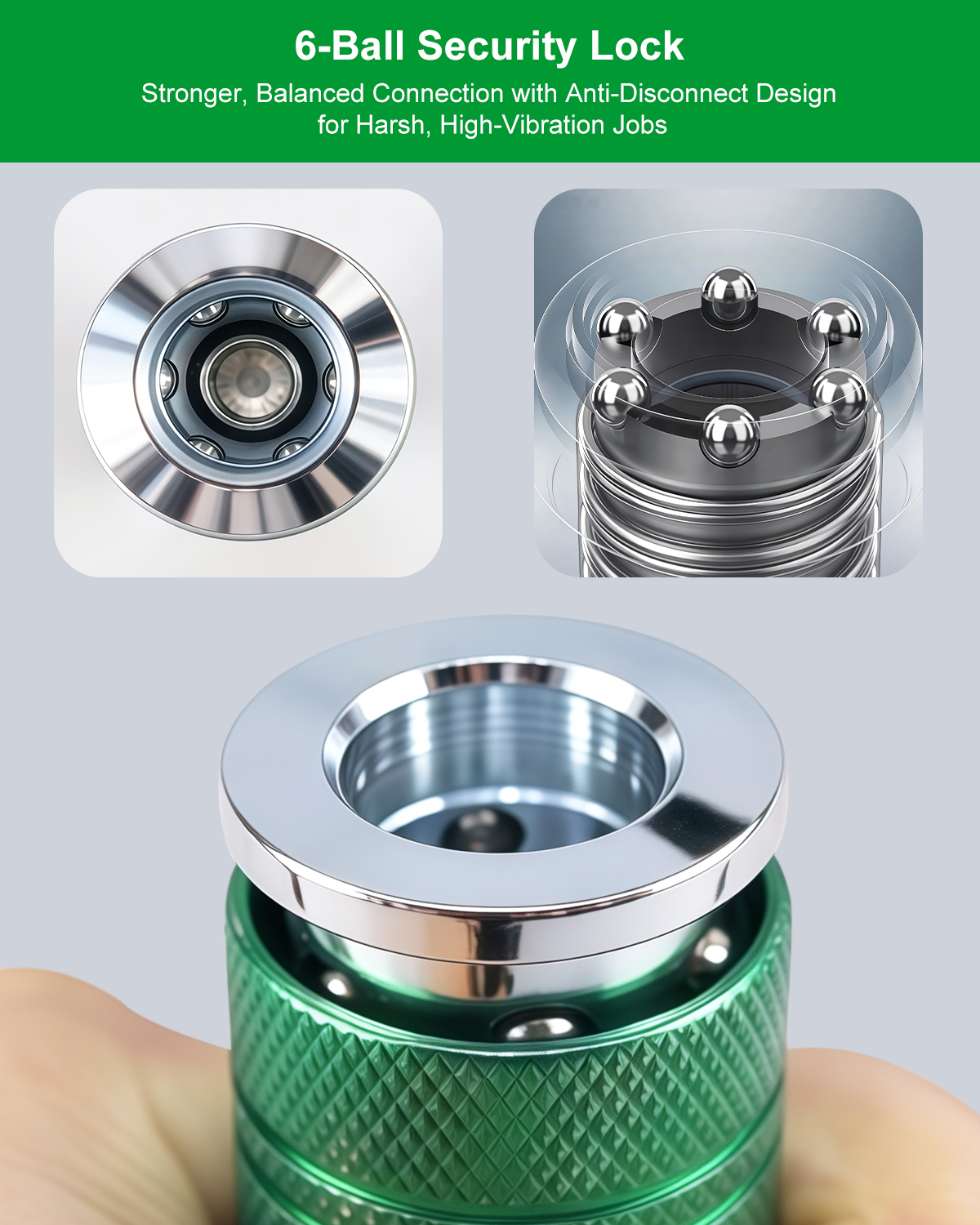
What an ATsafepro tire pressure gauge solves for shop and fleet users
An ATsafepro tire pressure gauge sits in a very practical corner of automotive tooling: it is not just a dial for reading pressure, but a hose-and-chuck assembly that helps the operator check and often manage inflation in one motion. For anyone working on passenger cars, motorcycles, light trucks, or shop equipment, that matters because tire pressure is rarely a standalone measurement. It is part of a workflow. You check it, correct it, and move on without losing time swapping between tools.
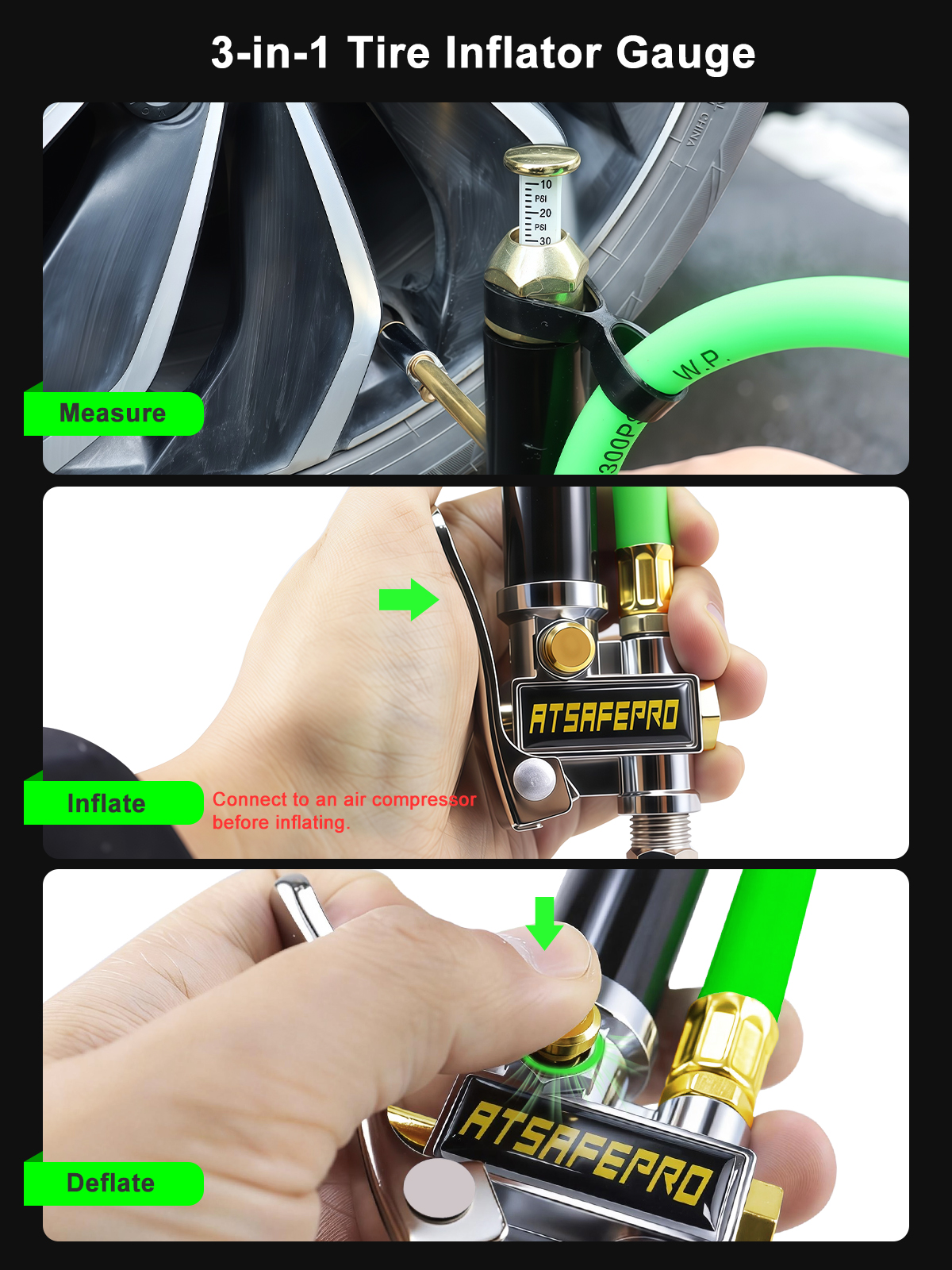
That is the basic search intent behind this kind of product. Buyers are usually trying to decide whether an analog tire pressure gauge with an attached air hose is the right fit for a garage, service bay, or maintenance truck. The answer depends less on brand rhetoric and more on the tool’s physical layout, pressure range, legibility, and how comfortably it connects to real-world valve stems and air lines.
Quick take: where this style of gauge makes sense
The visible design cues on the ATsafepro tire pressure gauge point to a straightforward industrial accessory rather than a delicate handheld instrument. The black flexible hose gives reach, the chrome-plated metal fittings suggest a mechanically robust assembly, and the rubber bumper around the gauge face is there for the knocks that happen on a concrete floor. In a shop, that is not cosmetic. It is the difference between a tool that lasts and one that gets tossed after the first drop.
Its dual-scale dial, marked in psi and bar, is also a sensible detail for mixed-use environments. A technician may think in psi, while another user compares readings in bar. Having both on the same face reduces translation mistakes, which is a small thing until someone underinflates a customer’s tire by habit or overinflates a service vehicle that should have been checked to spec.
How this type of analog tire pressure gauge is built
Based on the visible structure, this tool is assembled from several familiar manufacturing elements: a mechanical gauge module, metal fittings, a molded or rubberized hose, and a hose-chuck end for valve access. The gauge body appears to use polished or chrome-plated metal components, while the bezel is wrapped with a protective black rubber guard. That combination is common in workshop tools because it balances durability with handling comfort.
The bottom connector looks like an inline fitting intended to mate with an air source or compressor line. In practical terms, that means the gauge can sit in the inflation path rather than acting as a standalone read-only device. For service bays, that setup can speed up routine tire work. You can measure pressure and continue inflating without breaking the connection. It is a workflow tool as much as a measuring tool.
The hose itself is black, flexible, and U-shaped in the product image. That matters more than many buyers expect. A stiff or short hose can make a simple valve check awkward, especially on wheels with deep rims or in tight wheel wells. A flexible hose helps when the operator needs a little slack between the valve stem and the compressor line. Not glamorous, but useful.
Why the dial format still has a place in 2026
Digital gauges get a lot of attention, but analog tire pressure gauges remain common in automotive and industrial settings for good reasons. They are quick to read, visually simple, and not dependent on batteries. In a service bay, that can be enough. A mechanic or fleet technician often wants a pressure reading that is immediately visible during inflation, without powering up a display or worrying about a dead cell in the tool drawer.
The ATsafepro tire pressure gauge appears to show a range up to about 150 psi and around 11 bar. That is a useful spread for general vehicle work, especially if the tool is being used across cars, motorcycles, small trucks, and shop equipment. It is worth noting, though, that pressure range alone does not tell the whole story. Buyers still need to consider actual reading precision, hose durability, and whether the chuck grips the valve securely enough for repeat use. Those details are often more important than the headline range.
Key features buyers should evaluate before ordering
1. Dial readability
The face appears black with white markings, which usually gives better contrast in a workshop than a glossy light dial. That said, analog readability is still dependent on glare, lighting, and how close the operator is standing. If the gauge will be used outdoors or in dim service lanes, buyers should think about whether the scale is easy to read at a glance.
2. Hose and chuck handling
The attached hose and chuck are what distinguish this style from a basic pocket gauge. This arrangement is especially useful when tire access is awkward or when pressure is being checked during inflation. A buyer should look at how the chuck seats on the valve stem, because even a durable gauge is frustrating if the chuck leaks or requires an awkward angle to engage.
3. Protection against drops
The rubber shroud around the bezel is not decoration. In a garage, tools get bumped, knocked off benches, and dragged across carts. A protected gauge body tends to survive that treatment better than an exposed one. It also makes the tool easier to grip with oily hands, though no one should pretend that rubber makes a tool immune to abuse.
4. Connection to air supply
The lower inline connector suggests compatibility with a compressor line or similar air source. That makes the tool more relevant for inflation work than for simple spot checks. Buyers should confirm that the connector format matches their existing shop air setup before placing a bulk order. This is one of those mundane compatibility issues that can slow a workbench down more than a missing feature list ever would.
Where this tool fits in real operating environments
In a repair shop, the ATsafepro tire pressure gauge style is most useful at the point of service: checking pressure before delivery, correcting underinflated tires, and moving between vehicles without changing tools. For fleet maintenance, the same design supports repetitive use where speed and consistency matter more than consumer packaging or premium styling.
For garages that service a mix of vehicle types, the dual-scale dial helps reduce confusion. For light trucks or utility equipment, the higher psi range is practical. For motorcycles and passenger cars, the hose-and-chuck format can be easier to manage than a rigid gauge body, especially when valve stems are tucked behind spokes or brake components.
There is a caveat worth stating plainly: an analog gauge is only as trustworthy as its condition and calibration over time. The product image does not provide calibration data, accuracy class, or a test standard. Buyers should not assume those details. If the gauge is going into a quality-sensitive workflow, it should be checked against a reference instrument on receipt and periodically thereafter.
Common buyer mistakes with hose-and-chuck tire gauges
One common mistake is treating every tire pressure gauge as if it were interchangeable. They are not. A gauge designed for quick inflation in a shop can behave very differently from a compact pencil gauge or a digital hand tool. The hose length, fitting style, and chuck type all affect usability in daily work.
Another mistake is ignoring the air-source connection. If the bottom fitting does not match existing compressor hardware, the tool may require adapters or extra handling. That sounds minor, but on a busy floor it becomes friction. The better buying decision is usually the one that fits the current setup cleanly, not the one with the most appealing faceplate.
A third issue is overvaluing the presence of a pressure scale while overlooking how the tool is actually held. Knurled grip sections are a good sign because they help with hand tightening and handling, especially with gloves. But grip alone does not replace ergonomic checking. If the hose pulls awkwardly or the chuck forces an odd wrist angle, the tool will slow people down.
Practical sourcing advice for B2B buyers
If you are sourcing this type of tool for a shop, maintenance team, or retail program, think beyond the item description. Ask how many units will be used daily, whether they need to survive shared use, and what kind of air connection is standard in the facility. A gauge used by one careful technician is a different buying problem than a gauge that will be passed around a fleet bay and stored on a cart.
It is also smart to define what “good enough” means before purchase. For some buyers, a clear dual-scale dial, protective bumper, and flexible hose are enough. For others, the deciding factors may be calibration documentation, the exact chuck style, or a specific working-pressure requirement. The product information provided here does not specify those finer points, so they should be confirmed directly rather than inferred.
Frequently asked questions
Is an analog tire pressure gauge still useful if digital models exist?
Yes. In many shop environments, analog gauges remain valuable because they are simple, fast, and battery-free. They are especially useful when the user wants a direct, continuous visual reading during inflation.
What does the attached hose add?
The hose improves reach and makes it easier to access valve stems in tighter positions. It also supports inflation workflows where the gauge stays inline with the air supply.
Why does the protective rubber guard matter?
It helps absorb minor impacts and protects the gauge face from routine shop handling. That does not make the tool indestructible, but it does improve its odds in a busy workspace.
What should buyers verify before ordering in volume?
Check connector compatibility, chuck behavior, the readability of the dial in your lighting conditions, and whether the tool’s pressure range suits the vehicles or equipment you service.
A sensible next step for teams comparing tire inflation tools
If your team needs a tire pressure gauge that combines measurement with inflation access, the ATsafepro tire pressure gauge design is worth a close look because it emphasizes the practical basics: analog readability, hose reach, metal fittings, and a protective outer bumper. Those are the details that matter in the field.
Before placing it on an approved tools list, compare it against your current air setup and your service routine. That is where the real decision sits. Not in the product photo, but in whether the gauge fits the way your technicians actually work.