From Commutes to Road Trips: Tire Safety Checks That Save Lives
The Importance of Tire Care for Every Journey
Tires are one of the most overlooked components of car safety, but they are directly responsible for vehicle stability, braking, and traction. Whether you're commuting to work or embarking on a long road trip, your tires are the first line of defense against accidents. In fact, the National Highway Traffic Safety Administration (NHTSA) reports that improperly inflated tires contribute to nearly 200 deaths and thousands of injuries each year. Proper tire maintenance can prevent these tragedies.
Regular tire checks are simple but essential actions that ensure your tires can perform when you need them most.
Tire Pressure: The Cornerstone of Road Safety
Maintaining proper tire pressure is critical for vehicle control. Underinflated tires increase rolling resistance, leading to poor fuel efficiency and sluggish handling, while overinflated tires reduce road contact and can increase the risk of a blowout. Both issues are especially dangerous during high-speed driving or on long trips.
Solution:
Performing regular checks with a digital tire pressure gauge is the first step to tire safety. A quick measurement before each road trip or every few weeks ensures that all four tires are properly inflated. A reliable gauge provides precise PSI readings, helping you avoid underinflation or overinflation without guessing.
Checking Tire Tread Depth: Avoid Hydroplaning and Poor Traction
Tire tread depth plays a significant role in maintaining traction, especially during wet or slippery conditions. Inadequate tread depth can lead to hydroplaning and loss of control, especially when driving at higher speeds on highways. Tread is often worn unevenly, and a quick check is essential to ensure safety before a long journey.
Solution:
A tread depth gauge tool helps determine whether your tires are in safe condition for travel. If the tread is worn down to 3mm or lower, it’s time to replace the tire. For drivers who frequently drive in rainy conditions, ensuring deeper tread grooves is critical for safe traction and braking performance.
Comparison Table: Tire Tread Depth vs Traction on Wet Roads
| Tread Depth | Stopping Distance (60 mph on wet road) | Risk Level |
|---|---|---|
| 6mm | ~180 ft | Low |
| 3mm | ~220 ft | Medium |
| 1.6mm | ~260 ft | High |
Checking Wheel Tightness: Prevent Dangerous Failures
Tires can fail due to improper mounting or loose lug nuts, which can lead to catastrophic accidents. Over time, lug nuts can loosen from vibrations or improper tightening. Especially during road trips, the continuous movement of the vehicle places additional strain on the tires and wheel assembly.
Solution:
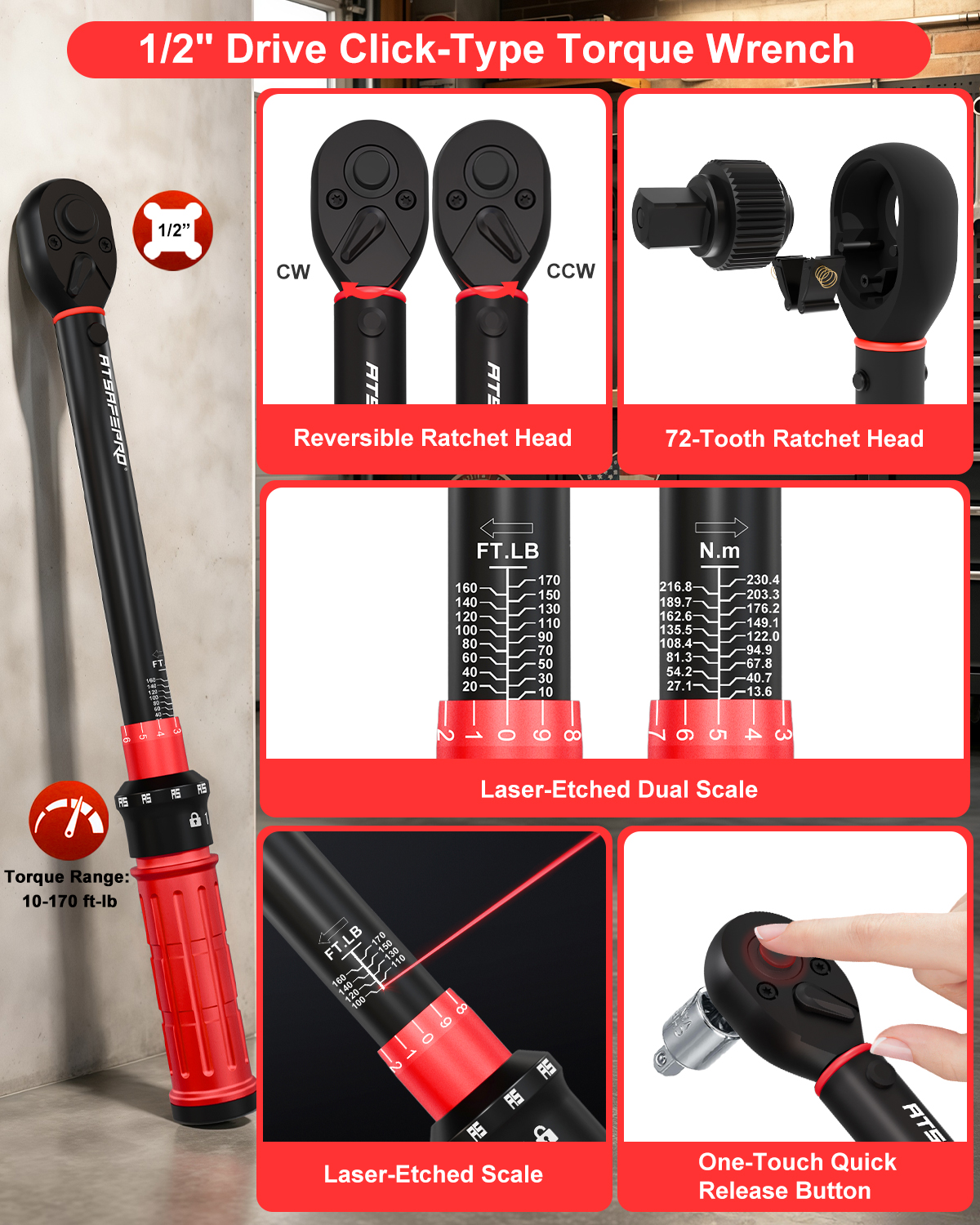
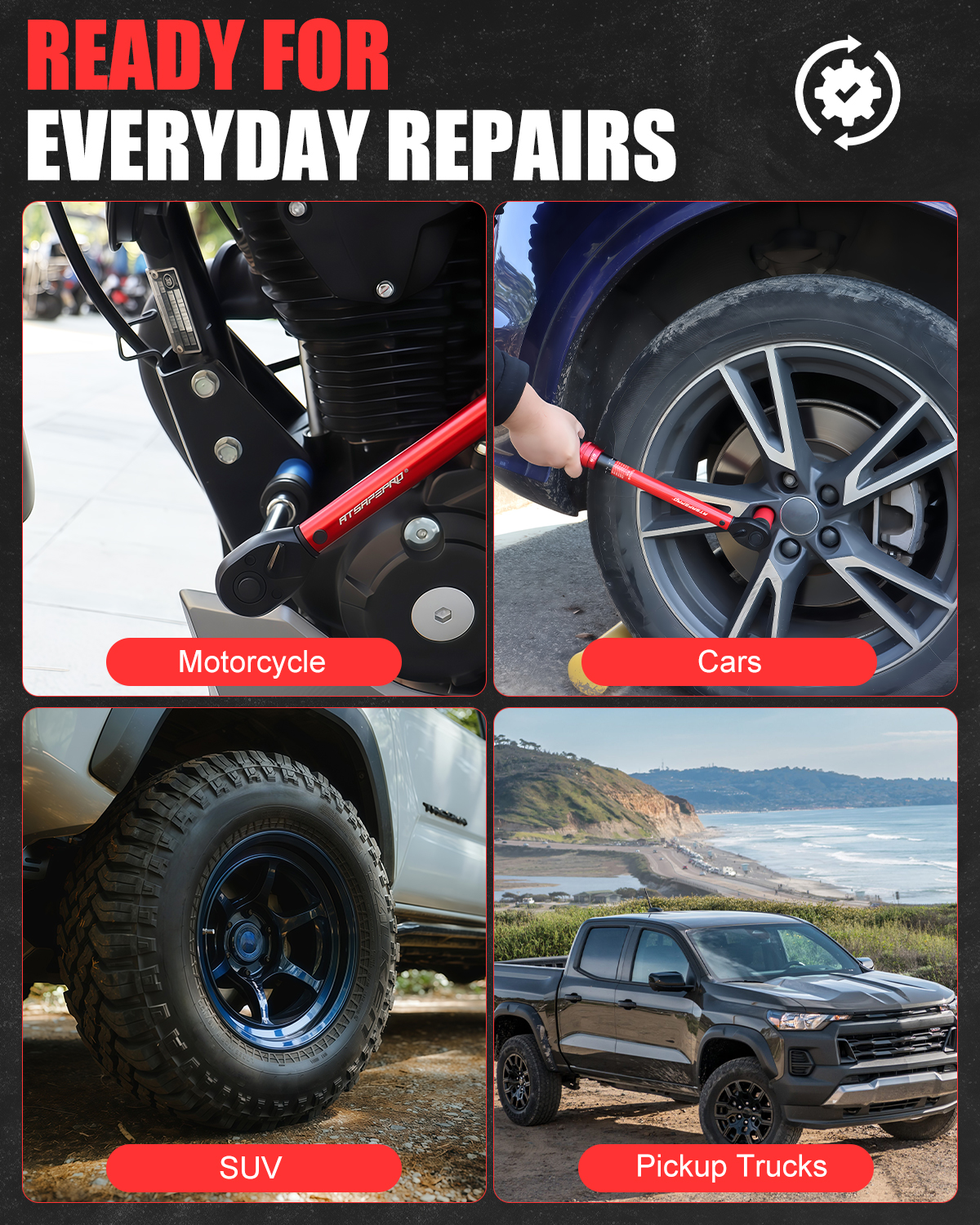
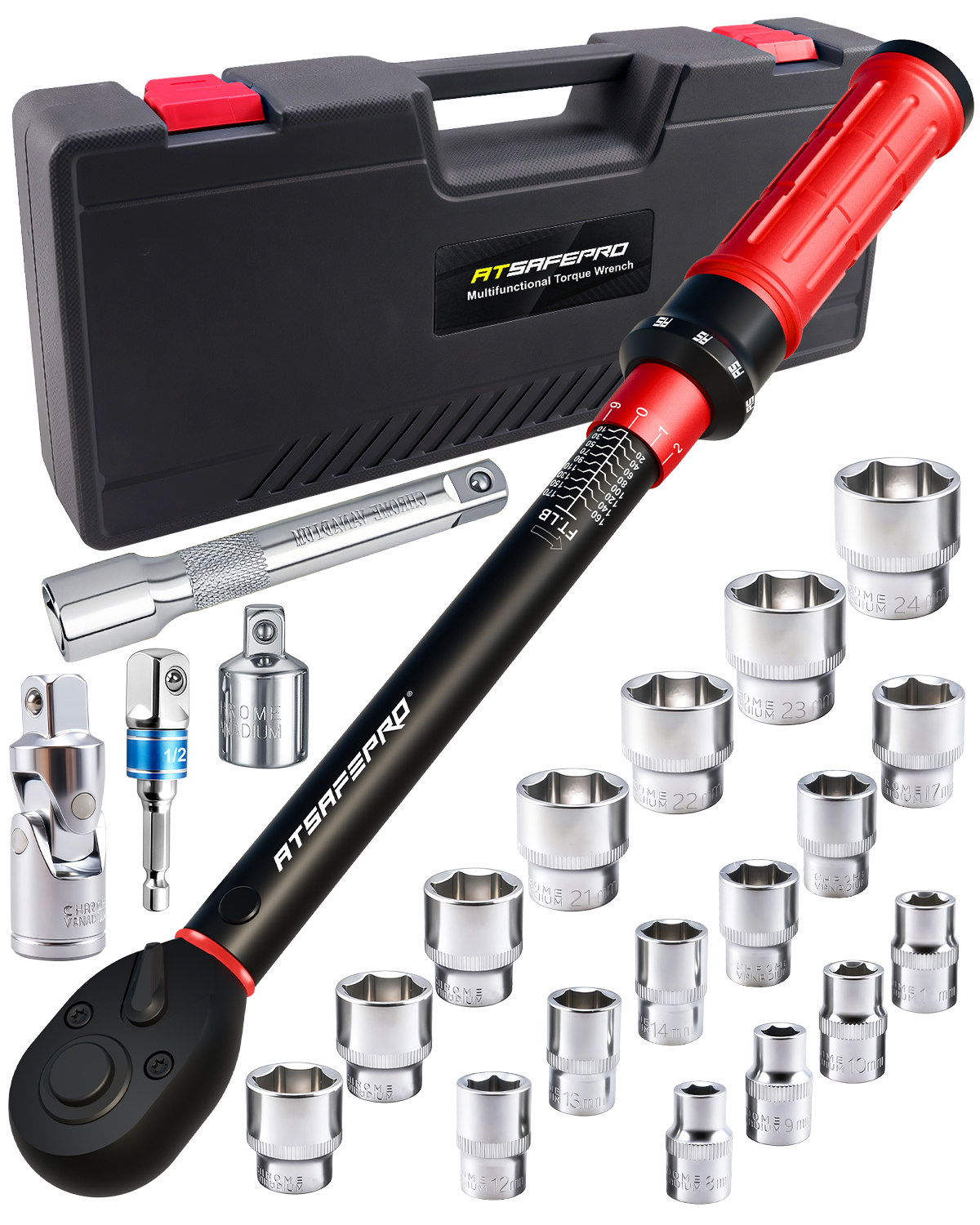
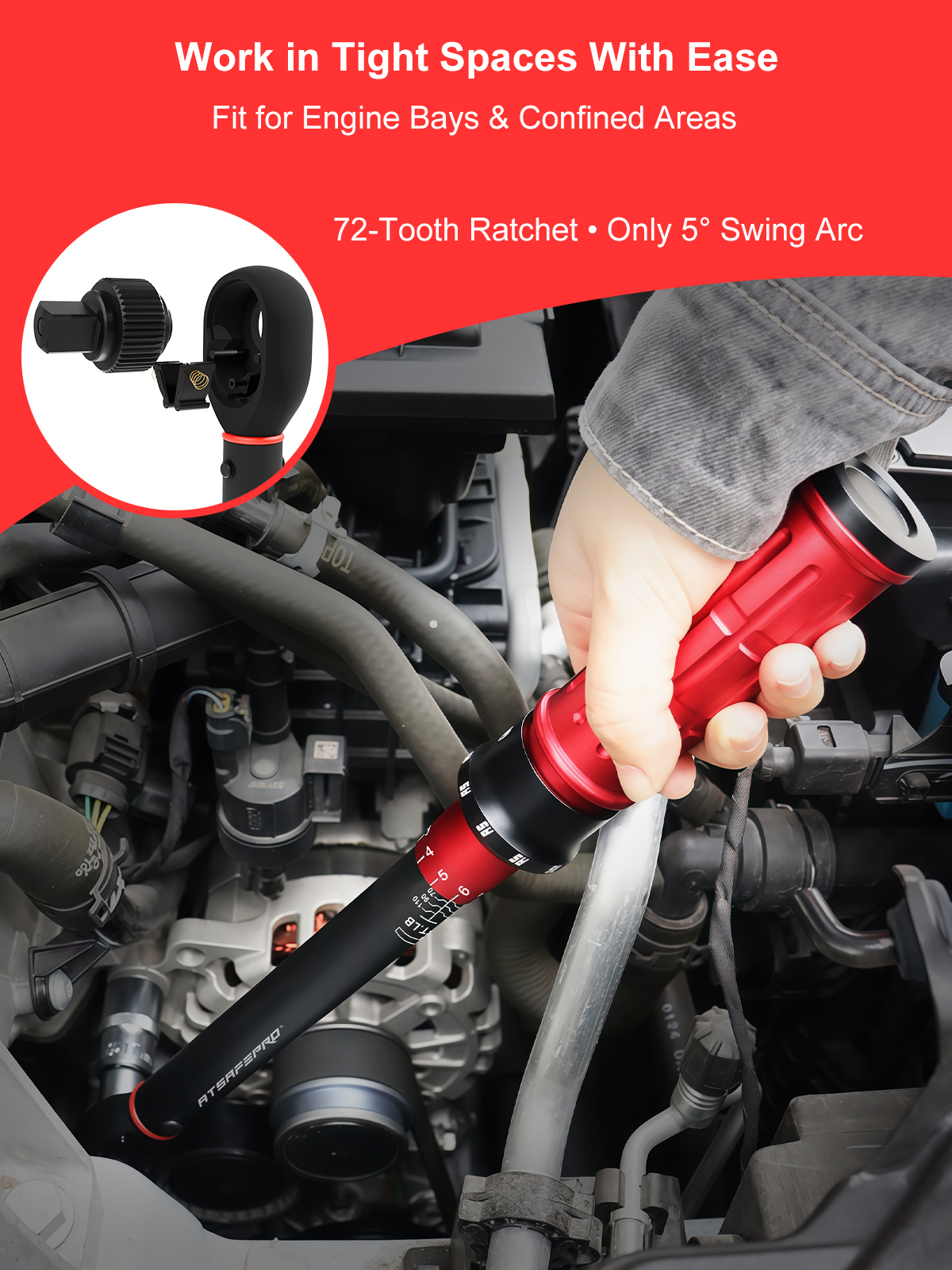
Using a torque wrench to properly tighten lug nuts ensures they stay in place throughout the drive. Regular checks during tire rotation or before long trips can prevent costly and dangerous failures.
Tire Maintenance for Road Trips: Be Prepared for the Unexpected
When you’re on a road trip, it’s crucial to be ready for the unexpected. Whether it’s a slow tire leak, a blowout, or an emergency stop, having the right tools can make a big difference in your safety and convenience.
Solution:
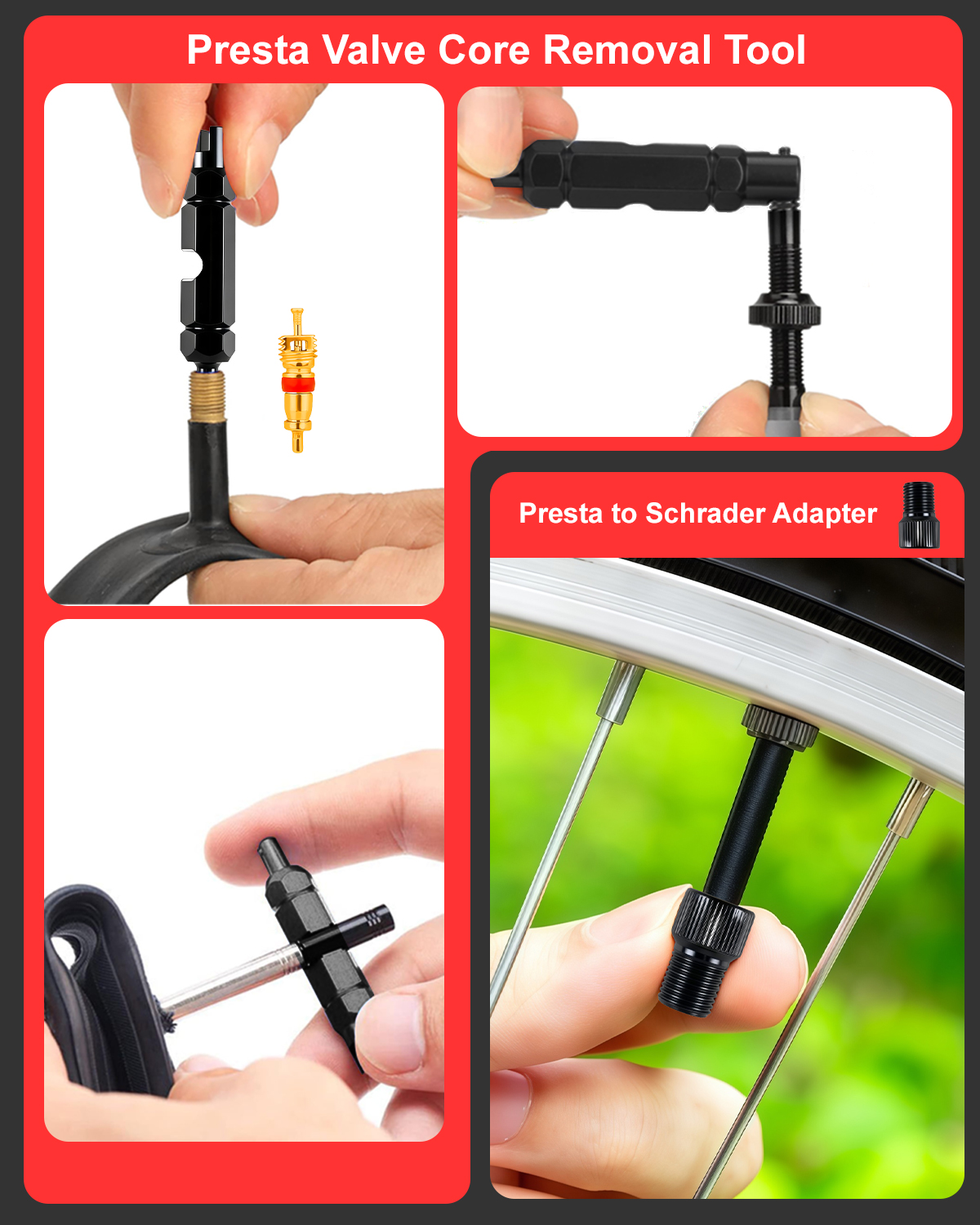
Carry a car tire maintenance kit, which includes a tire inflator with gauge and basic tire repair tools. If you encounter a small leak or flat tire, being able to inflate your tires and maintain safe pressure until you can get professional help will save you time and reduce your exposure to roadside dangers.
FAQ: Common Tire Maintenance Questions
Q1: How often should I check tire pressure?
For daily commuters, checking tire pressure monthly is sufficient. Before embarking on a road trip, always check tire pressure to ensure safe driving conditions.
Q2: How do I know when my tires need replacing?
If the tread is below 3mm or if you notice visible wear, cracks, or bulges, it’s time to replace your tires. Regular checks with a tread depth gauge will help you catch these issues early.
Regular Tire Care for Safer Journeys
Whether it’s a daily commute or a weekend getaway, taking time to check your tires can prevent accidents and save lives. Simple checks, like monitoring tire pressure with a digital tire pressure gauge, checking tread depth, tightening lug nuts, and keeping a tire inflator in the trunk, can make a life-saving difference.
For reliable tire maintenance tools and tips, visit the ATSAFEPRO homepage or contact us through the contact page. With the right tools and preparation, you can ensure a safer journey, no matter the distance.