


Night Driving Safety: How Proper Tire Care Prevents Accidents
Night Driving Challenges and Hidden Tire Risks
Night driving poses unique safety challenges: reduced visibility, longer reaction times, and driver fatigue. According to the National Safety Council, fatal crash rates are three times higher at night than during the day. Tires, often ignored in this discussion, play a direct role in controlling braking, steering, and stability. A sudden tire failure at night not only leaves drivers stranded in the dark but also dramatically increases accident severity.
For fleet operators, long-haul drivers, and everyday commuters, the condition of their tires directly determines whether night driving remains manageable or hazardous.
How Improper Tire Pressure Impacts Nighttime Control
Tire pressure is a technical factor with life-or-death implications. Underinflation increases rolling resistance, leading to poor fuel efficiency and sluggish handling, while overinflation reduces tire contact with the road, making braking distances longer. At night, when visibility is limited, these differences in control can be the margin between safety and disaster.
Solution:
Drivers should integrate weekly checks using a digital tire pressure gauge. Tools like the ATSAFEPRO tire pressure gauge offer precise PSI measurement, far beyond what built-in TPMS systems provide. For long-distance night trips, consistent monitoring ensures the vehicle responds predictably in emergencies.
Tread Depth: Essential for Wet and Dark Roads
Worn tread reduces grip, especially on wet surfaces where hydroplaning is common. A thin layer of water at night is often invisible, and drivers only realize the danger when the vehicle slides uncontrollably.
Solution:
Use a tread depth gauge tool to confirm tread depth remains above 3mm for safe night driving. This is particularly vital in rainy climates or during fall and winter seasons. Fleet operators planning cross-country transport can reduce accident claims significantly by making tread checks a mandatory part of night-driving preparation.
Comparison Table: Tread Depth vs Braking Distance in Wet Conditions
| Tread Depth | Stopping Distance (60 mph on wet road) | Risk Level |
|---|---|---|
| 6mm | ~200 ft | Low |
| 3mm | ~250 ft | Medium |
| 1.6mm | ~300+ ft | High (illegal in many regions) |
Data Source: Transport Research Laboratory (TRL), UK
Securing Wheels with Proper Torque Applications
Loose or improperly tightened lug nuts create vibration and potential wheel detachment—an accident scenario more catastrophic at night. Professional repair shops use torque specifications to secure wheels safely, yet many private drivers rely on guesswork.
Solution:
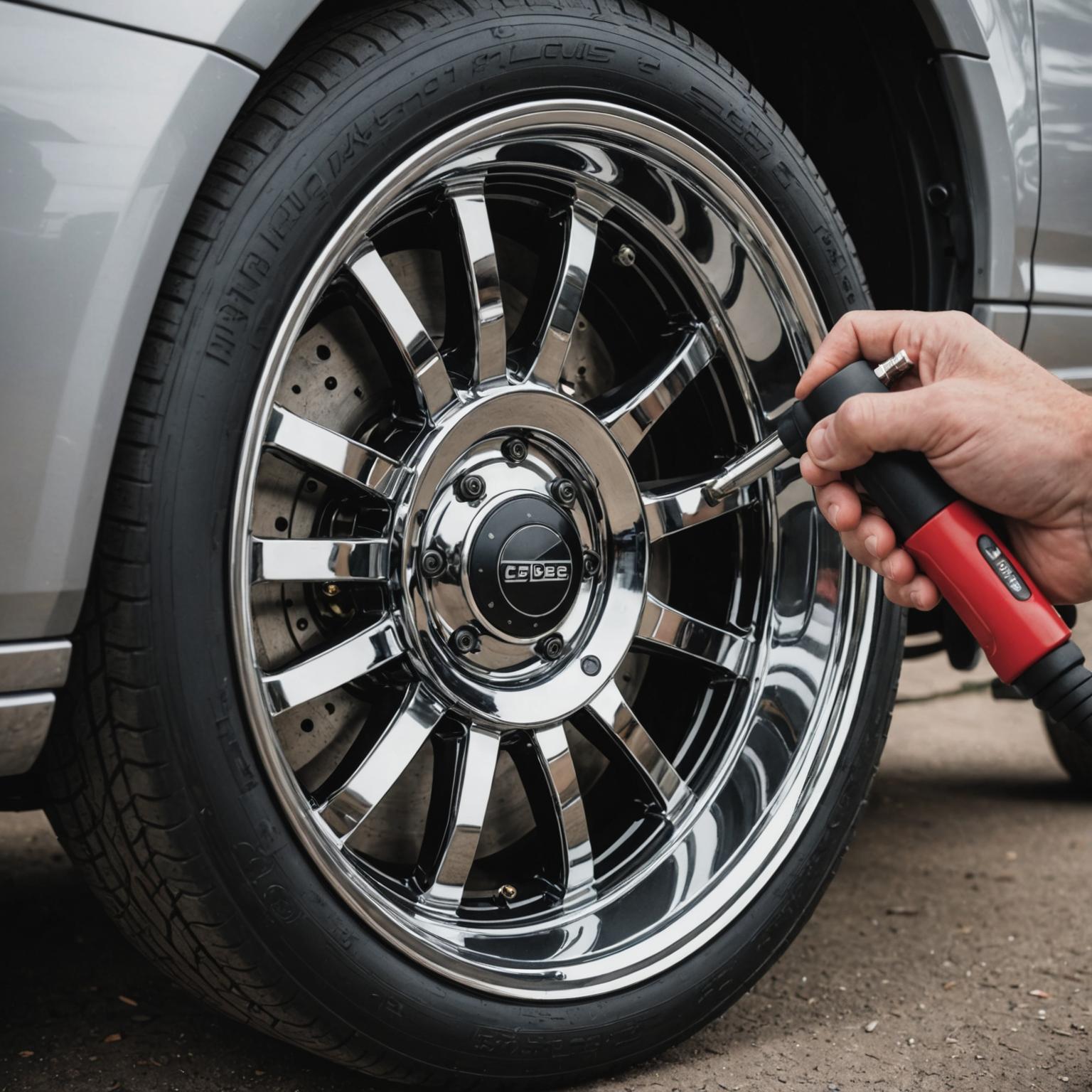
An torque wrench ensures wheel nuts are tightened to manufacturer standards. This precision prevents structural damage and maintains stability during high-speed nighttime driving. For heavy vehicles or those towing loads, torque accuracy is non-negotiable.
Emergency Readiness: Tire Inflators for Roadside Incidents
Imagine a late-night highway blowout or slow leak. Waiting for assistance on an unlit road is risky. A portable tire inflator with gauge empowers drivers to restore pressure quickly, making it to the nearest safe location. Combined with a car tire maintenance kit, this tool transforms a potential roadside emergency into a manageable stop.
Scenario Suggestion:
-
Commuters: keep a compact inflator in the trunk for unexpected leaks.
-
Logistics companies: equip fleets with inflators to minimize downtime during night deliveries.
-
Families: carry inflators for safer night road trips, reducing exposure to roadside hazards.
Comprehensive Tire Care for Safer Nights
Night driving magnifies every weakness in a vehicle’s tires. From pressure stability to tread grip and secure mounting, each element plays a decisive role in preventing accidents. Drivers who use precision tools—such as the digital tire pressure gauge, tread depth gauge, torque wrench, and tire inflator with gauge—gain confidence that their vehicle will perform reliably in the dark.
For professional fleets, family cars, or solo commuters, tire care is not just maintenance—it is an investment in safety. Learn more about tire solutions at the ATSAFEPRO homepage or connect directly through our contact page. With the right preparation, every night journey can be completed safely.





