Home Tire Maintenance Tips: Keep Your Vehicle Safe Without Leaving the Driveway
Why Home Tire Care Shouldn’t Be Ignored
Tires are your only point of contact with the road, yet they are often overlooked until something goes wrong. Studies by the National Highway Traffic Safety Administration (NHTSA) show that 1 in 4 vehicles on the road has at least one underinflated tire, increasing blowout risks and reducing fuel efficiency by 11%. Regular at-home maintenance not only prevents accidents but also helps tires last thousands of miles longer. For families or commuters, this means fewer unexpected costs and safer trips.
Step 1: Pressure Checks That Save Fuel and Prevent Blowouts
Checking tire pressure at home takes less than five minutes but can dramatically improve safety and efficiency. Underinflated tires build excess heat, while overinflated ones reduce grip. According to Michelin, driving with tires even 5 PSI below recommended levels can shorten tire life by 20%.
-
How to Do It at Home: Use a digital tire gauge for accurate readings; analog models are often harder to read.
-
What to Do Next: If pressure is low, a portable inflator gun lets you adjust PSI instantly without a gas station stop.
-
Best Practice: Measure pressure once a month and before long trips. Always check when tires are “cold” (before driving).
Step 2: Tread Depth Monitoring for Safer Wet-Weather Driving
Tire tread grooves are designed to channel water away. Once they wear down, hydroplaning risk increases. Research shows that tires with tread less than 3 mm have a braking distance that is 36% longer on wet roads compared to new tires.
-
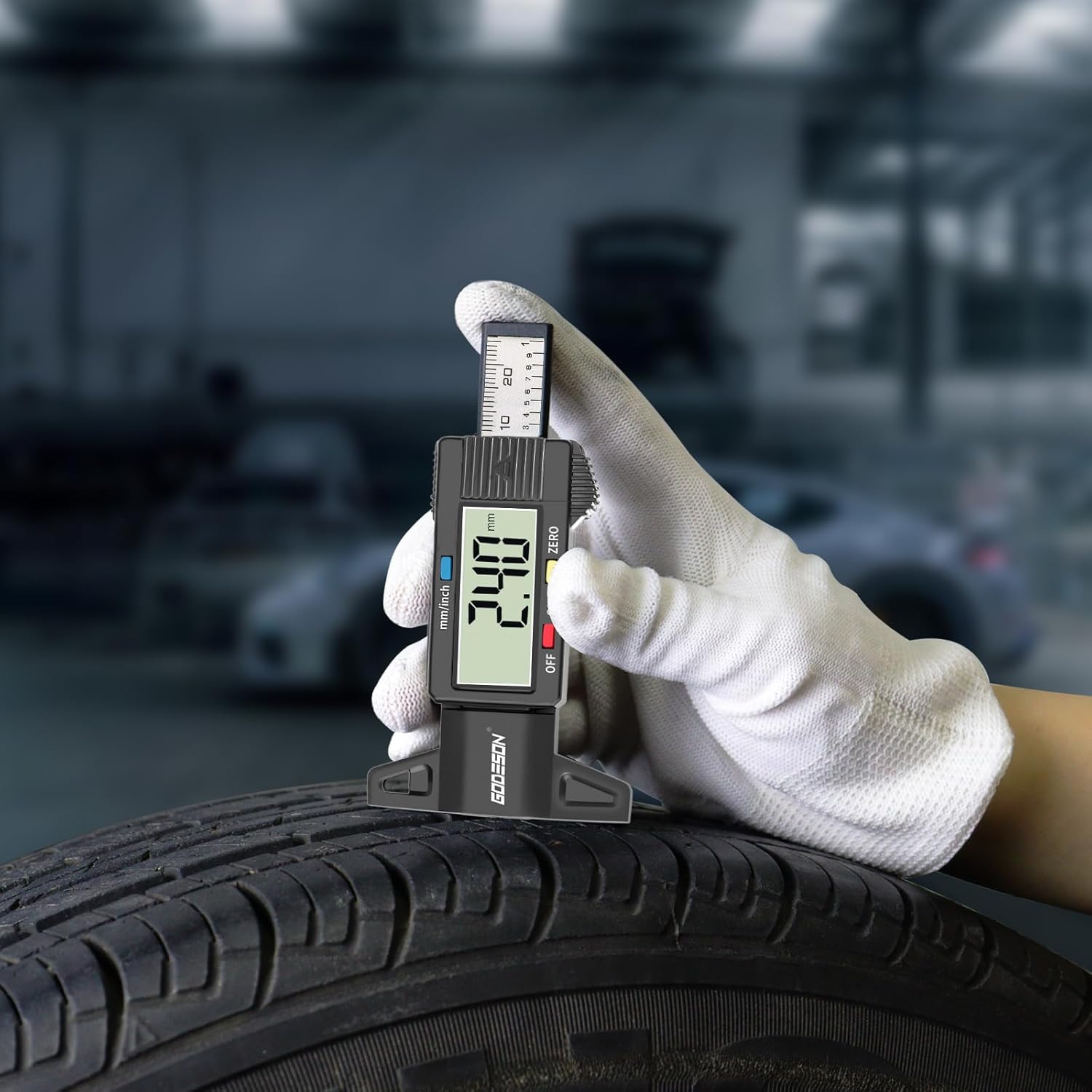
At-Home Tools: A tread depth gauge—digital or color-coded—is more reliable than the coin test.
-
Key Thresholds: Replace tires at 3–4 mm for wet climates, and never go below the legal minimum of 1.6 mm.
-
Practical Scenario: For rainy season commuters or parents driving kids daily, checking tread at home provides extra assurance.
Step 3: Spotting Damage Before It Becomes Dangerous
Sidewall cracks, bulges, and embedded objects are early warnings of tire failure. A monthly visual check in your driveway can catch problems before they turn into blowouts.
-
How to Inspect: Look at sidewalls for cracks or bubbles, run your hand gently across the tread to feel for sharp debris, and check for uneven wear (which may signal alignment issues).
-
Why It Matters: A small nail spotted early is a quick plug repair. Left undetected, it can destroy the tire at high speed.
Step 4: Adjusting for Seasonal Changes at Home
Tire performance changes with temperature. Hot summer pavement raises PSI, while winter cold reduces it. Even a 10°F change shifts tire pressure by 1 PSI.
-
Summer: Check before road trips, especially when carrying heavy loads, to avoid overheating.
-
Winter: Low PSI reduces traction on icy roads—regular inflator use prevents sliding risks.
-
Rainy Season: Combine tread checks with pressure adjustments to avoid hydroplaning.
Everyday Scenarios Where At-Home Maintenance Pays Off
-
Daily Commuters: Checking PSI every few weeks reduces fuel costs and ensures smoother handling.
-
Weekend Travelers: Confirming tread depth before a highway trip avoids sudden skids in rain.
-
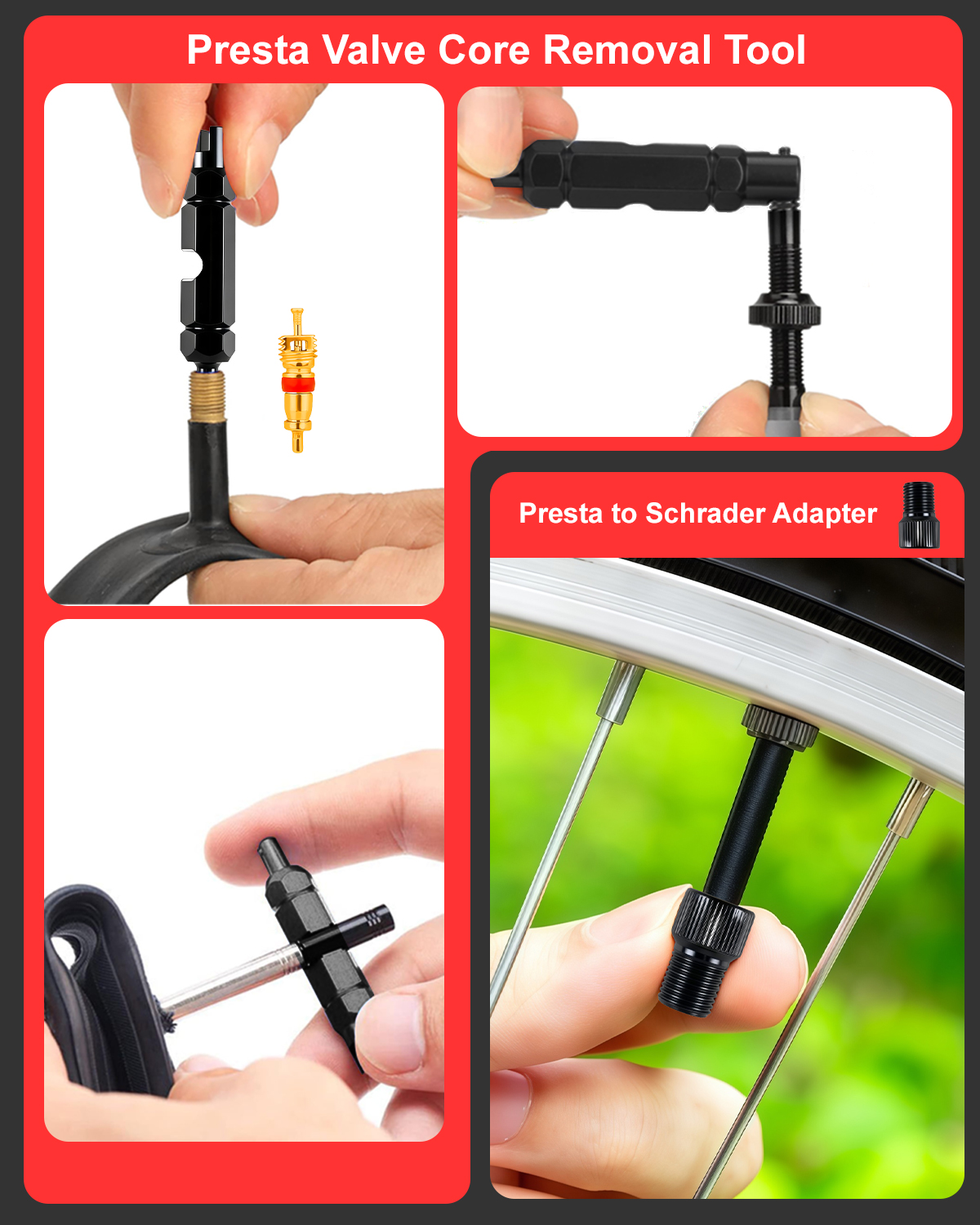
Cyclists and Motorbikes: Narrow tires are more sensitive to underinflation—digital gauges ensure precise stability.
-
Family Drivers: Prevents roadside emergencies when traveling with passengers, reducing stress and risk.
Why ATSAFEPRO Tools Make At-Home Maintenance Simple
-
Digital Gauges: Provide precise readings within ±0.5 PSI.
-
Inflator Guns: Compact, user-friendly devices for quick PSI adjustments.
-
Tread Depth Gauges: Easy-to-read digital and color-coded models for accurate monitoring.
-
Durable Design: Tools built for repeated home use, ensuring reliability season after season.
With these tools, anyone can perform essential checks at home—without needing professional help for routine care.
Keep Control of Your Safety from Your Driveway
Home tire maintenance is about taking control. Simple habits—checking pressure monthly, monitoring tread depth, and inspecting for damage—can prevent accidents, save money, and make every trip safer. You don’t need advanced skills; just the right tools and a consistent routine.
Explore ATSAFEPRO’s complete tire care range or reach out via Contact Us to choose the tools that keep your vehicle safe year-round.