The Essential Guide to Choosing the Right Torque Wrench
In the world of precision mechanics, whether you are a professional automotive technician or a dedicated DIY enthusiast, few tools are as critical as a reliable torque wrench. This specialized instrument is designed to apply a specific, predetermined amount of turning force, or torque, to a fastener such as a nut or bolt. Using one ensures that fasteners are tightened to the correct specification, preventing damage from over-tightening and ensuring safety and reliability by avoiding under-tightening. With various types available, the most common debate often centers on the choice between a traditional mechanical torque wrench and its modern digital counterpart. Understanding the unique characteristics of each is the first step toward making an informed decision for your toolkit.
The Enduring Reliability of the Mechanical Torque Wrench
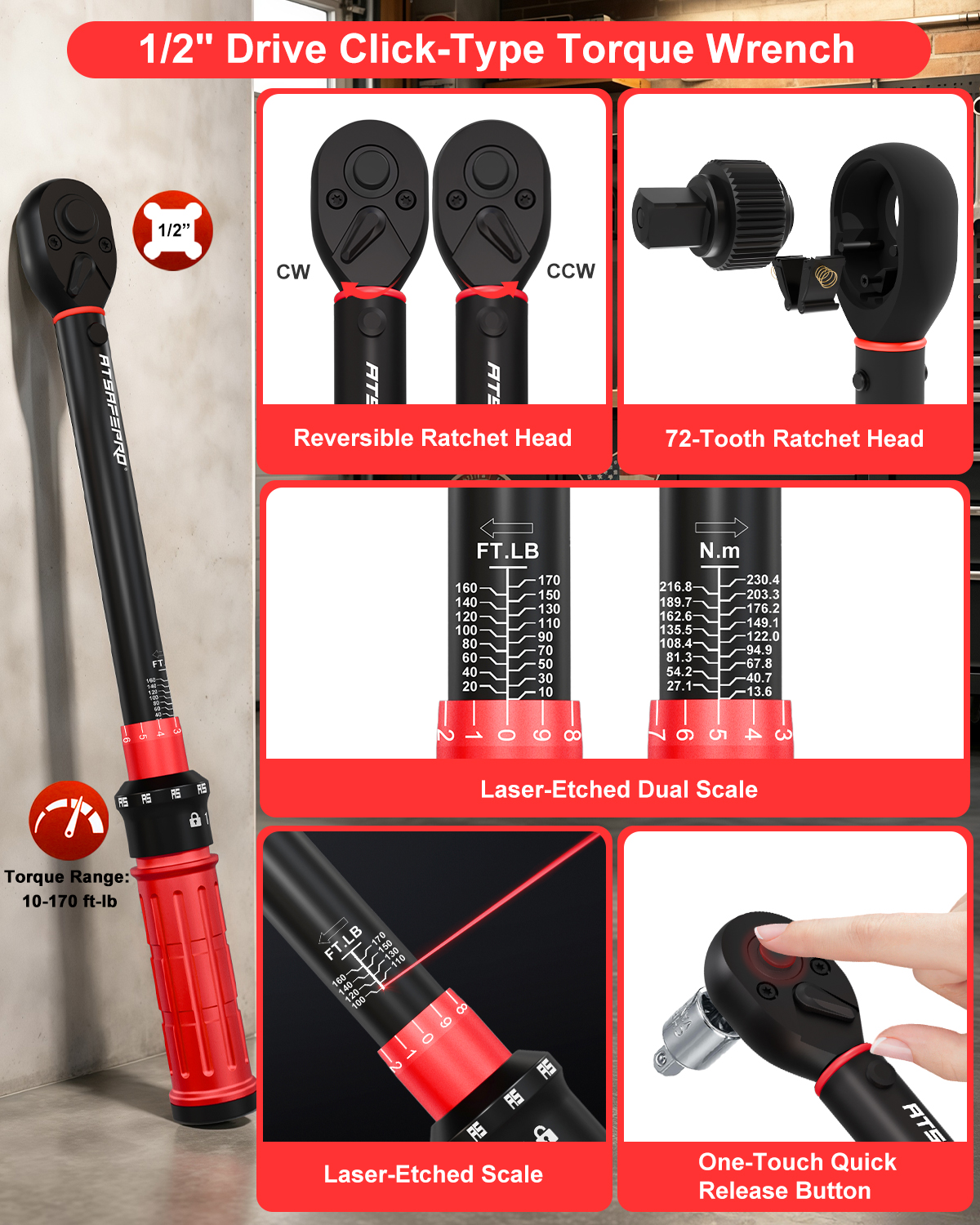
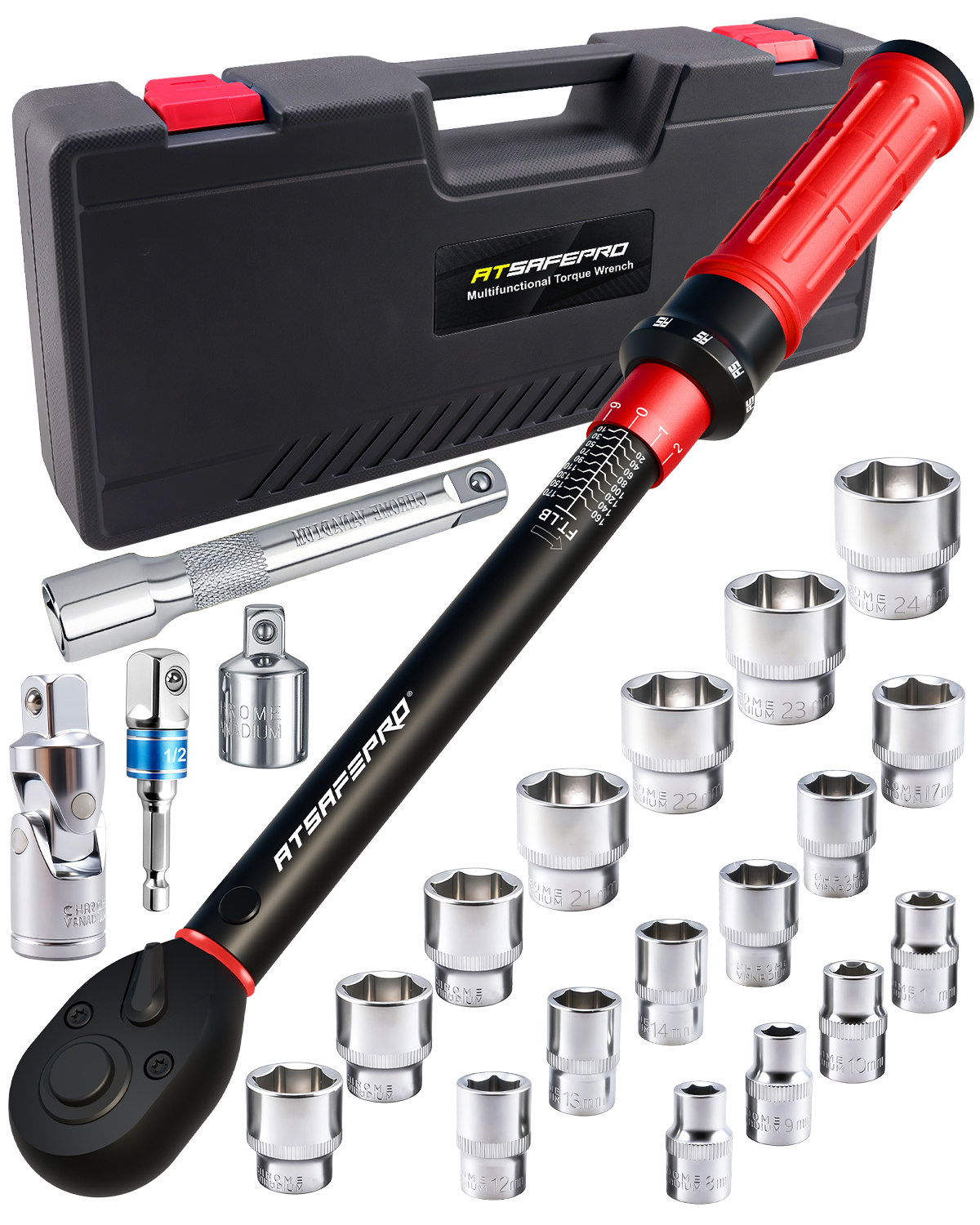
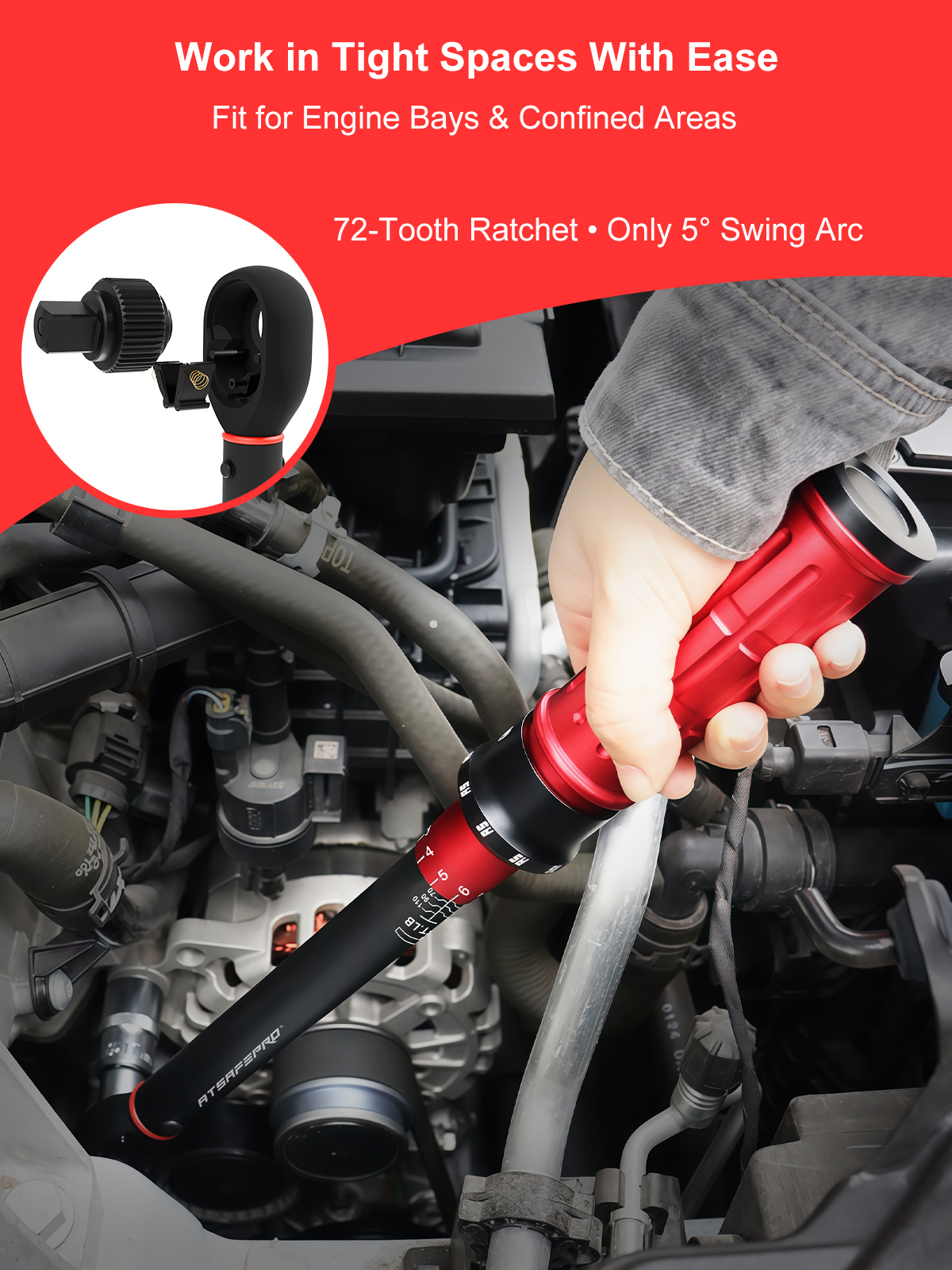
A mechanical torque wrench is often hailed for its durability, simplicity, and tactile feedback. These tools, most commonly of the click-type variety, operate on a calibrated clutch mechanism. As you apply force, the wrench will produce an audible and tangible 'click' once the preset torque value is reached, signaling you to stop tightening. This intuitive feedback system has made it a trusted staple in workshops for decades. They require no batteries, are generally more resistant to drops and harsh workshop environments, and provide a sense of direct connection to the work being performed. A prime example of innovation within this category is the ASTRO2PRO Dual-Range Torque Wrench. This tool showcases how modern engineering enhances a classic design. Crafted from premium materials, its sleek matte finish and ergonomic knurled handle provide a secure grip for confident handling. What truly sets it apart is its versatile dual-range functionality, offering a torque range of 20-240 inch-pounds or 2.3-27.1 Newton meters. This dual calibration, presented on precision laser-etched markings, ensures exceptional accuracy for a wide array of applications, from delicate engine components to robust assembly tasks, all within a compact 29.5 cm frame.
Embracing Precision with the Digital Torque Wrench
For those who prioritize pinpoint accuracy and advanced features, the digital torque wrench represents the pinnacle of modern tool technology. Instead of a mechanical spring and clutch, it uses an electronic strain gauge to measure torque, displaying the real-time value on a clear LCD screen. This eliminates the guesswork of reading a mechanical scale and often provides a higher degree of accuracy. Most digital models offer multiple measurement units (in-lb, ft-lb, Nm, kg-cm) that can be changed at the press of a button. Furthermore, they typically include both audible and visual alerts, such as beeps and flashing LED lights, that activate as you approach and reach the target torque setting. More advanced versions of the digital torque wrench may also offer features like peak torque memory, angle measurement for torque-to-yield bolts, and the ability to download data to a computer for record-keeping, making them invaluable for professional quality control and high-performance applications where precision is non-negotiable.
How to Select the Perfect Tool for Your Needs
Choosing between these two excellent options ultimately depends on your specific needs, work environment, and budget. If you value ruggedness, simplicity, and a tool that will function reliably for years without needing batteries, a high-quality mechanical torque wrench like the ASTRO2PRO is an outstanding choice. Its intuitive feel and robust construction make it ideal for general automotive work and heavy-duty assembly. Conversely, if your work demands the highest level of precision, involves torque-to-yield fasteners, or requires detailed data logging for certification or analysis, a digital model is the superior investment. Consider the range of torque you will need most frequently. The ASTRO2PRO, for example, is perfect for low-to-medium torque applications, but a project involving large suspension components might require a larger torque wrench with a higher range. No matter which type you select, remember that accuracy is paramount. A quality tool is an investment in the safety and integrity of your work, ensuring every bolt is tightened with absolute confidence.