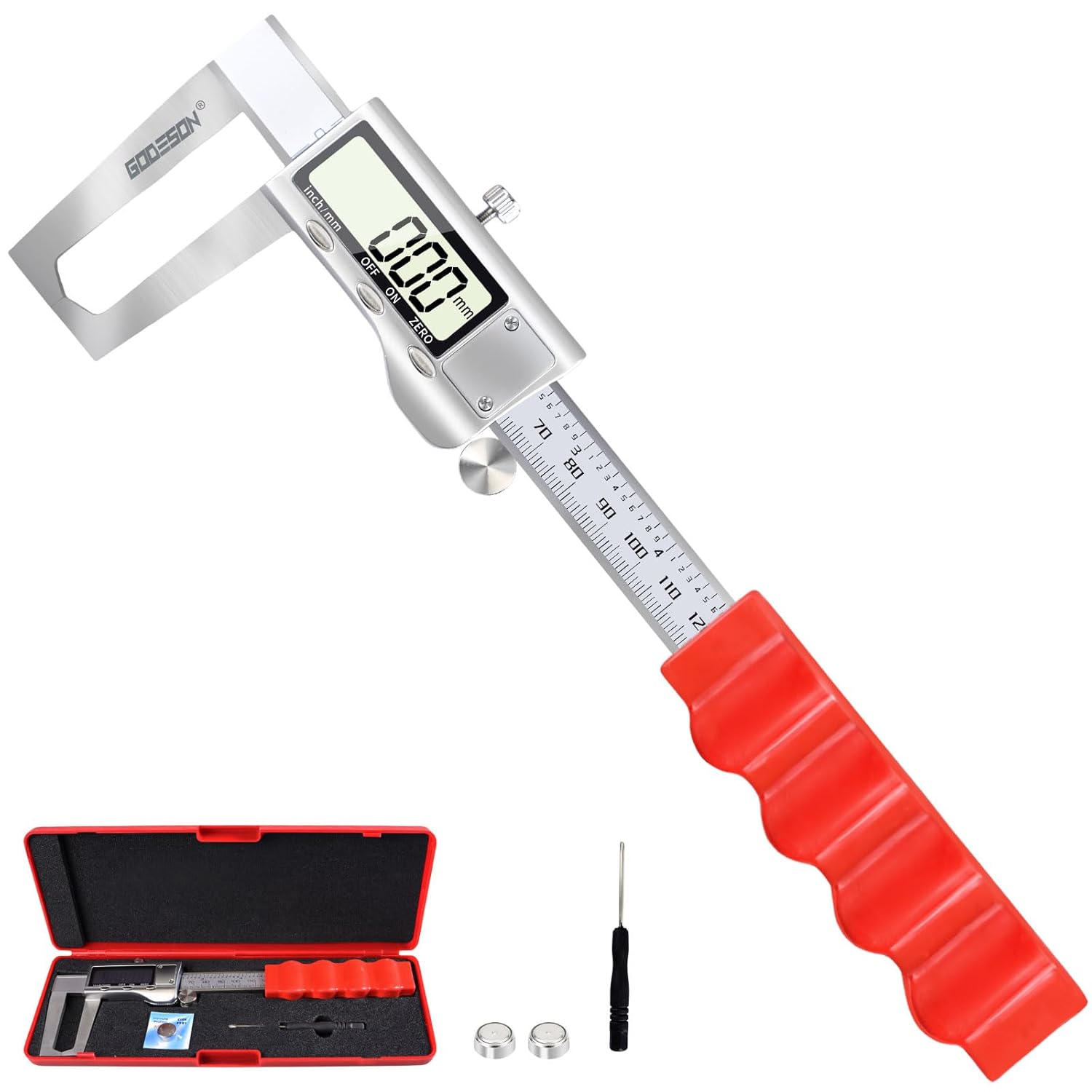
Disc Brake Rotor Micrometers: Precision Tools That Keep Braking Safe

  • blog
Posted by ATSAFEPRO On Sep 15 2025

Disc Brake Rotor Micrometer

Disc Brake Rotor Micrometers: Precision Tools That Keep Braking Safe

Why Brake Rotor Thickness Matters

Every time you press the brake pedal, the rotors absorb friction and heat. Over time, they thin out, and once they fall below the minimum thickness recommended by manufacturers, braking performance drops sharply. Thin rotors can warp, overheat quickly, and cause vibrations in the steering wheel. More importantly, they increase stopping distance, a risk no driver can ignore. Checking rotor thickness isn’t only for mechanics—it’s a habit that keeps vehicles safer on the road.

How a Micrometer Makes the Difference

Visual checks can’t tell you if a rotor is safe. Even slight uneven wear that isn’t visible can affect braking. A Disc Brake Rotor Micrometer provides accurate thickness readings in thousandths of an inch or millimeters. By clamping around the rotor and measuring across its surface, it reveals whether the rotor is within safety limits. With precise readings, drivers avoid guesswork and make timely replacements.

Common Driving Situations That Demand Rotor Checks

  • Highway Braking: At high speeds, thin rotors lose their ability to disperse heat, leading to brake fade.

  • Mountain Roads: Long downhill stretches put constant pressure on rotors; worn ones may overheat and crack.

  • City Traffic: Stop-and-go braking accelerates uneven wear, making vibrations more noticeable.

  • Family Travel: Extra load increases braking force—thin rotors shorten brake life and lengthen stopping distance.

Pairing With Other Tire and Brake Tools

A micrometer is part of a complete safety routine. Combine it with:

  • ATSAFEPRO Tire Pressure Gauges to keep traction consistent.

  • Tread Depth Gauges to ensure tires provide proper grip.

  • Emergency Repair Kits for flat tires that may otherwise strain the braking system.

This combination covers the two most critical safety systems: tires and brakes.

Why ATSAFEPRO Brake Tools Stand Out

ATSAFEPRO focuses on making technical checks easier for everyday drivers. The Disc Brake Rotor Micrometer is built for durability, precision, and ease of use, ensuring anyone can measure confidently without advanced training. Clear readings, ergonomic design, and compact size make it practical to use at home, in workshops, or even during pre-purchase inspections. For drivers who value safety and control, ATSAFEPRO tools are designed to give professional-level accuracy with minimal effort.

Habits That Extend Brake Life

  • Measure rotor thickness every time brake pads are replaced.

  • Inspect for uneven wear, especially if you feel vibrations while braking.

  • Replace rotors before they fall below the minimum thickness—not after.

  • Combine rotor checks with tire inspections for a full safety picture.

Consistent checks help avoid expensive repairs and, more importantly, keep braking systems reliable.

Precision That Protects Every Drive

Brake safety doesn’t come from chance—it comes from precision. A Disc Brake Rotor Micrometer ensures that you know exactly when your rotors need attention. By adding this tool to your routine, alongside ATSAFEPRO gauges and safety kits, you reduce risks, extend vehicle life, and keep every drive under control.

See ATSAFEPRO brake and tire tools or reach us via Contact Us to make precision part of your safety routine.
Featured Blogs

Tag:

  • Blog
Share On
Featured Blogs
ATsafepro Torque Wrench: What Buyers Should Check Before Ordering

ATsafepro Torque Wrench: What Buyers Should Check Before Ordering

1. ATsafepro torque wrench: what buyers should look for before they put one in a cart 2. 1. What the kit appears to be for 3. 2. What you can verify from the visible design 4. 3. Why socket material and markings matter 5. 4. Quick buyer checklist for an adjustable click-type torque wrench set 6. 5. Where buyers tend to get tripped up 7. 6. Practical notes for shops, fleets, and retail buyers 8. 7. Short takeaways for procurement teams 9. 8. FAQ: common questions buyers ask 10. 9. A sensible next step

ATsafepro Torque Wrench Review: What Buyers Should Check

ATsafepro Torque Wrench Review: What Buyers Should Check

1. A practical look at the ATsafepro torque wrench: what buyers are really checking 2. What stands out in the kit 3. How a click-type torque wrench helps in daily work 4. What the visible construction suggests 5. Where this kind of kit fits best 6. How buyers should evaluate it before purchase 7. Common mistakes buyers make with torque tools 8. A short interview-style takeaway from the shop floor 9. What to ask the supplier before you commit 10. Bottom line for buyers

ATsafepro Torque Wrench Review: Features, Uses, and Buyer Fit

ATsafepro Torque Wrench Review: Features, Uses, and Buyer Fit

1. Why buyers keep asking about the ATsafepro torque wrench 2. Quick take: what this set appears to be built for 3. Interview notes from a buyer’s point of view 4. What the visible design tells you 5. Socket set inclusion: where this package adds value 6. Selection criteria that matter more than the product photo 7. Common mistakes buyers make with torque tools 8. Practical use cases where this set looks sensible 9. Buyer-facing cautions worth saying out loud 10. FAQ 11. What a smart next step looks like

ATsafepro torque wrench: What this adjustable click-type kit offers

ATsafepro torque wrench: What this adjustable click-type kit offers

1. Why an adjustable click-type torque wrench kit matters in real shop work 2. What this kit appears to offer at a glance 3. How a click-type torque wrench works 4. Best use cases for a kit like this 5. Selection criteria buyers should check before specifying one 6. Common mistakes when using a torque wrench kit 7. What the visible construction suggests about durability 8. How to use the kit well in day-to-day work 9. Who should buy this type of kit 10. FAQ 11. What to do next

ATsafepro Torque Wrench: What Buyers Should Check Before Use

ATsafepro Torque Wrench: What Buyers Should Check Before Use

1. ATsafepro torque wrench: what buyers should look for before putting one in service 2. What this kit appears to be 3. Why torque control matters in the shop and garage 4. Quick buyer read: what matters most in a kit like this 5. How a click-type torque wrench is typically used 6. Materials and construction cues buyers can actually inspect 7. Common mistakes when buying a torque wrench kit 8. Practical selection advice for different buyers 9. FAQ 10. What a careful buyer should do next

ATsafepro torque wrench: what buyers should look for in a wheel-service kit

ATsafepro torque wrench: what buyers should look for in a wheel-service kit

1. What is in the kit? 2. Why the socket assortment matters 3. How a click-type torque wrench helps prevent damage 4. Material and construction: what the image suggests 5. Where this type of kit fits best 6. What buyers should verify before ordering 7. Common buyer mistakes with torque wrench kits 8. Quick buyer FAQ 9. Final buyer take