When it comes to automotive DIY maintenance, few things are as critical as applying the correct amount of torque to a fastener. This crucial step ensures safety, reliability, and the longevity of your vehicle's components. For years, the choice of tool for this job has sparked a debate among enthusiasts and professionals alike, pitting traditional methods against modern technology. The rise of the digital torque wrench has presented a powerful alternative to its classic counterpart, forcing many to reconsider what precision means in their workshop. Understanding the differences is key to making an informed decision for your specific needs.
The Timeless Appeal of the Analog Wrench
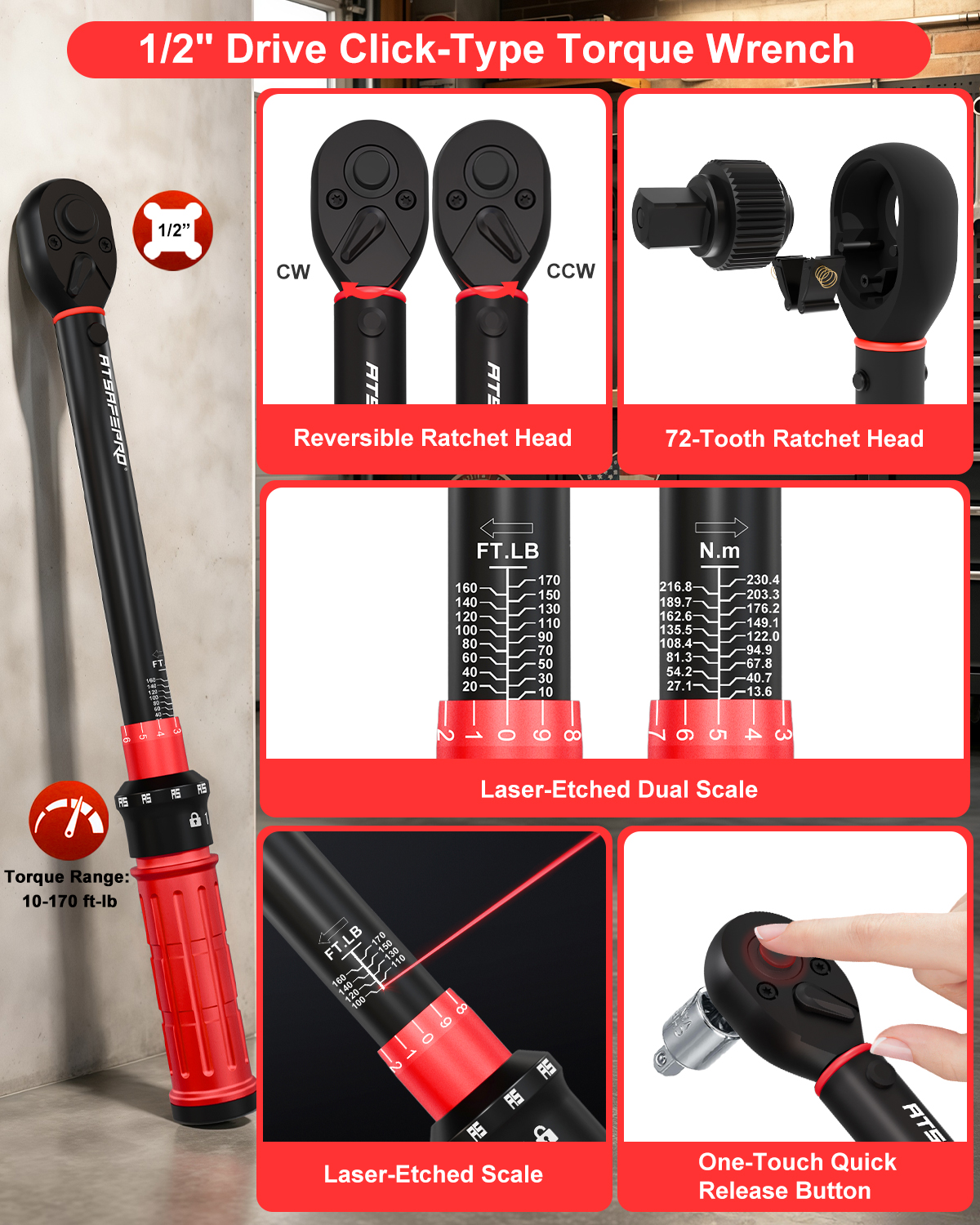
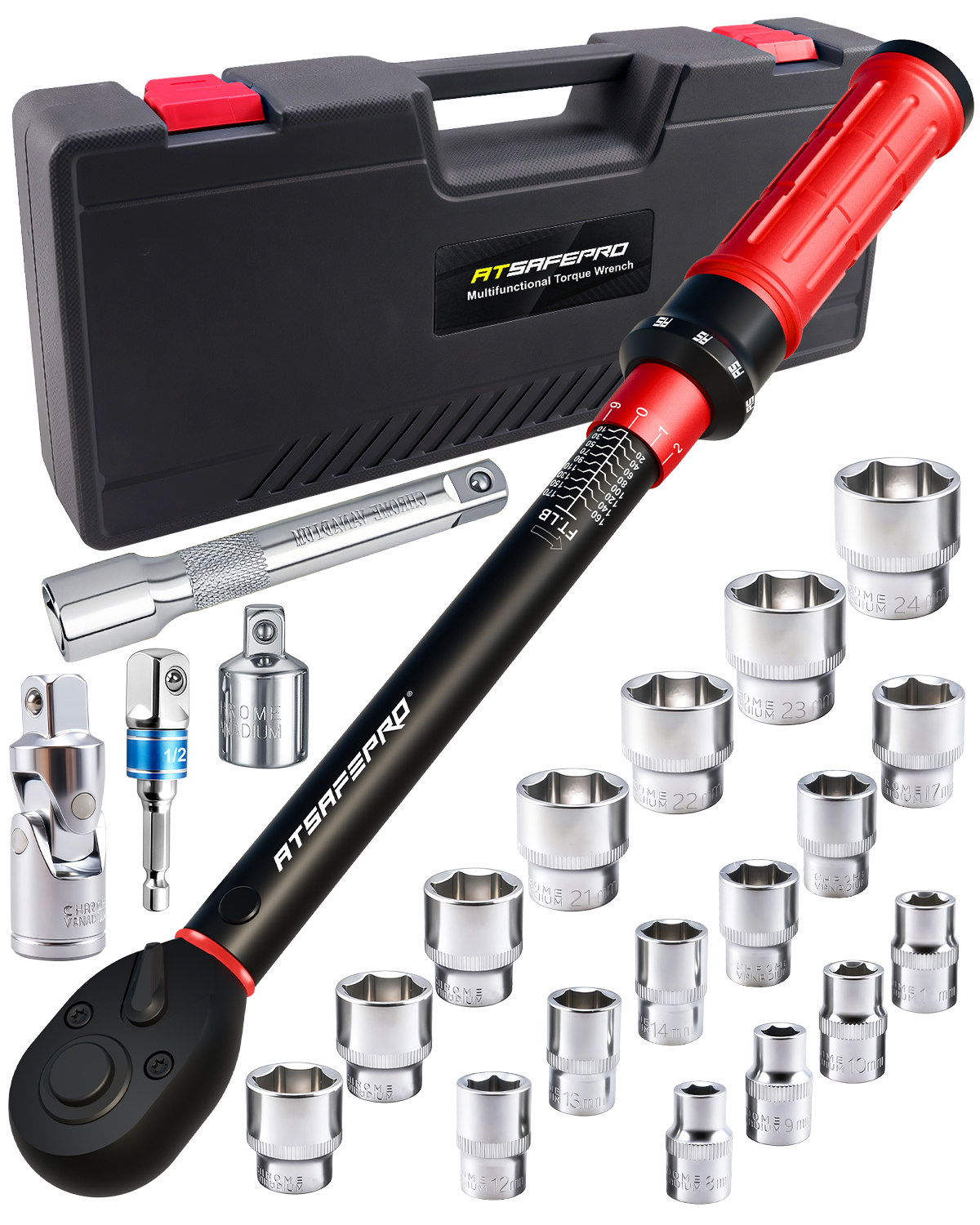
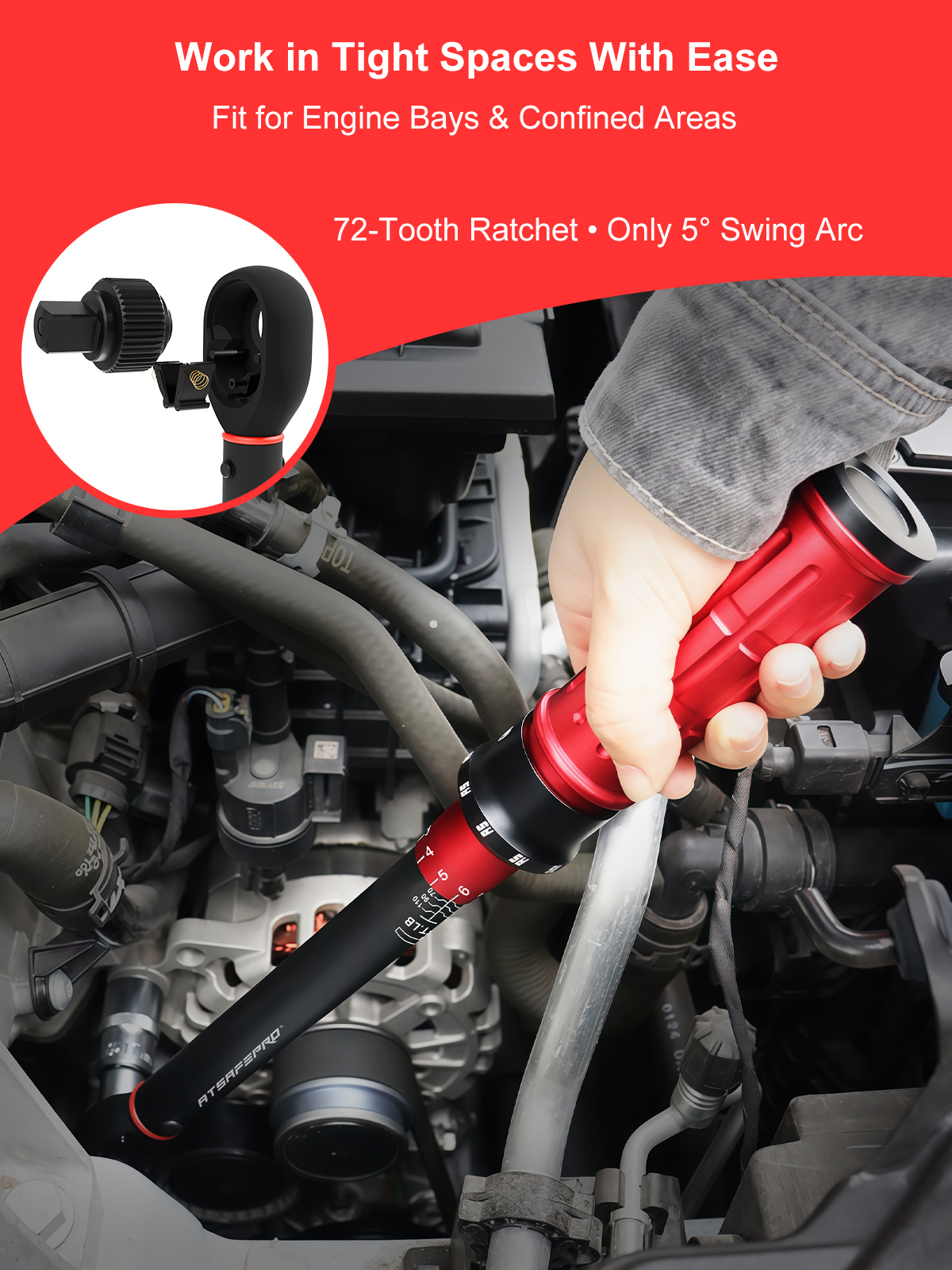
For decades, the click-type analog torque wrench has been a staple in toolboxes everywhere. Its appeal lies in its straightforward mechanical design; there are no batteries to replace or screens to break. It’s a rugged, reliable tool that many mechanics learned to trust. The user sets the desired torque by twisting the handle to a physical scale, and the tool produces an audible 'click' when the target is reached. However, this simplicity also comes with limitations. The accuracy of an analog wrench depends on the user's ability to read the scale correctly, and the internal spring mechanism can lose calibration over time, requiring periodic testing and adjustment. The single click provides a definitive endpoint but offers no warning as you approach the target, increasing the risk of over-tightening if you're not paying close attention.
TheATsafepro Digital Torque WrenchAdvantage: Precision and Feedback
On the other side of the digital vs analog torque wrench debate is the modern, feature-rich electronic version. The primary advantage is undeniable: superior accuracy. A digital torque wrench features a high-definition LCD screen that provides a clear, real-time reading, eliminating the guesswork associated with analog scales. These tools often come equipped with the ability to switch between multiple units of measurement (like N·m, lb·ft, and kg·cm) at the push of a button. More importantly, they revolutionize the user experience with advanced feedback systems. Instead of a single, sudden click, they provide progressive visual and auditory alerts, such as sequential LED lights and an increasingly frequent buzzer, guiding you smoothly to the precise torque value. This feature alone is a game-changer for critical tasks in automotive DIY maintenance, as it greatly minimizes the chance of error.
Making the Choice for Your Automotive Projects
So, which tool is right for you? In the digital vs analog torque wrench showdown, the choice often comes down to the specific application and the level of precision required. For simple, non-critical tasks, a well-maintained analog wrench can certainly get the job done. However, for any serious automotive work—like tightening cylinder head bolts, suspension components, or wheel lugs—the benefits of a digital tool are overwhelming. Advanced models offer different operating modes, such as 'Track' for live torque monitoring and 'Peak' to capture the highest torque applied, along with memory functions to store frequent settings. This level of control and data logging is invaluable for ensuring consistency and accuracy, protecting expensive parts from catastrophic failure due to improper torque.
Conclusion: An Investment in Confidence
While the sturdy simplicity of an analog wrench still holds a certain charm, the evolution of tool technology has provided a demonstrably better solution for precision work. The digital torque wrench removes ambiguity and elevates the user's ability to perform tasks with confidence and accuracy. By offering clear readings, multi-stage alerts, and advanced functionalities, it transforms a critical procedure from an approximation into an exact science. For anyone serious about their craft, whether a seasoned professional or a dedicated DIYer, making the upgrade is an investment in quality, safety, and peace of mind.