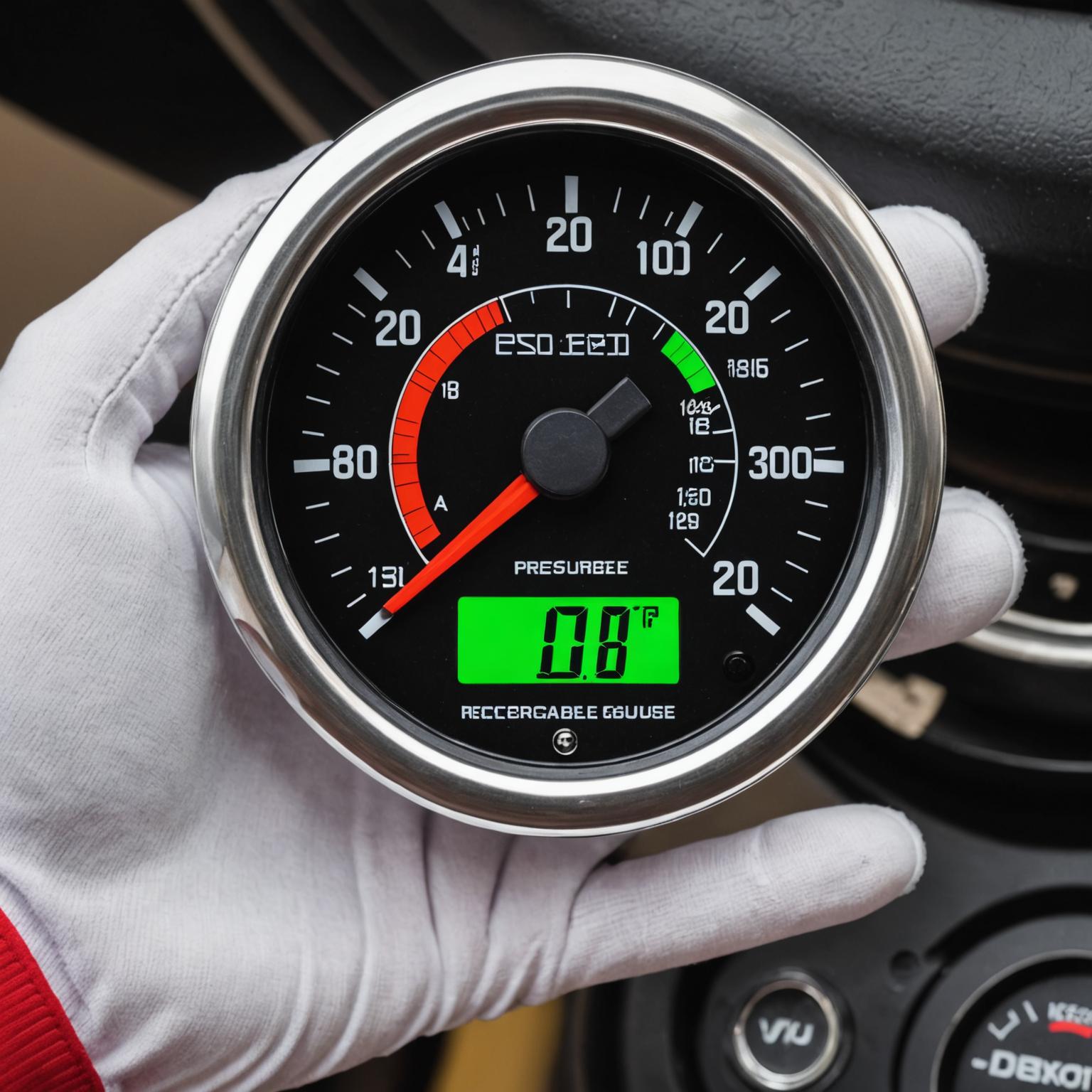
Why a Digital Tire Pressure Gauge Is a Must-Have for Every Vehicle

  • blog
Posted by ATSAFEPRO On Aug 05 2025

ATSAFEPRO digital tire pressure gauge for cars and bikes

Why a Digital Tire Pressure Gauge Is a Must-Have for Every Vehicle

If you've ever guessed your tire pressure by sight or touch, you're not alone—but you're also not getting it right. An underinflated tire affects fuel economy, grip, and wear. For precise readings every time, a digital tire pressure gauge is the most reliable tool, whether you're driving a car or biking through city streets.

Why Choose a Digital Tire Pressure Gauge?

Compared to traditional pencil or dial gauges, digital models offer:

  • Higher accuracy, often within ±1 PSI

  • Easy-to-read LCD displays, even in low light

  • Multi-unit readouts: PSI, Bar, KPa

  • Battery-powered reliability with auto shut-off

ATSAFEPRO’s digital gauges are designed with backlit screens, ergonomic grips, and durable nozzles—perfect for both beginners and professionals.

World Scenarios: What Works Best?

Let’s explore three common user cases and which air pressure tools fit each need:

1. Urban Cyclists and Weekend Riders

Bicycle tires are more sensitive to small pressure changes. A compact, air pressure gauge for bike with a low-pressure range (15–60 PSI) ensures better control and comfort. Look for a gauge with a slim nozzle that fits presta or schrader valves.

ATSAFEPRO Pick: Digital Bike Gauge – lightweight, low PSI range, fast-reading

2. Family Car Owners

If you check tires monthly or before a long trip, choose a digital tire pressure gauge with high readability and dual-unit display. It makes pressure checks fast, accurate, and beginner-friendly.

ATSAFEPRO Pick: D60 Auto Gauge – 0–150 PSI, auto-off, large LCD

3. Performance Drivers or Fleet Users

Precision and durability matter when tire balance affects safety at scale. Use a calibrated digital gauge with professional-grade sensors.

ATSAFEPRO Pick: ProTech Digital – industrial build, ISO-calibrated, ideal for high mileage vehicles

What Makes a Tire Gauge Truly Accurate?

Not all gauges are created equal. Here’s what to look for when buying an accurate tire pressure gauge:

  • Calibration certificate (ISO or ANSI recommended)

  • Range matching your use case (low PSI for bikes, high PSI for trucks)

  • Rubberized casing for durability

  • Auto shut-off and battery-saving mode

  • Easy nozzle sealing to avoid air leaks

ATSAFEPRO models are factory-calibrated and individually tested to ensure pressure accuracy under real-world conditions.

Frequently Asked Questions (FAQ)

Q1: How accurate are digital tire pressure gauges?

Most ATSAFEPRO gauges are accurate to within ±1 PSI. Regular calibration ensures long-term precision.

Q2: Can I use one gauge for both bikes and cars?

Yes, if the PSI range is suitable. For example, a 0–150 PSI gauge works for both, but for detailed cycling needs, a low pressure bike gauge may be more precise.

Q3: Are digital gauges better than analog?

For ease of reading and consistent accuracy, yes. Digital tools also offer more features like memory, backlight, and unit conversion.

Take Control of Your Tire Health with Digital Precision

A digital tire pressure gauge offers more than just numbers—it’s peace of mind. From urban commuters to professional drivers, the right tool helps you drive safer, ride smoother, and extend the life of your tires. ATSAFEPRO delivers gauges tailored to each user—calibrated, rugged, and easy to use.

Ready to find your match? Browse our collection on the ATSAFEPRO homepage or get in touch here for expert help.
Featured Blogs

Tag:

  • Blog
Share On
Featured Blogs
ATsafepro Torque Wrench: What Buyers Should Check Before Ordering

ATsafepro Torque Wrench: What Buyers Should Check Before Ordering

1. ATsafepro torque wrench: what buyers should look for before they put one in a cart 2. 1. What the kit appears to be for 3. 2. What you can verify from the visible design 4. 3. Why socket material and markings matter 5. 4. Quick buyer checklist for an adjustable click-type torque wrench set 6. 5. Where buyers tend to get tripped up 7. 6. Practical notes for shops, fleets, and retail buyers 8. 7. Short takeaways for procurement teams 9. 8. FAQ: common questions buyers ask 10. 9. A sensible next step

ATsafepro Torque Wrench Review: What Buyers Should Check

ATsafepro Torque Wrench Review: What Buyers Should Check

1. A practical look at the ATsafepro torque wrench: what buyers are really checking 2. What stands out in the kit 3. How a click-type torque wrench helps in daily work 4. What the visible construction suggests 5. Where this kind of kit fits best 6. How buyers should evaluate it before purchase 7. Common mistakes buyers make with torque tools 8. A short interview-style takeaway from the shop floor 9. What to ask the supplier before you commit 10. Bottom line for buyers

ATsafepro Torque Wrench Review: Features, Uses, and Buyer Fit

ATsafepro Torque Wrench Review: Features, Uses, and Buyer Fit

1. Why buyers keep asking about the ATsafepro torque wrench 2. Quick take: what this set appears to be built for 3. Interview notes from a buyer’s point of view 4. What the visible design tells you 5. Socket set inclusion: where this package adds value 6. Selection criteria that matter more than the product photo 7. Common mistakes buyers make with torque tools 8. Practical use cases where this set looks sensible 9. Buyer-facing cautions worth saying out loud 10. FAQ 11. What a smart next step looks like

ATsafepro torque wrench: What this adjustable click-type kit offers

ATsafepro torque wrench: What this adjustable click-type kit offers

1. Why an adjustable click-type torque wrench kit matters in real shop work 2. What this kit appears to offer at a glance 3. How a click-type torque wrench works 4. Best use cases for a kit like this 5. Selection criteria buyers should check before specifying one 6. Common mistakes when using a torque wrench kit 7. What the visible construction suggests about durability 8. How to use the kit well in day-to-day work 9. Who should buy this type of kit 10. FAQ 11. What to do next

ATsafepro Torque Wrench: What Buyers Should Check Before Use

ATsafepro Torque Wrench: What Buyers Should Check Before Use

1. ATsafepro torque wrench: what buyers should look for before putting one in service 2. What this kit appears to be 3. Why torque control matters in the shop and garage 4. Quick buyer read: what matters most in a kit like this 5. How a click-type torque wrench is typically used 6. Materials and construction cues buyers can actually inspect 7. Common mistakes when buying a torque wrench kit 8. Practical selection advice for different buyers 9. FAQ 10. What a careful buyer should do next

ATsafepro torque wrench: what buyers should look for in a wheel-service kit

ATsafepro torque wrench: what buyers should look for in a wheel-service kit

1. What is in the kit? 2. Why the socket assortment matters 3. How a click-type torque wrench helps prevent damage 4. Material and construction: what the image suggests 5. Where this type of kit fits best 6. What buyers should verify before ordering 7. Common buyer mistakes with torque wrench kits 8. Quick buyer FAQ 9. Final buyer take