Choosing the Right Torque Wrench: A Buyer’s Guide for Everyday Drivers
Why Everyday Drivers Need a Torque Wrench
For many car owners, tightening bolts is often done by “feel” or with a basic wrench. While this may seem harmless, it comes with serious risks:
-
Overtightening: This can strip threads, warp brake rotors, or even cause wheel studs to snap.
-
Undertightening: Wheels may loosen at high speeds, creating life-threatening dangers.
A torque wrench ensures bolts are fastened to the exact specifications recommended by the manufacturer. This precision tool helps prevent accidents, saves money on repairs, and builds confidence when performing basic car maintenance.
Comparing Torque Wrench Types
| Torque Wrench Type | Best For | Key Advantages |
|---|---|---|
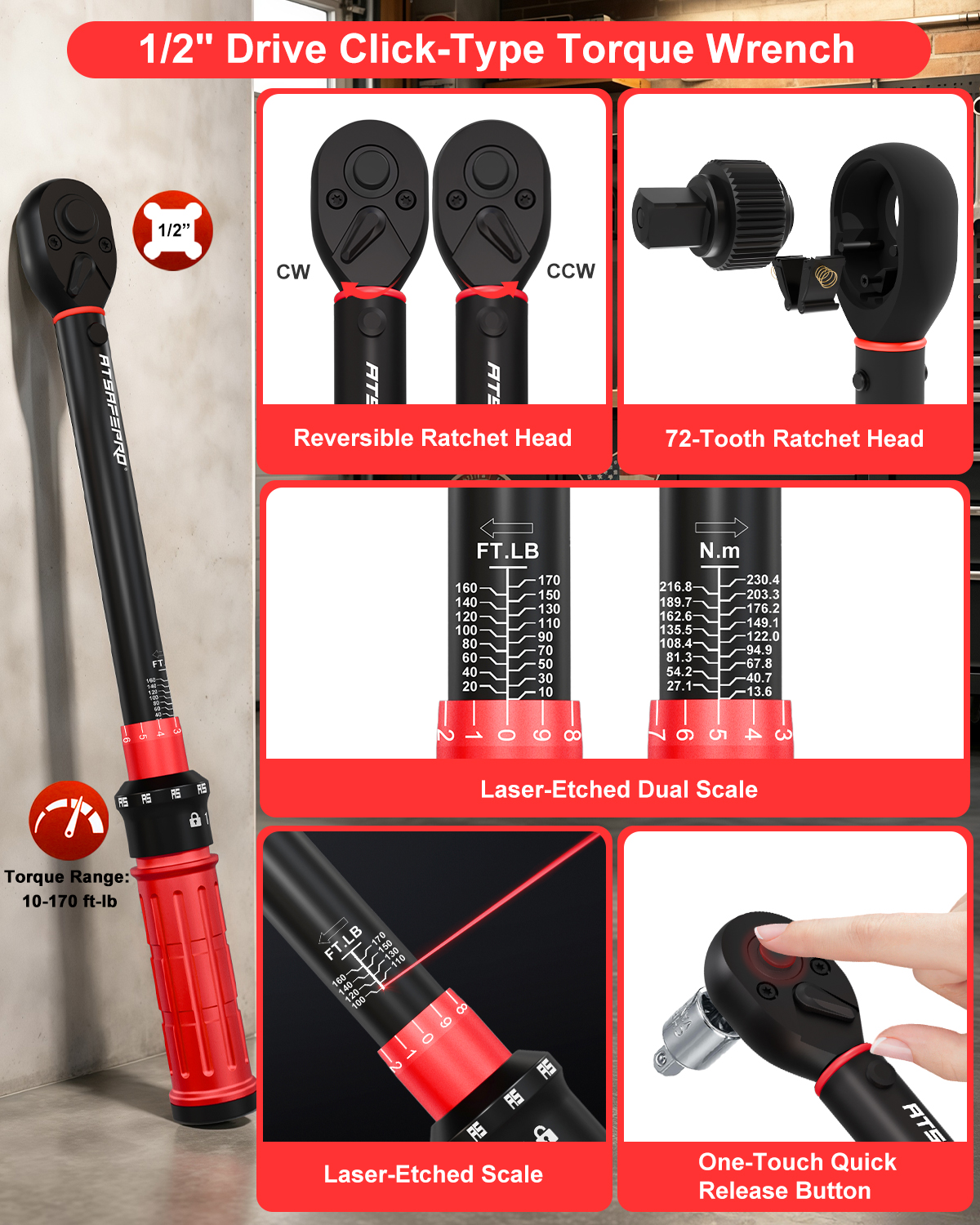
| Click-Type | Tire rotation, brake work | Audible and tactile “click” when torque is reached, reliable, affordable |
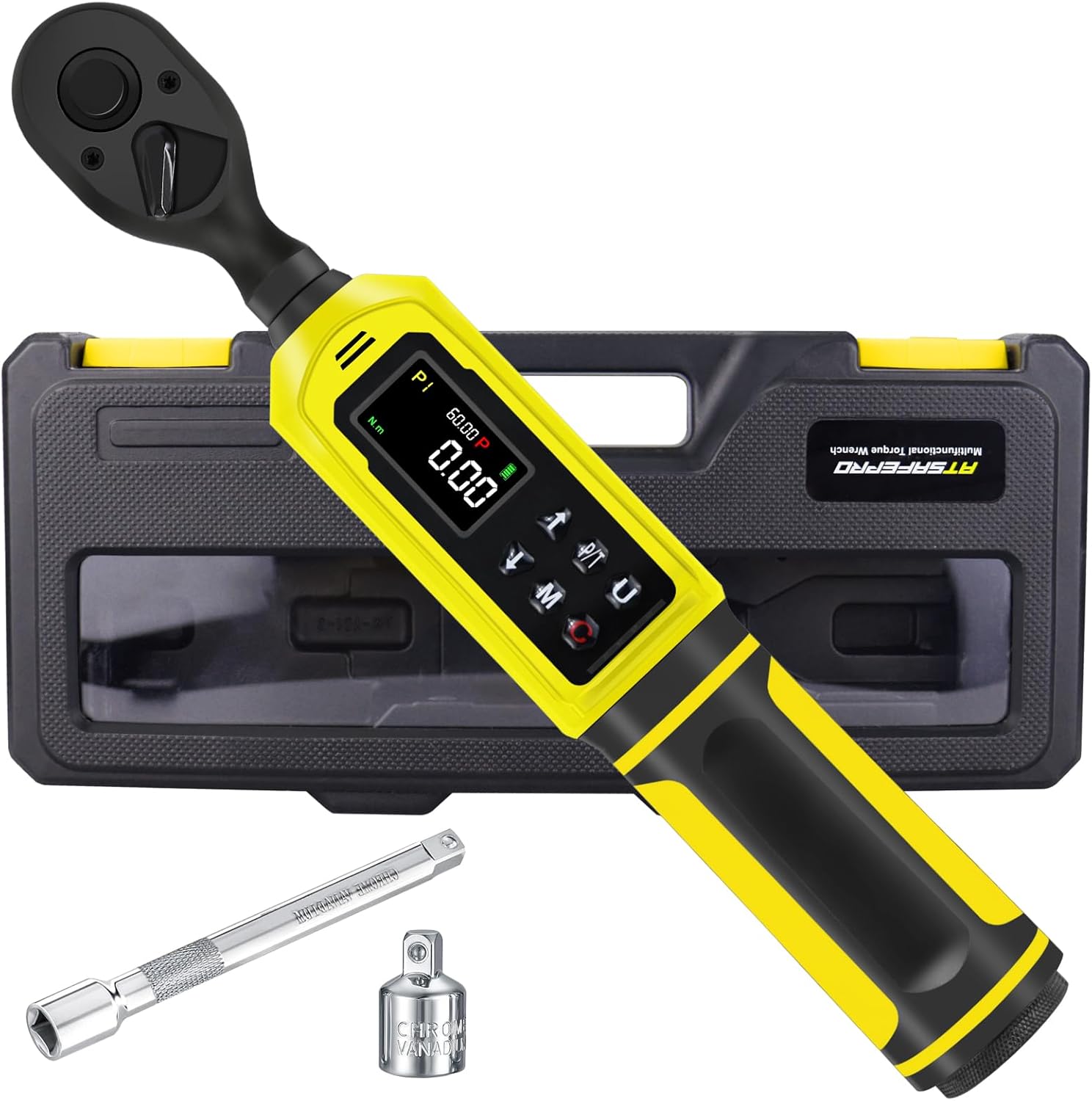
| Digital Torque Wrench | Frequent DIY or professional use | Digital display, memory storage, audible alerts, high accuracy |
| Beam-Type | Infrequent or occasional use | Very durable, no calibration required, inexpensive |
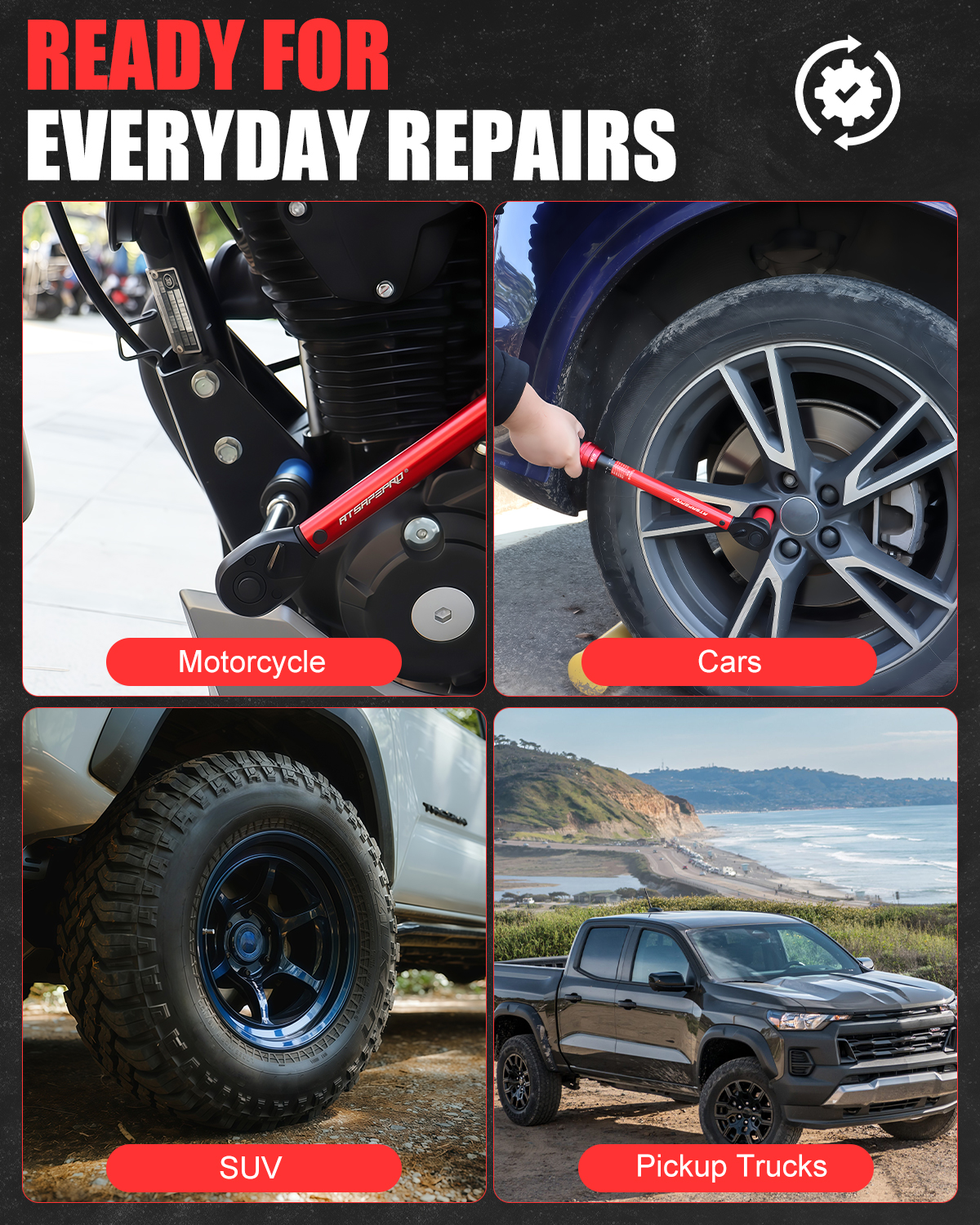
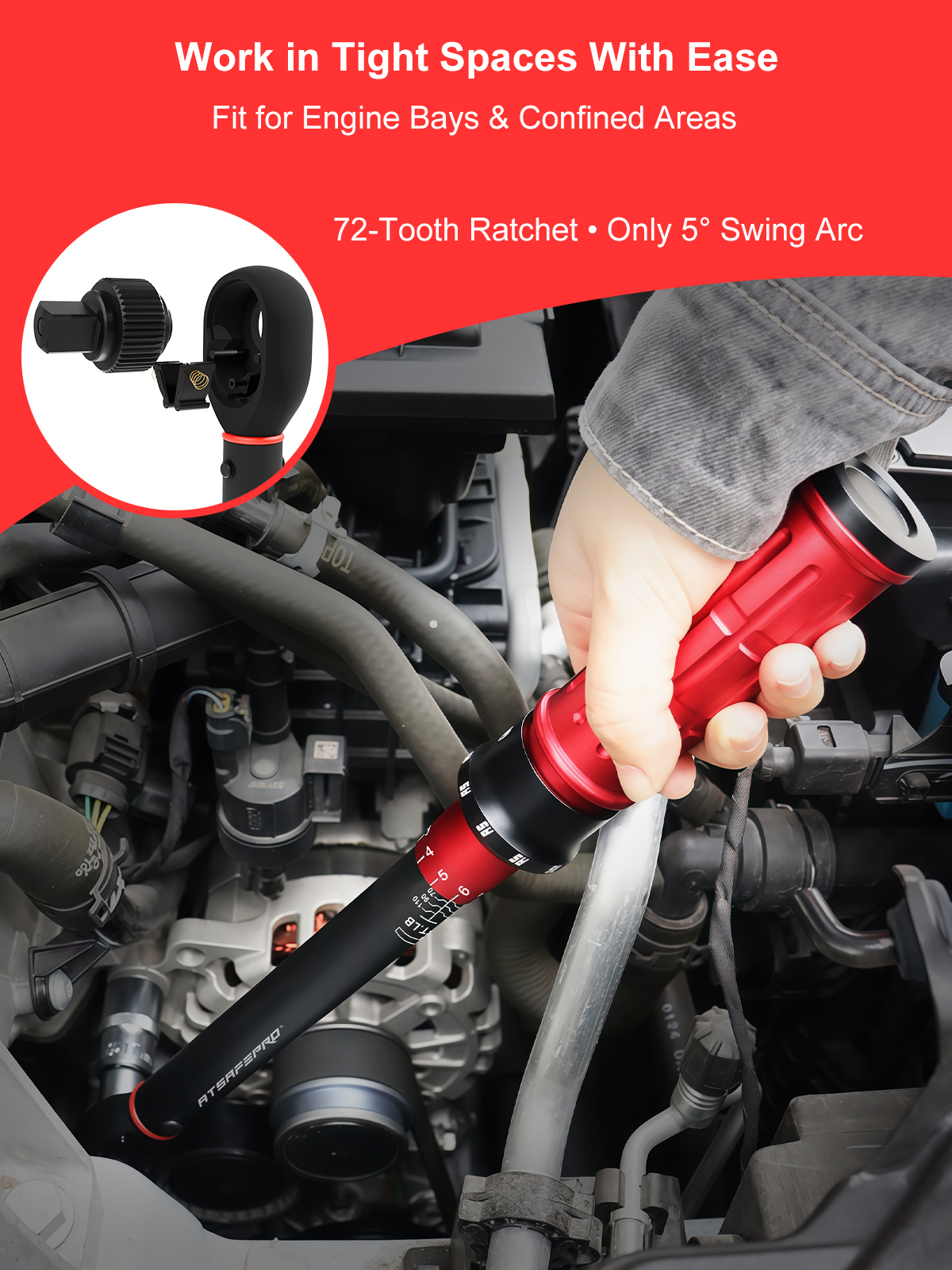
| Compact/Portable | Roadside repairs, motorcycles, bicycles | Lightweight, easy to carry, versatile |
Scenario Example:
-
If you are a commuter driver who only rotates tires a few times a year, a click-type wrench is sufficient.
-
If you’re a DIY enthusiast who works in dim garages or values data recording, a digital torque wrench is worth the investment.
Common Mistakes Drivers Make Without a Torque Wrench
-
Relying on Impact Wrenches Alone – These can easily overtighten lug nuts beyond safe limits.
-
Improper Bolt Sequence – Skipping the crisscross tightening pattern leads to uneven wheel pressure.
-
Ignoring Retorque Checks – After long highway drives or installing new wheels, bolts can loosen if not rechecked.
Practical Tip: Always follow your vehicle manual’s torque specifications and recheck wheel bolts after 50–100 miles of driving.
Q&A: Everyday Concerns About Torque Wrenches
Q1: Do I really need a torque wrench for simple jobs like tire changes?
A1: Yes. Even small deviations in torque can cause uneven tire wear, brake vibration, or worse—wheel detachment.
Q2: How often should I calibrate my torque wrench?
A2: Professionals recommend calibration once a year, or every 5,000 cycles, to maintain accuracy.
Q3: Can I use the same torque wrench for both cars and bikes?
A3: Yes, but ensure the torque range matches the application. A bike requires much lower torque than a car wheel nut.
Practical Buying Guide: Features That Matter
When purchasing a torque wrench, consider:
-
Torque Range: Ensure it covers the manufacturer’s specs for your car.
-
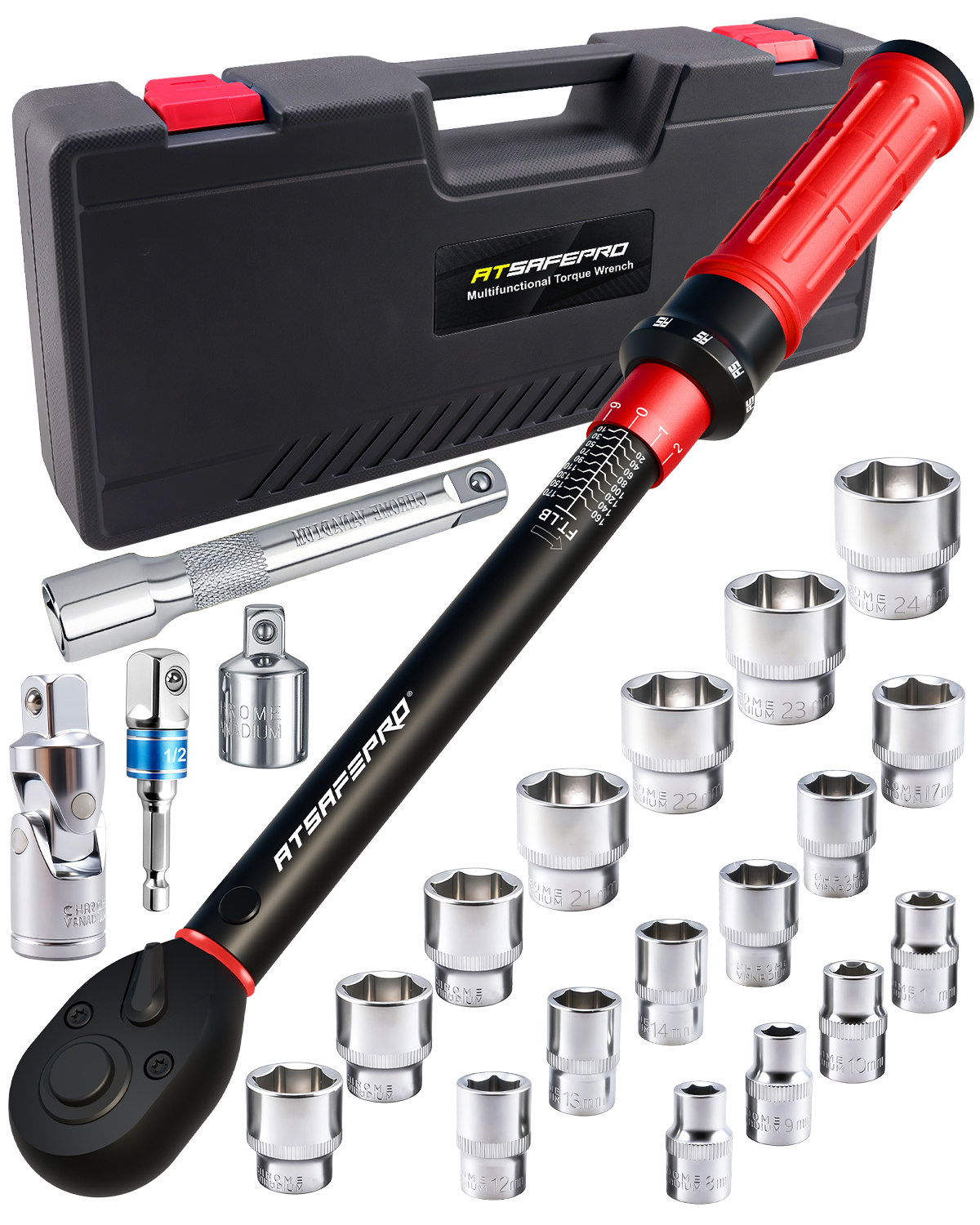
Drive Size: ½-inch for cars and trucks, ⅜-inch for lighter jobs, ¼-inch for small components.
-
Ease of Reading: Digital displays are best for low-light garages; beam-types are harder to read.
-
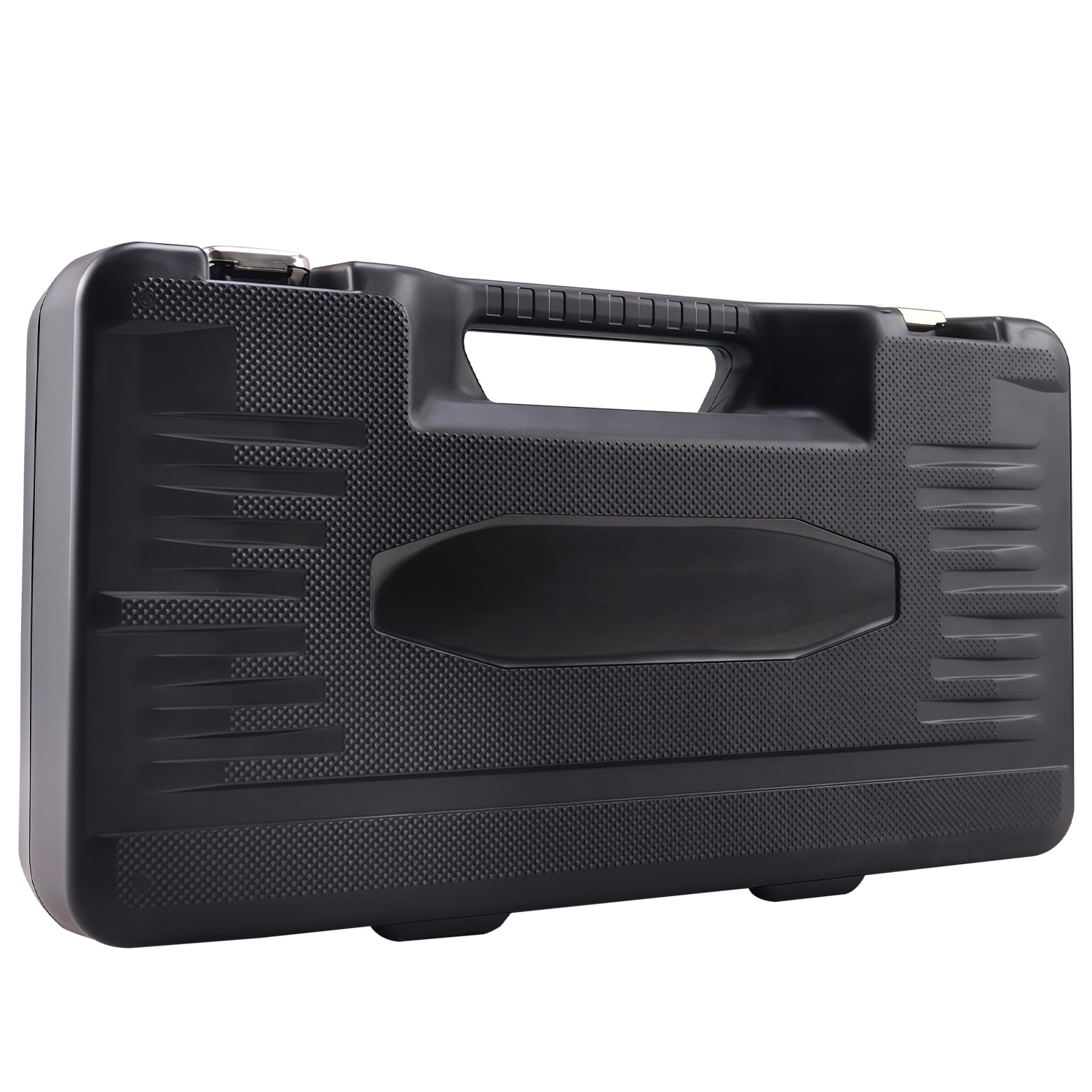
Storage Case: Protects calibration and keeps the tool in good condition.
Integrating Torque Wrench Use Into Routine Safety Checks
A torque wrench is not just a professional’s tool—it’s a safety device every driver should own. By understanding the different types, avoiding common mistakes, and applying proper techniques, everyday drivers can protect themselves from accidents and extend the life of their vehicles.
If you’re considering upgrading your toolkit, explore reliable torque wrenches and other automotive accessories directly on our homepage. For inquiries or personalized recommendations, feel free to contact us here.