Why an ATsafepro torque wrench kit matters for real-world wheel service
An ATsafepro torque wrench kit sits in a very practical corner of the hand-tool market: it is meant for the moments when a fastener needs to be tight enough, but not too tight. That sounds simple until you’re dealing with wheel lug nuts, roadside tire changes, or a workshop bay where different vehicles come through all day. In those settings, “good and tight” is not a specification. It is a shortcut that can turn into warped rotors, damaged studs, or a wheel that loosens later because nobody bothered to finish the job properly.
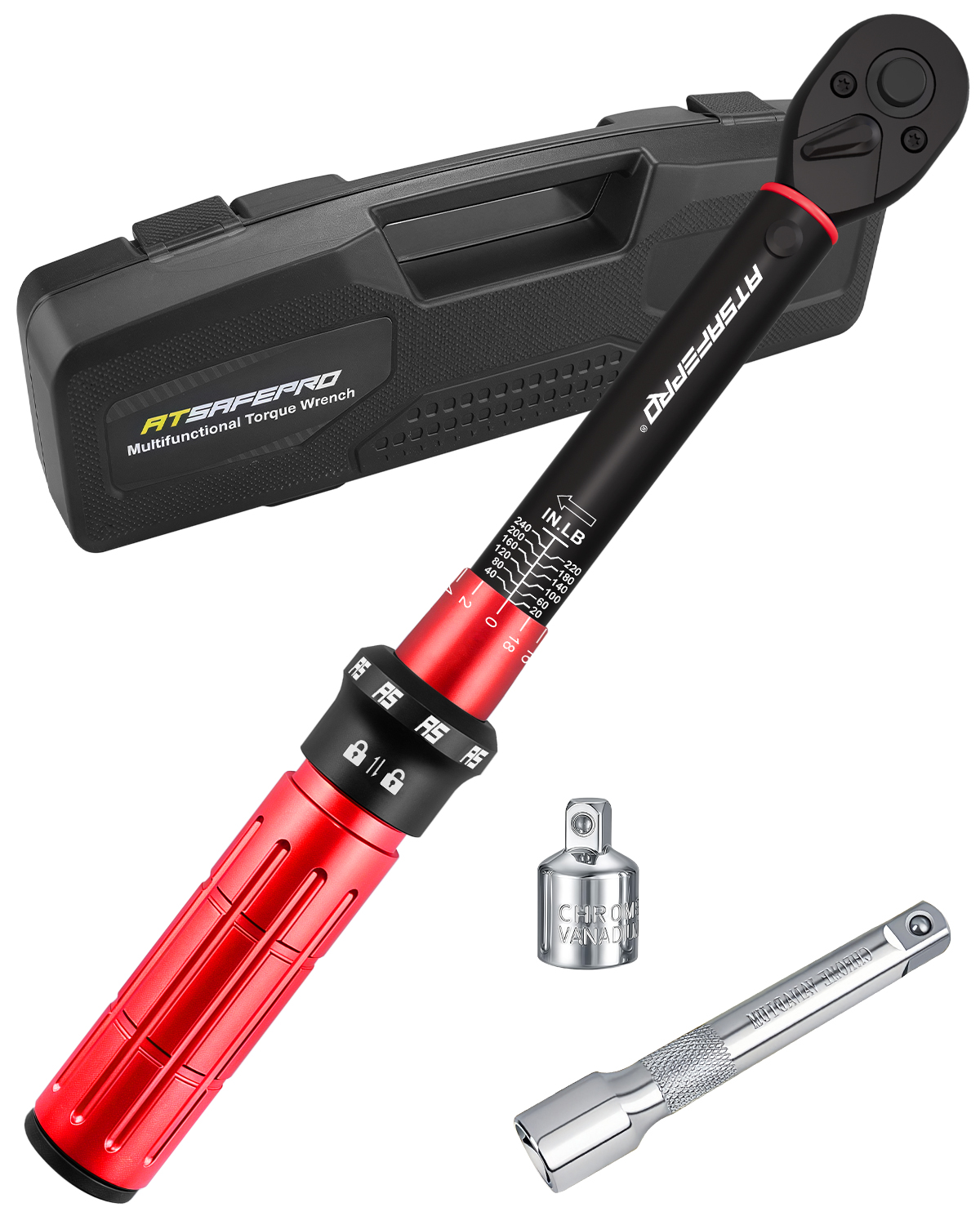
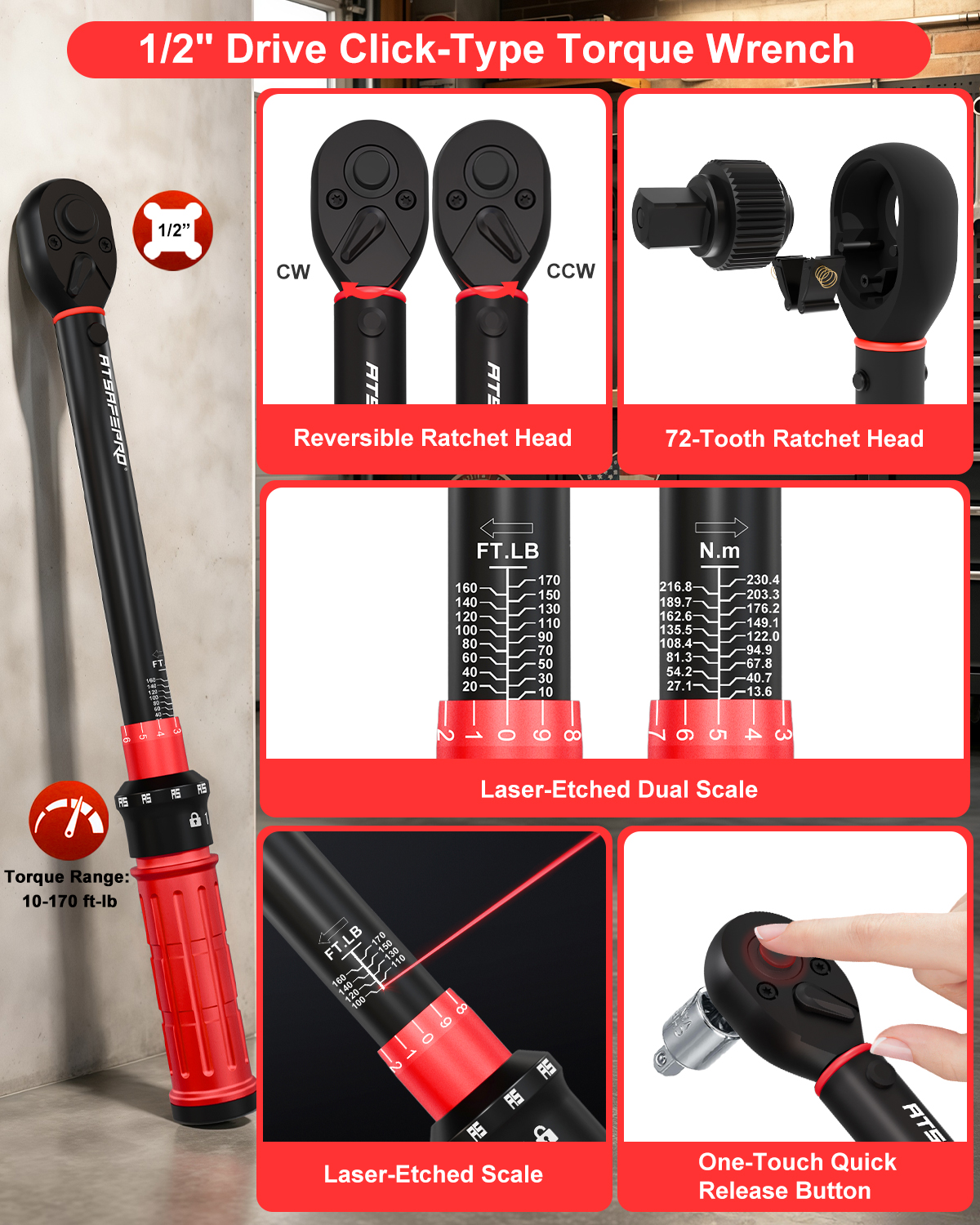
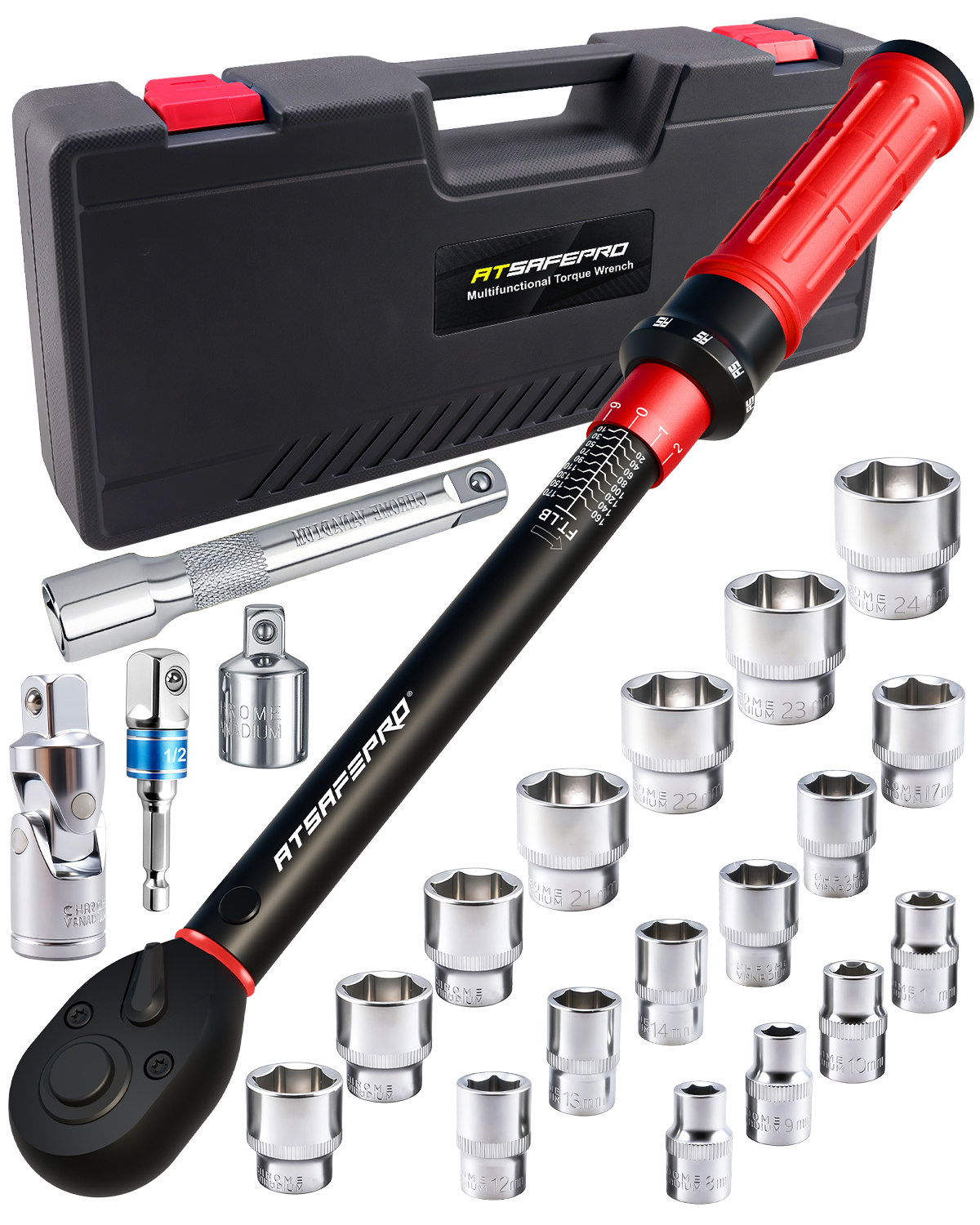
What buyers usually want from this kind of kit is straightforward: a torque wrench they can read, a set of sockets that cover common lug sizes, and a case that keeps everything together. The visible features of this ATsafepro set line up with that need. The main wrench has an adjustable torque scale marked in ft-lb, a ratcheting head, and a long shaft for leverage. The kit also includes CR-MO sockets in 17 mm, 19 mm, and 21 mm, plus a molded storage case. For tire work, those details matter more than marketing language.
Quick takeaways before you buy
If you are comparing wheel lug wrench kits, this one appears aimed at users who want a compact, all-in-one setup rather than a bare wrench. That is often the better choice for non-specialist users, roadside kits, and fleet vehicles. A loose wrench in a trunk gets lost; a complete case tends to stay usable.
The catch is that buyers should always confirm the torque range, drive size, and calibration details before making a final decision. Those items are not fully readable or verifiable from the product image alone, and they are not the kind of thing you want to guess at. A visually solid tool can still be the wrong tool if its range does not suit the vehicle or fastening task.
What the kit appears to include
Based on the product information provided, the set looks like a handheld adjustable torque wrench kit with a red steel shaft, black textured grip, and a ratcheting head. The shaft has an adjustable torque scale in ft-lb, which is the format many automotive users expect. The sockets are described as CR-MO, with color-coded outer sleeves and size markings that are easy to identify in a dim garage or by the side of the road.
The visible accessories suggest a practical rather than minimalist kit:
- Hard molded carrying case for storage and transport
- Multiple interchangeable sockets
- Extension/adapter pieces
- Common lug sizes: 17 mm, 19 mm, and 21 mm
That combination is useful because wheel service is rarely one-size-fits-all. Even within the same vehicle class, lug dimensions vary. A kit that includes several common sizes saves time and reduces the chance of reaching for the wrong tool in a hurry.
How this type of torque wrench is used
A torque wrench is not just a “stronger wrench.” It is a measuring tool that helps apply a controlled amount of turning force. In automotive work, that control is the point. Wheel lugs are often specified to a precise torque because over-tightening can stretch studs, distort brake components, or make later removal difficult. Under-tightening is just as troublesome, especially after heat cycles and vibration.
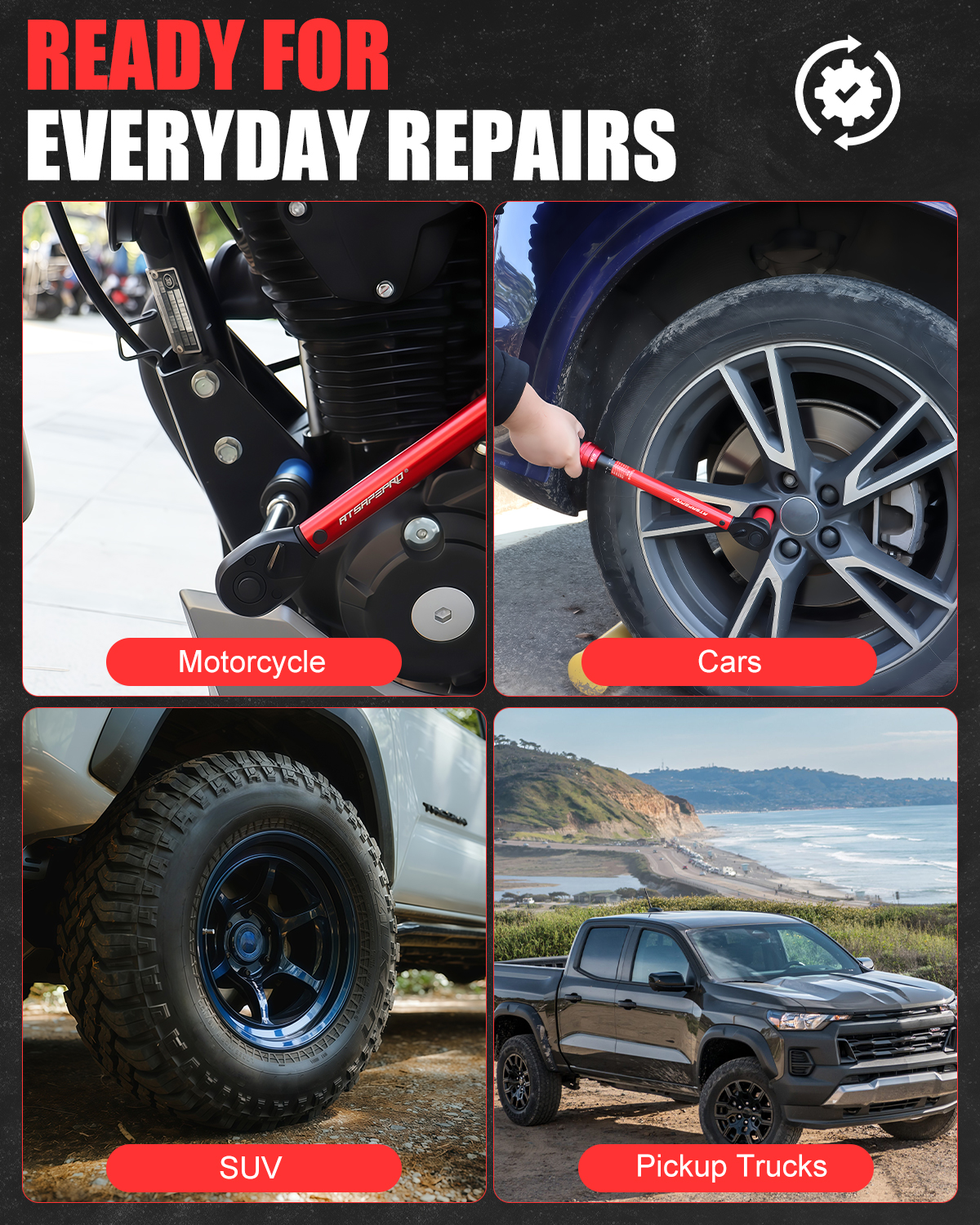
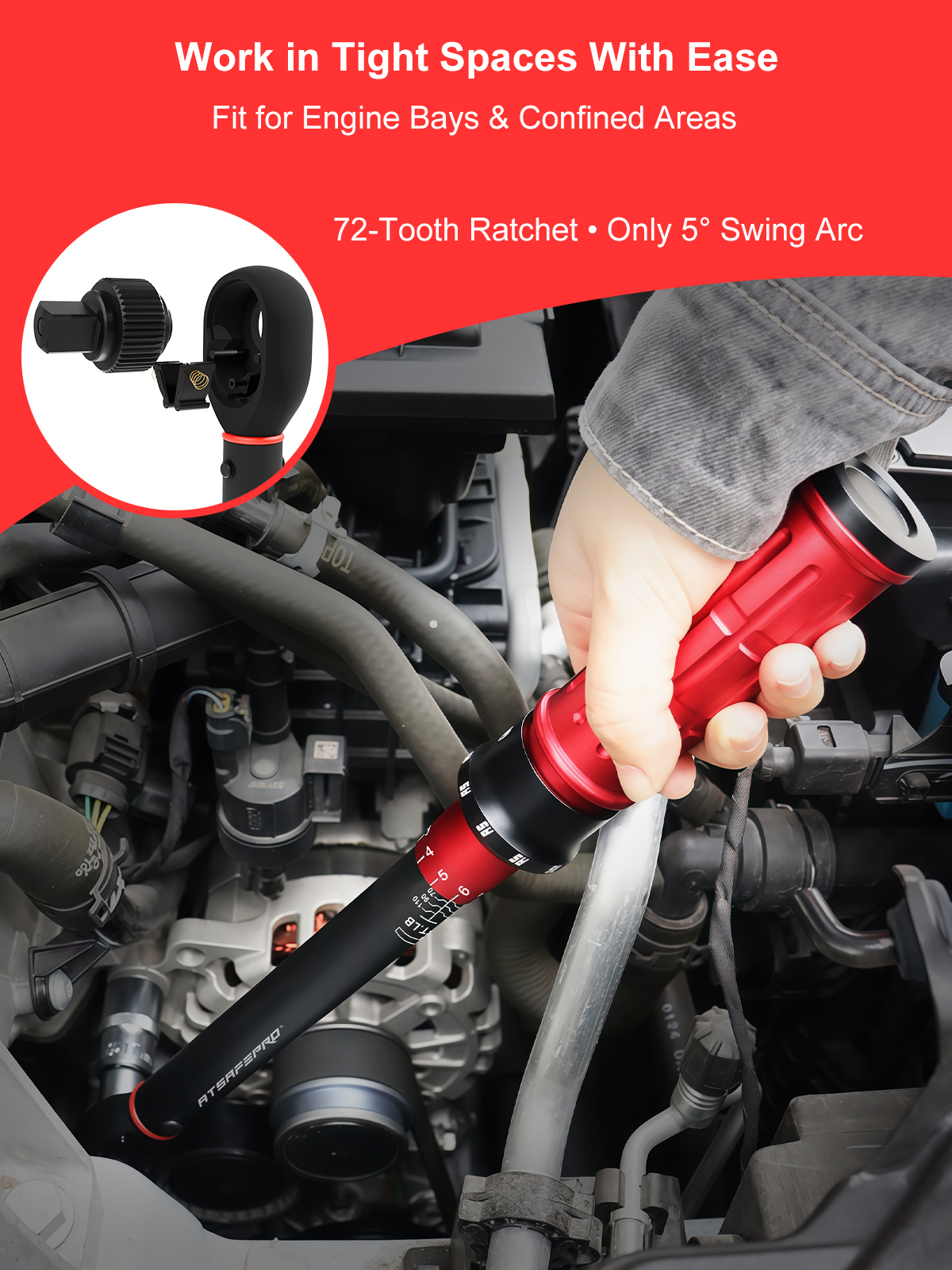
For a wheel lug wrench kit, the typical workflow is familiar: remove the wheel fasteners, service the tire or wheel, hand-start the lugs when reinstalling, then tighten them in stages to the correct value. A ratcheting head makes the process smoother, especially when space is limited. The long shaft helps the user reach torque without forcing the body into awkward positions. That is a small ergonomic point, but anyone who has changed tires in winter weather already knows it is not small in practice.
Why the socket material matters
The visible sockets appear to be chrome-molybdenum steel, or CR-MO. That does not tell the whole story of performance, of course, but it does suggest a material choice commonly used for tougher fastening applications. Buyers should still check whether the sockets are intended for manual use or impact use; that is not something to assume from appearance alone. A socket can look heavy-duty and still be the wrong style for a powered tool.
For hand operation, the more relevant question is whether the socket profile engages the lug nut cleanly and stays readable over time. Size markings and color coding are minor conveniences until you are working quickly, then they become useful in a very ordinary, practical way.
Who this kit is best suited for
This kind of torque wrench set makes the most sense for buyers who need a portable, multi-size kit rather than a bare precision wrench. That includes:
- Drivers assembling a roadside emergency kit
- Tire shops handling routine wheel changes
- Fleet maintenance teams managing mixed vehicles
- Small workshops that want a backup lug service set
- DIY users who rotate their own tires and want the job done cleanly
It is less suitable if you need a highly specialized wrench for narrow torque ranges, documented calibration data for a quality system, or a tool certified to a particular in-house standard. Those uses call for more documentation than this product image can confirm.
Selection criteria that matter more than the brochure
When evaluating an ATsafepro torque wrench or any similar kit, the first thing to check is whether the torque range matches the fastening job. Wheel lugs on passenger cars, SUVs, light trucks, and fleet vehicles can vary widely. A wrench that starts too high or tops out too low is a poor purchase no matter how sturdy it looks.
Next, confirm the socket sizes you actually need. The set shown includes 17 mm, 19 mm, and 21 mm sockets, which covers many common lug nut dimensions. That is helpful, but not universal. Some vehicles need different sizes, and some lug designs use caps or shallow recesses that affect socket fit. Buyers who have mixed fleets should compare the kit contents against the vehicle list before assuming coverage.
Then look at the working details that affect day-to-day use: the grip texture, the clarity of the torque scale, how the ratchet feels in the hand, and whether the case closes securely. These are not glamorous features, but they decide whether the tool gets used properly or left on a shelf.
Common mistakes buyers make with torque wrench kits
The most common mistake is confusing convenience with suitability. A kit that includes several sockets and a carry case is convenient, but convenience does not replace torque compatibility. Another mistake is using a torque wrench as a breaker bar for stubborn fasteners. That can damage the tool and defeat the whole purpose of having a controlled fastening device.
There is also the habit of assuming that all sockets are interchangeable across manual and powered tools. They are not always identical in design, even when they fit the same size fastener. If the kit is intended for wheel changes and workshop hand use, treat it that way unless the product documentation clearly says otherwise.
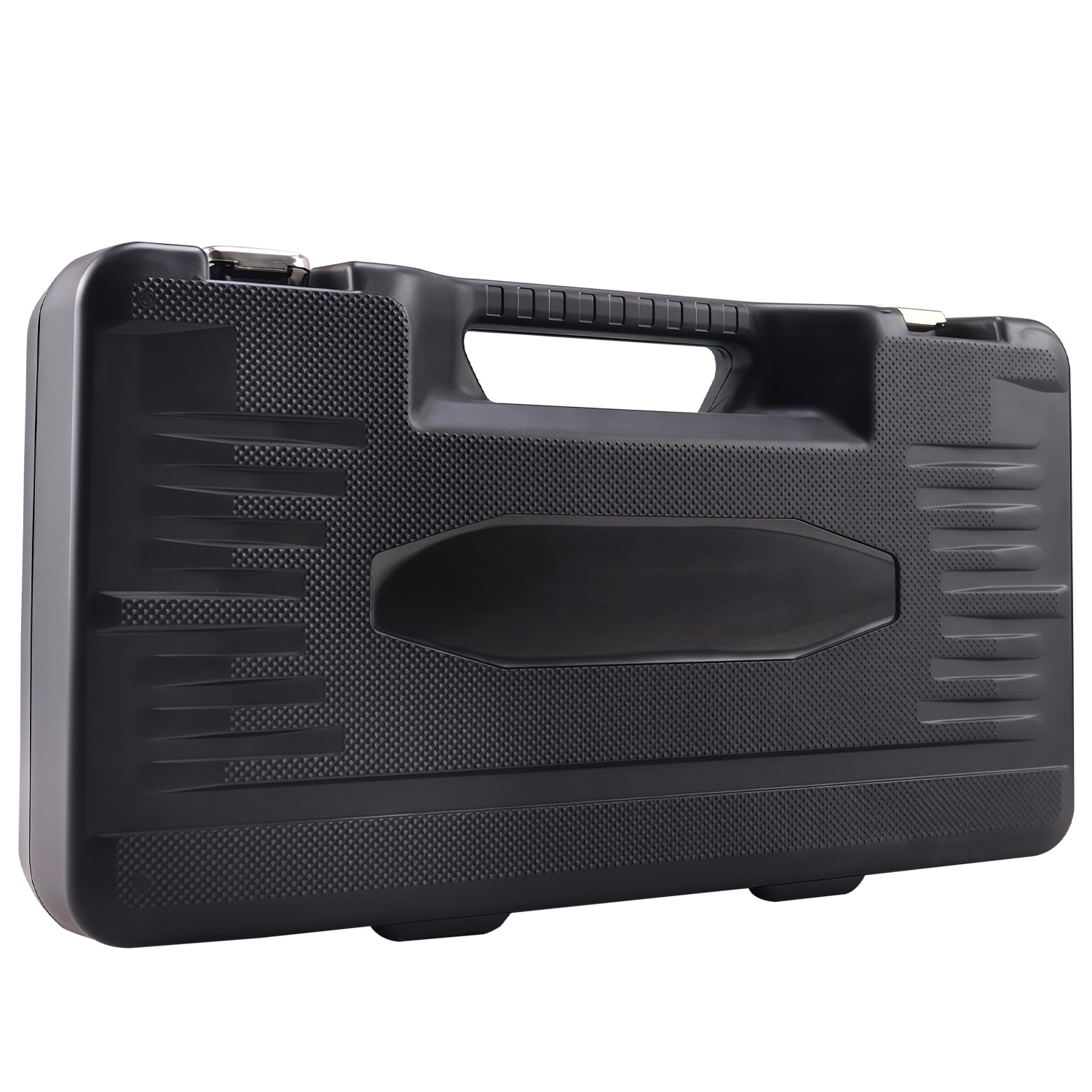
Finally, some buyers skip storage considerations. A torque wrench stored loosely in a truck bed or tossed behind a shop bench is more likely to suffer damage than one kept in a molded case. The included hard case is not a luxury item; it is part of keeping the tool usable.
Practical advice for workshop and roadside users
If this tool is going into a vehicle, the case matters almost as much as the wrench. Roadside kits get knocked around, exposed to temperature swings, and sometimes forgotten for months. A molded case with latch closure helps keep the sockets from disappearing into the trunk. That sounds minor until you have one socket missing and a tire halfway off.
In a workshop, the advantage is organization. Common lug sizes in one box cut down on searching, and the visual markings on the sockets can speed up repetitive work. That is not a substitute for proper process, but it supports it.
One practical caution: if your team works across multiple vehicle types, label the kit internally or attach a simple inventory note. Small portable sets are easy to borrow, and then they are no longer where anyone expects them to be. That happens in every shop sooner or later.
FAQ
Is this tool only for wheel lug nuts?
No. Based on the available product information, it is aimed at automotive fastening in general, though the visible socket sizes and wrench style make wheel service the clearest use case.
Can I use it for impact work?
That cannot be verified from the image. Buyers should confirm whether the sockets and wrench are intended for impact tools before using them that way. Do not assume.
Does the kit include the sizes most people need?
It includes 17 mm, 19 mm, and 21 mm sockets, which covers many common lug nut applications, but not all vehicles. Check your exact lug size before ordering.
Is the torque range visible?
The scale is visible in ft-lb, but the exact torque range is not fully readable from the provided image. That is one of the first details buyers should verify.
A sensible next step
If you are considering an ATsafepro torque wrench kit for tire service, the best next step is to match the wrench range and socket sizes to the vehicles you actually service. That simple check will tell you far more than the photos alone. Once the basics line up, the kit’s visible strengths are easy to appreciate: a ratcheting head, common lug sockets, a readable torque scale, and a case that keeps the set together.
For sourcing teams and buyers, that combination is usually what turns a generic hand tool into a useful field kit. Not flashy, just practical. And in automotive service, practical is often the whole point.