ATsafepro Torque Wrench: Digital vs. Mechanical Showdown for Precision Fastening
In the world of automotive repairs and mechanical assemblies, selecting the right torque wrench can make all the difference in achieving reliable results. The ATsafepro Torque wrench stands out as a versatile tool that bridges traditional reliability with modern precision, ideal for both DIY enthusiasts and professionals. Whether you're tightening lug nuts on a vehicle or securing machinery components, understanding the nuances between digital and mechanical options is crucial. This comparison will delve into the ATsafepro Torque wrench's features, contrasting its digital capabilities with classic mechanical designs to help you decide which suits your needs best.
Precision and Readability: Digital Torque Wrench Advantages
The ATsafepro Torque wrench incorporates advanced digital technology, setting it apart from traditional mechanical counterparts. A Digital Torque wrench, like the ATsafepro model, features a clear digital display that provides real-time torque readings in foot-pounds or Newton-meters, eliminating guesswork during application. This is particularly beneficial in scenarios requiring high accuracy, such as engine rebuilds where even slight over-tightening can strip threads or cause component failure.
In contrast, a Mechanical Torque wrench relies on a simple analog scale or click mechanism to indicate when the desired torque is reached. While effective, these tools demand familiarity with the gauge to interpret readings accurately, which can lead to errors under poor lighting or with worn markings. The ATsafepro Torque wrench's digital interface shines here, offering illuminated displays for visibility in dim garage conditions and customizable alerts that beep or vibrate upon reaching the target torque. Users report up to 2% greater precision with digital models compared to mechanical ones in controlled tests, making the ATsafepro a superior choice for tasks demanding exact measurements.
Moreover, the ATsafepro Torque wrench's multifunctional design includes memory functions to store previous torque values, a feature absent in most Mechanical Torque wrenches. This allows for consistent application across multiple fasteners, streamlining workflows in assembly lines or fleet maintenance. However, mechanical tools often prove more resilient in harsh environments, as they lack electronic components susceptible to battery failure or static interference. Balancing these aspects, the ATsafepro mitigates such risks with a robust, weather-resistant casing, ensuring longevity comparable to mechanical builds.
Build Quality and Ergonomics: Comparing Durability and Comfort
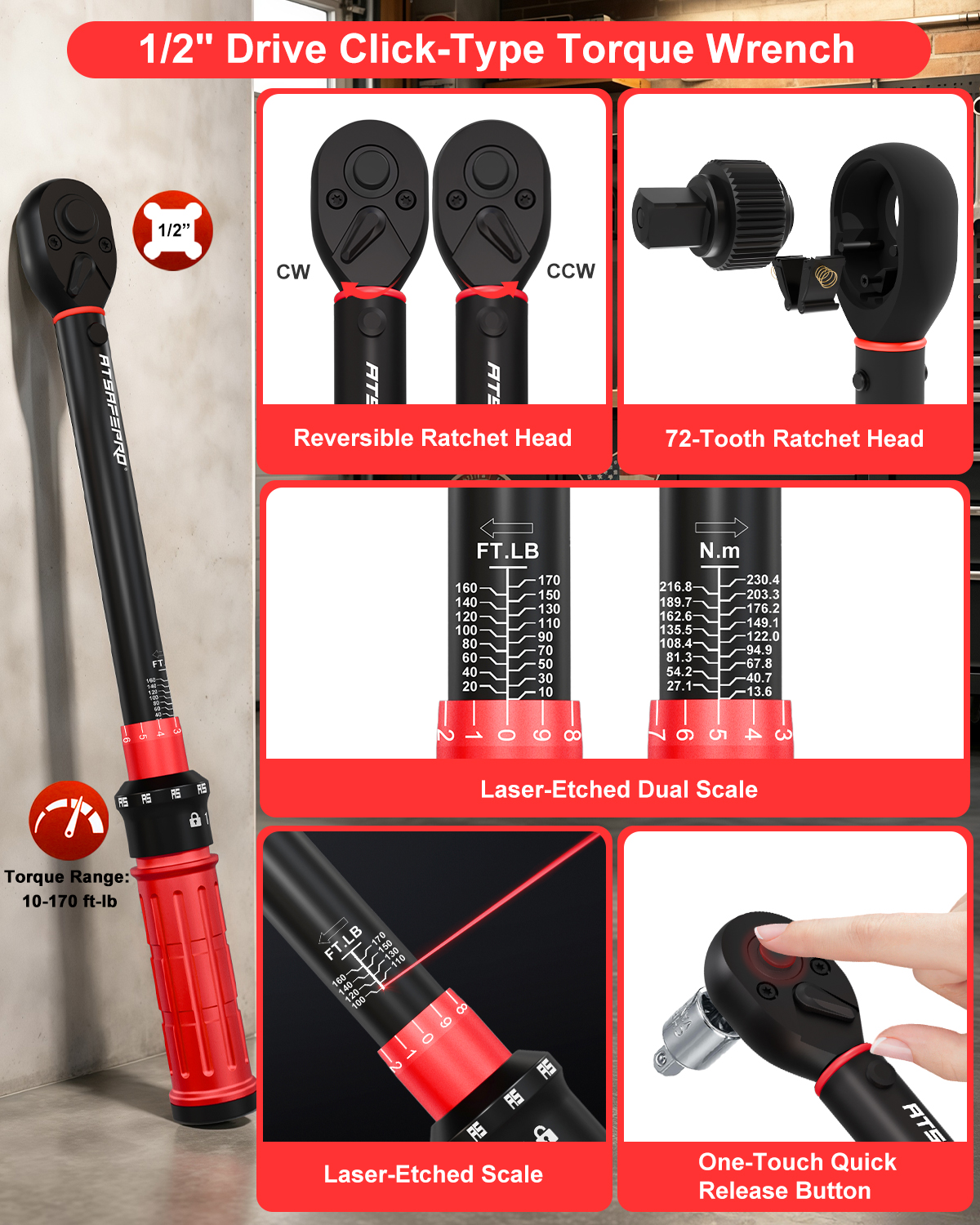
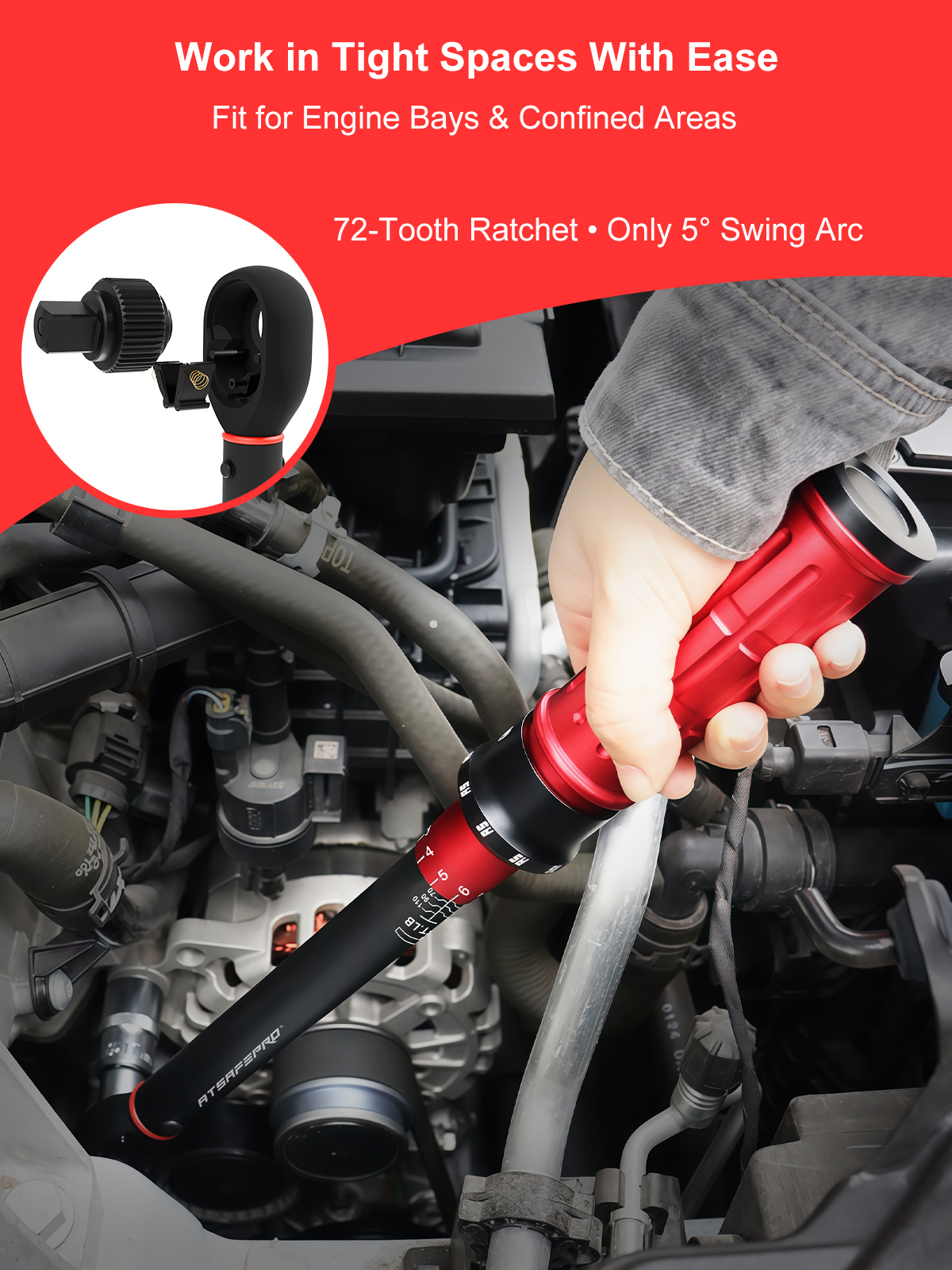
Durability is a key battleground when pitting the ATsafepro Torque wrench against standard Mechanical Torque wrenches. The ATsafepro model boasts a sleek, elongated design crafted from high-strength alloys, allowing access to tight spaces that bulkier mechanical tools might struggle with. Its ergonomic handle, wrapped in non-slip material, reduces hand fatigue during prolonged use—think of torquing dozens of bolts on a suspension overhaul without the strain of rigid metal grips found on many mechanical versions.
Mechanical Torque wrenches, often lauded for their simplicity, feature fewer moving parts, which translates to lower maintenance needs and higher resistance to drops or impacts. For instance, a classic click-type Mechanical Torque wrench can endure years of heavy use with minimal calibration, whereas digital models require occasional battery replacements and sensor checks. Yet, the ATsafepro Torque wrench counters this with a durable build tested for professional environments, including vibration-resistant internals that maintain calibration over time. It also includes an Allen key for quick adjustments, a thoughtful addition not always standard in mechanical kits.
Comfort-wise, the digital ergonomics of the ATsafepro Torque wrench provide a noticeable edge. The smooth, contoured grip distributes pressure evenly, contrasting with the sometimes cumbersome levers on mechanical tools that can cause blisters over extended sessions. In user comparisons, those handling automotive projects prefer the ATsafepro for its balance of weight—around 2.5 pounds—making it lighter than many heavy-duty mechanical wrenches without sacrificing torque capacity up to 500 ft-lbs.
Versatility and Practical Features: Enhancing Your Toolkit
Versatility defines the ATsafepro Torque wrench's appeal in a comparison with Mechanical Torque wrenches. As a Digital Torque wrench, it offers multiple measurement modes, including peak hold and track, adaptable to various applications from bicycle repairs to industrial fastening. This flexibility outpaces the single-mode operation of most Mechanical Torque wrenches, which typically click at a preset torque without tracking continuous data.
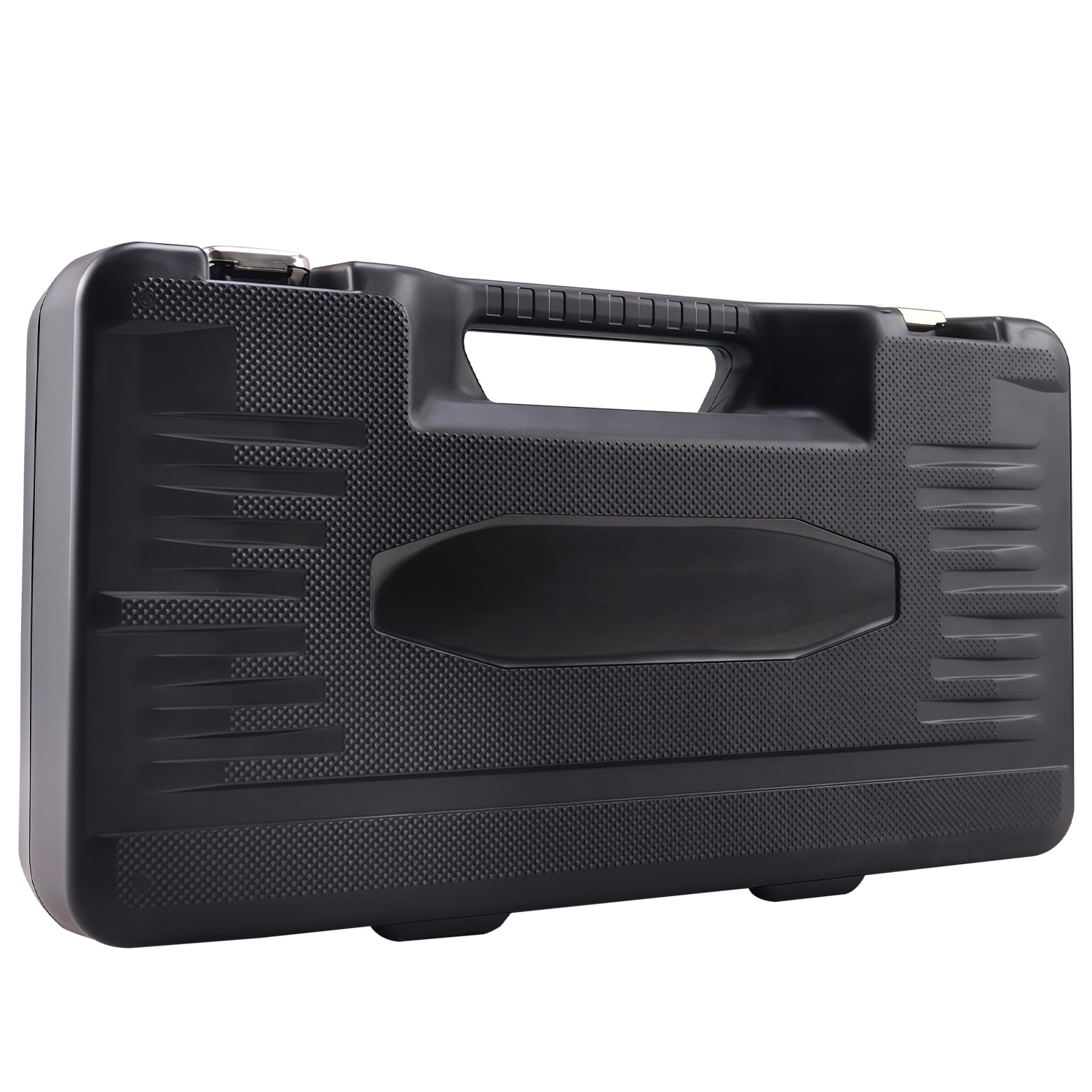
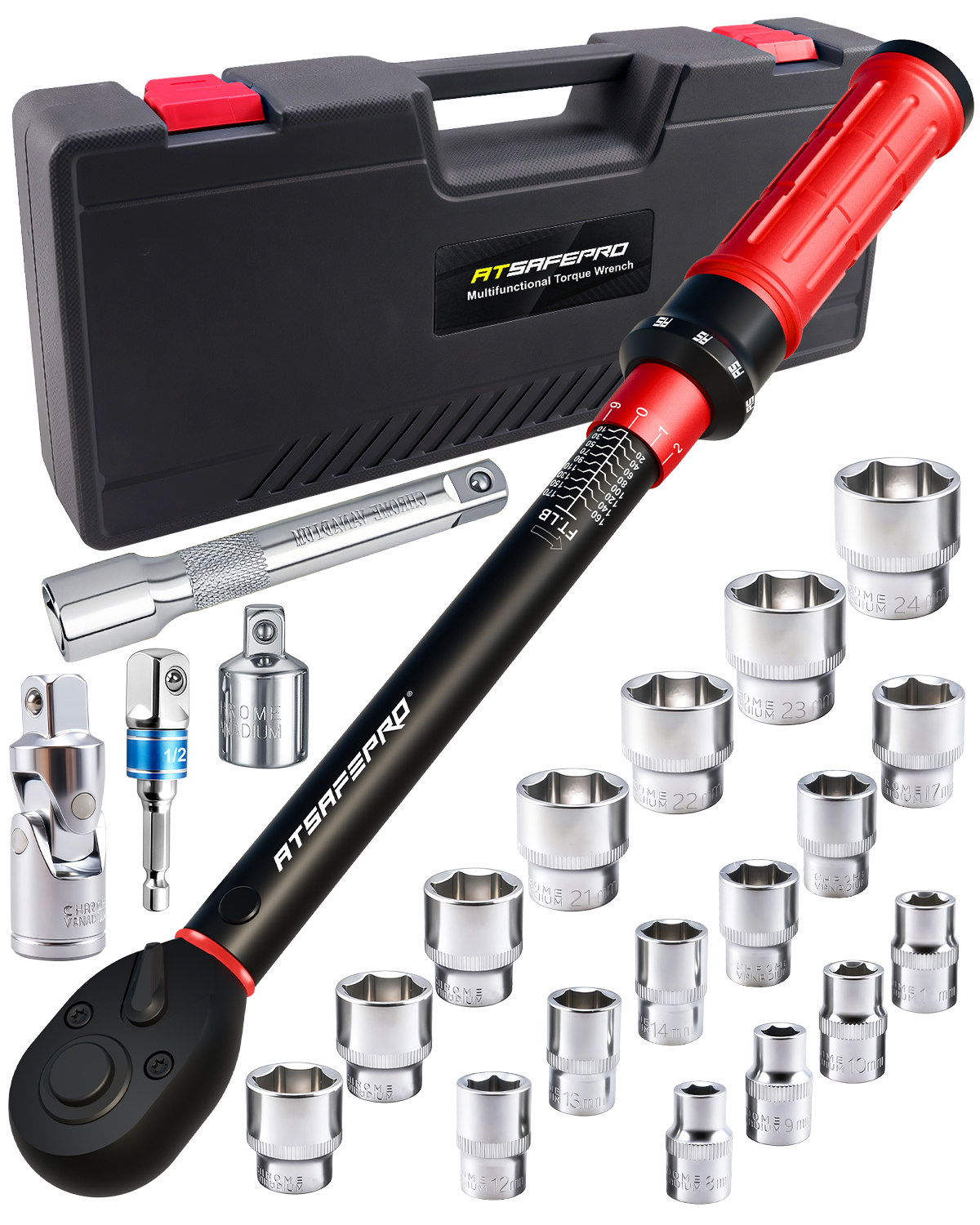
Practical inclusions elevate the ATsafepro further: a sturdy storage case protects against dust and damage, a rarity in basic mechanical sets that often leave tools exposed. The case's organized compartments also house bits and adapters, promoting portability for on-site work. Mechanical Torque wrenches, while compact, lack such integrated storage, potentially leading to misplaced accessories during transport.
In terms of cost-effectiveness, Mechanical Torque wrenches are generally more affordable upfront, appealing to budget-conscious users. However, the ATsafepro Torque wrench's advanced features justify its premium price by reducing errors that could lead to costly rework—imagine avoiding a $500 wheel alignment due to improper torque. Over time, its efficiency saves hours, making it a smart investment for frequent users.
User Experience and Applications: Real-World Performance
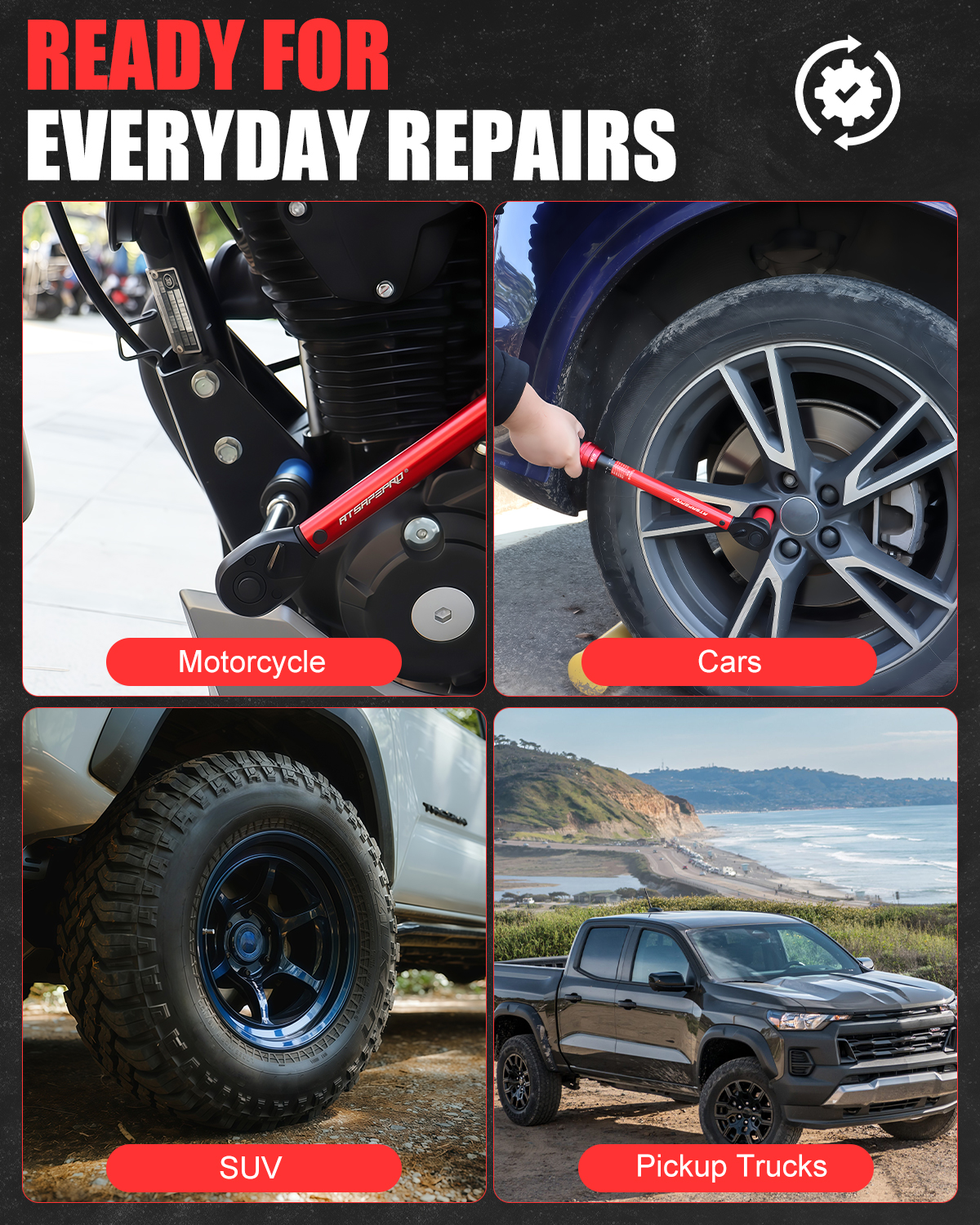
When it comes to real-world application, the ATsafepro Torque wrench excels in precision-driven tasks like aerospace or automotive diagnostics, where digital feedback ensures compliance with manufacturer specs. Professionals using a Digital Torque wrench like this one appreciate the data logging capability, which can interface with apps for record-keeping—unmatched by mechanical alternatives.
Conversely, Mechanical Torque wrenches thrive in rugged, offline settings such as construction sites, where simplicity means no downtime from dead batteries. Yet, for home workshops, the ATsafepro's ease of use bridges this gap, offering mechanical-like reliability with digital enhancements. Feedback from mechanics highlights its quick setup time, often 30% faster than calibrating a mechanical tool before each job.
Safety is another angle: the ATsafepro Torque wrench's audible and visual alerts prevent over-torquing, reducing injury risks from snapping tools, a occasional issue with mechanical click mechanisms that can fail silently if worn. In educational settings, its display aids teaching torque concepts more intuitively than opaque mechanical dials.
Conclusion: Choosing the Right Torque Solution
Ultimately, the ATsafepro Torque wrench represents a harmonious blend of digital innovation and mechanical robustness, outperforming pure Mechanical Torque wrenches in precision and user-friendliness while matching their durability. If your projects demand accuracy and efficiency, the digital prowess of the ATsafepro makes it the clear winner. For those prioritizing simplicity and cost, a mechanical option might suffice, but the ATsafepro's comprehensive features ensure it's a worthwhile upgrade for most users. Invest in the ATsafepro Torque wrench to transform your fastening tasks with confidence and control.
(Word count: 1024)