ATsafepro torque wrench: 8 things buyers should check before they put it in service
The ATsafepro torque wrench sits in a busy part of the market: the practical, workshop-ready category where a tool is bought to do a job repeatedly, not to sit in a display case. For engineers, maintenance teams, and sourcing managers, that means the real question is not whether a torque wrench looks robust. It is whether the design, accessories, and handling features fit the work you actually do.
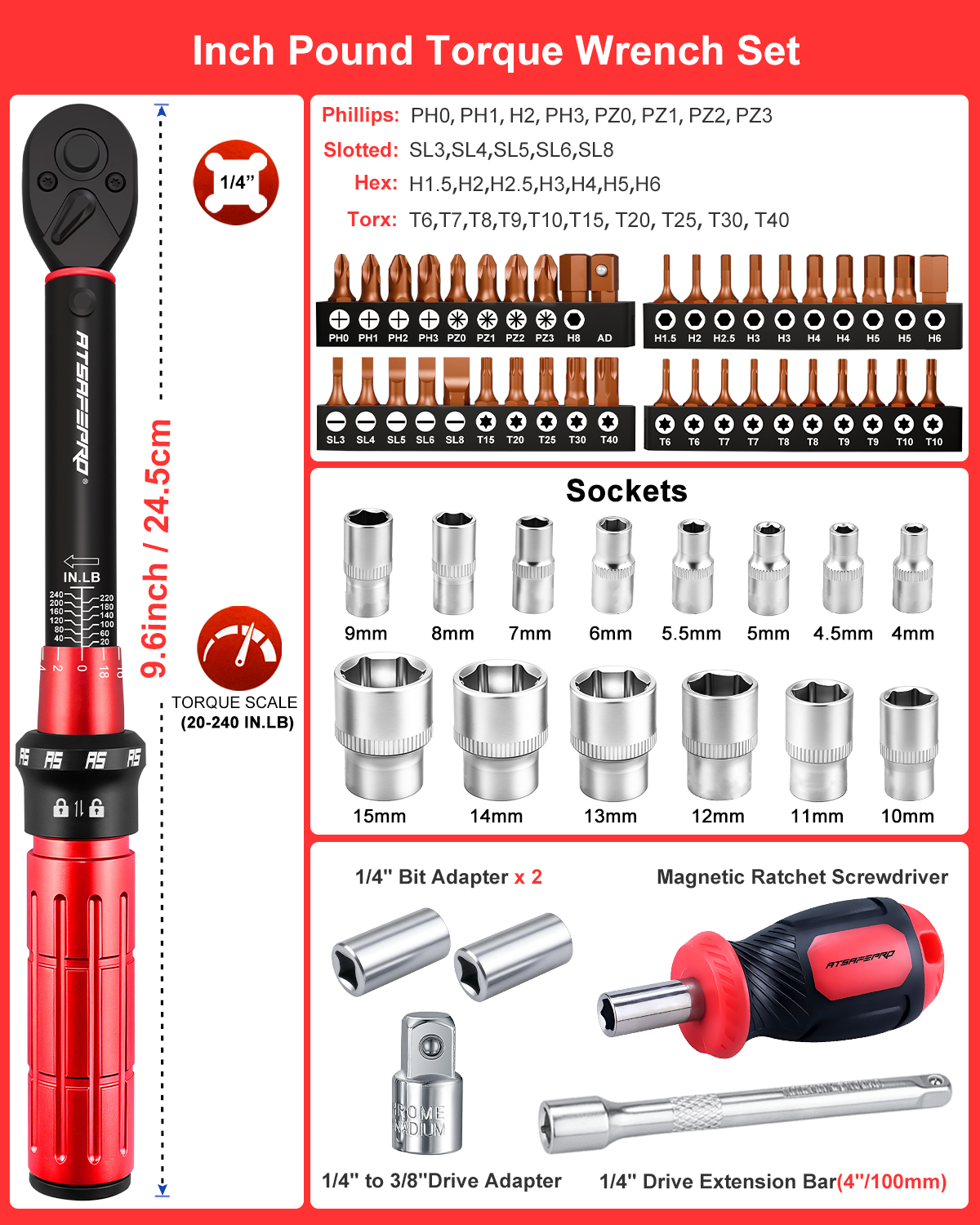
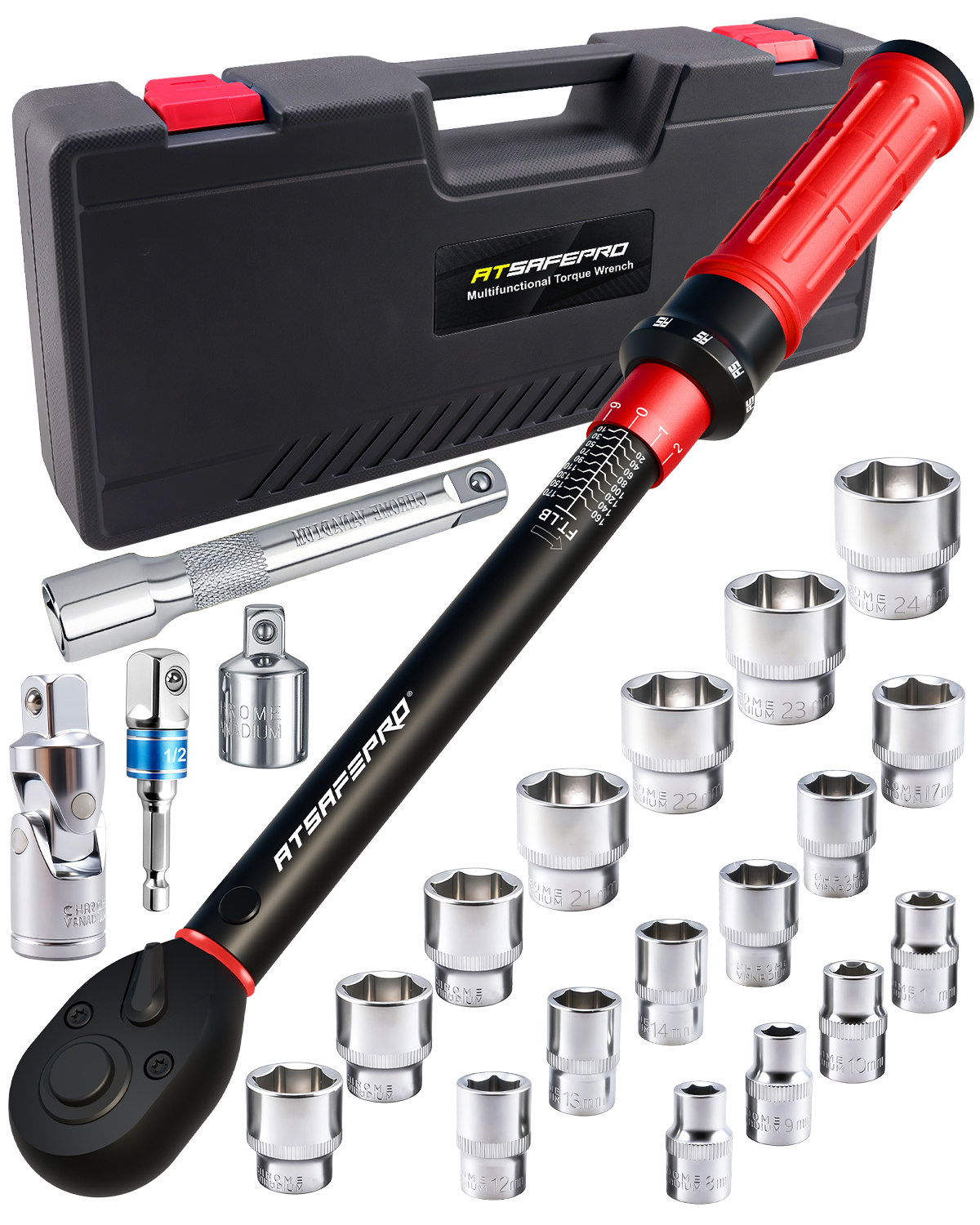
Based on the visible product structure, this is an adjustable click-type torque wrench / torque ratchet wrench kit with interchangeable sockets, a hard carrying case, and a few accessory pieces. That combination is useful for automotive repair, tire service, machinery assembly, and general fastening tasks where torque control matters. If you are evaluating it for procurement or shop use, the following points are the ones worth checking first.
1. Start with the use case, not the catalog picture
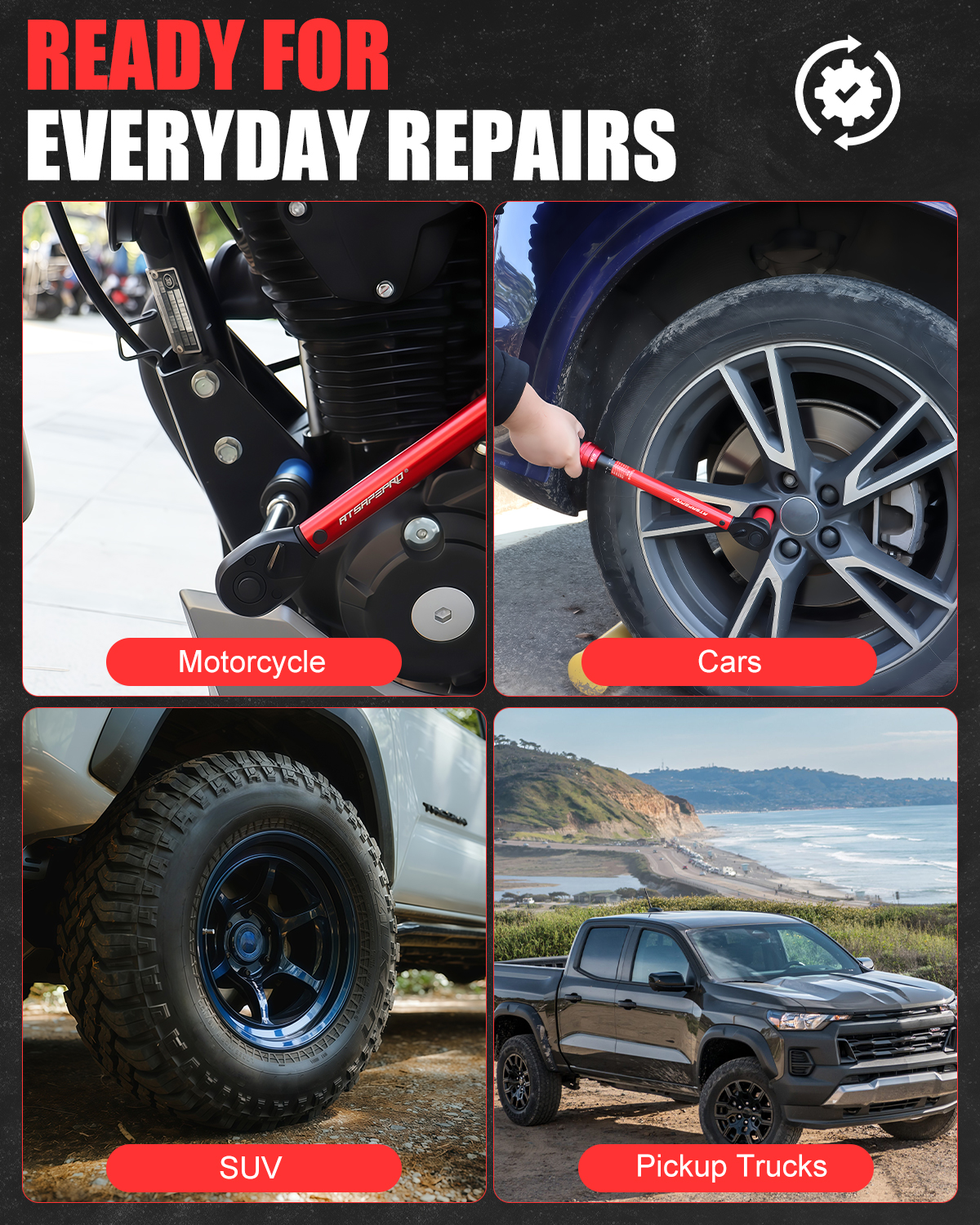
A torque wrench is only useful when it matches the fastening task. A mechanic tightening wheel lug nuts has different needs from a maintenance technician assembling machine hardware, and both differ again from a production line operator using controlled fastener procedures. The ATsafepro torque wrench kit appears aimed at that general-purpose middle ground: enough accessories to cover common workshop sizes, plus a ratcheting head for quicker operation.
That matters because buyers often compare torque tools by appearance alone. A long handle, a scale on the shaft, and a solid case can all look reassuring, but the first decision is whether the tool format suits your process. If your team regularly changes sockets and works across a few standard sizes, a kit like this is convenient. If you need a narrow torque band, documented calibration, or a dedicated industrial specification, convenience should not distract from the technical review.
2. The included sockets are a practical clue about intended use
One of the more visible selling points is the socket set. The sizes that can be clearly seen include 17 mm, 19 mm, and 21 mm, which strongly suggests automotive and wheel-service applications. Those are the kinds of sizes many shops reach for often, especially during tire rotation, brake work, and general vehicle maintenance.
The sockets appear to be stored in color-coded sleeves, with a molded case to keep the set together. From a buyer’s point of view, that is not a minor convenience. Loose sockets get misplaced, and mixed kits create small but expensive delays. A tidy case reduces tool loss and makes it easier to issue the wrench to a technician without spending time hunting for the right accessory.
There is a caution here, though: do not assume every included socket is suitable for every demanding application. The product visual suggests robust socket construction, but exact grades and impact ratings are not verified from the image alone. If the tool will be used with a strong impact environment or on seized fasteners, confirm the socket specification before you buy in volume.
3. The ratcheting head and direction selector improve shop flow
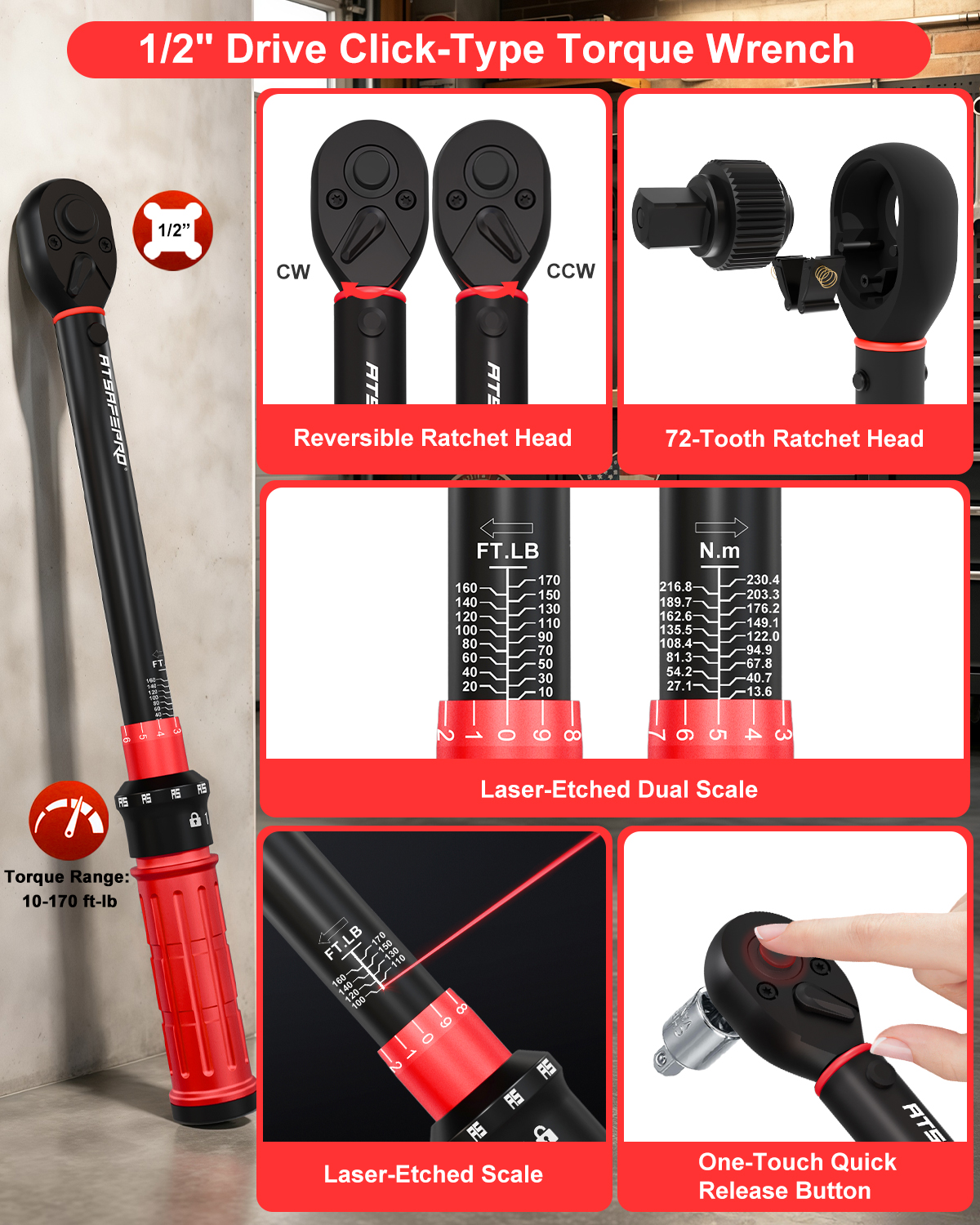
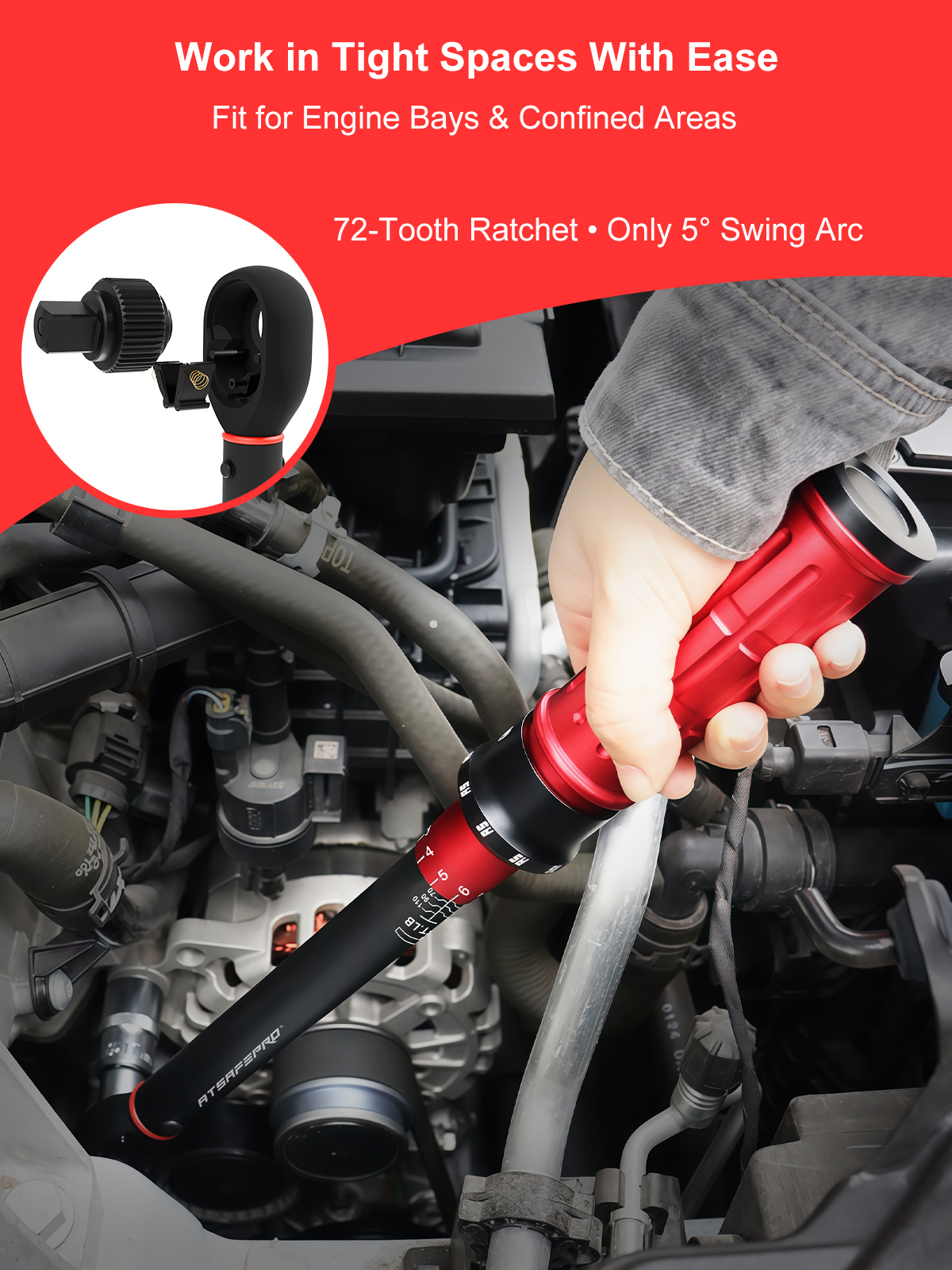
The black ratchet head at the top, with a directional selector, is one of the more useful features for day-to-day work. In real shops, technicians rarely tighten only one fastener in a neat, unobstructed space. They work in wheel wells, under machinery frames, or around adjacent components where repositioning the wrench wastes time.
A ratcheting head allows repeated engagement without fully removing the tool after each stroke, which helps in tighter spaces. The direction selector matters too, because a wrench used for both tightening and loosening tasks must be easy to switch and easy to read. That sounds basic, but basic is often what keeps a line moving when the crew is busy.
4. Read the torque scale like a production control feature
The red shaft with engraved torque scale markings is more than a styling detail. It tells you how the tool is intended to be set, checked, and used in routine fastening. For many buyers, the scale is the interface between the mechanic and the process requirement. If the scale is clear and durable, the tool is easier to set consistently. If it is faint or crowded, the chance of misuse rises.
On a tool like this, visibility matters. In a workshop, light is uneven, hands are oily, and operators do not always slow down to read small markings. Buyers should look for legibility, a sensible scale layout, and a setting mechanism that feels deliberate rather than loose. The image suggests a hand-tool design aimed at practical use, but exact torque range and calibration accuracy are not supplied, so those details should be requested if the application is controlled or audited.
5. The handle and body design tell you a lot about fatigue and control
The long metal body and black textured grip point toward a tool designed for leverage and steadier handling. That is useful because torque work is partly about feel. Even with a preset wrench, the operator still needs a grip that helps maintain alignment and avoid awkward wrist angles.
From a shop-floor perspective, the length of the wrench affects both comfort and practicality. A longer body can help with leverage, but it can also become inconvenient in tight engine bays or compact machine assemblies. Since the overall length is not specified, buyers should check it against their actual workspace rather than assuming one “standard” size will suit every task. In procurement, that is a small but common mistake.
6. Material and finish are worth checking for wear, not just appearance
The visible construction suggests a metal wrench body, likely steel or alloy, with painted or anodized red sections and a black coated grip area. The sockets appear to be made from a harder alloy with protective sleeves. That combination is typical of hand-tool manufacturing where the manufacturer wants a balance of corrosion resistance, toughness, and user comfort.
For buyers, the finish is not merely cosmetic. Surface coating affects how the wrench survives handling, drawer storage, and occasional exposure to shop contaminants. Painted or coated sections can also help with quick identification, which is a small but practical advantage when multiple tools are in circulation. Still, finish should not be mistaken for performance. A good-looking coating does not confirm the internal torque mechanism quality, and that is the part that actually controls results.
7. The carrying case adds value, but only if the kit stays organized
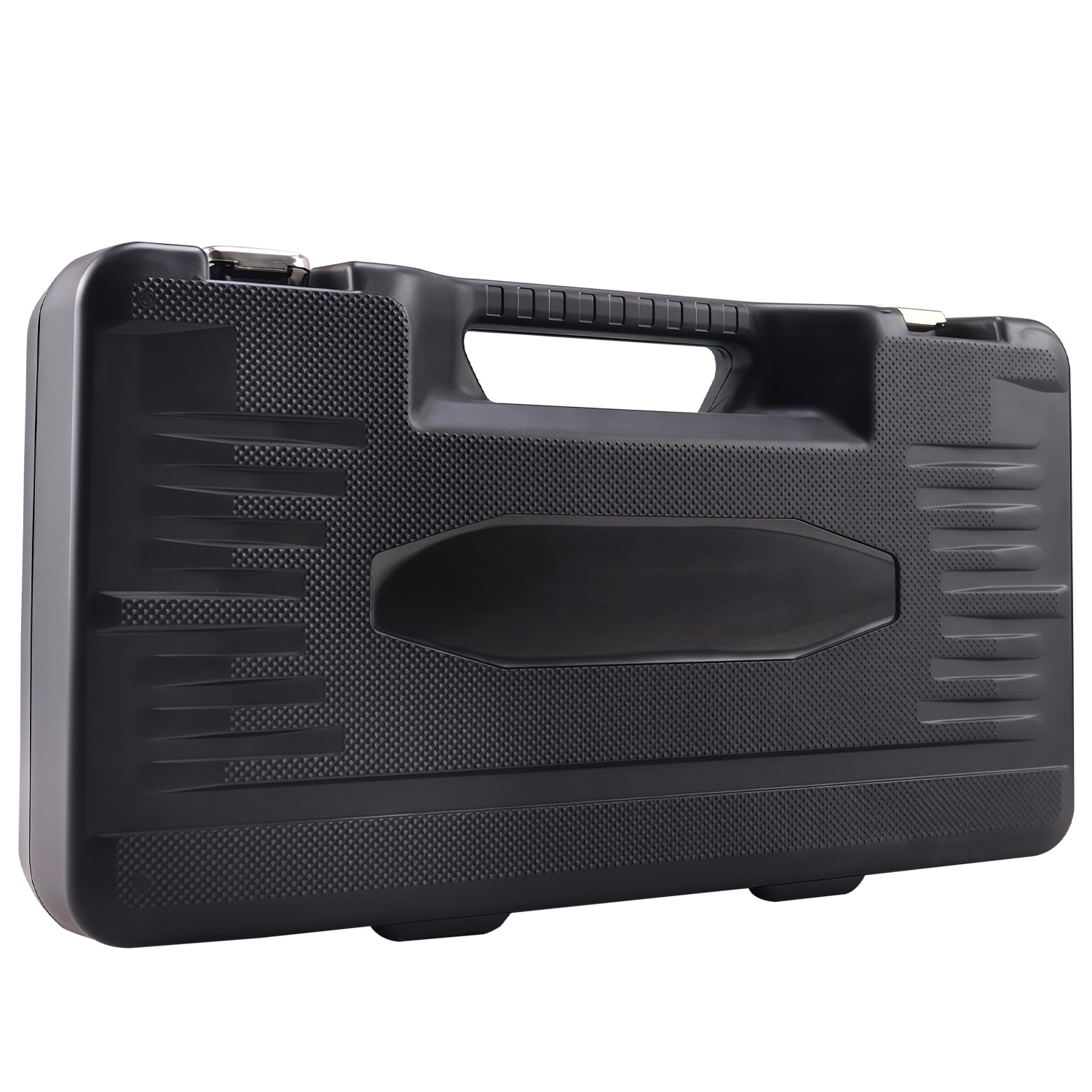
The hard plastic case is a sensible inclusion. Tool control is a real issue in maintenance environments, and a dedicated case makes it easier to issue, return, and inspect the wrench as a complete kit. It also reduces transit damage when the tool is moved between sites or stored in a vehicle.
That said, a case is only useful if the insert layout is practical. Some cases look neat on day one and become cluttered after a few weeks because accessories do not stay seated properly. Buyers should examine whether the sockets, adapters, and wrench body have a secure fit. If the kit will travel frequently, that detail matters more than the color of the shell.
8. Know the limits of what can be inferred from the product image
This is where disciplined sourcing pays off. From the visible information, the ATsafepro torque wrench looks like a versatile adjustable torque ratchet kit with common socket sizes and a compact storage format. But several important specifications are not verifiable from the image alone: exact torque range, drive size, calibration accuracy, material grade, and whether the sockets are truly impact-rated.
That means the decision-making process should be conservative. If the wrench is for general workshop use, the visible features may already cover many needs. If it is for a controlled assembly process, a fleet maintenance standard, or a safety-critical fastening step, ask for the specification sheet and any calibration documentation available from the seller. The cost of one incorrect fastening event is usually much higher than the price difference between tools.
Quick buyer checklist for sourcing teams
- Confirm the torque range before approving the tool for a specific process.
- Check the ratchet direction selector for clarity and smooth operation.
- Verify socket sizes against the fasteners actually used in your plant or shop.
- Inspect the case layout to see whether accessories will stay organized in service.
- Request any available calibration or quality documentation if the tool will support controlled assembly.
- Make sure the handle length and head size fit the working space, not just the catalog image.
Common mistakes buyers make with torque wrench kits
The first mistake is buying for completeness rather than fit. A kit with several sockets feels versatile, but if the wrench range or drive format is wrong, the extra pieces do not help. The second mistake is assuming all included accessories are equal in quality. In mixed kits, the wrench body may be the main attraction while the accessories are merely serviceable. That is fine for casual use, but less ideal in heavier duty environments.
A third mistake is ignoring training. Even a straightforward click-type torque wrench can be misused if operators are unclear on setting, storage, or resetting procedures. In workshops, tools often fail less from dramatic breakage than from everyday abuse: over-winding settings, dropping the wrench, or using it as a breaker bar. That last one still happens more often than it should.
FAQ: what buyers usually want to know
Is the ATsafepro torque wrench suitable for automotive work?
Based on the visible socket sizes and ratchet-style head, it appears well suited to automotive and tire-service tasks, especially where common sizes like 17 mm, 19 mm, and 21 mm are in regular use.
Does the kit look suitable for workshop storage?
Yes. The molded hard case is a practical feature for storage, transport, and kit control. That said, the real test is whether the sockets and wrench stay seated securely over time.
Can I assume it is a click-type torque wrench?
It appears likely from the visible structure, but that should be confirmed by the seller before purchase. It is better to verify the mechanism type than to guess, especially if the tool will be used in a controlled fastening process.
What a sensible next step looks like
If your application is general workshop fastening, the ATsafepro torque wrench kit has the kind of features buyers usually want: a ratcheting head, visible torque markings, included sockets, and a storage case. If your application is more demanding, treat the product as a candidate rather than a finished answer. Ask for the exact torque range, drive size, mechanism details, and any calibration information that applies.
That is usually the best procurement habit with hand tools. Start with the visible build quality, then close the gaps in the specification. A wrench that looks right is useful; a wrench that is technically matched to the job is better.