When it comes to precision mechanical work, few tools are as critical as the torque wrench. Ensuring that nuts and bolts are tightened to the manufacturer's specified torque is not just a matter of good practice; it's essential for safety, performance, and longevity, whether you're working on a car engine, a bicycle frame, or industrial machinery. However, choosing the right tool for the job can be challenging, as the market is primarily divided between two major types: the traditional mechanical torque wrench and the modern digital torque wrench. Each has its own set of strengths and weaknesses, and understanding these differences is key to making an informed decision that suits your specific needs.
The Classic Workhorse: The Mechanical Torque Wrench
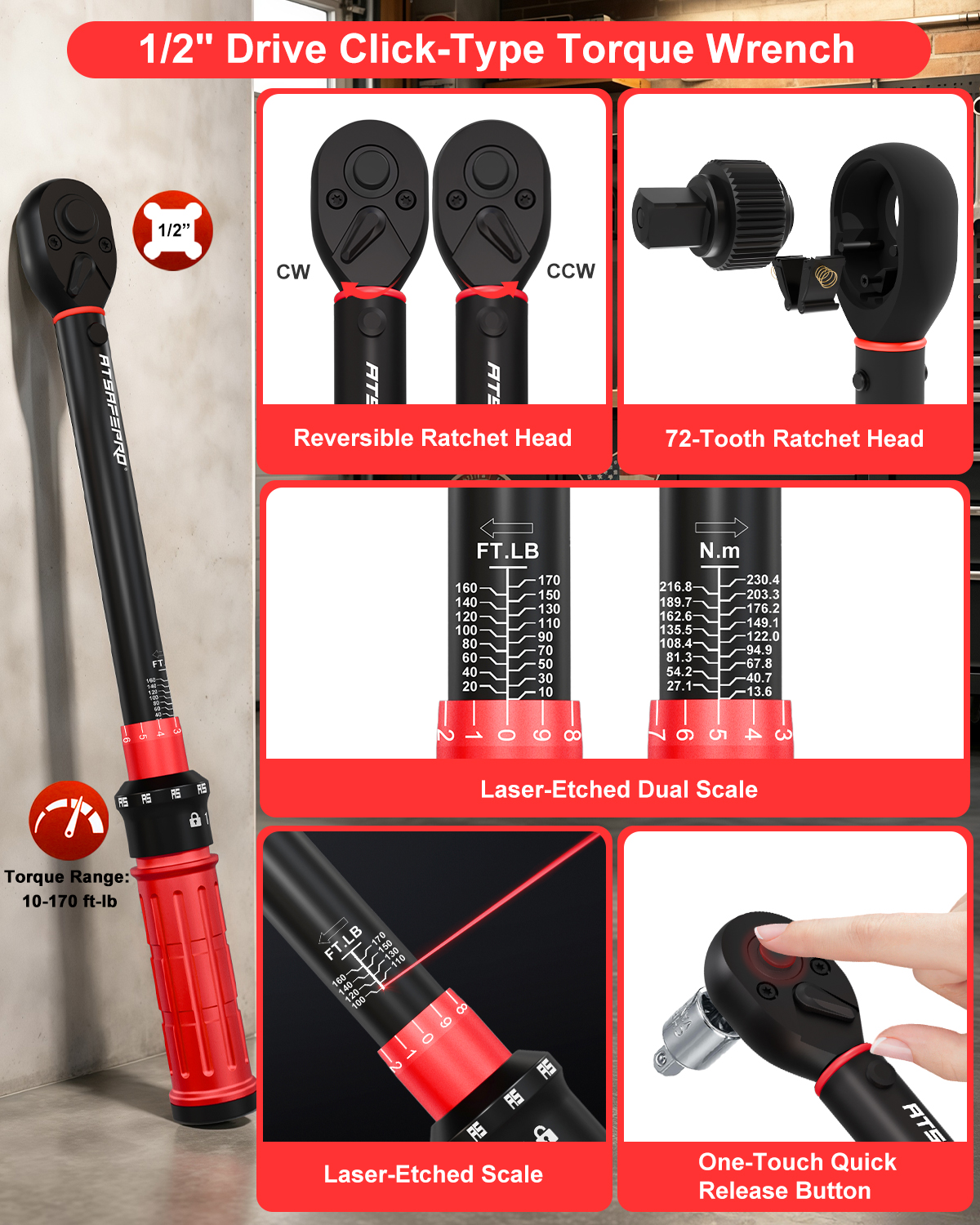
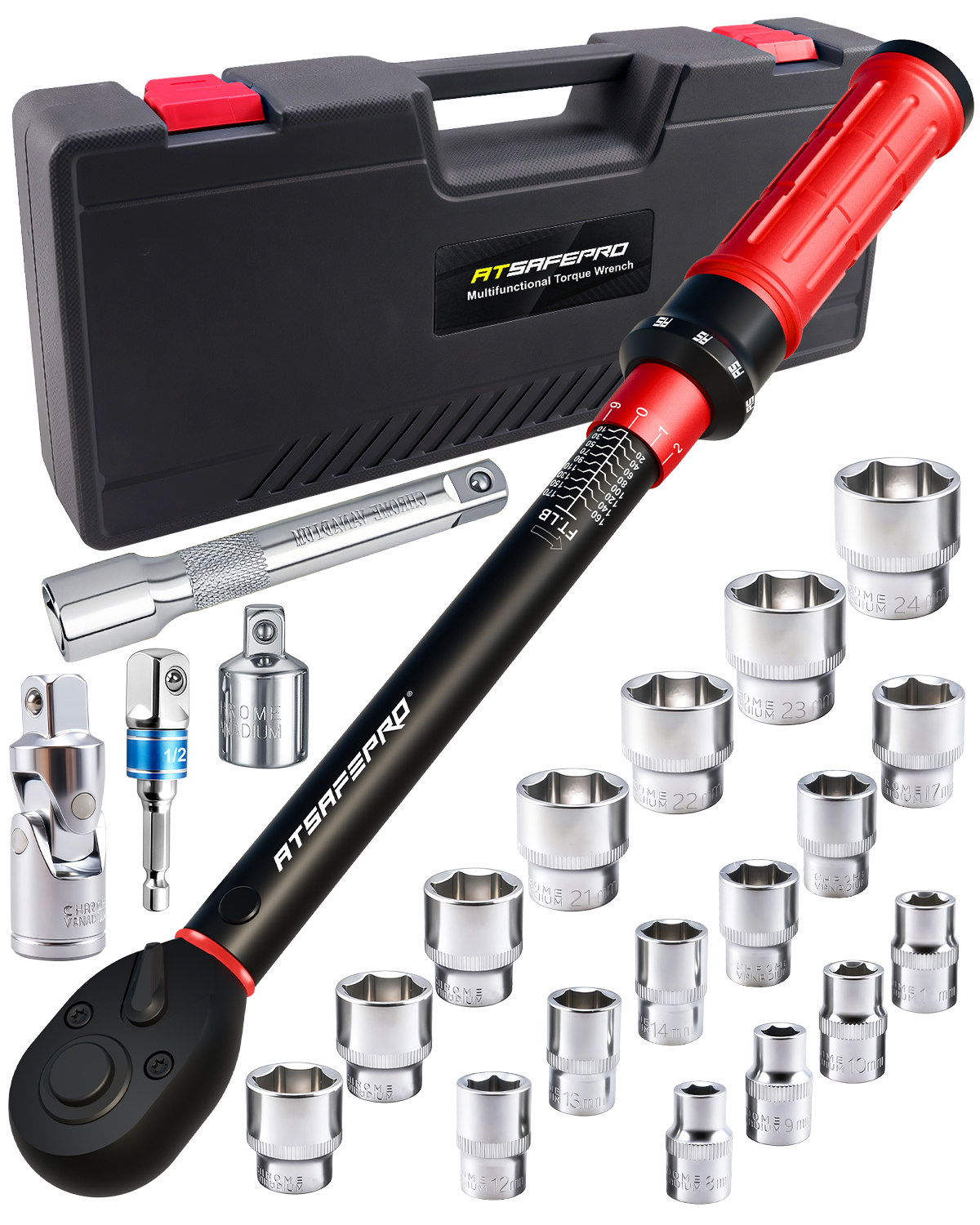
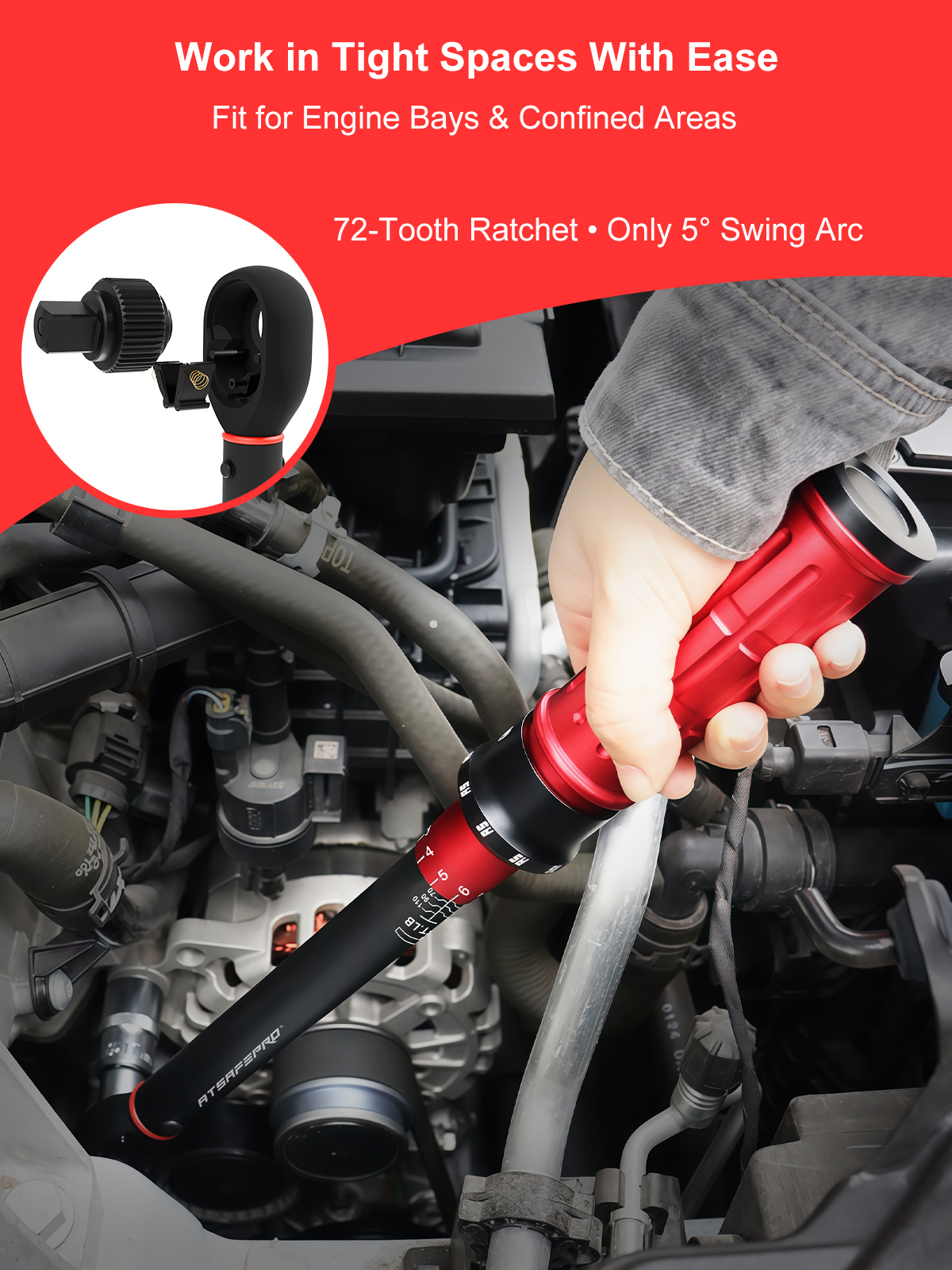
The mechanical torque wrench is the tool that many seasoned mechanics and DIY enthusiasts grew up with. The most common type is the 'click' wrench, which uses an internal calibrated spring and clutch mechanism. The user sets the desired torque value by turning the handle, aligning a mark with a scale engraved on the barrel. When the preset torque is reached during tightening, the mechanism breaks or 'clicks,' providing both an audible and tactile signal to stop applying force. This simple yet effective design has been trusted for decades. Its primary advantages lie in its durability and simplicity. With no electronic components, it is inherently more resistant to drops, dust, oil, and the general abuse of a busy workshop. It requires no batteries, meaning it's always ready for action. Furthermore, these tools are typically more affordable, making them an accessible entry point for anyone needing to perform torque-specific tasks. A high-quality model, for instance, might feature a dual-range design with scales in both inch-pounds and newton meters, engraved clearly on the barrel for high visibility, offering fantastic versatility for a range of projects.
The Modern Standard: The Digital Torque Wrench
Entering the scene with the advancement of technology, the digital torque wrench offers a futuristic approach to precision tightening. Instead of a mechanical spring, it uses an electronic strain gauge to measure the turning force. The torque value is set using buttons and is clearly displayed on an LCD screen. This eliminates the potential for parallax error that can occur when reading a manual scale. As you approach the target torque, these tools often provide progressive alerts, such as a series of beeps that get faster or LED lights that change color, culminating in a final alert (often including a vibration) when the exact torque is reached. The undisputed advantage of a digital model is its superior accuracy and ease of reading. Many models also come packed with advanced features, such as the ability to switch between multiple units of measurement (ft-lb, in-lb, N.m), a 'peak hold' function that displays the highest torque applied, and even memory functions to store preset values or log data for quality control purposes. Some advanced versions even include angle measurement, a critical feature for torque-to-yield bolts common in modern engines.
Key Differences: Durability vs. Features
When placing these two tools side-by-side, the core trade-off becomes clear: rugged simplicity versus feature-rich precision. The mechanical wrench is a robust, reliable tool that can withstand harsh environments without complaint. Its maintenance is straightforward, primarily consisting of regular calibration and remembering to wind the spring down to its lowest setting after use to preserve accuracy. Its digital counterpart, while highly accurate, is a more delicate instrument. Its electronic internals are more susceptible to damage from drops, moisture, and extreme temperatures. It is also entirely dependent on battery power, which can be a significant inconvenience if they die mid-task. However, the features a digital tool offers are simply unattainable with a mechanical one. For professional applications where data logging is required for accountability or where multiple torque specs are used in quick succession, the convenience and advanced functionality of a digital model are invaluable.
Choosing the Right Tool for Your Toolbox
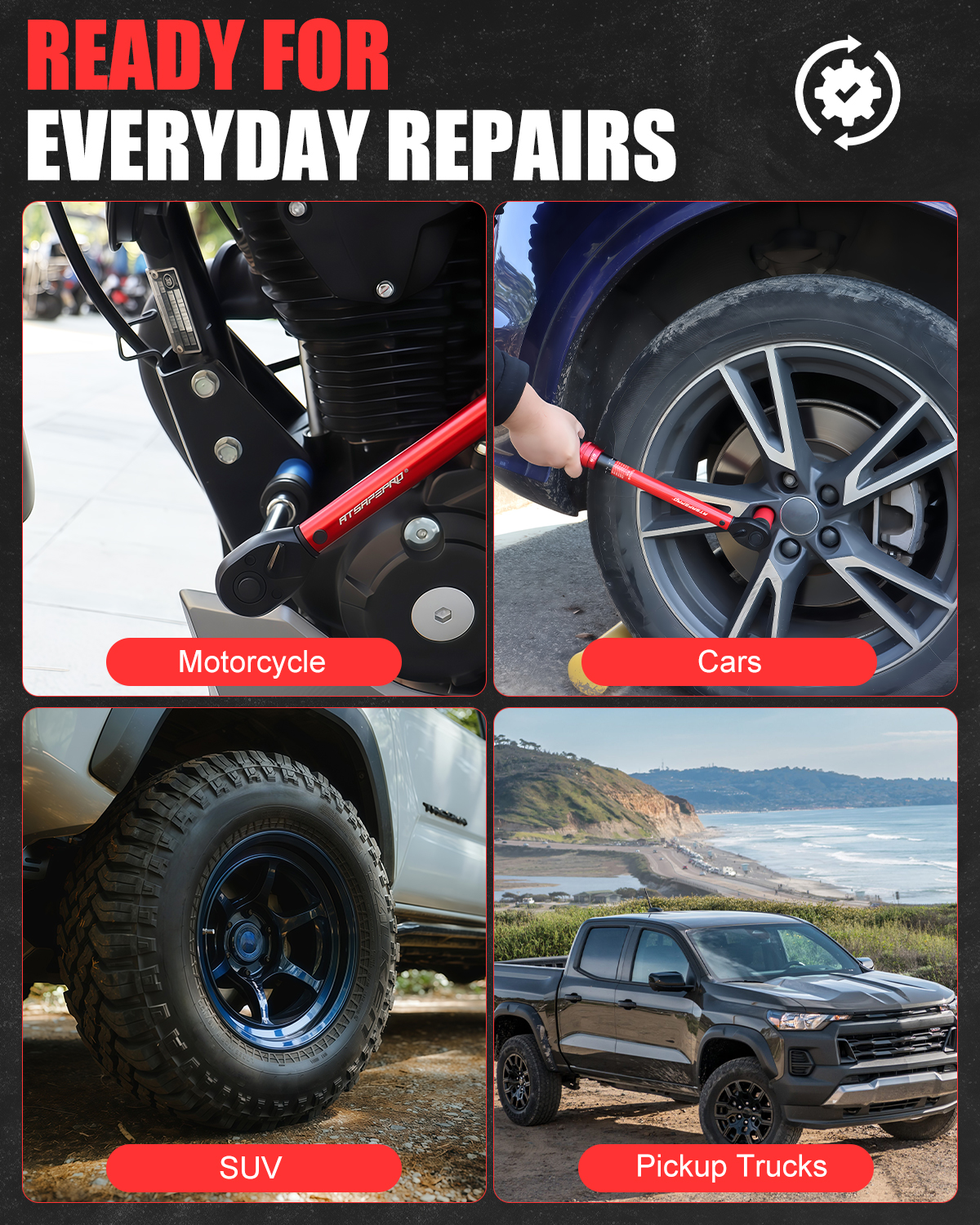
So, which wrench should you choose? The answer depends heavily on your work and budget. For the dedicated home mechanic, DIY enthusiast, or cyclist, a high-quality mechanical torque wrench is often the perfect choice. It provides the necessary accuracy for most common tasks like lug nuts, oil drain plugs, and component assembly, all within a durable and cost-effective package. Its reliability and independence from batteries make it a frustration-free addition to any home garage. On the other hand, for the professional automotive technician, aviation engineer, or industrial assembler, the investment in a digital model is frequently justified. In these high-stakes environments, the enhanced accuracy, clear feedback, and advanced features like angle measurement and data storage are not just conveniences—they are often requirements for ensuring safety and adhering to strict quality standards. Ultimately, the choice is not about which tool is better overall, but which tool is better for you and the tasks you perform. Both represent a commitment to doing the job correctly, and either one is a massive step up from guesswork.