Why a digital caliper choice matters more than it looks
Buying a GODESON Digital Caliper is not just about picking a measuring tool that turns numbers on a screen. For engineers, maintenance teams, and sourcing managers, the real question is whether the caliper will stay readable, survive a busy shop floor, and give consistent results when parts are checked all day long. That is where the details matter: stainless steel construction, a clear LCD readout, an engraved scale, and IP54 dust and splash resistance all influence how useful the tool is once it leaves the catalog photo.
In practice, a digital caliper sits in a strange middle ground. It is inexpensive compared with metrology equipment, but it still gets treated like a first-line inspection tool in many shops. That means small weaknesses show up quickly. A sticky slider slows work. A faded display creates reading errors. A body that dislikes coolant mist or dust does not last long near machine tools. So the decision is less about whether you need a caliper at all, and more about what kind of caliper can keep up with the environment.
What this type of caliper is designed to do
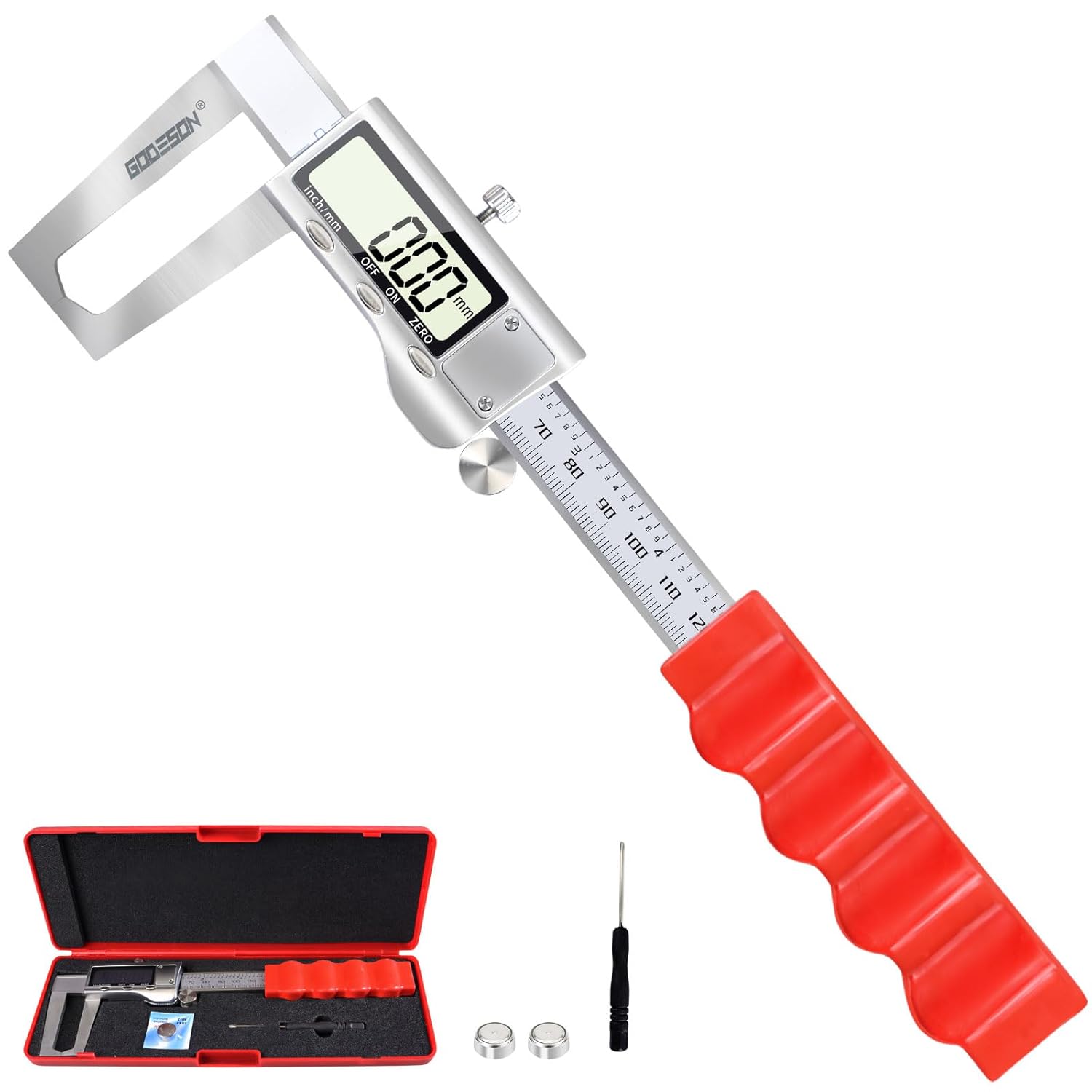
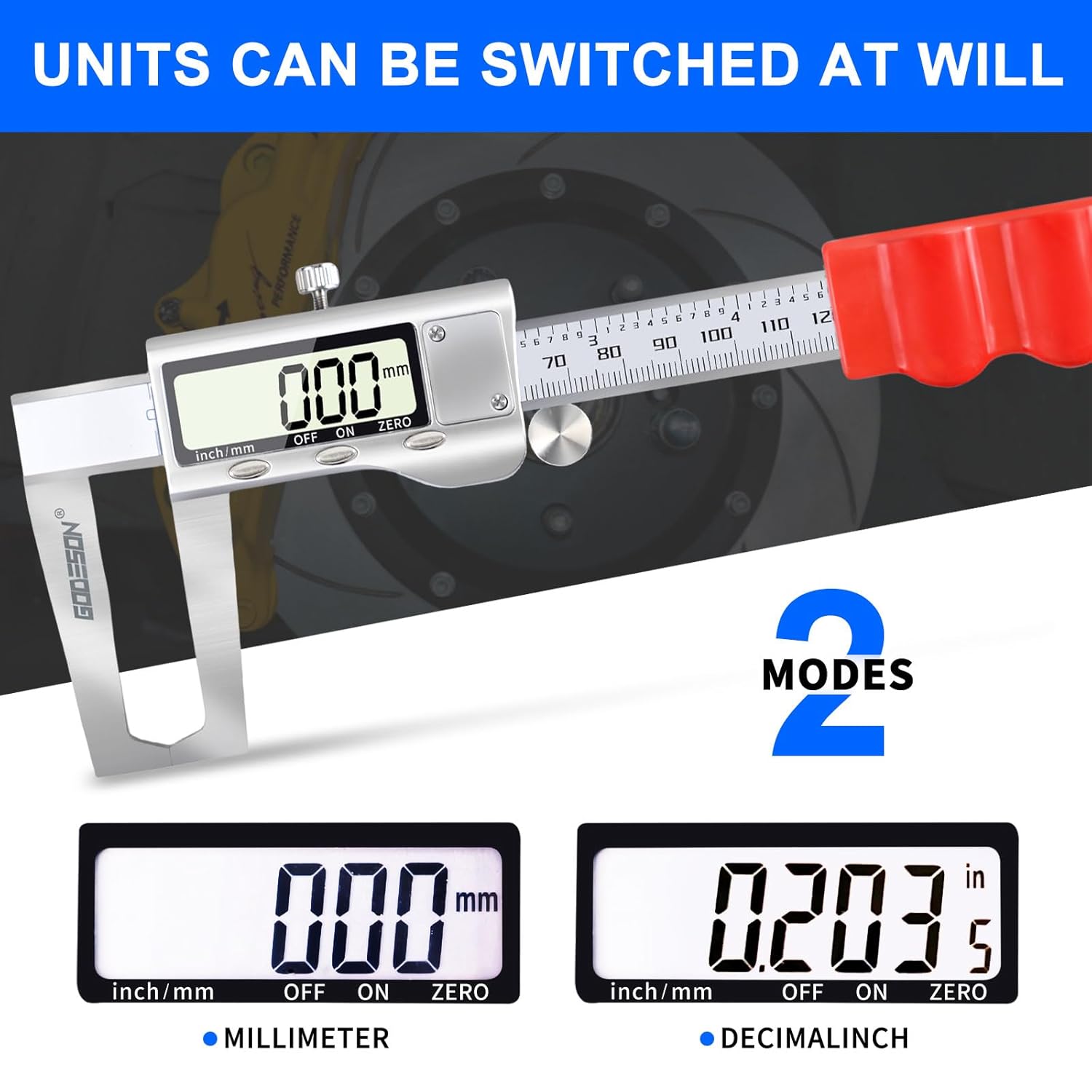
The product shown is a handheld precision measuring tool for external, internal, depth, and step dimensions. That makes it useful across a broad range of common shop tasks: checking shaft diameters, hole sizes, flange thickness, small component steps, and depth features on machined parts. The sliding jaw assembly and main beam are what you would expect from a conventional vernier-style layout, while the digital display simplifies fast reading.
That combination matters because many buyers are not trying to replace a micrometer or a coordinate measuring machine. They want a fast, versatile tool for everyday verification. A digital caliper can speed up part checks in the receiving area, during setup, or on the bench when a machinist needs an immediate sanity check before a more formal inspection step.
Where the stainless steel build helps
The visible full stainless steel construction is a practical sign, not a decorative one. Stainless steel bodies are generally preferred in shop tools because they resist wear better than lightweight alternatives and stand up more naturally to repeated handling. The brushed or satin finish also tends to reduce glare and makes the engraved scale easier to see under shop lighting.
There is another small advantage that buyers sometimes overlook: a metal beam and jaw structure feels more stable in use. That does not automatically make a tool more accurate, but it can improve confidence during repeated measurements, especially when a part has sharp edges or when the user is working with gloves.
Key features buyers can evaluate quickly
If you are reviewing a digital caliper for industrial or workshop use, the visible features on this one point to a straightforward buyer profile.
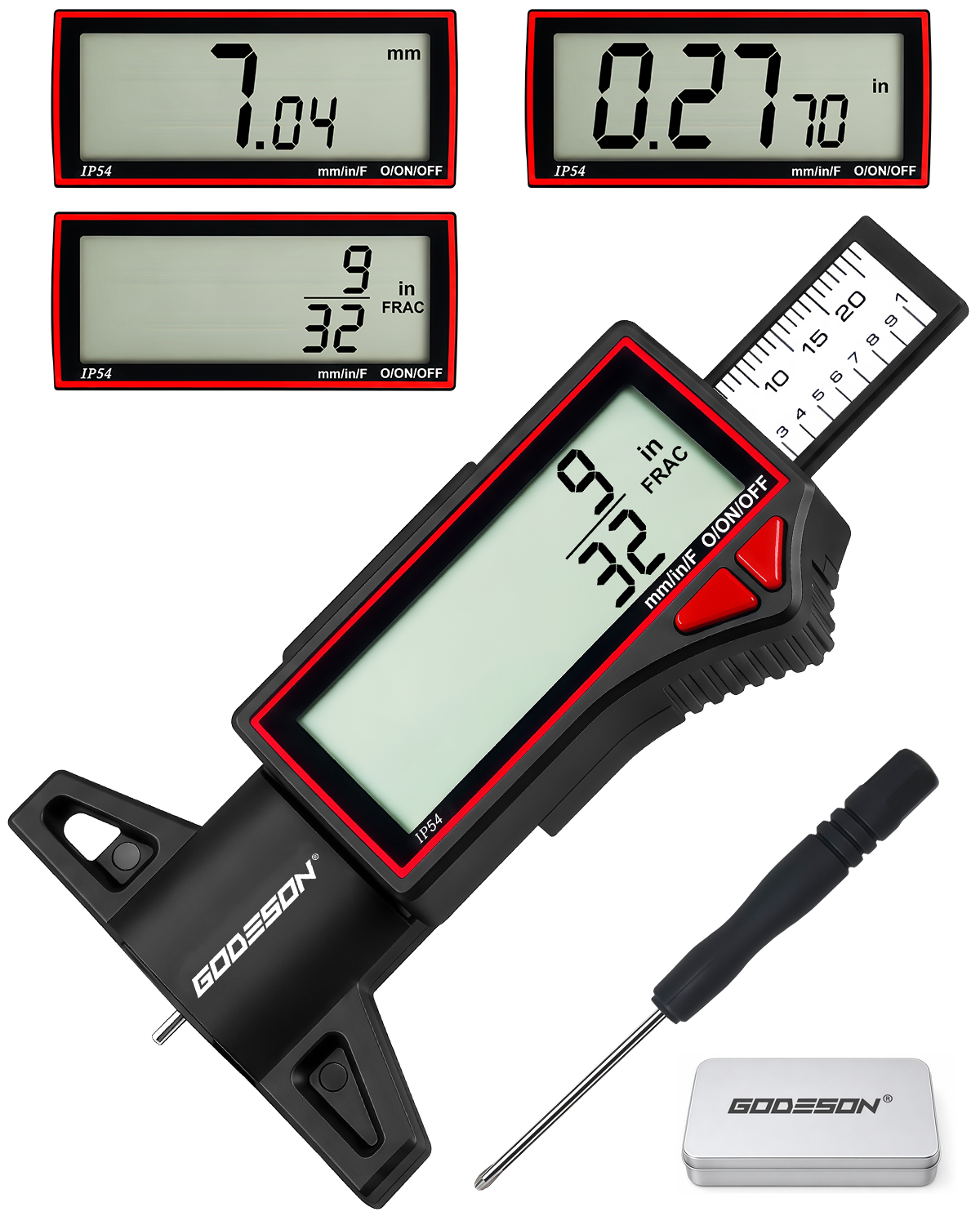
LCD digital readout: The display gives a direct measurement readout, which can reduce misreading compared with a purely analog scale. It is especially handy when multiple people share a bench and not everyone reads scales the same way.
Engraved beam scale: The presence of an engraved measurement scale is worth noting. In real shops, engravings tend to hold up better than printed markings that can wear or become hard to see after contact with oil, debris, or cleaning.
Sliding jaw assembly with thumb wheel: The thumb wheel or roller makes fine movement easier. That matters when you are trying to sneak up on a dimension instead of forcing the jaws into place.
Locking adjustment hardware: A lock screw or similar adjustment knob is likely present. While the exact mechanism is not specified, a lock can help preserve the reading while the user removes the tool from the part. It is a small feature, but in production environments small features save time.
IP54 protection: This suggests resistance to dust and splashing water. For a caliper used around coolant mist, light dust, or general workshop debris, that can be a meaningful safeguard. It is not the same as being waterproof, and buyers should not treat it that way.
Where IP54 really helps, and where it does not
IP54 is one of those specifications that sounds more impressive than it is if you do not read it carefully. In plain terms, it signals a useful level of protection against dust ingress and splash exposure. That makes sense for garage work, maintenance tasks, and many industrial inspection environments.
But there is a practical caution here: IP54 does not make a digital caliper suitable for soaking, pressure washing, or careless storage in wet conditions. If a tool will live near aggressive washdown stations, heavy coolant spray, or abrasive contamination, the user still needs normal care. Wipe it down. Close it after use. Do not assume the rating solves bad handling.
How to decide whether this style fits your operation
The right question is not whether the caliper looks good in a tray. It is whether the tool matches the work pattern.
Good fit for
Workshops that need quick dimensional checks on parts and components
Maintenance teams that move between stations and need a durable handheld tool
Buyers looking for a stainless steel digital caliper with basic environmental resistance
General machining, bench inspection, and garage use where speed matters more than laboratory-level measurement reporting
Less suitable for
Highly controlled metrology workflows that require verified accuracy documentation
Environments with heavy washdown or frequent liquid exposure beyond splash conditions
Users who need exact measuring range, jaw capacity, or calibration status confirmed in writing before purchase
That last point is important. The supplied information does not state range, resolution, accuracy, jaw capacity, battery type, or calibration details. Buyers should not fill in those blanks with assumptions. If those numbers matter to the decision, they need to be confirmed before the order is placed.
Common buyer mistakes with digital calipers
One common mistake is overbuying features no one uses while ignoring the basics. A shop may spend time comparing display extras and forget to ask whether the beam markings are durable or whether the tool can survive the environment it will actually see.
Another mistake is treating all digital calipers as interchangeable. They are not. Even when two tools look similar, the body material, slide feel, display clarity, and environmental protection can vary enough to affect everyday use. A tool that feels adequate in a dry office setting may be frustrating on a greasy production floor.
A third mistake is assuming the digital display alone makes the measurement more trustworthy. The display only presents a number. If the jaws are dirty, the beam is damaged, or the user applies poor technique, the number will still be wrong. Calipers reward basic discipline: clean contact surfaces, consistent pressure, and sensible handling.
Practical buying advice for engineering and sourcing teams
If you are specifying a caliper for shared use, look beyond the headline product category and ask a few simple questions. Is the body material appropriate for the environment? Is the scale easy to read after extended use? Does the tool need to be used with gloves or in a dusty area? Will the team need a clear digital readout because multiple operators are involved?
The GODESON Digital Caliper, based on the available product details, appears aimed at exactly that sort of practical use case. Stainless steel construction, a brushed metal finish, and IP54 resistance suggest a tool that is meant to be handled rather than admired. That is a good sign for many buyers. It means the product is positioned as a working instrument, not a delicate desktop accessory.
If you are sourcing for several departments, it may also be worth separating use cases. A bench machinist, a maintenance technician, and a receiving inspector may all use the same caliper category, but not always for the same reasons. One group needs speed. Another needs durability. A third wants clarity and ease of training. Choosing with those differences in mind usually prevents disappointment later.
What to verify before purchase
Because some key specifications are not provided, buyers should confirm a few items directly with the supplier or listing:
Measuring range
Resolution and accuracy
Jaw capacity and depth bar details
Battery type and replacement method
Calibration or inspection documentation, if required by your internal process
Whether the IP54 claim is tied to a specific test standard or only a general protection statement
That checklist may sound routine, but it is often what separates a usable tool purchase from a frustrating one. The purchase order may be for a “digital caliper,” but the operating team will care about the details within a week.
FAQ
Is this caliper only for professional shops?
No. The design suits workshop, garage, maintenance, and industrial inspection use. The important factor is the environment and the level of measurement discipline required.
Can it measure internal and depth dimensions?
Yes, the product category and visible structure indicate use for external, internal, depth, and step measurements.
Is IP54 enough for wet environments?
It helps with dust and splash resistance, but it is not a substitute for waterproof design. Treat it as protection against ordinary shop exposure, not immersion.
Do I know the exact measuring range from the available data?
No. The exact measuring range is not stated and should be confirmed before purchase if it matters to your application.
A sensible next step for buyers
If your team needs a durable, easy-to-read digital caliper for everyday measurement work, the strongest case for this model is its straightforward construction: stainless steel body, digital display, engraved scale, and IP54 protection. Those are the kinds of details that usually matter after the first month of use, when the tool has already been dropped in a drawer, wiped down after a job, and carried back out to the line.
For sourcing teams, the next step is simple: confirm the missing specifications, compare them against your actual use environment, and decide whether this tool is a general shop instrument or a more controlled inspection aid. That answer will tell you more than the product photo ever will.