ATsafepro Torque Wrench: Digital vs. Mechanical Precision Tools
When it comes to achieving precise fastening in automotive, construction, or DIY projects, the ATsafepro Torque wrench stands out as a versatile and reliable choice. This innovative tool bridges the gap between traditional methods and modern technology, offering users the accuracy needed for critical applications. In this article, we'll explore a detailed comparison between the Digital Torque wrench variant and its Mechanical Torque wrench counterpart, highlighting their differences, strengths, and how the ATsafepro Torque wrench embodies the best of both worlds. Whether you're a professional mechanic or a home handyman, understanding these distinctions can help you select the right tool for your needs.
Understanding the Basics: Mechanical Torque Wrench Fundamentals
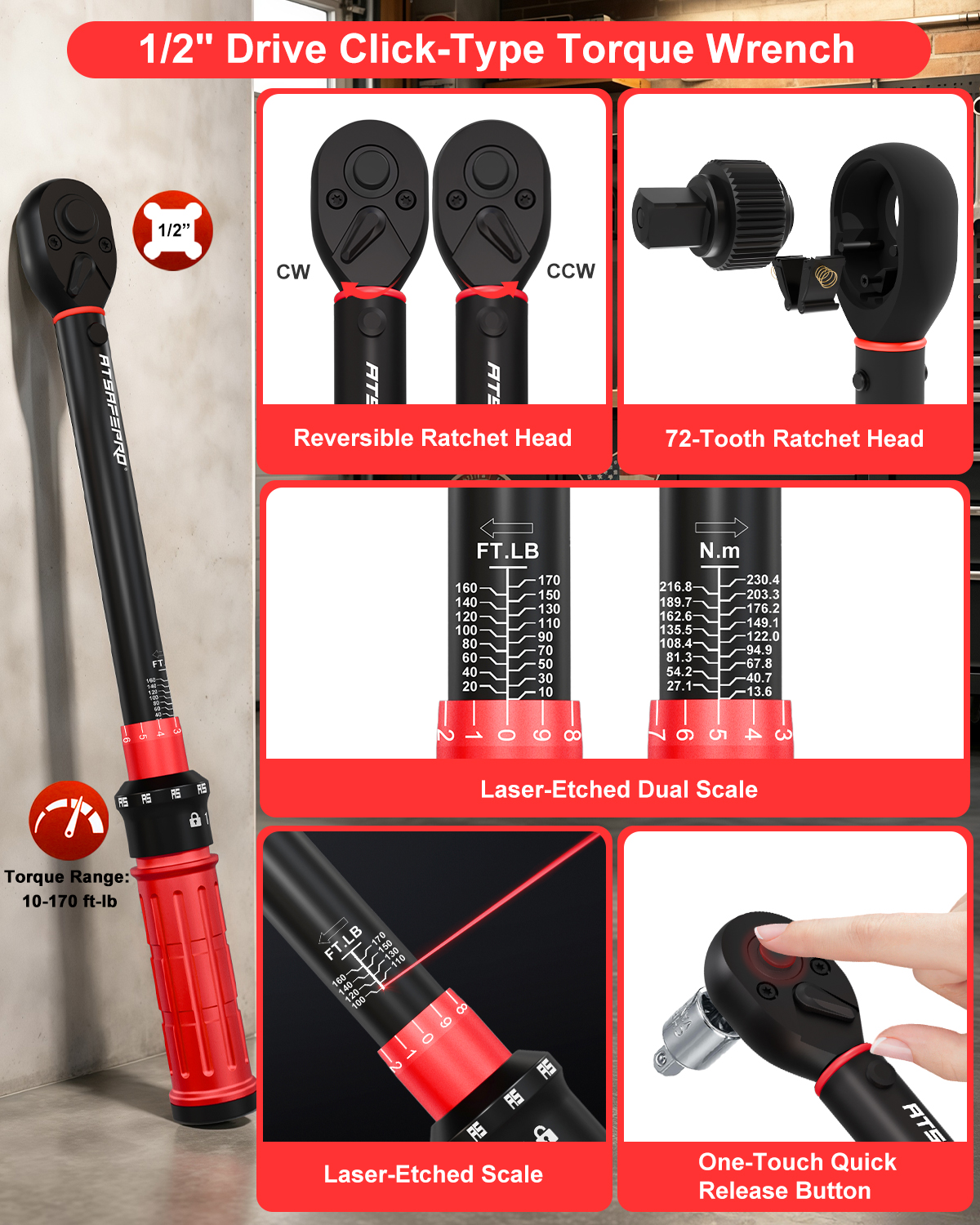
The Mechanical Torque wrench has long been a staple in toolkits around the world. Operating on simple, robust principles, it relies on a calibrated scale and a deflection beam or click mechanism to indicate when the desired torque level is reached. Imagine tightening a bolt on a car engine: you apply force, and the wrench clicks or visually signals when you've hit the mark, preventing over-tightening that could strip threads or cause damage. These wrenches are prized for their durability and lack of reliance on batteries or electronics, making them ideal for rugged environments like construction sites or outdoor repairs where power sources might be scarce.
One key advantage of the Mechanical Torque wrench is its straightforward design, which minimizes points of failure. There's no screen to crack or circuitry to malfunction, ensuring longevity even after years of heavy use. Models often feature reversible ratcheting heads for bidirectional work and are available in various drive sizes, from 1/4 inch to 1 inch, catering to everything from delicate electronics to heavy machinery. However, accuracy can be a point of contention; it typically ranges from ±3% to ±4% of the full scale, which is sufficient for most general purposes but may fall short in precision-demanding tasks like aerospace assembly. Calibration is manual and requires periodic checks, adding to maintenance efforts. Cost-wise, they are generally more affordable, starting around $50 for basic units, appealing to budget-conscious users who value simplicity over advanced features.
Embracing Innovation: The Digital Torque Wrench Revolution
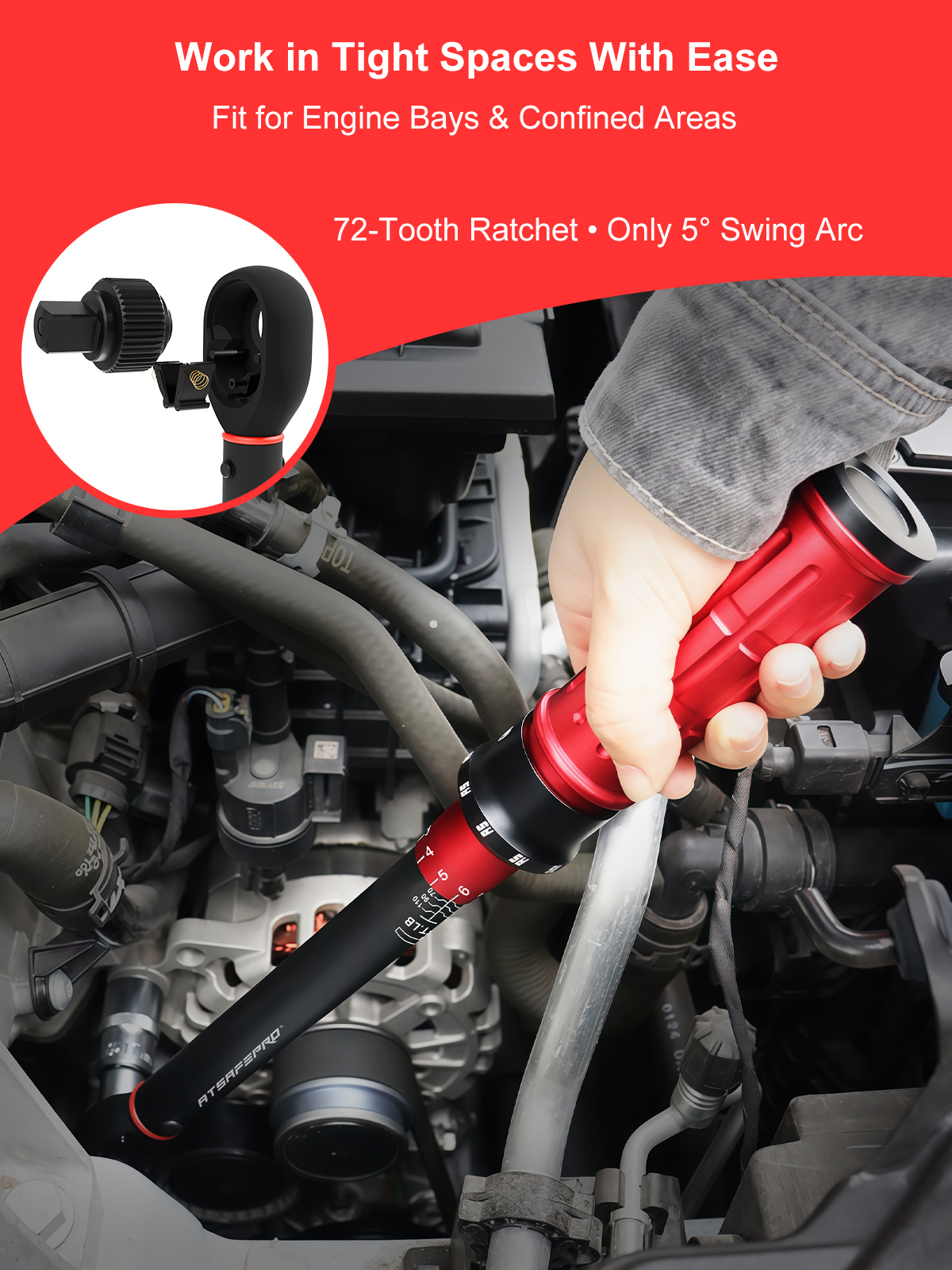
In contrast, the Digital Torque wrench represents a leap forward in tool technology, incorporating electronic sensors and LCD displays for real-time torque feedback. As you twist, the digital readout shows exact values in foot-pounds, Newton-meters, or other units, often with audible alerts or vibration when the target is met. This makes it exceptionally user-friendly, especially for beginners who might struggle to interpret analog dials. The ATsafepro Torque wrench, for instance, exemplifies this with its sleek digital display that ensures readability even in low-light conditions, paired with an ergonomic handle for reduced fatigue during extended use.
Accuracy is where the Digital Torque wrench truly shines, boasting tolerances as low as ±1% to ±2%, thanks to advanced strain gauge technology. This precision is invaluable in industries like automotive repair, where even minor deviations can lead to safety issues. Features such as data logging allow users to track torque applications for quality control, and many models, including the ATsafepro Torque wrench, include extendable shafts for accessing tight spaces. However, this sophistication comes with trade-offs: digital models are more susceptible to electronic failures, require battery replacements, and can be pricier, often exceeding $100. Environmental factors like extreme temperatures or moisture might affect performance unless the tool is IP-rated for protection, as seen in high-end designs.
Head-to-Head Comparison: ATsafepro Torque Wrench as the Hybrid Hero
Comparing the Mechanical Torque wrench and Digital Torque wrench side by side reveals clear trade-offs in functionality, usability, and cost. Mechanically, the former excels in reliability and affordability, with no need for power and a timeless design that withstands drops and abuse better than electronics. It's like a trusty old hammer—simple, effective, and always ready. On the flip side, the Digital Torque wrench offers superior precision and convenience, with features like peak hold and multiple measurement modes that streamline workflows. Yet, it demands more care, from battery management to avoiding magnetic interference that could skew readings.
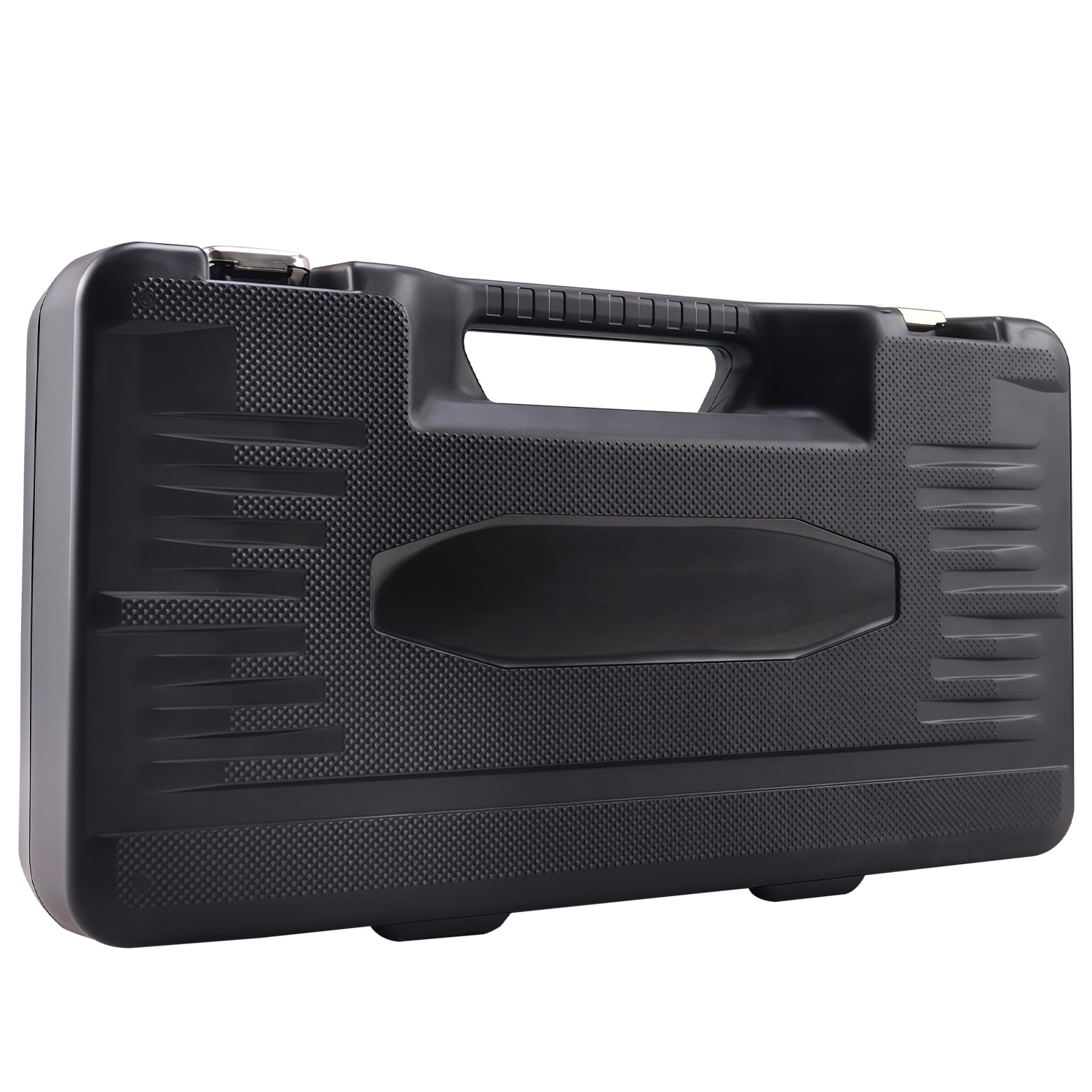
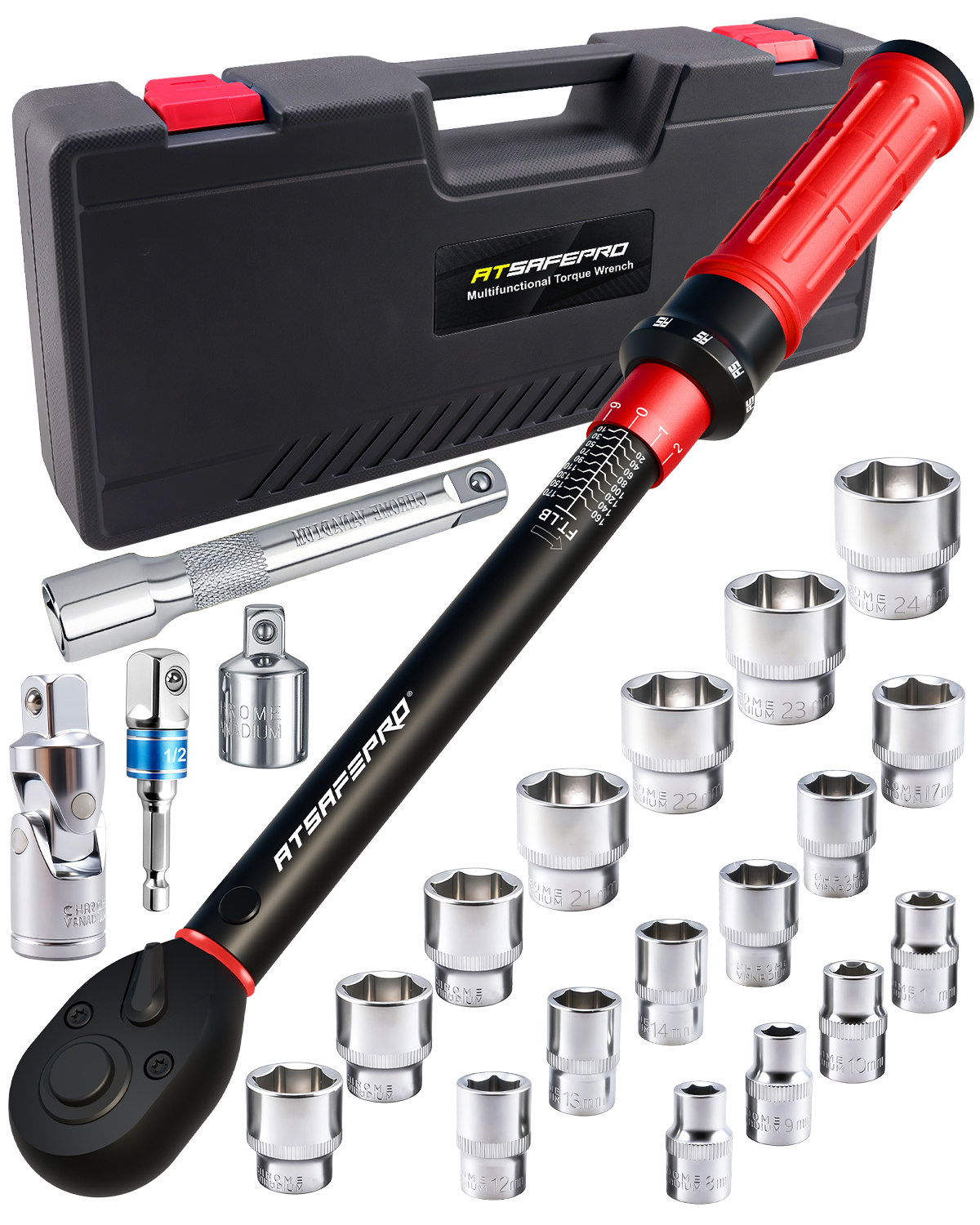
The ATsafepro Torque wrench cleverly integrates elements of both, leaning toward the digital side while maintaining mechanical robustness. Its multifunctional design includes a durable custom-fitted case for transport, making it as portable as a mechanical tool but with the accuracy of digital precision. For professionals, the digital display reduces errors in high-stakes jobs, while DIY enthusiasts appreciate the intuitive interface over deciphering scales. In terms of versatility, the extendable shaft on the ATsafepro Torque wrench adapts to diverse torque requirements, outpacing rigid mechanical options. Maintenance-wise, while digital components need occasional battery checks, the overall build quality rivals mechanical durability, with materials that resist corrosion and wear.
When evaluating torque ranges, mechanical wrenches often cover broader spans (e.g., 20-250 ft-lbs) in a single tool, but digital versions like the ATsafepro Torque wrench provide finer increments and unit conversions, enhancing flexibility. User comfort also differs: mechanical handles can feel basic, whereas the ergonomic grip on digital models, such as the ATsafepro, promotes better control and less hand strain. Environmentally, mechanical tools win for longevity without e-waste, but digital ones support eco-friendly practices through precise applications that minimize material waste in projects.
Practical Applications and Choosing the Right Fit
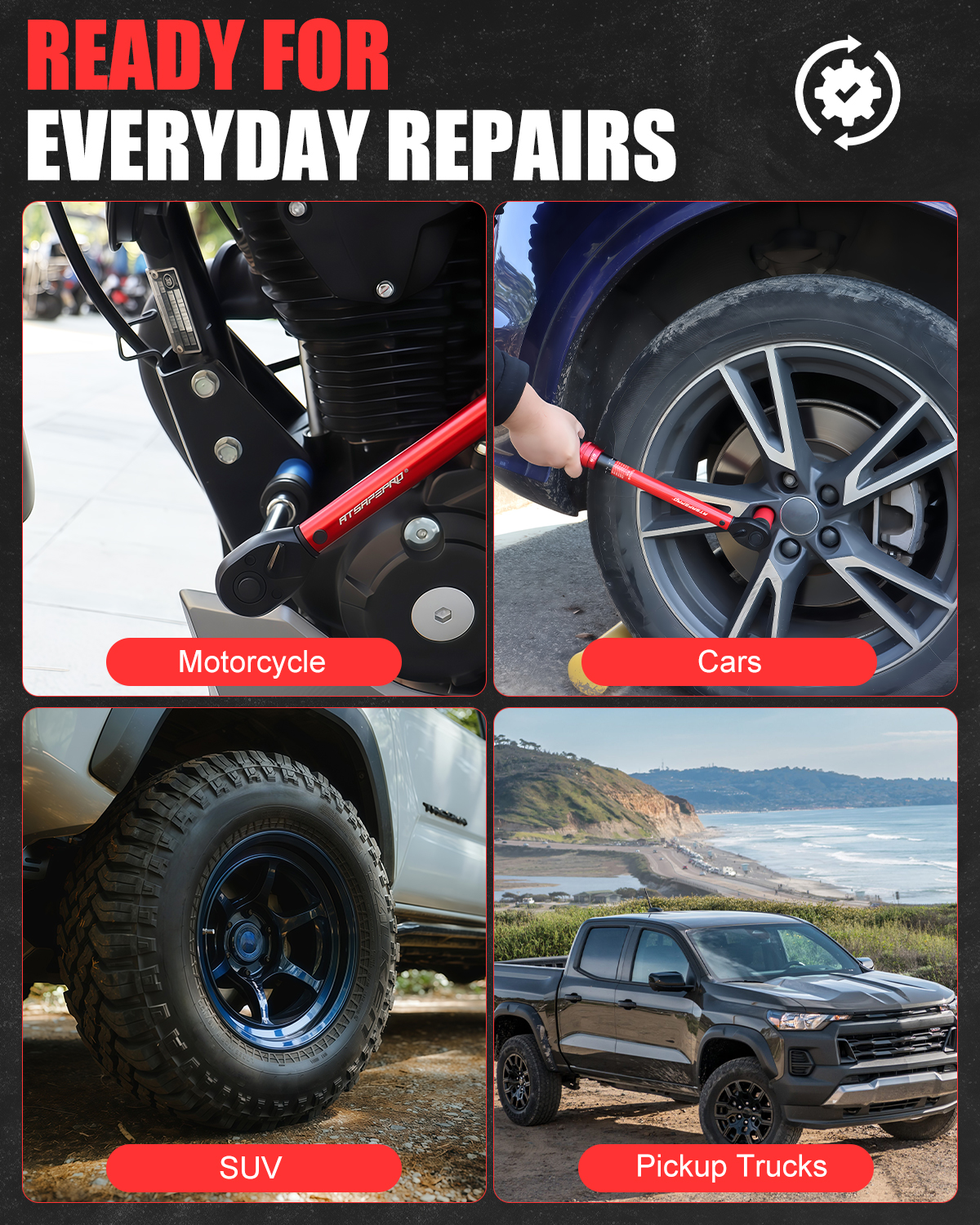
In real-world scenarios, the choice between a Mechanical Torque wrench and a Digital Torque wrench hinges on your specific demands. For rough-and-tumble fieldwork, like installing suspension components on a truck, the mechanical option's indestructibility is unmatched. Conversely, in a controlled garage setting for engine tuning, the Digital Torque wrench's exact measurements prevent costly mistakes. The ATsafepro Torque wrench shines in both, offering digital accuracy for fine work and a sturdy frame for demanding tasks, making it a worthwhile investment for versatile users.
Consider a scenario comparing bolt tightening on bicycle assembly: a Mechanical Torque wrench might suffice with its click mechanism, but a Digital Torque wrench ensures uniformity across multiple bikes, reducing variability. Over time, the digital's data capabilities can log sessions for warranties or audits, a feature absent in mechanical designs. For hobbyists, the learning curve of digital interfaces is gentle, fostering confidence, while pros value the time savings from quick readouts.
Ultimately, while mechanical tools embody reliability and tradition, digital innovations like those in the ATsafepro Torque wrench push boundaries in precision and efficiency. This comparison underscores how the ATsafepro Torque wrench harmonizes these elements, delivering a tool that's not just functional but transformative. Whether upgrading your kit or starting fresh, opting for a balanced option ensures you're equipped for any challenge, blending the best of mechanical resilience with digital smartness.
In conclusion, the debate between Digital Torque wrench and Mechanical Torque wrench isn't about one being superior overall but about matching the tool to the task. The ATsafepro Torque wrench emerges as a compelling middle ground, empowering users with adaptability and precision in an ever-evolving world of craftsmanship. With its modern features and thoughtful design, it's poised to become an indispensable ally in your toolbox.