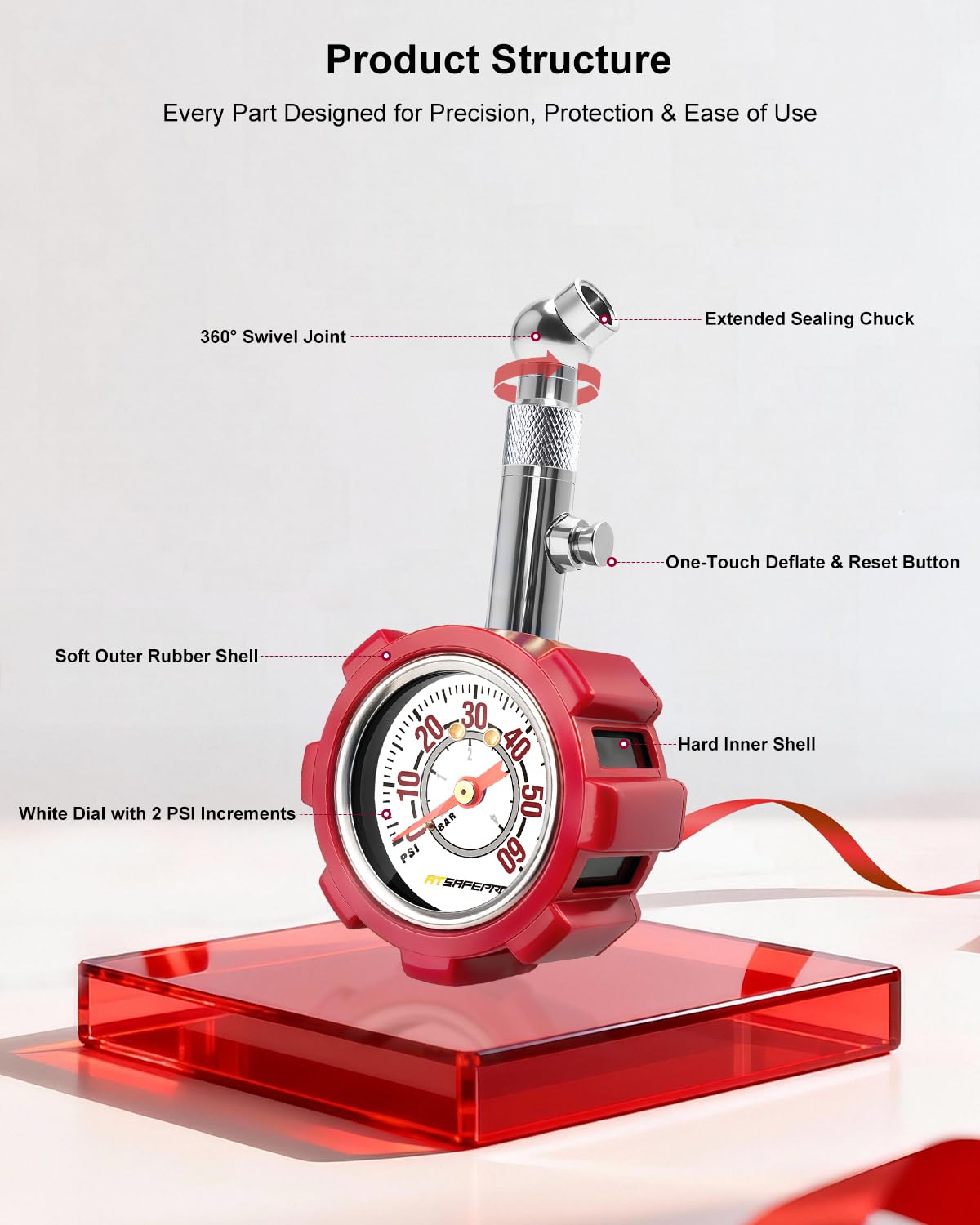
Proper vehicle maintenance is one of the most crucial responsibilities of any car, truck, or motorcycle owner. While many tasks require a trip to the mechanic, some of the most vital checks can be performed right in your own driveway. Among these, monitoring your tire pressure is paramount for safety, fuel efficiency, and tire longevity. To do this effectively, you need a reliable tool, and the GODESON tire pressure gauge is an outstanding choice that combines precision, durability, and style. This guide will walk you through everything you need to know about this essential tool, from its standout features to a step-by-step process for checking your tires like a pro.
Why the GODESON Pencil Gauge Stands Out
When selecting a tool, quality should be the top priority. The GODESON Chrome-Plated Pencil Tire Pressure Gauge is a testament to superior craftsmanship. Constructed from high-quality, chrome-plated metal, it not only looks sleek and modern but is also built to last. Unlike plastic gauges that can crack or warp over time, this metal body resists corrosion and withstands the rigors of being stored in a toolbox or glove compartment. This durability ensures that the gauge will provide accurate and reliable readings for years to come. This GODESON gauge review highlights that its value lies not just in its function but in its longevity. It’s an investment in your vehicle's health, offering peace of mind every time you use it. Its slender, elegant design makes it easy to handle, proving that utility and aesthetics can go hand in hand.
Unpacking the Key Features of GODESON Products
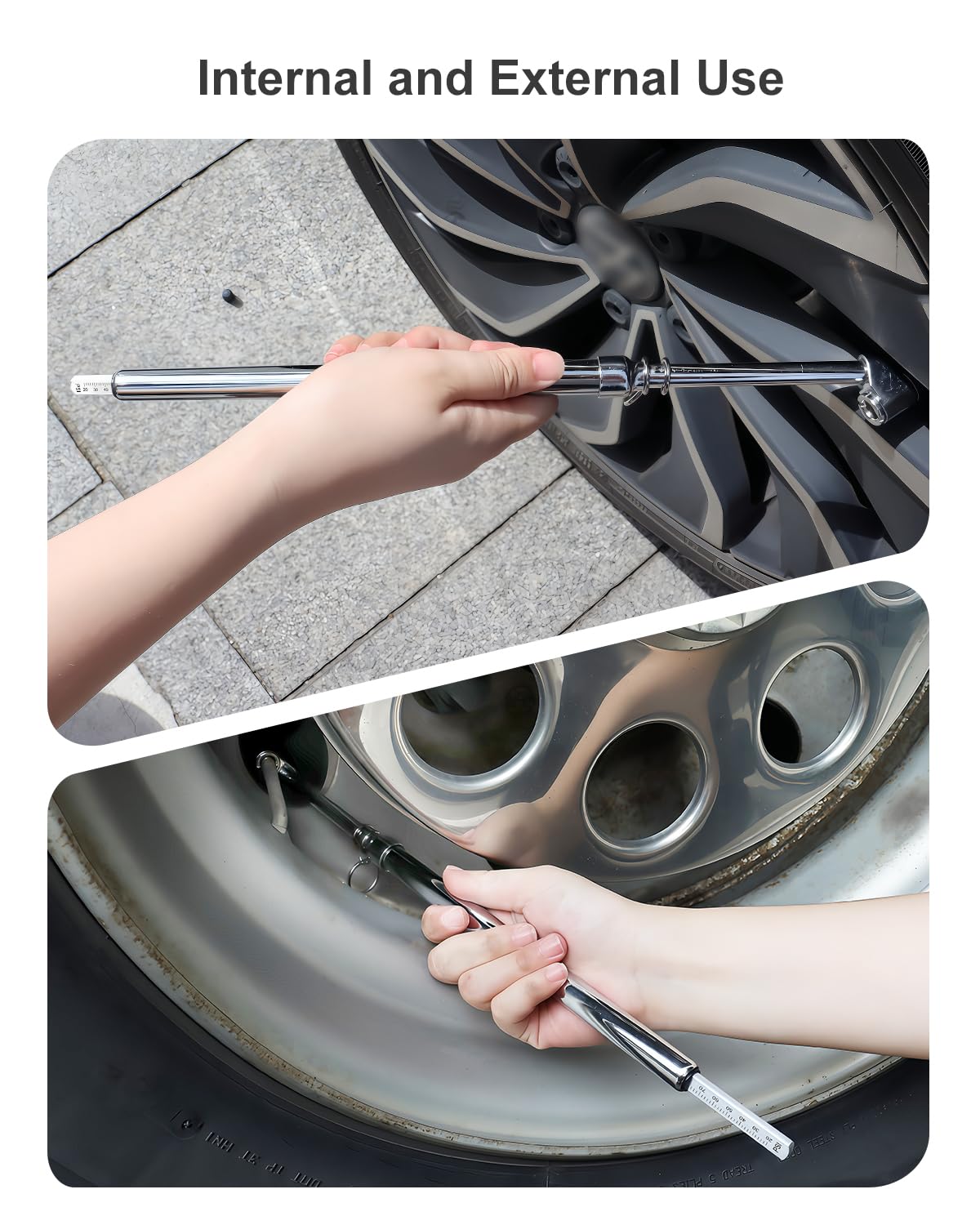
Beyond its robust build, the GODESON gauge incorporates design elements that enhance its usability. One of the most significant features is its innovative swivel head. Anyone who has struggled to get a proper seal on a valve stem tucked away behind a complex rim or a large brake caliper will immediately appreciate this design. The swivel head allows for effortless access to tire valves in almost any position, ensuring a quick and firm connection without awkward wrist-bending. This simple yet brilliant feature minimizes air loss during checks and ensures a more accurate reading. Other GODESON products also reflect this commitment to user-centric design. The classic pencil format is another major advantage; it requires no batteries, meaning it's always ready to go when you need it. There's no risk of a dead battery rendering your tool useless right when you need it most. The mechanical operation is simple, intuitive, and has been trusted by professionals and enthusiasts for decades.
A Step-by-Step Guide to Checking Your Tire Pressure
Using your GODESON tire pressure gauge is a straightforward process that anyone can master. For the most accurate results, always check your tires when they are 'cold'—meaning the vehicle has been parked for at least three hours or driven less than a mile. Follow these simple steps:
1. Find the Recommended PSI: Before you begin, you need to know the correct pressure for your tires. This information is typically located on a sticker inside the driver’s side door jamb, in your vehicle's owner's manual, or sometimes on the gas tank flap. Do not use the pressure listed on the tire's sidewall, as that is the maximum pressure, not the recommended operating pressure.
2. Prepare the Valve: Unscrew the plastic or metal cap from the tire's valve stem. Keep it in a safe place, like your pocket, so you don't lose it.
3. Take the Reading: Align the swivel head of the gauge with the valve stem and press down firmly and evenly in a single, quick motion. You will hear a short hiss of air as the gauge connects. The internal pressure of the tire will push out a small, calibrated bar from the other end of the gauge.
4. Read the Measurement: Remove the gauge from the valve stem. The measurement bar will remain extended. The number on the bar that is level with the gauge's body indicates your tire's pressure in PSI (Pounds per Square Inch).
5. Adjust and Re-Check: Compare your reading to the manufacturer's recommendation. If the pressure is too low, add air from an air compressor until you reach the correct level. If it's too high, use the small nub on the back of the gauge's head to press the pin in the center of the valve stem to release air in short bursts. After any adjustment, re-check the pressure with your gauge to ensure it's precise.
6. Replace the Cap: Once the pressure is correct, screw the valve cap back on tightly. This protects the valve from dirt, dust, and moisture, which can cause leaks.
The Bigger Picture: Why Regular Checks Matter
Taking a few minutes every month to check your tires is one of the easiest ways to save money and stay safe on the road. Properly inflated tires ensure optimal contact with the road, improving traction, handling, and braking performance. Under-inflated tires are a significant safety hazard, as they can overheat and lead to a dangerous blowout. Furthermore, incorrect pressure leads to uneven and premature tire wear. Over-inflation causes the center tread to wear down quickly, while under-inflation wears out the edges. By maintaining the correct PSI, you can significantly extend the life of your tires. Finally, there's the benefit of fuel economy. The U.S. Department of Energy estimates that you can improve your gas mileage by over 3% just by keeping your tires properly inflated. Over a year, those savings add up.
Your Essential Tool for Vehicle Care
The GODESON Chrome-Plated Pencil Tire Pressure Gauge is more than just a tool; it's an essential piece of equipment for any responsible vehicle owner. Its combination of durable construction, thoughtful design, and unwavering reliability makes it a superior choice for maintaining your vehicle's tires. By making regular checks a part of your routine, you enhance your safety, prolong the life of your tires, and improve your vehicle's fuel efficiency. Make this dependable gauge a permanent fixture in your toolkit and take control of your vehicle's performance and safety.