How to Use the GODESON Semi Truck Tire Pressure Gauge for Optimal Performance
Maintaining the correct tire pressure in semi trucks is crucial for safety, fuel efficiency, and longevity of your fleet. The GODESON semi truck tire pressure gauge stands out as a reliable tool designed specifically for heavy-duty applications. This guide will walk you through everything you need to know about selecting, using, and maintaining this upgraded gauge to ensure your operations run smoothly. Whether you're a truck driver, fleet manager, or mechanic, mastering this tool can save time and prevent costly downtime.
Understanding the Upgraded Features of the GODESON Semi Truck Tire Pressure Gauge
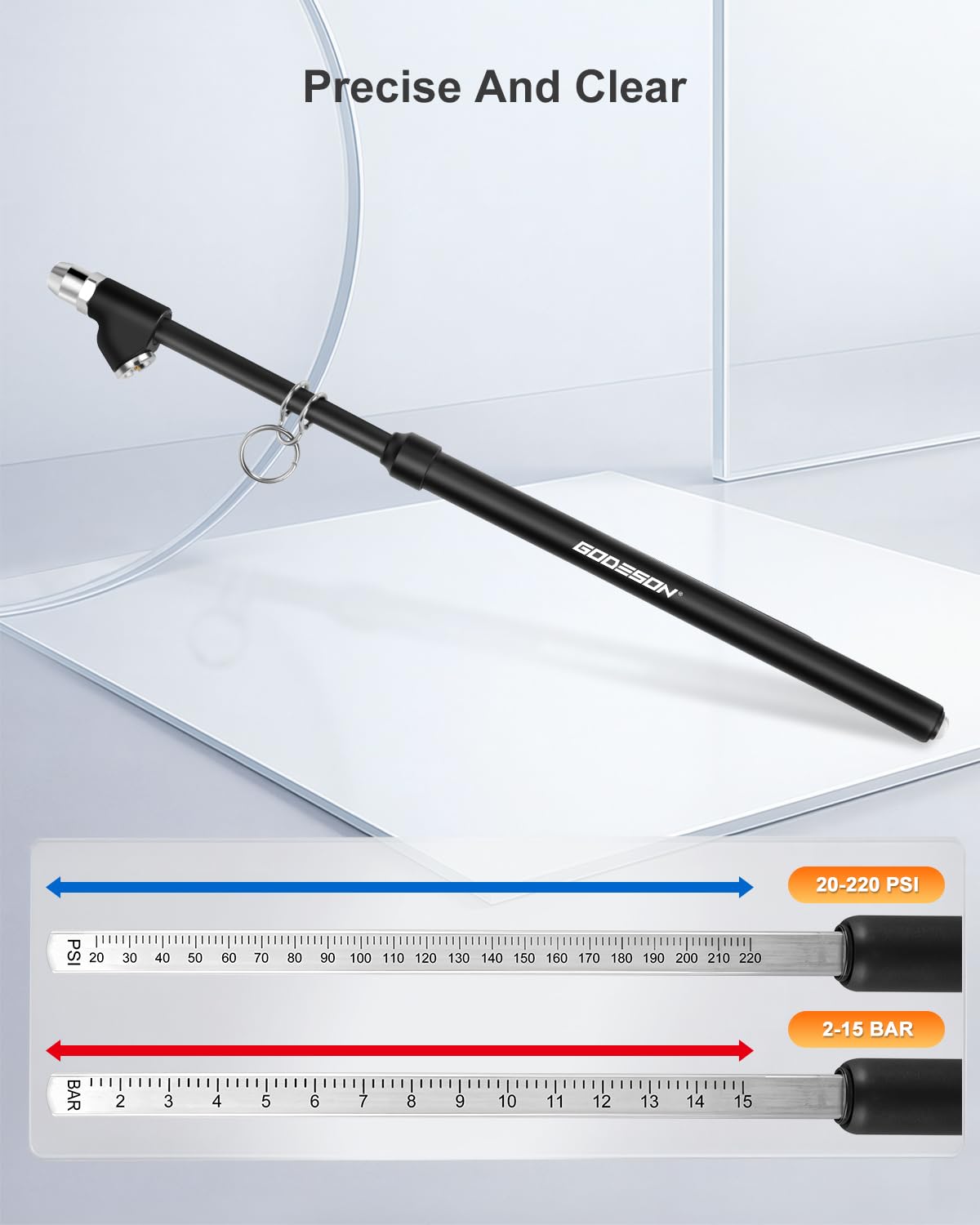
The GODESON semi truck tire pressure gauge has been upgraded to meet the demands of modern trucking. One of the key improvements is the 14-inch extended body, which makes it easier to access valves on large semi truck tires without straining. This design enhances reach, allowing for effortless operation even in tight wheel wells. Previously, the original version had a 12-inch body, which could be limiting in some scenarios.
Another significant upgrade is the expanded pressure range up to 220 PSI. This larger capacity ensures the gauge is suitable for a wide array of applications, from standard semi trucks to those with specialized high-pressure tires. In contrast, the original model was capped at 150 PSI, restricting its versatility. With this tool, you can handle diverse tire types without needing multiple gauges, streamlining your maintenance routine.
Durability has also been bolstered with the two-side aluminum bar material. This upgrade replaces the original two-side ABS bar, providing superior resistance to wear and tear. The aluminum construction ensures the GODESON semi truck tire pressure gauge withstands harsh road conditions, rough handling, and repeated use, making it a long-lasting investment for professional use.
Step-by-Step Guide to Using the GODESON Semi Truck Tire Pressure Gauge
To get started with your GODESON semi truck tire pressure gauge, first inspect the tool for any visible damage. Ensure the extended body is clean and free of debris, as this affects accuracy. Position your semi truck on a level surface and engage the parking brake for safety. Approach the tire from a stable stance to avoid slips.
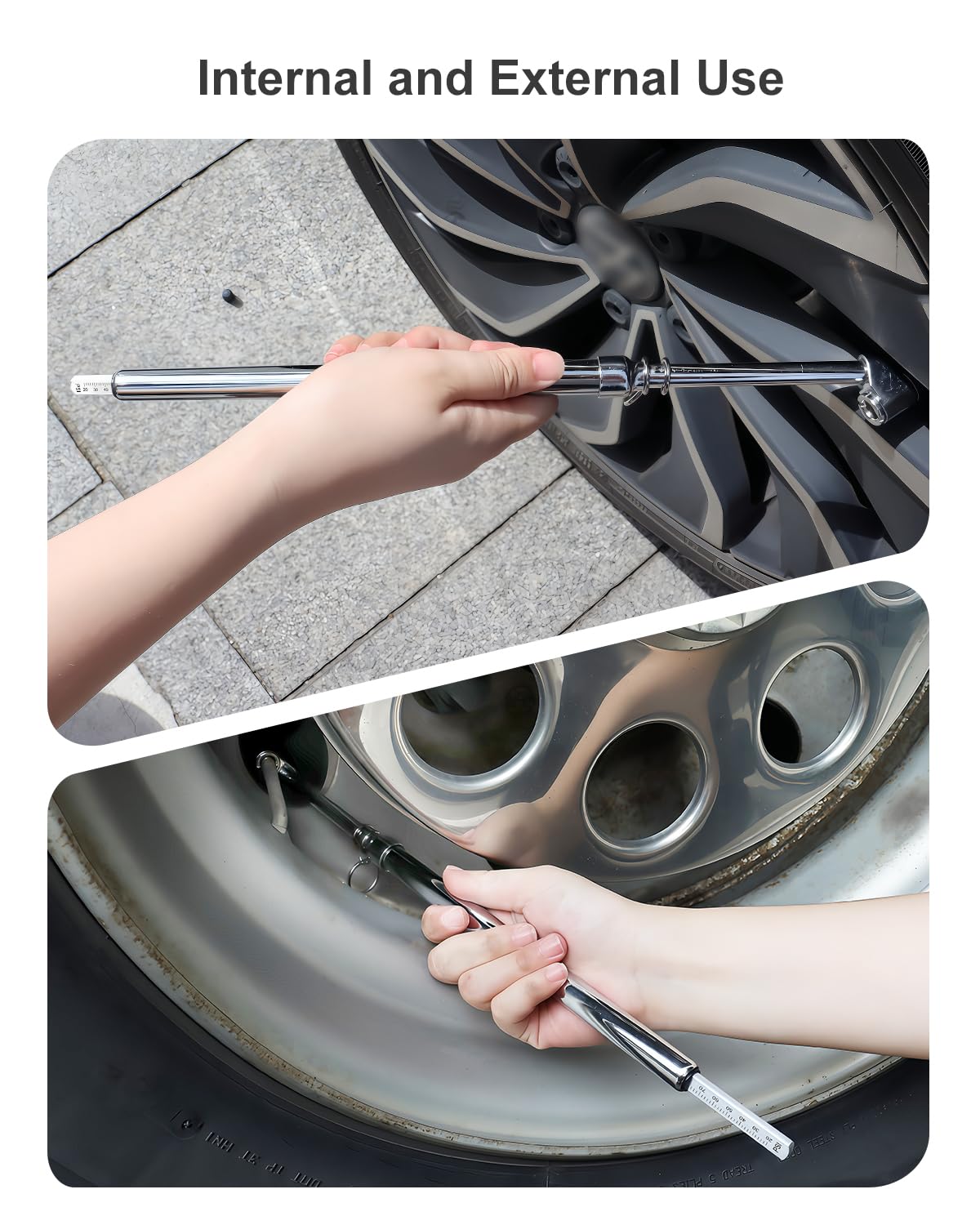
Next, locate the tire valve stem. The 14-inch extended body of the GODESON semi truck tire pressure gauge allows you to easily align the nozzle with the valve without bending awkwardly. Press the nozzle firmly onto the valve stem to create a seal—listen for a slight hiss indicating air release. Hold steady for a few seconds until the pressure reading stabilizes on the gauge's clear display.
Read the PSI value against your truck's recommended tire pressure, typically found in the owner's manual or on the door jamb sticker. The 220 PSI range accommodates high-pressure semi truck tires, so you'll get precise readings every time. If the pressure is low, attach an air compressor hose to the valve and inflate while monitoring with the gauge. For overinflation, release excess air cautiously. Repeat this process for all tires, including spares, to maintain balance.
After use, gently release any trapped air from the gauge by pressing the nozzle on a non-tire surface. Store the GODESON semi truck tire pressure gauge in a protective case to preserve the aluminum bar's integrity. Regular use of this tool not only ensures compliance with DOT regulations but also improves fuel economy by up to 3% through proper inflation.
Comparing the Upgraded GODESON Semi Truck Tire Pressure Gauge to the Original
When evaluating the GODESON semi truck tire pressure gauge, it's helpful to compare it to the original version. The original featured a shorter 12-inch body, which often required users to contort into uncomfortable positions, potentially leading to inaccurate readings or user fatigue. The upgraded 14-inch extension addresses this, promoting safer and more efficient checks.
The pressure capacity upgrade from 150 PSI to 220 PSI opens up broader applications. Original users might have needed secondary tools for higher-pressure scenarios, like off-road or heavy-load hauls. Now, the GODESON semi truck tire pressure gauge handles everything in one compact device, reducing clutter in your toolkit.
Material-wise, the switch to a two-side aluminum bar from ABS significantly boosts durability. ABS can crack under extreme temperatures or impacts common in trucking environments, whereas aluminum offers corrosion resistance and strength. This makes the upgraded GODESON semi truck tire pressure gauge ideal for long-haul drivers facing varied climates and terrains.
In terms of cost-effectiveness, the upgrades justify the investment. While the original was reliable for basic needs, the new version minimizes replacement frequency, saving money over time. Fleet operators report fewer tire-related issues, translating to lower operational costs.
Maintenance Tips to Maximize the Lifespan of Your GODESON Semi Truck Tire Pressure Gauge
To keep your GODESON semi truck tire pressure gauge performing at its best, establish a routine maintenance schedule. After each use, wipe down the extended body and nozzle with a soft, dry cloth to remove dirt or oil residues that could affect seals. Avoid harsh chemicals, as they might damage the aluminum components.
Periodically calibrate the gauge for accuracy—most models allow for simple adjustments via a built-in screw. Compare readings against a certified standard every few months, especially if you're using it daily on semi trucks. The 220 PSI range demands precision, so staying proactive prevents under- or over-inflation errors.
Store the tool in a cool, dry place away from direct sunlight, which can warp materials over time. For the aluminum bar, a light coat of lubricant on moving parts can prevent sticking. If the gauge is exposed to moisture, dry it thoroughly to avoid internal corrosion.
Integrate the GODESON semi truck tire pressure gauge into your pre-trip inspection checklist. Check pressures weekly or before long routes to catch issues early. This practice not only extends tire life but also enhances vehicle handling and safety on the road.
Advanced Tips for Fleet Managers Using the GODESON Semi Truck Tire Pressure Gauge
For fleet managers, leveraging the GODESON semi truck tire pressure gauge can optimize operations across multiple vehicles. Train drivers on its use during onboarding, emphasizing the extended body's ease for quick stops at rest areas. Implement a logging system where readings are recorded digitally, tracking trends to predict maintenance needs.
Pair the gauge with tire pressure monitoring systems (TPMS) for real-time data, using the manual tool for verification during downtime. The durable aluminum design supports high-volume use in busy depots without frequent replacements.
Consider bulk purchasing the upgraded GODESON semi truck tire pressure gauge for consistency across your fleet. Its versatility with the 220 PSI range suits various truck models, from reefers to flatbeds. By prioritizing accurate pressure management, you reduce blowouts, improve MPG, and comply with safety standards effortlessly.
In summary, the GODESON semi truck tire pressure gauge is an indispensable tool for anyone in the trucking industry. Its thoughtful upgrades in design, range, and materials make tire maintenance straightforward and reliable, ultimately contributing to safer roads and more efficient hauls.