Master Mechanics Precision: Using a Torque Wrench

  • blog
Posted by ATSAFEPRO On Jul 08 2025

The Unsung Hero of Your Toolbox: The Torque Wrench


In the world of mechanics, whether you are a seasoned professional or a dedicated DIY enthusiast, precision is not just a goal; it's a necessity. Overtightening a bolt can lead to stripped threads or damaged parts, while under-tightening can result in loose components and potential failure. This is where a high-quality torque wrench becomes the most critical tool in your arsenal. It is designed to apply a specific, measured amount of rotational force, or torque, to a fastener, ensuring every bolt and nut is tightened to the manufacturer's exact specifications, guaranteeing safety and reliability in every job you undertake.
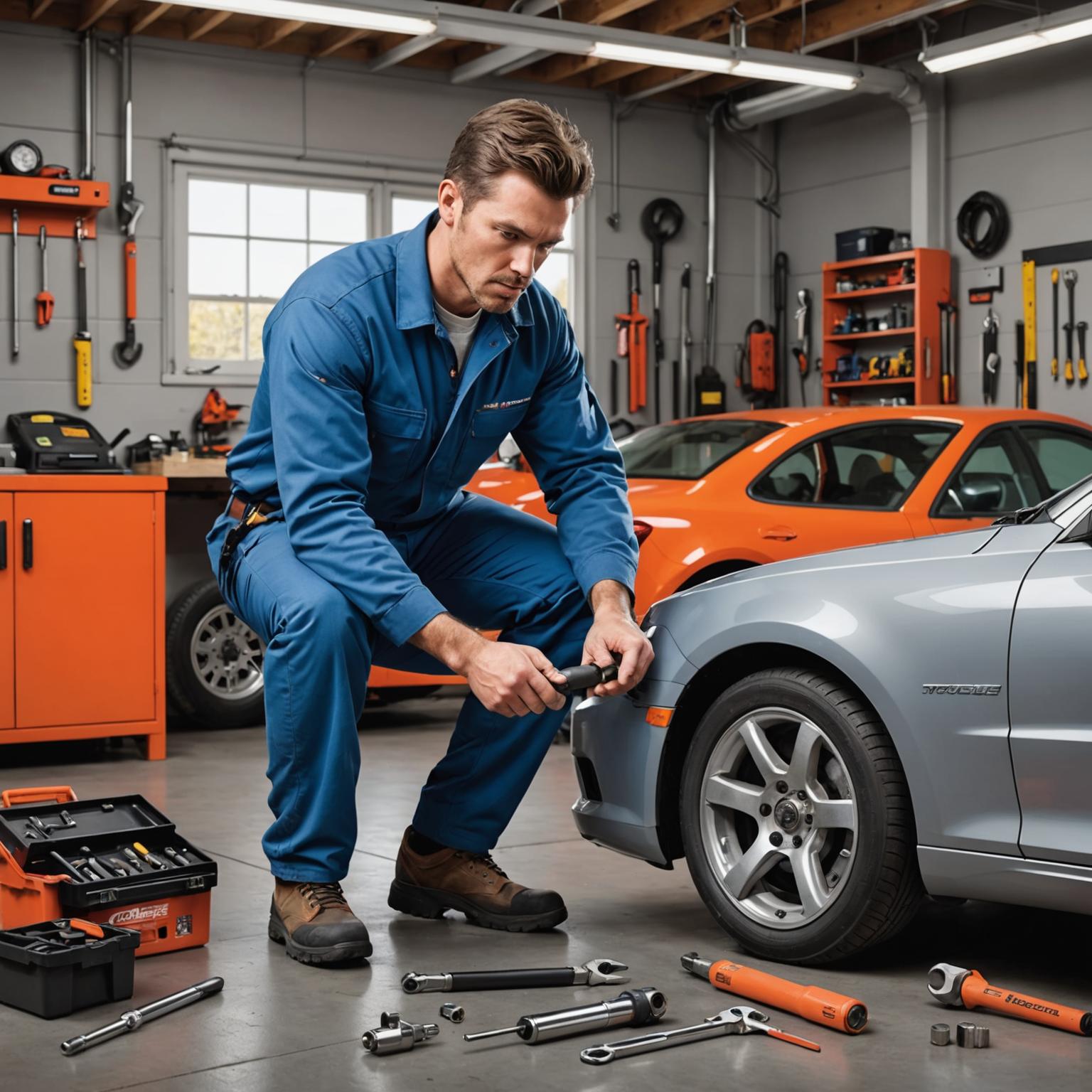
torque wrench, click torque wrench, how to use a torque wrench, torque wrench for automotive

What is a Click Torque Wrench?


Among the various types available, the click torque wrench is one of the most popular and user-friendly designs. Its name comes from the distinct audible 'click' it makes when the preset torque value has been reached, providing immediate feedback to the user. This mechanism prevents over-tightening with a simple yet effective system. The ATE Pro Multifunctional Torque Wrench Set is a perfect example of this technology in action. With a precision-engineered internal mechanism and an easy-to-read engraved scale on its handle, it allows for fine-tuned adjustments. The highly visible red finish and knurled grip not only make it a stylish addition to your collection but also ensure a secure, non-slip experience for maximum control and comfort during use.

How to Use a Torque Wrench Correctly


Learning how to use a torque wrench is straightforward but requires attention to detail. First, consult your vehicle's or component's service manual to find the correct torque specification. Next, set your wrench to this value by turning the handle until the indicator aligns with the desired number on the scale. Once set, attach the appropriate socket and the included extension rod if needed for hard-to-reach areas. Place the socket onto the nut or bolt and apply slow, steady pressure to the handle. Continue turning until you hear and feel the distinct 'click'. At that point, stop immediately; the correct torque has been applied. It's crucial not to apply further force after the click. When finished, always remember to turn the wrench back to its lowest setting before storing it in its protective case to preserve the accuracy of the internal spring mechanism.

Why You Need a Torque Wrench for Automotive Work


A reliable torque wrench for automotive tasks is non-negotiable. Critical components like lug nuts, cylinder head bolts, spark plugs, and suspension parts all have precise torque values that are vital for vehicle safety and performance. Using a dependable tool ensures that wheels are securely attached and engine components are sealed properly without warping. The ATE Pro set is particularly suited for these jobs, as it includes a versatile drive adapter set, allowing you to switch between different socket sizes seamlessly. This versatility, combined with its durable construction and certified accuracy, makes it an indispensable partner for everything from a simple tire change to more complex engine work, providing peace of mind that the job was done right.
Featured Blogs

Tag:

  • Blog
Share On
Featured Blogs
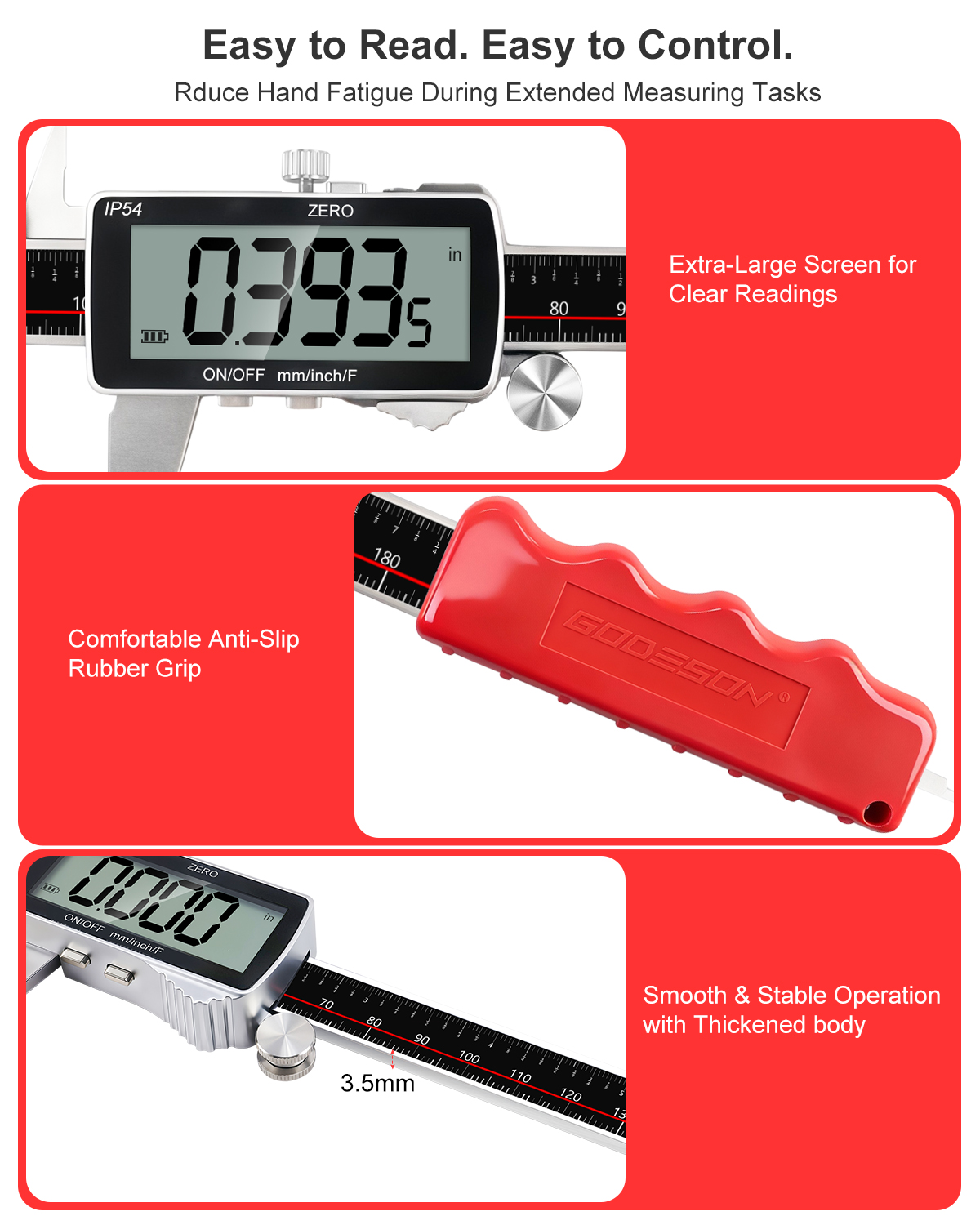
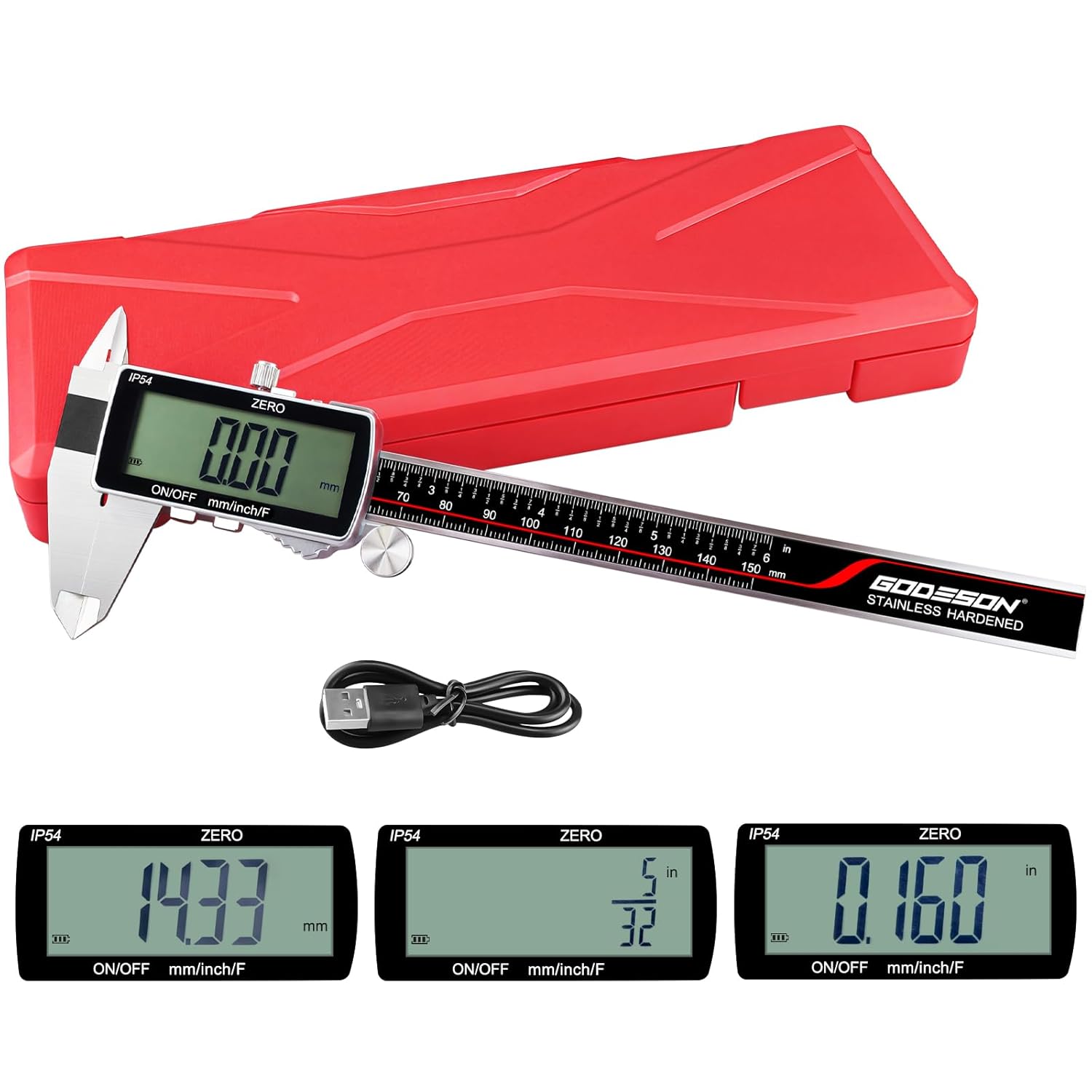
GODESON Digital Caliper: A Practical Guide for Shop Floor Measurement

GODESON Digital Caliper: A Practical Guide for Shop Floor Measurement

1. Why a digital caliper still matters on a busy shop floor 2. What the visible design tells a buyer at a glance 3. Six places where this kind of caliper earns its keep 4. Features buyers should notice before comparing price alone 5. Quick buyer checklist for sourcing teams 6. Common mistakes when buying or using a digital caliper 7. How the GODESON Digital Caliper fits into a practical tool lineup 8. FAQ buyers usually ask 9. What to do next if you are evaluating one for purchase

GODESON Digital Caliper: What Buyers Should Know Before Choosing One

GODESON Digital Caliper: What Buyers Should Know Before Choosing One

1. GODESON Digital Caliper: What Buyers Should Know Before Choosing One for the Shop 2. What this caliper is trying to solve 3. Quick takeaways for sourcing and shop use 4. Why stainless steel and IP54 matter more than they sound 5. How a digital caliper helps in day-to-day measurement 6. Selection criteria buyers should use 7. Common mistakes when buying a workshop caliper 8. FAQs about the GODESON Digital Caliper 9. Buyer advice before you place an order 10. Next step for buyers

GODESON Digital Caliper: What to Know Before Buying

GODESON Digital Caliper: What to Know Before Buying

1. Why a digital caliper choice matters more than it looks 2. What this type of caliper is designed to do 3. Where the stainless steel build helps 4. Key features buyers can evaluate quickly 5. Where IP54 really helps, and where it does not 6. How to decide whether this style fits your operation 7. Common buyer mistakes with digital calipers 8. Practical buying advice for engineering and sourcing teams 9. What to verify before purchase 10. FAQ 11. A sensible next step for buyers

GODESON Tire Tread Depth Gauge: What It Does and Why It Matters

GODESON Tire Tread Depth Gauge: What It Does and Why It Matters

1. Why a tread depth gauge still matters when the tire looks “fine” 2. What the kit includes and what stands out 3. How a digital tread depth gauge helps the buyer make a decision 4. Key technical traits to look at before buying 5. Where this kind of gauge fits in real operations 6. Common buying mistakes with tread depth gauges 7. Practical advice for shops and fleet buyers 8. FAQ for first-time buyers 9. What a buyer should verify before placing an order 10. Next step for sourcing or shop evaluation

GODESON Tire Tread Depth Gauge: Digital Readings for Safer Tire Checks

GODESON Tire Tread Depth Gauge: Digital Readings for Safer Tire Checks

1. Why a tire tread depth gauge matters before wear becomes a problem 2. What this type of digital gauge is built to do 3. Quick reference: what buyers should notice first 4. How digital tread measurement fits into real workshop work 5. Material and construction cues that affect day-to-day use 6. What the included accessories tell you 7. Selection criteria for sourcing managers and repair teams 8. Common mistakes when using a tread depth gauge 9. Practical buyer advice for workshops and fleets 10. Who this tool is best suited for 11. FAQ 12. Next step for buyers

GODESON Tire Tread Depth Gauge: What Buyers Should Know

GODESON Tire Tread Depth Gauge: What Buyers Should Know

1. Why tread depth measurement deserves more attention than most shops give it 2. What this digital gauge is designed to do 3. What the numbers mean in real use 4. Where a digital tire tread gauge fits into maintenance workflows 5. Build and packaging details that signal everyday usability 6. Selection criteria buyers should actually care about 7. Common mistakes when using a tread depth gauge 8. Who this type of tool makes sense for 9. Buyer-facing takeaways before ordering 10. FAQ 11. Next step for buyers