How to Use the ATsafepro Tire Pressure Gauge: A Complete Guide
Maintaining proper tire pressure is essential for vehicle safety, fuel efficiency, and performance. If you're looking for a reliable tool to make this task effortless, the ATsafepro Tire Pressure Gauge is an excellent choice. This guide will walk you through everything you need to know about using this versatile device, from unboxing to regular maintenance tips, ensuring you get the most out of your tire checks.
Unboxing and Understanding Your ATsafepro Tire Pressure Gauge
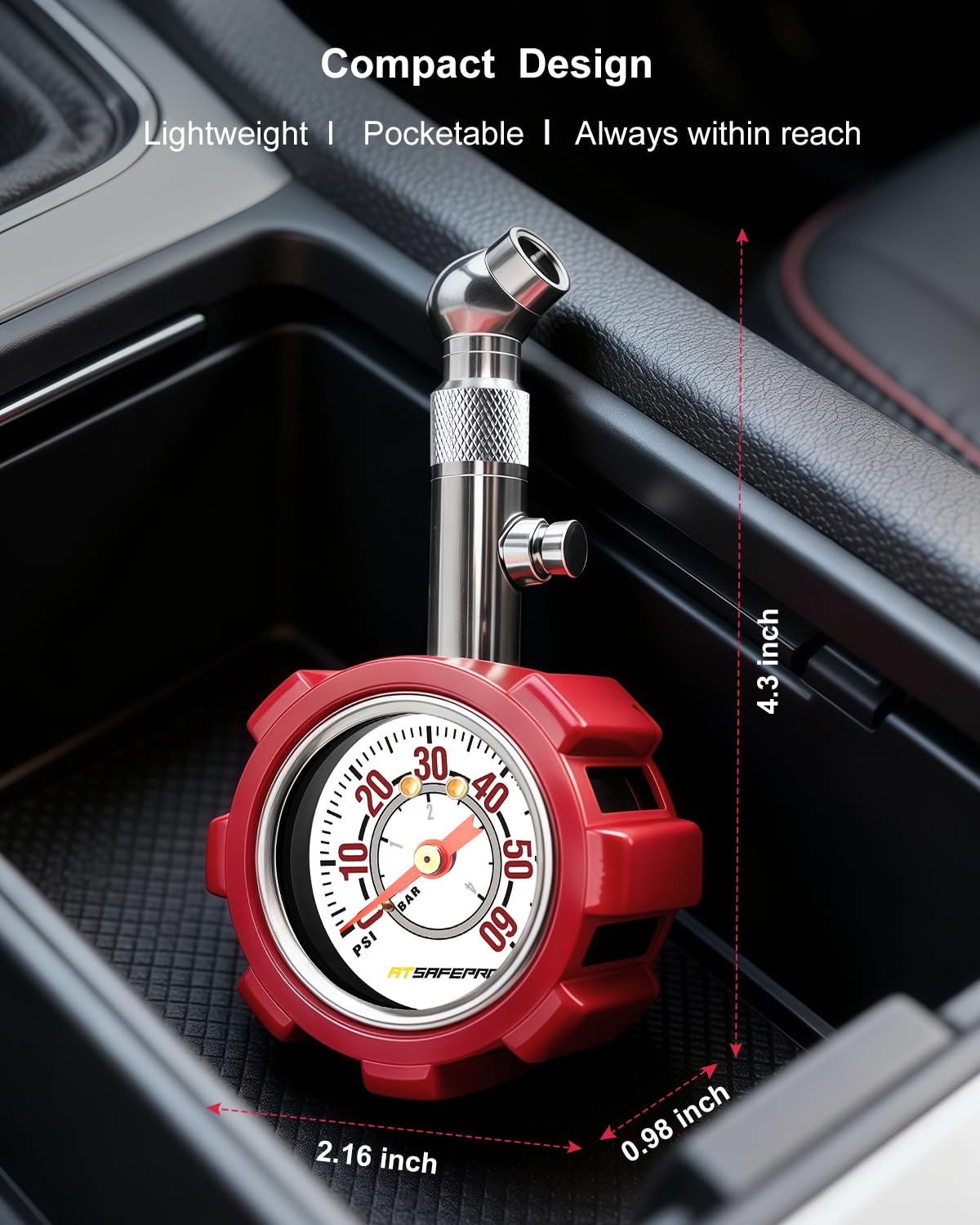
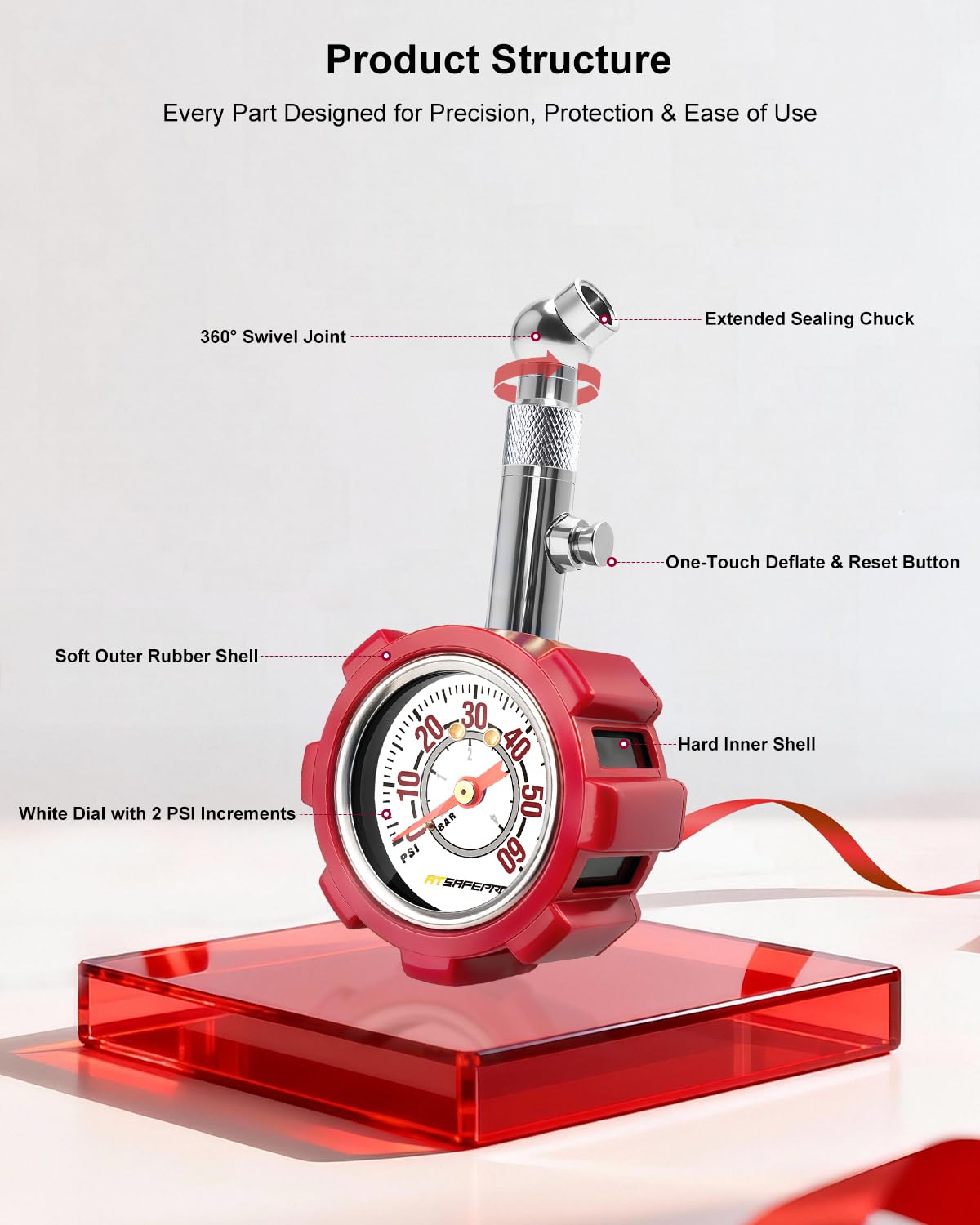
When you first receive your ATsafepro Tire Pressure Gauge, you'll notice its compact and sturdy design right away. The gauge comes in a durable red housing that's built to withstand the rigors of everyday use, whether you're at home in your garage or out on the road. Inside the packaging, you'll find the gauge itself, along with any included instructions or accessories. The extended chuck with a 360° swivel is immediately apparent, allowing for easy maneuvering around tight spaces like wheel wells.
Take a moment to familiarize yourself with the components. The extended air nozzle is designed to create a tight seal on your tire valves, preventing air leaks during measurement. This feature is particularly useful for vehicles with hard-to-reach valves, such as trucks or SUVs. The easy-to-read dial face provides accurate readings in PSI, making it simple to check if your tires are at the recommended pressure level. Before using it, inspect the gauge for any damage and ensure the swivel moves freely. If it's your first time, give the dial a gentle test by pressing the chuck against a flat surface to see how it responds.
Step-by-Step Guide to Checking Tire Pressure with the ATsafepro Tire Pressure Gauge
Using the ATsafepro Tire Pressure Gauge is straightforward and requires no special tools or expertise. Start by parking your vehicle on a level surface and letting the tires cool down if you've been driving for a while, as heat can inflate pressure readings. Locate the valve stem on each tire—usually a small metal or rubber protrusion on the wheel rim.
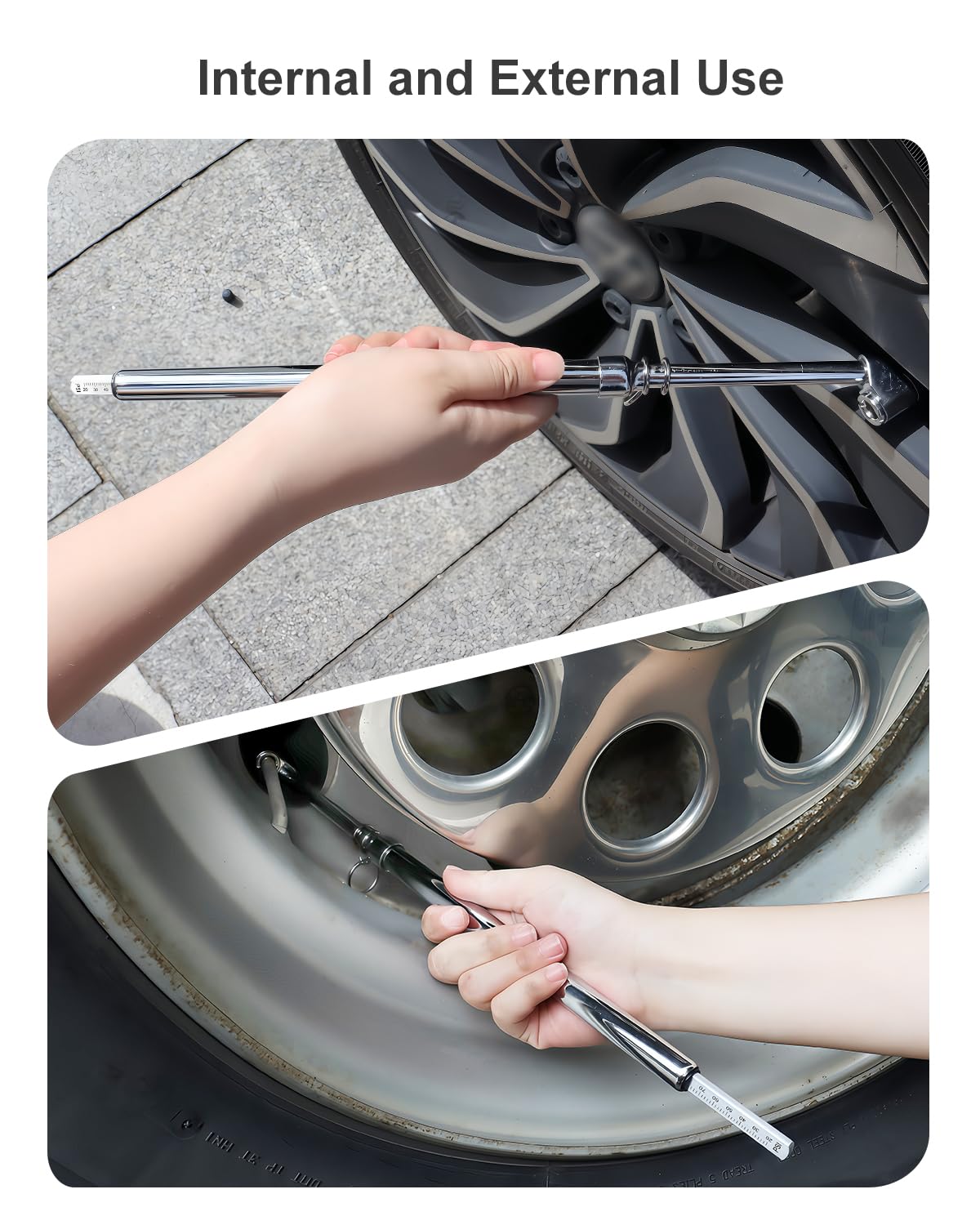
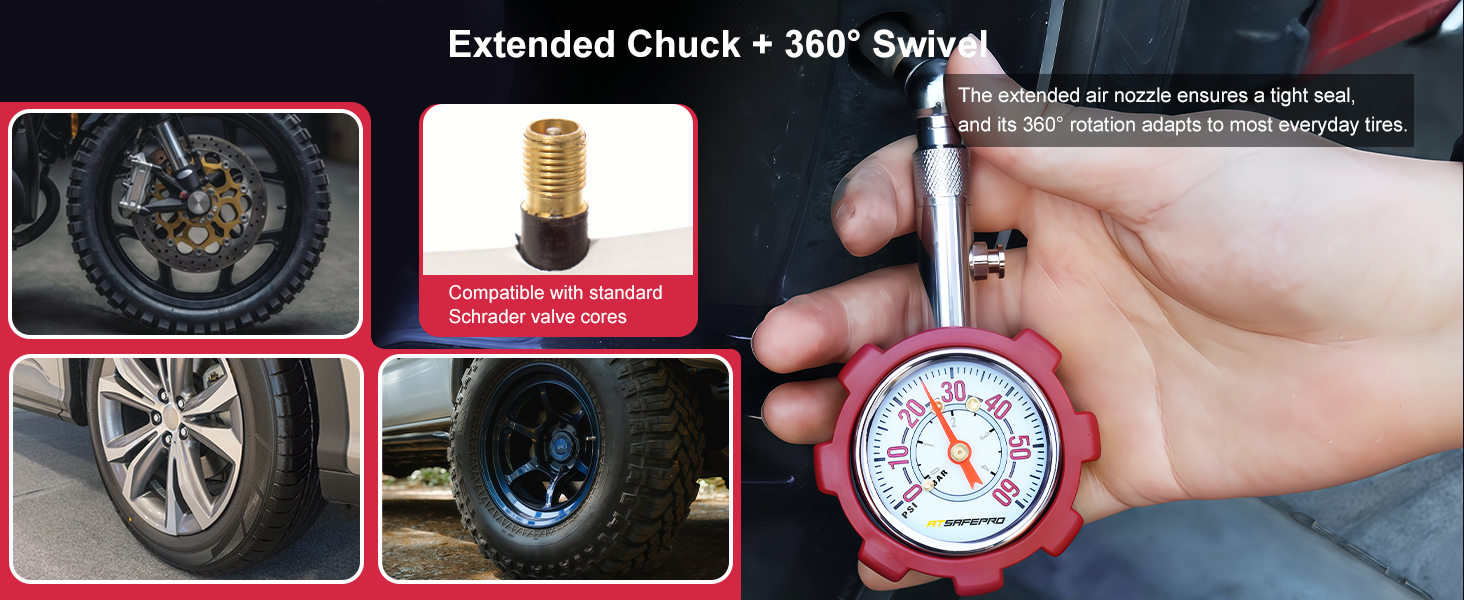
Next, remove the valve cap from the tire and set it aside in a safe place to avoid losing it. Hold the ATsafepro Tire Pressure Gauge firmly and align the extended chuck with the valve stem. The 360° swivel allows you to rotate the nozzle for the perfect angle, ensuring a secure connection. Press the chuck onto the valve stem with steady, even pressure until you hear a hiss of air and the dial registers a reading. This tight seal from the extended air nozzle means you won't lose accuracy due to escaping air.
Hold the gauge in place for a few seconds to let the reading stabilize. The clear dial will show the current PSI, which you can compare to the manufacturer's recommended pressure—often found on a sticker inside the driver's door or in your vehicle's manual. If the pressure is low, use an air compressor to inflate the tire while monitoring with the ATsafepro Tire Pressure Gauge for precision. Repeat this process for all four tires, and don't forget the spare if your vehicle has one. Once done, replace the valve caps snugly to keep out dirt and debris.
For best results, check your tire pressure at least once a month or before long trips. The ATsafepro Tire Pressure Gauge's versatility shines here, as it's compatible with standard Schrader valves found on cars, trucks, motorcycles, and even bicycles with adapters. Its full rotation capability adapts to various tire positions, from inner dual wheels on heavy-duty trucks to the angled valves on off-road bikes.
Tips for Maintaining and Storing Your ATsafepro Tire Pressure Gauge
To ensure your ATsafepro Tire Pressure Gauge remains accurate and reliable over time, proper care is key. After each use, wipe down the chuck and nozzle with a clean, dry cloth to remove any dirt, oil, or residue that could affect the seal. Avoid using harsh chemicals, as they might damage the housing or dial. Store the gauge in a cool, dry place, like your glove compartment or a toolbox, away from extreme temperatures that could warp the components.
Periodically test the gauge's accuracy by comparing it to a known good pressure source, such as a professional tire shop's equipment. If the readings seem off, it might need recalibration, but the robust build of the ATsafepro Tire Pressure Gauge means it typically holds calibration well. The red housing not only adds visibility but also protects against minor impacts, making it ideal for on-the-go adventurers.
Incorporate the ATsafepro Tire Pressure Gauge into your routine vehicle checks alongside oil levels and fluid tops-ups. This simple habit can prevent blowouts, improve handling, and extend tire life, saving you money in the long run. Whether you're a daily commuter or an off-road enthusiast, this tool's design ensures convenience without compromising on precision.
Advanced Uses and Troubleshooting with the ATsafepro Tire Pressure Gauge
Beyond basic tire checks, the ATsafepro Tire Pressure Gauge can assist in more advanced scenarios. For instance, if you're adjusting tire pressure for specific conditions—like lowering PSI for better traction in snow or increasing it for highway efficiency—the gauge's clear readings make fine-tuning easy. Its compatibility with Schrader valves means it's perfect for a wide range of vehicles, from compact sedans to heavy-duty trucks.
If you encounter issues, such as the gauge not registering pressure, check for a dirty valve core first. Clean it gently with a small brush or compressed air. Sometimes, the hiss might be louder than expected, but the extended nozzle minimizes air loss. If the swivel feels stiff, a drop of lubricant on the joint can restore smooth movement without affecting functionality.
For those with multiple vehicles, the portability of the ATsafepro Tire Pressure Gauge is a game-changer. Keep one in each car or your garage toolkit. Its durable construction ensures it withstands drops and rough handling, providing years of service. By following these steps, you'll master tire maintenance and enjoy safer, more efficient drives every time.
In summary, the ATsafepro Tire Pressure Gauge combines innovation with simplicity, making tire care accessible to everyone. With its extended chuck, 360° swivel, and reliable dial, it's more than just a tool—it's a companion for every journey. Start using yours today and feel the difference in your vehicle's performance.