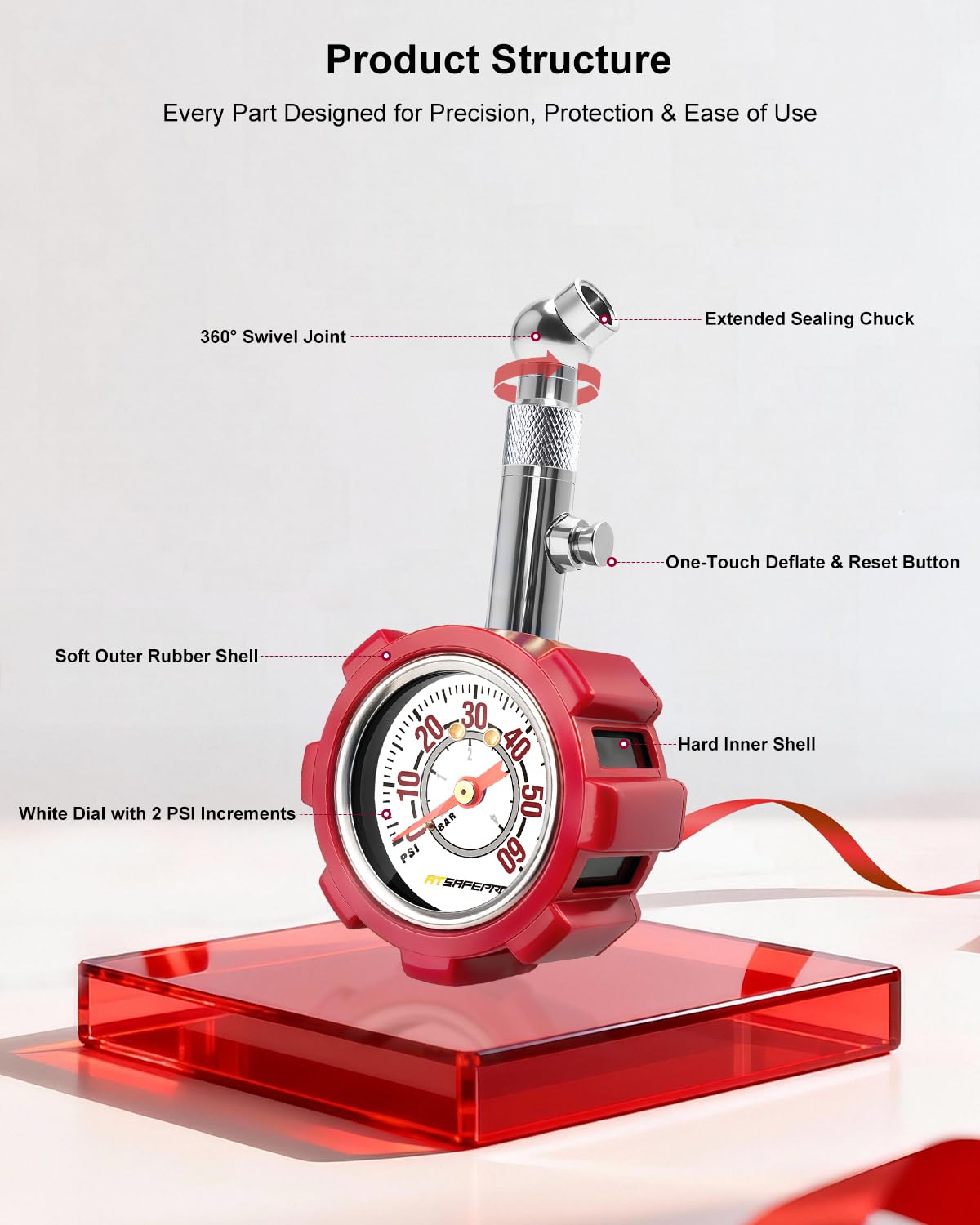
Ensuring your vehicle's tires are properly inflated is one of the most critical aspects of car maintenance, directly impacting safety, fuel efficiency, and tire longevity. The essential tool for this task is a reliable tire pressure gauge. When choosing one, drivers are often faced with a primary decision: should they opt for a modern digital model or a classic analog one? Both have distinct advantages and disadvantages, and understanding the differences is key to selecting the right tool for your needs.
The Precision of the Digital Age
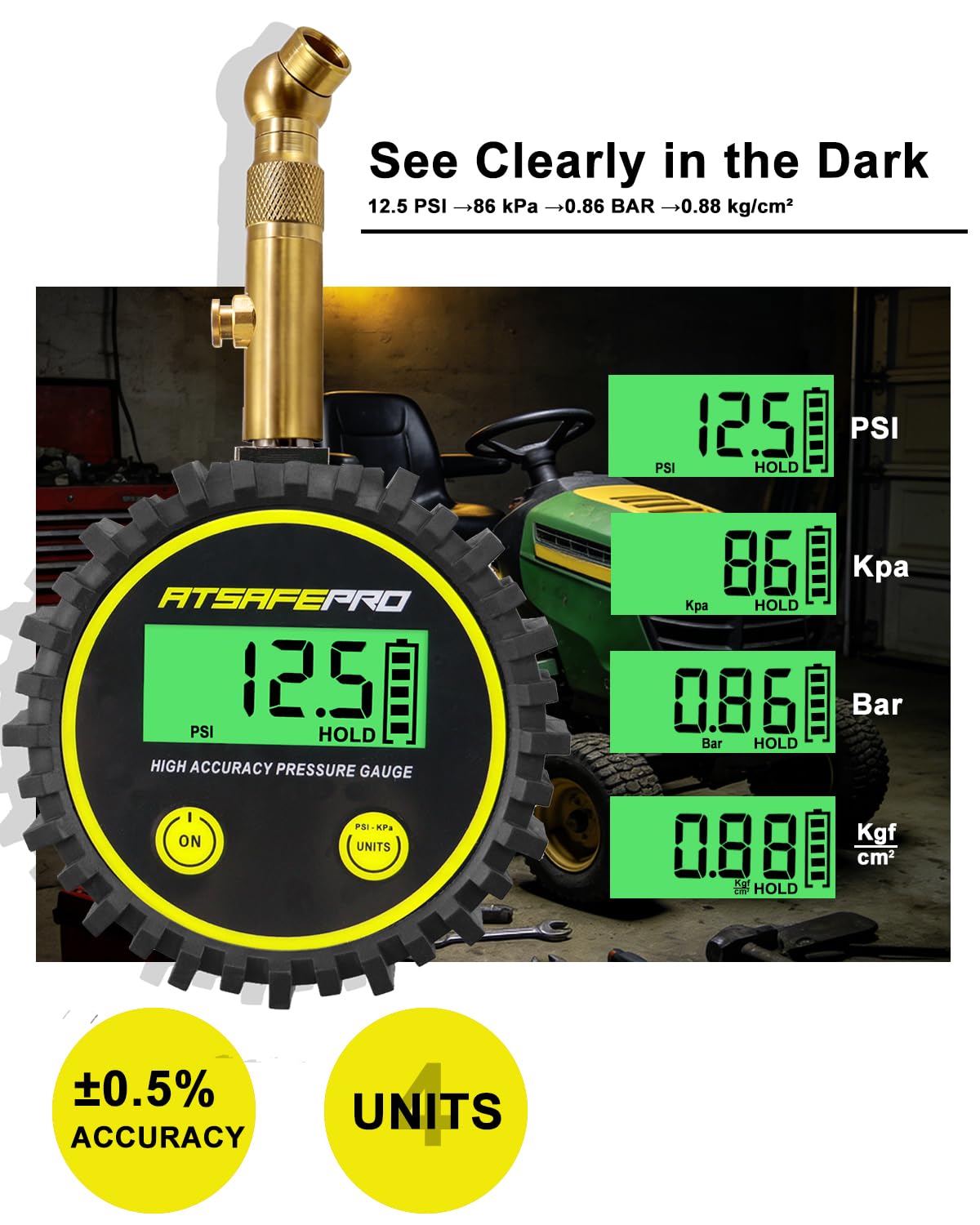
Digital tire pressure gauges have become increasingly popular due to their perceived ease of use and precision. They typically feature a backlit LCD screen that displays a clear, exact number, often to a tenth of a PSI, eliminating any guesswork. This can be particularly helpful in low-light conditions or for those who prefer an unambiguous reading. Many digital models also come with extra features, such as the ability to switch between different units of measurement (PSI, BAR, kPa), memory for storing target pressures, or an audible beep to confirm a successful reading. However, this convenience comes with a significant drawback: reliance on batteries. A dead battery renders the gauge useless, which can be a major inconvenience. Furthermore, the electronic components can make them more fragile and susceptible to damage from being dropped or exposed to extreme temperatures.
The Timeless Reliability of Analog
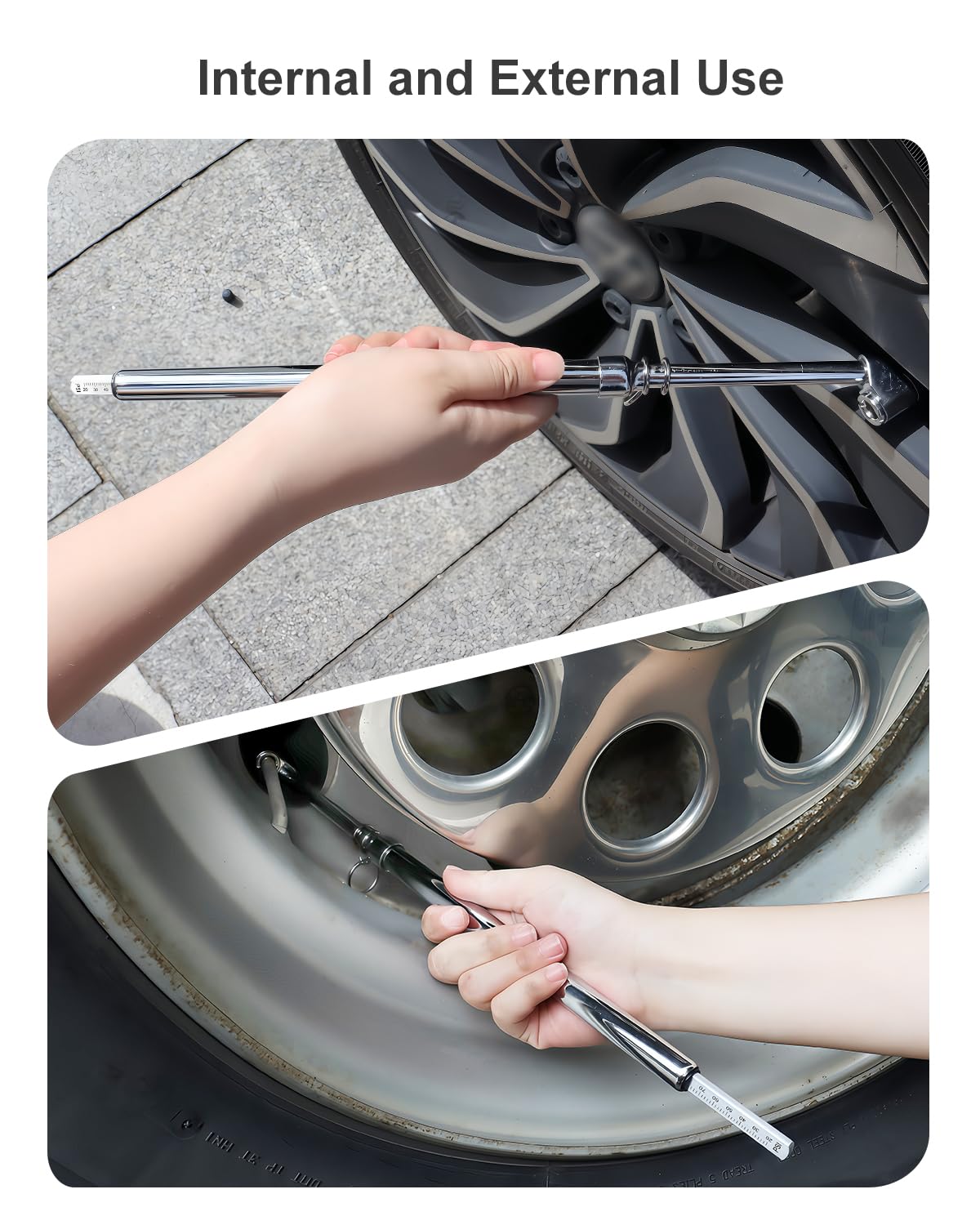
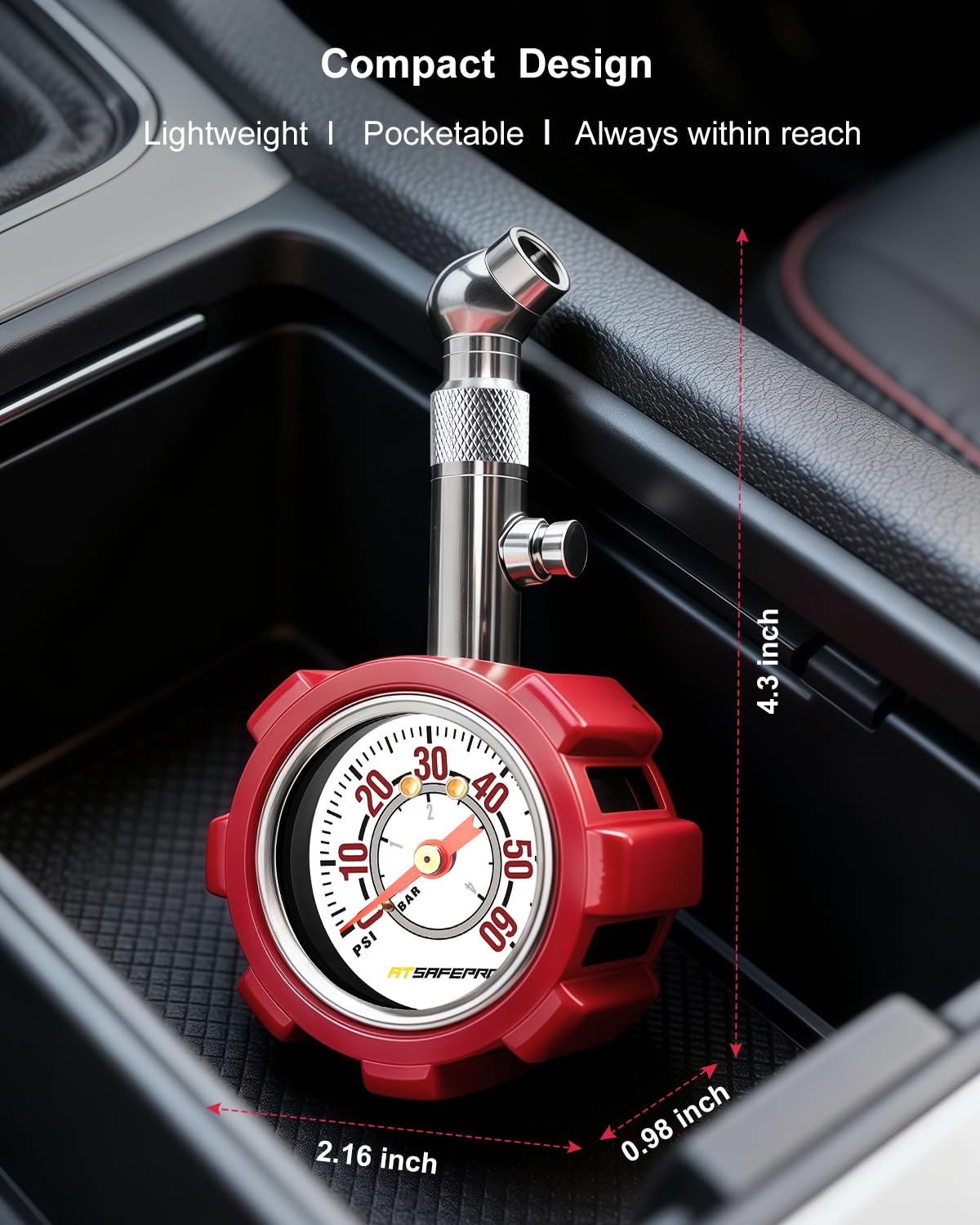
On the other side of the spectrum is the traditional analog tire pressure gauge. These mechanical devices, often called pencil or dial gauges, are celebrated for their durability and steadfast reliability. Since they operate mechanically, they require no batteries, meaning they are always ready to perform whenever you need them. Their construction is generally simpler and more robust, allowing them to withstand the rough-and-tumble environment of a garage or trunk. While some may argue they are less precise, a high-quality dial-style analog gauge offers excellent accuracy that is more than sufficient for any passenger vehicle. The main challenge can be reading the dial, which relies on interpreting the position of a needle against a series of markings, a task that can be difficult in poor lighting.
A Modern Take on a Classic: The GODSEN Gauge
Bridging the gap between classic reliability and modern usability, the GODSEN Tire Pressure Gauge exemplifies the pinnacle of analog design. It addresses the common criticisms of older models by featuring a large, exceptionally easy-to-read dial that prominently displays measurements in both bar and psi. This eliminates ambiguity and makes getting an accurate reading effortless. Encased in a rugged, tire-like protective armor and built with a robust metal body, this analog tire pressure gauge is designed for durability and longevity, free from the worries of dead batteries or fragile electronic screens. Its mechanical precision is enhanced by a sophisticated design, proving that an analog tool can deliver both superior function and style. The GODSEN gauge is a testament to the fact that with thoughtful engineering, a classic tool can offer unmatched reliability without sacrificing clarity.
Which Gauge is Right for You?
Ultimately, the choice between a digital and analog gauge comes down to personal preference and priorities. If you value high-tech features and a precise digital readout, and don't mind managing batteries, a digital model could be a good fit. However, if your priority is unwavering reliability, battery-free operation, and robust durability that will last for years, a high-quality analog tire pressure gauge is an unbeatable choice. A well-crafted model like the GODSEN gauge proves that you don't have to compromise on readability or style to get the dependable performance of an analog device. Whichever you choose, the most important thing is to have a quality gauge on hand and to check your tire pressure regularly for a safer, more efficient ride.