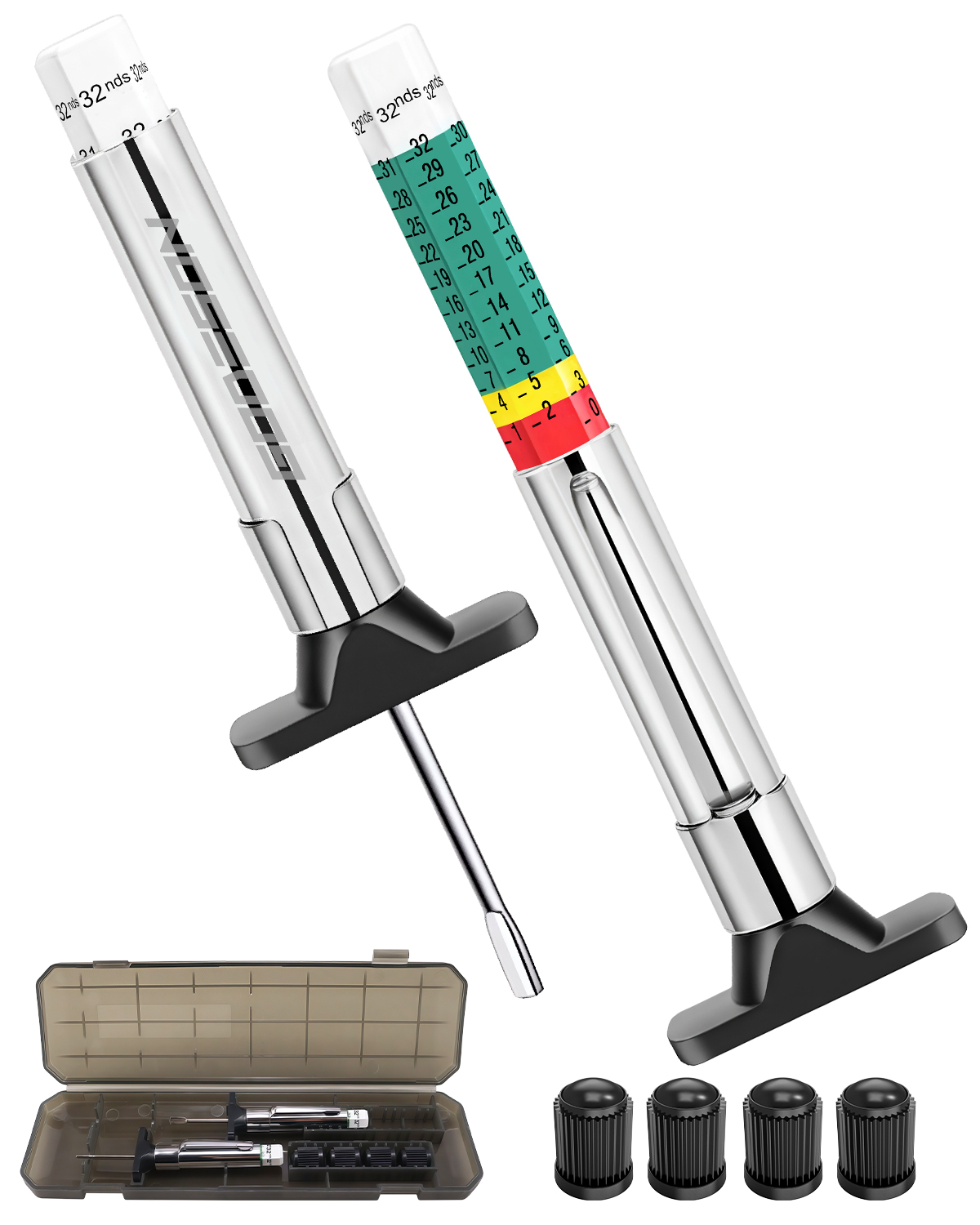
Understanding the ATsafepro Torque Wrench: A Multifunctional Marvel
In the world of precision tools, the ATsafepro Torque wrench stands out as a versatile powerhouse designed for both professionals and DIY enthusiasts. This innovative tool combines advanced technology with user-friendly features, making it an essential addition to any toolkit. With its ergonomic design and digital display, the ATsafepro Torque wrench ensures accurate torque application across various projects, from automotive repairs to bicycle maintenance. Unlike traditional options, it offers a seamless blend of precision and portability, setting a new standard in torque measurement.
Digital Torque Wrench vs. Mechanical Torque Wrench: Core Differences
When comparing a digital torque wrench to a mechanical torque wrench, the distinctions in accuracy, ease of use, and functionality become evident. A digital torque wrench, like the ATsafepro model, utilizes electronic sensors to provide real-time readings on an LCD screen, allowing for precise adjustments down to the decimal point. This level of detail is invaluable for tasks requiring exact specifications, such as engine assembly or sensitive machinery work. In contrast, a mechanical torque wrench relies on a calibrated spring mechanism that clicks or beeps when the desired torque is reached, offering reliability but often without the fine granularity of digital counterparts.
The ATsafepro Torque wrench exemplifies the advantages of digital technology by incorporating a multifunctional interface that supports multiple measurement units, including Newton-meters and foot-pounds. This adaptability contrasts sharply with mechanical models, which typically feature fixed scales that can be harder to read in low-light conditions. While mechanical torque wrenches are praised for their simplicity and lack of batteries, they may require more frequent calibration and can be prone to wear over time. On the other hand, the digital precision of the ATsafepro Torque wrench reduces user error, making it ideal for high-stakes applications where consistency is key.
Ergonomics and Design: How the ATsafepro Torque Wrench Excels
Ergonomics play a crucial role in tool performance, and here the ATsafepro Torque wrench shines when contrasted with standard mechanical options. Its sleek black finish and rubberized grip provide comfort during extended use, reducing hand fatigue compared to the often bulkier, less contoured designs of mechanical wrenches. The inclusion of an adjustable head allows for versatile positioning, which is particularly beneficial in tight spaces—a common challenge with rigid mechanical tools.
In terms of build quality, the ATsafepro Torque wrench's robust construction withstands heavy-duty use, much like high-end mechanical models, but it adds a layer of modern appeal with its digital interface. Mechanical torque wrenches, while durable, can accumulate dirt and grime on their analog dials, potentially affecting readability. The ATsafepro's sealed digital display resists such issues, ensuring longevity and ease of maintenance. Packaged in a sturdy carrying case, it also offers superior portability over many mechanical wrenches that lack dedicated storage solutions.
Precision in Action: Performance Comparison Across Applications
Precision is where the digital torque wrench truly outpaces its mechanical counterpart, especially in diverse applications. For automotive work, the ATsafepro Torque wrench delivers exact torque for bolt tightening, preventing over- or under-tightening that could lead to failures—issues more common with mechanical tools due to subjective interpretation of the click mechanism. In bicycle repairs, its adjustable settings allow for fine-tuned spoke tensioning, offering more control than the broader increments of mechanical wrenches.
Contrast this with machinery projects, where mechanical torque wrenches might suffice for basic tasks but fall short in environments demanding data logging. The ATsafepro Torque wrench's ability to store readings and alert users to deviations provides a technological edge, enhancing workflow efficiency. While mechanical models are cost-effective for occasional use, their lack of visual feedback can result in inconsistencies over repeated applications. The ATsafepro, with its hex key for easy calibration, maintains accuracy longer, making it a smarter investment for frequent users.
Versatility and User Experience: Why Choose Digital Over Mechanical
Versatility defines the ATsafepro Torque wrench's appeal, as it accommodates a wide range of torque values from 10 to 200 Nm, far surpassing many entry-level mechanical options limited to specific ranges. Users appreciate the intuitive controls, which include memory functions for recalling previous settings—a feature absent in mechanical designs. This makes the ATsafepro ideal for multi-step projects, where switching between tasks is seamless.
When evaluating user experience, digital torque wrenches like the ATsafepro reduce learning curves for beginners while satisfying pros with advanced features. Mechanical wrenches, though straightforward, often require manual zeroing and can be less forgiving in variable conditions, such as temperature fluctuations affecting spring tension. The ATsafepro's battery-powered operation, complete with low-battery indicators, ensures uninterrupted performance, contrasting the always-ready but less precise nature of mechanical tools.
Durability, Maintenance, and Long-Term Value
Durability is a shared strength, yet the ATsafepro Torque wrench edges ahead with its corrosion-resistant materials and protective case, designed for on-the-go reliability. Mechanical torque wrenches endure physical stress well but may need professional servicing for internal components, whereas the ATsafepro's self-calibration tools simplify upkeep at home.
In terms of long-term value, investing in a digital torque wrench like the ATsafepro pays off through reduced rework and enhanced safety. Mechanical options might appeal to budget-conscious users, but their potential for inaccuracy can lead to costly mistakes. The ATsafepro Torque wrench, blending cutting-edge tech with practical design, offers superior return on investment for anyone serious about precision engineering.
Overall, while mechanical torque wrenches hold their ground in simplicity, the ATsafepro Torque wrench's digital innovations make it the superior choice for modern demands, ensuring accuracy, comfort, and efficiency in every turn.