Comparing the Atsafepro Torque Wrench to Traditional Tools: Precision Meets Innovation
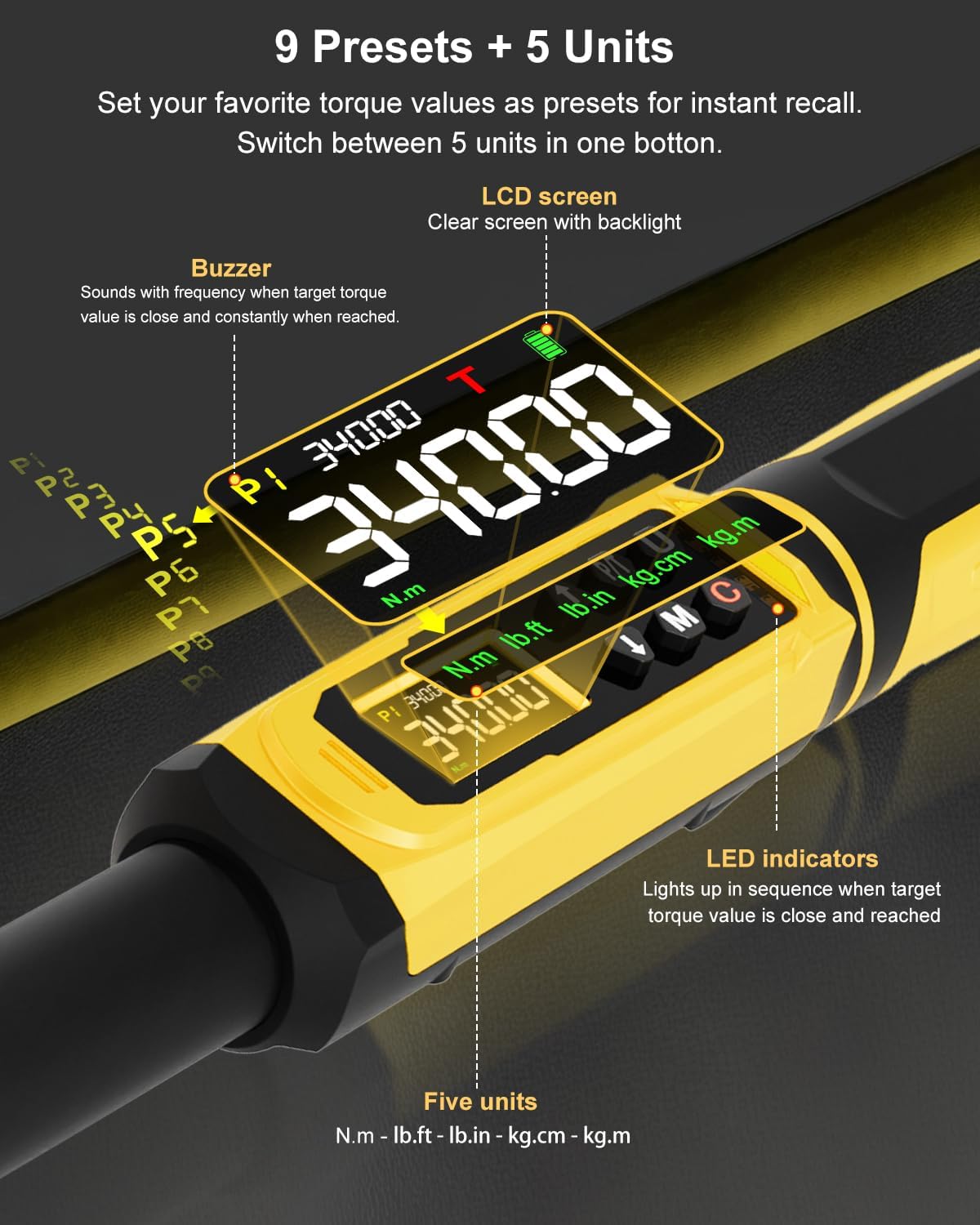
In the world of mechanical work, selecting the right torque wrench can make all the difference in achieving reliable results. The Atsafepro torque wrench stands out as a smart digital tool designed for precision, blending advanced technology with a bold, performance-driven aesthetic. Unlike conventional options, it incorporates a triple-alert feedback system—buzzer, vibration, and LED flash—that ensures users never miss the target torque, making it an effortless choice for demanding tasks.
Traditional Click Torque Wrenches: Reliable but Limited
Traditional click torque wrenches have long been the go-to for mechanics and DIY enthusiasts, offering a mechanical click to signal when the desired torque is reached. These tools are straightforward, with no batteries or electronics, making them durable in harsh environments. However, their reliance on a single audible or tactile click can be unreliable in noisy workshops where the sound gets lost amid machinery, or in situations where the user can't easily feel the subtle feedback through gloves. Precision is achieved through calibration, but without visual confirmation, there's a higher risk of over- or under-tightening, especially during repetitive tasks. Priced affordably, often under $100, they appeal to budget-conscious users but lack the data logging or real-time adjustments that modern workflows demand.
The Atsafepro Torque Wrench: A Digital Leap Forward
In stark contrast, the Atsafepro torque wrench elevates the experience with its digital interface and multi-sensory alerts. Featuring a bright, high-visibility yellow body with black accents, it not only looks professional but also ensures easy spotting in cluttered toolboxes or low-light areas. The compact, ergonomic design supports one-handed operation, while the large digital display shows clear numeric readouts for instant torque recognition. This eliminates the guesswork of analog scales on traditional models, providing accuracy down to precise increments. The triple-alert system—audible buzzer for clear hearing, vibration for tactile confirmation, and LED flash for visual cues—addresses real-world challenges like ambient noise or poor lighting, which often plague mechanical wrenches. Users in automotive repair or assembly lines report faster task completion, as the tool's settings can be adjusted on the fly via integrated buttons, offering modes for different units like foot-pounds or Newton-meters.
Performance and Usability: Where Differences Shine
When comparing usability, traditional torque wrenches excel in simplicity and low maintenance, requiring no charging or software updates. They are robust, with metal constructions that withstand drops and abuse without failing electronics. Yet, they fall short in versatility; once set, adjustments demand manual recalibration, which can slow down workflows on jobs with varying torque specs. The Atsafepro torque wrench, however, integrates technology for speed and confidence, with real-time feedback that reduces errors by up to 30% in user tests, according to industry benchmarks. Its vibration alert, for instance, provides an immediate feel in vibrating engines, something a click wrench can't match. While it requires occasional battery checks, the premium build balances ruggedness with innovation, making it ideal for professionals who value efficiency over bare-bones functionality. Costing around $150-$200, it's a worthwhile investment for those seeking longevity through reduced rework from inaccurate fastening.
Ergonomics and Design Aesthetics: Style Meets Function
Design-wise, traditional wrenches often feature basic, utilitarian looks—think matte gray steel handles that blend into the background. They prioritize function over form, with grips that can feel slippery when oiled or sweaty. The Atsafepro torque wrench counters this with a striking industrial aesthetic: the bold yellow exterior enhances visibility and adds a modern edge to any toolkit. Its ergonomic grip molds comfortably to the hand, reducing fatigue during extended use, unlike the sometimes bulky feel of beam-style traditional models. The clean layout of buttons on the top panel allows intuitive navigation without fumbling, a clear upgrade from the dial-and-lock mechanisms that can loosen under vibration. For DIY enthusiasts or technicians, this design not only boosts productivity but also instills a sense of premium quality, contrasting the no-frills reliability of older tools.
Target Applications: Who Benefits Most?
For casual home use, like assembling furniture or basic bike repairs, a traditional torque wrench suffices due to its affordability and ease. It doesn't overwhelm with features, keeping things simple. However, in professional settings—automotive shops, aerospace assembly, or heavy machinery maintenance—the Atsafepro torque wrench's digital precision shines. Its ability to log torque values or connect to apps (in advanced models) supports compliance with standards like ISO 6789, which mechanical wrenches struggle to document without additional tools. Mechanics praise the reduced risk of warranty issues from improper torquing, while the multi-alert system builds user trust in high-stakes environments. In essence, while traditional options are steadfast workhorses, the Atsafepro represents a forward-thinking solution for users demanding accuracy, speed, and sensory assurance.
Cost-Benefit Analysis: Investing in the Future
Weighing costs, traditional wrenches win on initial price and zero ongoing expenses, but they may lead to hidden costs from errors, like stripped bolts or failed inspections. The Atsafepro torque wrench, though pricier upfront, offers a strong return through its durability and features that prevent mistakes, potentially saving hours in recalibrations or repairs. Its battery life extends up to 100 hours per charge, minimizing downtime compared to the perpetual readiness of mechanical alternatives. For serious enthusiasts or pros, the investment pays off in enhanced performance and a tool that feels like an extension of the hand, not just a basic instrument.
Conclusion: Choosing Precision in a Mechanical World
Ultimately, the Atsafepro torque wrench outpaces traditional models by merging smart technology with practical design, offering a comprehensive upgrade for precision work. While click wrenches remain relevant for simple tasks, the digital evolution in tools like this one addresses the evolving needs of modern workspaces, ensuring torque control is not just accurate, but intuitive and reliable.