Tire Tread Depth Gauges: The Simple Tool That Keeps Drivers and Cyclists Safe
Why Tread Depth Matters More Than You Think
Tire tread depth directly affects traction, braking distance, and water dispersion on wet roads. According to the U.S. National Highway Traffic Safety Administration (NHTSA), tires with low tread depth are three times more likely to be involved in crashes during wet conditions. For cyclists, shallow tread may reduce grip on gravel or slippery terrain, increasing the risk of skidding. Despite this, most people still rely on a quick glance to judge tire condition — an unreliable method that often leads to delayed replacements.
The Gauge: A Small Tool with a Big Role
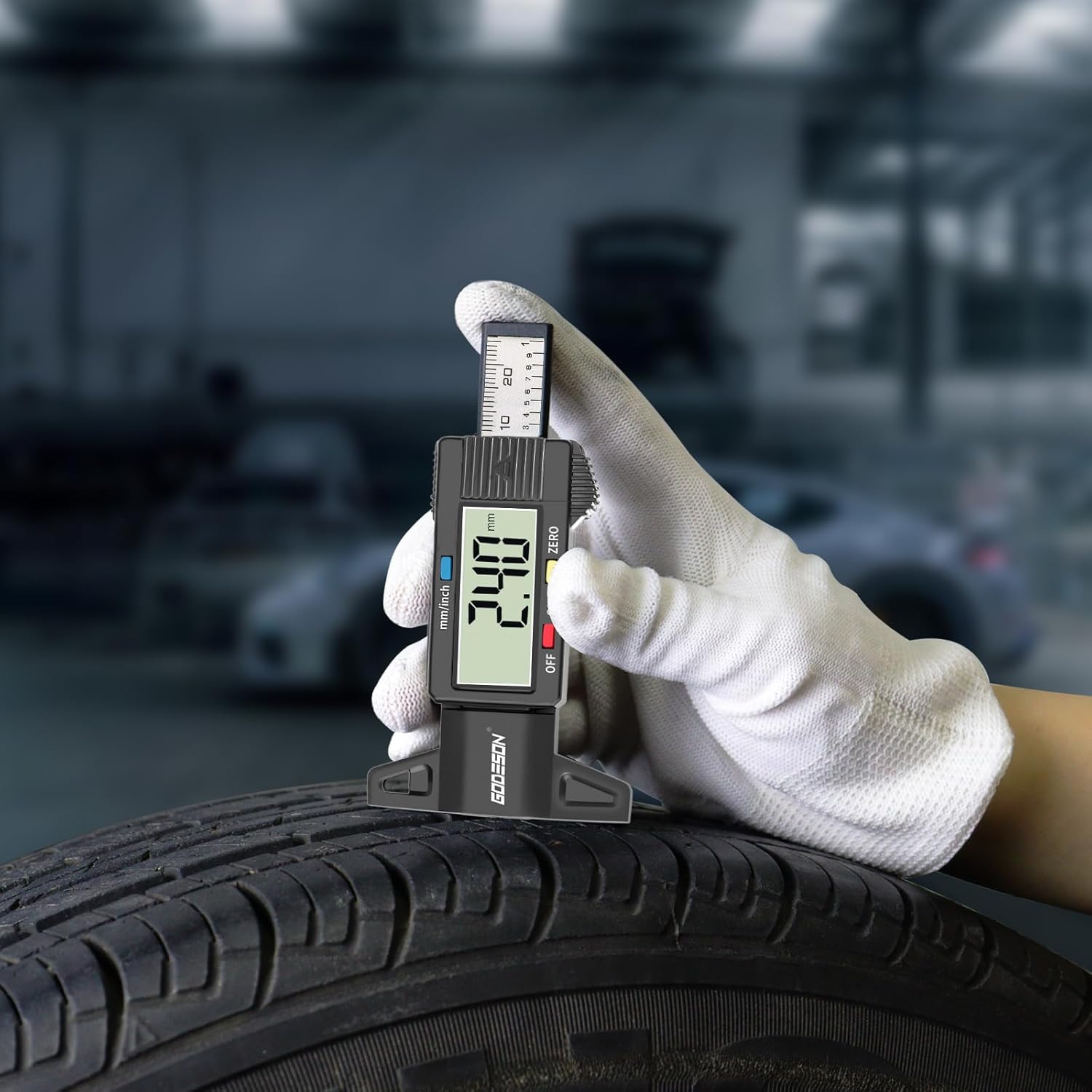
A tire tread depth gauge is designed to measure the exact depth of tire grooves in millimeters or 32nds of an inch. Unlike coin tests or visual checks, it removes subjectivity and provides a precise reading. Knowing your tread depth allows you to:
-
Replace tires before they become unsafe.
-
Detect uneven wear, which may point to alignment or suspension issues.
-
Make informed decisions about driving in wet, snowy, or off-road conditions.
ATSAFEPRO offers multiple gauge types — from simple pencil-style tools to advanced digital models — making accurate checks accessible to every driver and cyclist.
Real-World Scenarios That Highlight Its Value
-
Car Owners in Rainy Regions: Hydroplaning risk increases sharply when tread depth falls below 4/32". A depth gauge ensures you replace tires before performance drops.
-
Cyclists on Gravel Paths: Even small variations in tread depth can affect control on loose surfaces. A gauge helps cyclists monitor wear after heavy rides.
-
Road-Trip Preparation: Checking tread depth before a long trip can prevent blowouts or poor braking performance on highways.
-
Seasonal Checks: Before winter, confirming your tires meet the minimum tread requirement ensures safe handling on icy or snowy roads.
Comparing Gauge Types
| Gauge Type | Advantages | Best For |
|---|---|---|
| Dial Type Tread Depth Gauge | Highly precise, easy-to-read analog dial | Professional mechanics, detailed checks |
| Smart Color Code Gauge | Quick visual feedback with green/yellow/red zones | Everyday drivers wanting fast checks |
| Digital Tread Depth Gauge | Exact digital readings, compact design | Tech-savvy users, cyclists, accuracy-focused drivers |
Each type serves a different need, but they all share the same purpose: helping you act before tire wear becomes dangerous.
How to Gauge Tire Tread Depth Correctly
-
Insert the gauge probe into a major tread groove.
-
Press the base flat against the tire.
-
Read the depth on the scale or screen.
-
Repeat in multiple locations around the tire to detect uneven wear.
For cars, tread should ideally be replaced at or before 4/32" for wet conditions, while 2/32" is the legal minimum in many regions. Cyclists should check tread more frequently if riding on mixed or rough terrain.
The Hidden Benefits of Regular Checks
-
Cost Savings: Identifying uneven wear early helps you fix alignment or suspension issues before they cause full tire replacement.
-
Peace of Mind: Knowing your tires meet safe tread depth standards lets you drive or ride with confidence.
-
Sustainability: Properly monitoring and rotating tires extends their lifespan, reducing waste.
Why ATSAFEPRO Gauges Stand Out
ATSAFEPRO tread depth gauges are designed with the everyday user in mind:
-
Accuracy backed by calibration standards.
-
Durable construction for repeated use in garages or on the road.
-
Easy-to-use design — whether you prefer a quick visual indicator or a precise digital reading.
These gauges help both casual drivers and serious cyclists take control of tire maintenance without relying solely on repair shops.
Safety You Can Measure
Tire tread depth is not just a technical detail — it is one of the most direct indicators of road safety. With accidents linked to worn tires every year, relying on guesswork is no longer enough. By keeping a reliable tread depth gauge in your glove box or bike toolkit, you empower yourself to make informed, proactive decisions.
Browse ATSAFEPRO’s tire tread depth gauges to find the model that fits your needs, or reach out through our Contact Us page for expert guidance. With the right gauge, you’re not just checking numbers — you’re protecting your safety, extending your equipment’s life, and ensuring every trip is one you can trust.