The Essential Guide to Proper Tire Maintenance
Maintaining your vehicle's tires is one of the most critical aspects of car ownership, directly impacting safety, fuel efficiency, and overall performance. While often overlooked, the simple act of keeping tires properly inflated can prevent accidents, extend tire life, and save you money at the pump. The cornerstone of this essential task is a small but mighty tool: the air chuck. This device is the vital link between your air compressor and your tire, making it possible to add air accurately and efficiently. Whether you're a seasoned car enthusiast or a daily commuter, understanding this tool is the first step toward better vehicle care.
What Exactly is an Air Chuck?
At its core, an air chuck is a valve fitting that connects to the end of an air hose, allowing you to securely attach it to a tire's valve stem. This connection opens the tire's valve, enabling pressurized air from a compressor to flow in. These tools come in two primary configurations: closed-flow and open-flow. Open-flow chucks allow air to pass through them continuously as soon as they are connected to the air supply. Conversely, closed-flow chucks, like a modern Closed Ball Air Chuck, have an internal shut-off valve that prevents air from flowing until the chuck is firmly pressed onto the tire's valve stem. This design is particularly advantageous as it prevents air leakage and provides a more controlled inflation process, leading to consistently accurate pressure readings. A well-designed chuck ensures a secure, leak-free seal, which is fundamental for precise inflation.
The Critical Role of an Air Chuck for Tire Inflation
Using a reliable air chuck for tire inflation is non-negotiable for responsible vehicle maintenance. Driving on underinflated tires can cause poor handling, sluggish response, and increased friction, which leads to excessive heat buildup and a higher risk of a dangerous blowout. It also causes uneven tire wear and significantly reduces fuel economy. Overinflated tires are just as problematic, resulting in a harsh ride, reduced traction, and accelerated wear on the center of the tread. A quality inflation tool allows you to mitigate these risks with precision. Advanced models that integrate a high-definition digital display provide instant, easy-to-read feedback, removing the guesswork from the process. This allows you to inflate to the exact PSI recommended by your vehicle’s manufacturer, ensuring optimal performance and safety every time you get behind the wheel.
Choosing the Right Tool for the Job
Not all inflation tools are created equal, and selecting the right one depends on your specific needs. Chucks come in various head styles, including straight-on, 45-degree angled, and dual-head designs that accommodate different valve stem placements, especially on larger vehicles or motorcycles. The connection mechanism is another key consideration. Some are simple press-on types, while others feature a clip-on or locking mechanism for a hands-free, secure fit. When making a selection, prioritize durability. A tool constructed from high-quality, rugged materials is built to withstand frequent use and harsh garage environments, making it a reliable companion for years. A compact, ergonomic design is also beneficial, ensuring it is comfortable to handle and can be conveniently stored in a glove compartment or trunk for roadside emergencies.
Enhancing Your Setup with Air Chuck Accessories
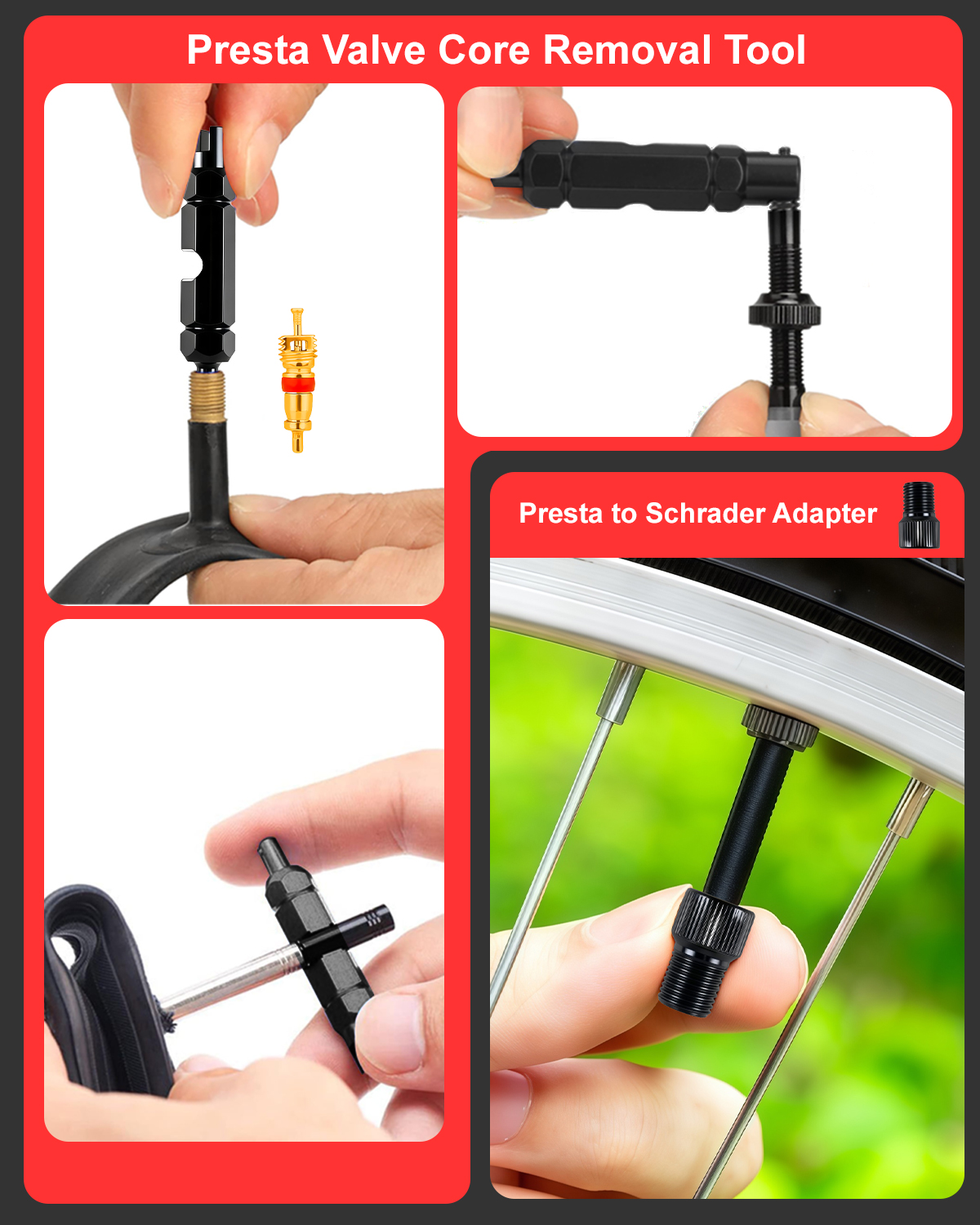
To create a complete and versatile tire maintenance kit, you will need a few key air chuck accessories. The most obvious is a dependable air hose of sufficient length to comfortably reach all four tires of your vehicle. Paired with a portable or stationary air compressor, you have the power source for your inflation needs. While many modern chucks come with a built-in gauge, having a separate, high-quality tire pressure gauge is excellent for double-checking your work and ensuring accuracy. Other useful air chuck accessories include quick-connect fittings, which allow you to easily swap between different tools on your air hose, and a valve core tool for more advanced tire repairs. Keeping a set of spare valve stem caps is also a simple but smart practice to protect your valves from dirt and moisture.
A Step-by-Step Guide to Using Your Inflation Tool
Using your tire inflation tool is a straightforward process. First, find your vehicle's recommended tire pressure, which is typically listed on a sticker inside the driver’s side doorjamb. Do this when the tires are cold for the most accurate reading. Next, remove the cap from the tire's valve stem and store it somewhere safe. Press the air chuck firmly onto the valve stem until you hear a slight hiss of air, which then stops as the chuck seals. If your tool has a built-in gauge, it will now display the tire’s current pressure. Squeeze the inflation lever in short bursts to add air, pausing to check the pressure frequently to avoid overinflation. Once you reach the target PSI, remove the chuck and promptly replace the valve stem cap. By following these simple steps, you can ensure your tires are always in peak condition, providing peace of mind on every journey.