How to Check Tire Tread: Simple Steps for Safer Driving
Why Tire Tread Matters More Than You Think
Tread grooves are the only link between your tires and the road. They channel water away, improve traction, and shorten braking distance. Studies by the National Highway Traffic Safety Administration (NHTSA) show that tires with insufficient tread are three times more likely to cause accidents in wet conditions. Regular checks are the easiest way to prevent unnecessary risks.
The Quick Coin Test
One of the simplest at-home checks is the coin test:
-
Insert a small coin (like a penny or local equivalent) into the tread groove.
-
If the top of the symbol (such as Lincoln’s head in the U.S.) is fully visible, tread depth is too low and the tire should be replaced.
While this method is easy, it only provides a rough estimate and lacks precision.
Using a Tire Tread Depth Gauge for Accuracy
For more reliable results, a tire tread depth gauge is the recommended tool:
-
Dial Type Gauges: Easy-to-read mechanical design, durable for repeated use.
-
Color-Coded Gauges: Provide quick visual indicators (green = safe, yellow = caution, red = replace).
-
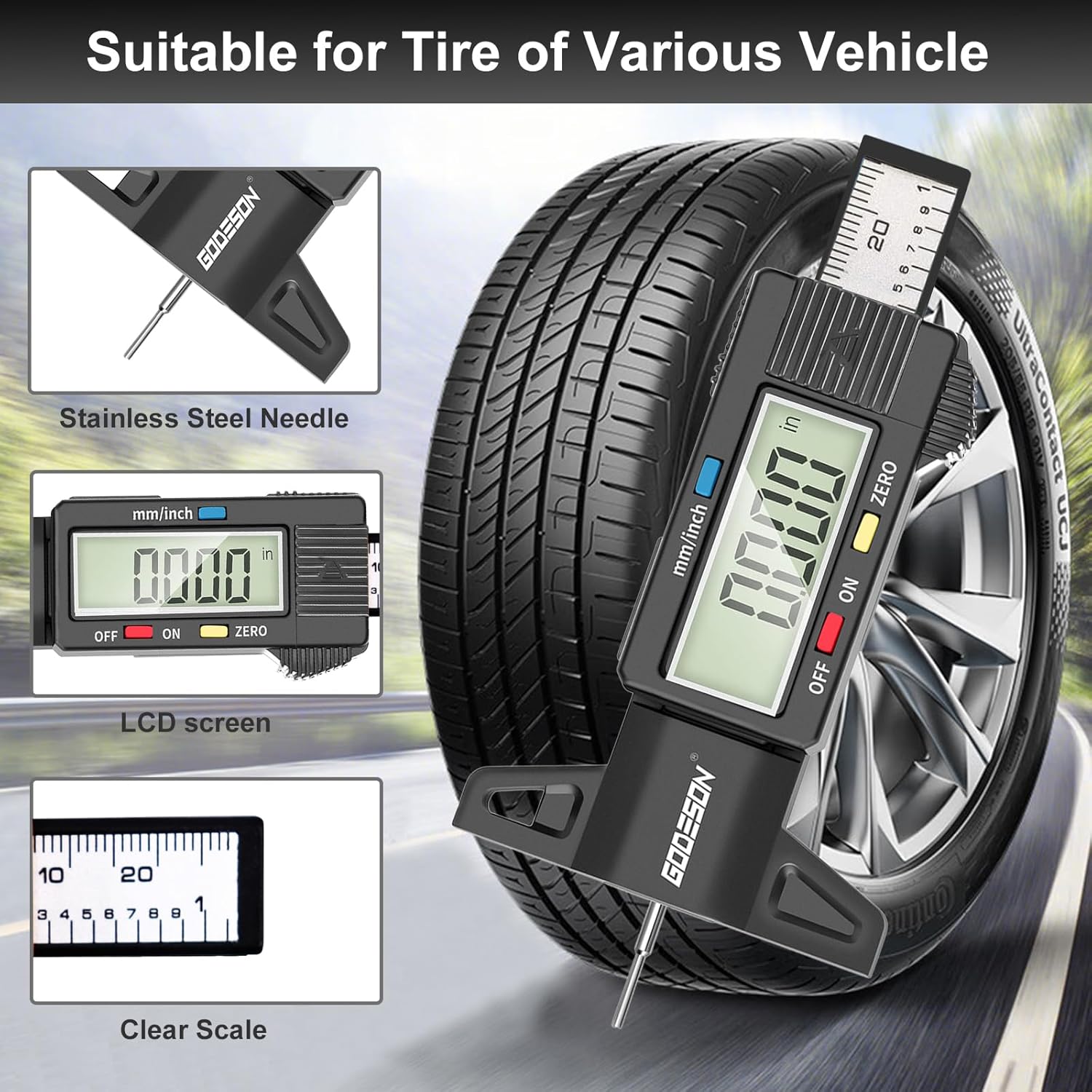
Digital Gauges: Offer exact millimeter or inch readings, reducing guesswork.
These tools measure precisely whether tread depth meets the safe threshold of at least 3–4 mm for wet-weather driving and 1.6 mm minimum legally required in many regions.
How Often Should You Check Tire Tread?
Experts recommend checking tire tread at least once a month and always before long trips. This routine ensures that small issues are caught early before they become safety risks. Seasonal changes also affect wear rates—hot summers accelerate tread wear, while winter roads may create uneven patterns. Drivers who frequently travel on highways or carry heavy loads should check tread more often, as these conditions shorten tire life. By making tread inspections part of monthly car care, you can extend tire longevity and avoid sudden replacements.
Real-Life Scenarios Where Tread Checks Make a Difference
-
Before Rainy Season: Verifying tread depth helps prevent hydroplaning.
-
Highway Road Trips: Long-distance driving at high speeds demands stronger traction.
-
Family Safety: A quick check before loading passengers ensures reduced risk of skidding.
-
Cycling and Motorcycles: Narrow tires need extra attention, as worn tread increases instability.
Additional Tips for Tire Health
-
Rotate tires every 5,000–8,000 miles to promote even wear.
-
Avoid aggressive braking that accelerates tread wear.
-
Store vehicles properly in off-seasons to reduce cracking and uneven aging.
-
Combine tread checks with regular tire pressure monitoring for complete safety.
Why ATSAFEPRO Tools Simplify Tire Tread Checks
ATSAFEPRO offers a full range of tread depth gauges designed for accuracy and ease:
-
Digital and Dial Options calibrated for precise results.
-
Color-Coded Designs for instant interpretation.
-
Durable Construction to withstand repeated use in garages or outdoor conditions.
These tools make routine tread checks quick, simple, and reliable—helping drivers avoid costly accidents and keep vehicles safe year-round.
Taking Control of Tire Safety
Knowing how to check tire tread is a simple habit with long-term rewards. By combining easy methods like the coin test with precise tools such as tread depth gauges, drivers can prevent hydroplaning, reduce accidents, and extend tire life.
Explore ATSAFEPRO’s tread depth gauges or get in touch via Contact Us to choose the best option for your vehicle.