Why a tire tread gauge still matters in a shop full of scanners

A vehicle can look fine on the lift and still be sitting on tires that are too worn to trust. That is where a GODESON tire tread depth gauge earns its place. It is not a flashy diagnostic device, and it does not need to be. For technicians, fleet managers, and used-car buyers, the real question is simpler: how much tread is left, and is it enough for the job the tire has to do?
That sounds basic until you compare the ways tread gets judged in the real world. Some people still use a coin. Some eyeball the wear bars. Others rely on a quick pass from a handheld tire tread depth gauge. Each method has a place, but they do not carry the same weight when safety, compliance, or resale value is on the line.
A pen-style depth gauge like the one shown here is built for quick checks, repeated use, and clearer communication with customers. It gives a number, not a hunch. And in tire work, that difference matters.
Gauges, coins, and wear bars: what each method tells you
The comparison is worth making because buyers often treat these methods as interchangeable. They are not.
A coin test is fast, but it is crude. It may tell you a tire is obviously worn, yet it does not help much when you are trying to decide whether a set should stay in service through another season or be replaced now. Wear bars are better, but they only signal when the tire has reached a built-in minimum. By then, you are often at the end of the useful life curve, not the middle of it.
A handheld tire tread depth gauge sits between those extremes. It is simple enough for field use, but it gives enough resolution to compare tires axle to axle, or to identify uneven wear across a single tire. That is useful in shops, fleet maintenance, and pre-purchase inspections, where the decision is rarely just “legal or illegal.” More often it is: should this tire be rotated, repaired, monitored, or replaced?
For that kind of decision, a measured reading beats a visual estimate almost every time.
What the GODESON-style design is trying to solve
The visible product design suggests a practical, no-nonsense measuring tool: a metallic silver pen-like body, a black T-shaped base, and a sliding central probe. The body is marked in 32nds, with colored bands that appear to move from red through yellow into green/teal. That layout is a clue to the intended user experience. You do not have to decipher a dial or interpret a long ruler; you place the base on the tread, let the probe drop into the groove, and read the remaining depth at a glance.
That matters in a busy environment. A fleet tech checking twenty vehicles does not want a tool that slows them down. A used-car manager wants a reading that can be explained to a customer without a half-page of translation. And a home user wants something they can keep in the glove box and use without drama.
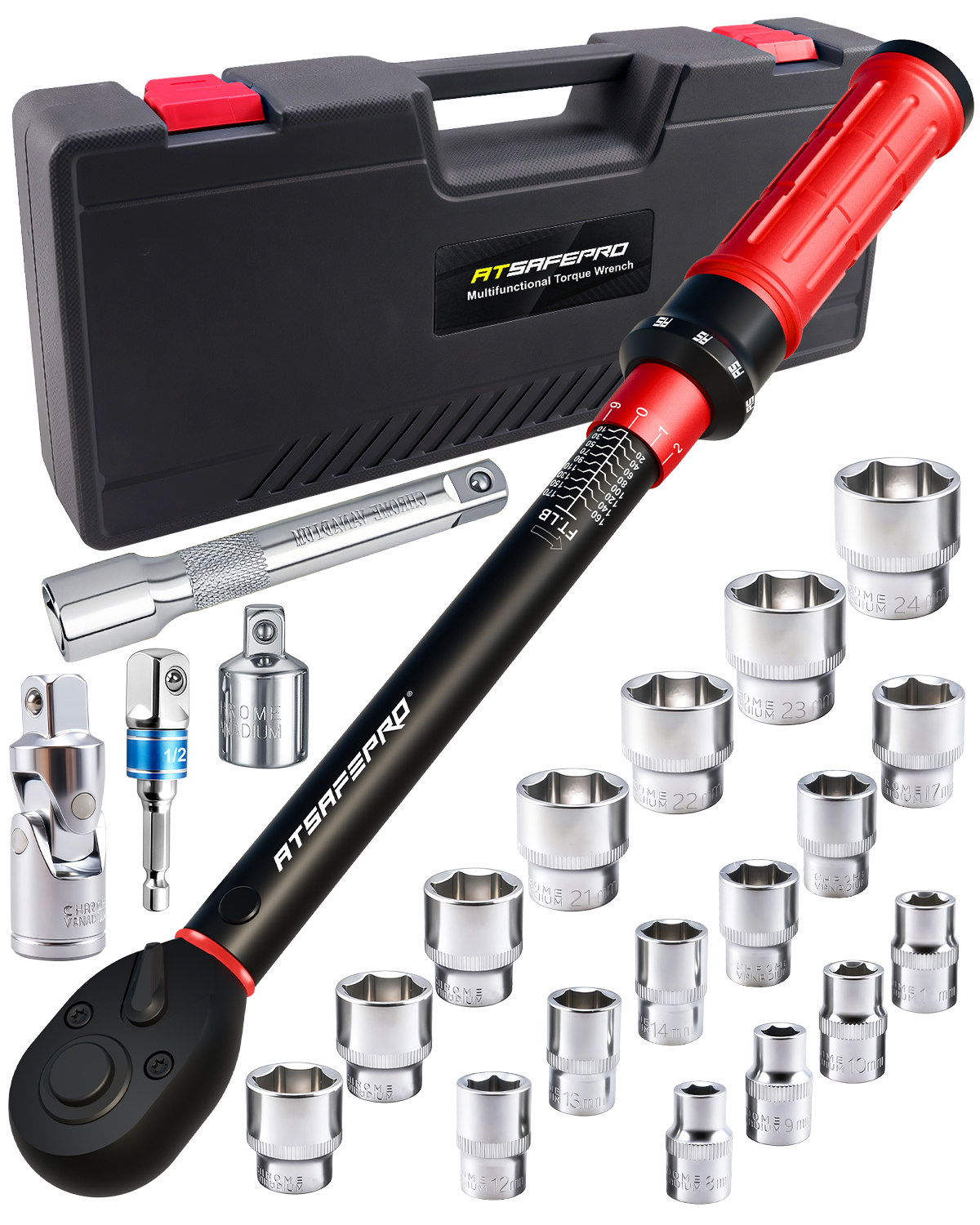
The carrying case shown in the product image also points to a different kind of value: protection and portability. Measuring tools that get tossed loosely into a drawer tend to stop being trusted, even if they still work. A simple case helps keep the probe, body, and small accessories together. That may sound minor, but in the field it is often the difference between a tool that stays in circulation and one that disappears after the first week.
How pen-style tread depth gauges compare with bulkier options
Speed
Pen-style gauges are fast. They are among the easiest measuring tools to deploy because they do not require setup. For repetitive checks, especially across a fleet or service lane, that speed is the main attraction.
Readability
The color band approach is a practical advantage for non-specialists. A numbered 32nds scale gives the technical reading, while the colored zones help communicate condition quickly. That dual format is useful when the person taking the measurement is not the same person making the replacement decision.
Durability
Compared with larger digital units, a simple mechanical or spring-based gauge tends to have fewer points of failure. That is not the same as saying it is indestructible; small tools still suffer when they are dropped, bent, or jammed with grit. But in general, fewer electronics mean fewer surprises.
Field convenience
This is where the pen-style layout wins. It is compact, light, and easy to store. If you are inspecting vehicles in a lot or service bay, that matters more than fancy features you will not use every day.
What to look for before buying any tread depth measuring tool
The first buying mistake is assuming all tread gauges are the same. They are not. Even when the basic function is identical, the user experience can vary a lot.
Start with the scale. If the tool uses 32nds, make sure that is the unit your team understands and uses consistently. That is common in North American tire work, but it is still worth confirming before you buy in quantity. Next, look at the readability of the markings. A scale that fades, smears, or is hard to read under shop lighting will slow you down more than you expect.
Then look at the probe movement. A tread gauge should feel controlled, not loose or sticky. The spring action, if present, should return smoothly. You do not need lab-grade drama to notice when a tool feels wrong in the hand.
Finally, consider how the gauge will be used. A shop tool needs to survive pockets, tool trays, and occasional abuse. A consumer tool needs to be intuitive enough that someone will actually use it before a long trip.
Where this kind of gauge fits best
A GODESON tire tread depth gauge fits well in a few settings, and it is worth being clear about that.
For general automotive maintenance, it is a straightforward safety check tool. It helps owners monitor wear before the tire becomes visibly compromised.
For garage and shop diagnostics, it supports rotation decisions, wear pattern checks, and customer consultations. Uneven tread on one side of the tire can point to alignment issues, inflation problems, or suspension wear. The gauge itself will not diagnose the root cause, but it gives the technician a defensible measurement.
For fleet service, the value is consistency. Fleet managers do not just want to know which tires are worn. They want a repeatable way to compare units, schedule replacements, and avoid unnecessary downtime.
For used-car checks, it helps verify whether the tread condition matches the story being told by the seller. That can be awkward, but it is better than finding out later that the “good tires” were good only from a distance.
Common mistakes when reading tread depth
The most common error is measuring only one groove and calling it done. Tires wear unevenly, and the outer grooves may not match the center. If you want a useful reading, check more than one point across the tread.
Another mistake is measuring a tire that still has mud, stones, or road debris packed into the groove. That can distort the reading. It is a small thing, but the small things are what make tire inspections believable.
A third mistake is reading the number without context. A tread gauge tells you how much depth remains, but not whether the tire is wearing evenly or why it is wearing the way it is. That distinction matters in any serious maintenance program.
Practical buyer advice for shops and sourcing teams
If you are sourcing for a shop, look for tools that balance clarity and repeat use rather than overbuilt features. A compact pen-style gauge with a visible scale is usually easier to standardize across a team than a more complicated device that depends on batteries or training.
If you are buying for resale or inspection work, presentation matters more than it sounds. A clean, legible gauge in a case sends a better signal to customers than a worn tool pulled from a pocket. It does not need to be fancy; it just needs to look reliable.
If you are purchasing for consumer packaging or retail channels, the biggest challenge is not measurement alone. It is communication. A product with a colored scale and a straightforward form factor is easier to explain on a shelf, in a listing, or in a short instruction card.
One practical caution: do not overpromise precision unless the manufacturer’s published data supports it. The product image suggests a clear, useful measuring range, but exact accuracy, calibration details, and internal mechanism specifics should always come from verified product documentation.
FAQ: quick answers buyers usually ask
Is a tread depth gauge better than a visual check?
Yes, if the decision matters. A visual check can catch obvious wear, but a gauge gives you a number you can compare over time.
Why use a gauge with colored bands?
Because it helps people read condition quickly. The number is for recordkeeping; the color is for fast judgment.
Can one gauge serve a shop and a private vehicle owner?
Absolutely. The same basic tool can work well in both settings, though the shop will care more about durability and repeatability.
What is the main limitation of a simple tread gauge?
It measures depth, not the cause of wear. You still need a trained eye to interpret the pattern.
A sensible next step
If you are comparing tire inspection tools, start with the job you need the gauge to do. For fast, readable, everyday tread checks, a pen-style gauge with a 32nds scale and clear color zoning is hard to beat. The GODESON tire tread depth gauge appears aimed squarely at that use case: simple, portable, and easy to explain.
For purchasing teams, the real decision is not whether a tread gauge is useful. It is which style will actually get used, read correctly, and kept close at hand. That is usually the one worth buying.