GODESON Digital Caliper: What Buyers Should Know Before Choosing One for the Shop
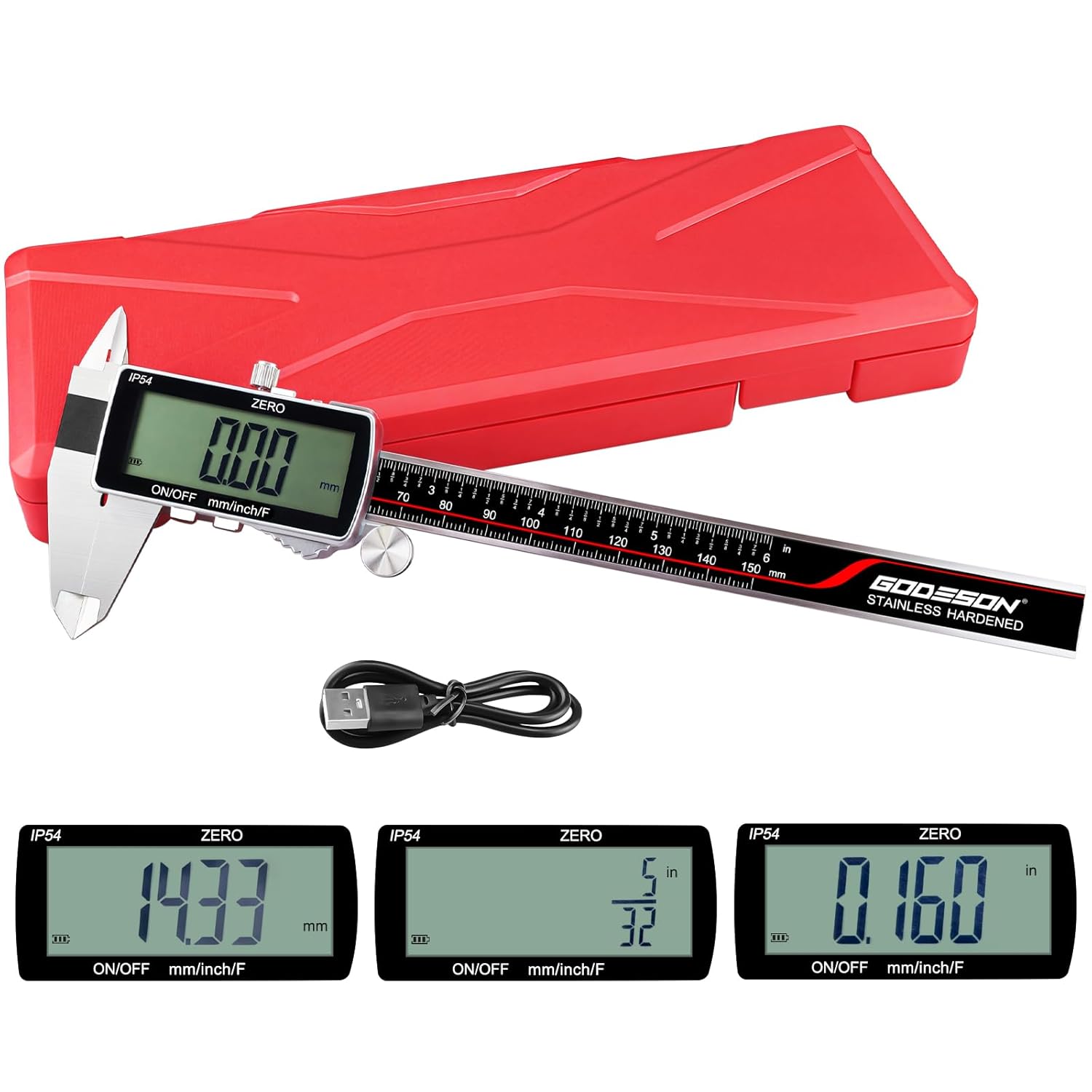
If you are comparing a GODESON Digital Caliper against the pile of ordinary measuring tools already in the drawer, the real question is not whether it can show a number on a screen. It is whether the tool will hold up in the kind of environment where parts are oily, benches are dusty, and measurements need to be taken fast without babying the instrument. That is where this type of caliper earns attention. The visible stainless steel construction, digital LCD display, and IP54 protection point toward a shop-friendly hand tool rather than a delicate bench instrument.
For engineers, sourcing managers, and maintenance teams, that matters because measuring tools do not fail politely. They get dragged through coolant mist, dropped onto steel tables, and used by different hands with different habits. A caliper that is easy to read but poorly protected can become a liability very quickly. This article looks at what the GODESON Digital Caliper design suggests, where it fits, and what buyers should check before they standardize on one.
What this caliper is trying to solve
A digital caliper exists to make dimensional measurement quicker and less ambiguous than a purely mechanical scale. The LCD display removes some of the guesswork from reading a vernier or dial. In day-to-day manufacturing work, that means faster checks on stock, machined edges, shafts, housings, and setup pieces.
The GODESON Digital Caliper also appears to be built for less-than-perfect shop conditions. The image text highlights IP54 protection and “Built For Workshop Conditions,” while the body shows a stainless steel beam and metal jaws. That combination suggests a tool meant to be handled in real production settings, not only in clean metrology rooms.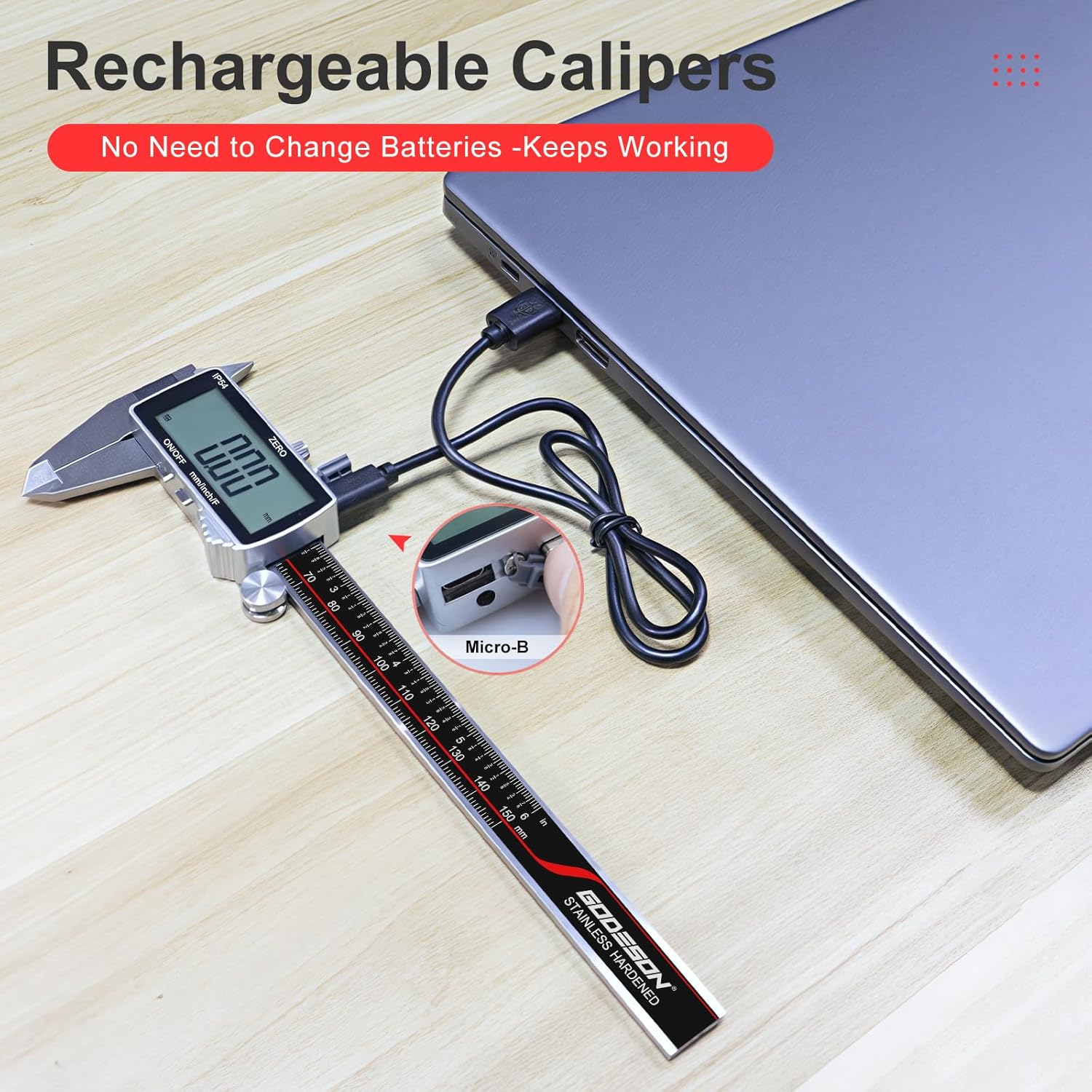
For a buyer, the main decision is whether that balance is right. Some operations need only a basic caliper for occasional checks. Others need something tougher because the tool will live on a maintenance cart or beside a milling machine. The difference sounds small until a caliper starts sticking, fogging, or drifting after exposure to grime.
Quick takeaways for sourcing and shop use
Why this style of caliper stands out
The obvious strengths visible here are straightforward: a large digital display, full stainless steel construction, etched/red scale markings, and IP54 resistance to dust and splash. Those are not glamorous features, but they are practical ones. In a workshop, practical usually wins.
Where it fits best
This kind of tool is well suited to machining, fabrication, inspection, maintenance, and general industrial measurement. It is also useful in garages and repair environments where tools see occasional contamination from oil or fine debris. The more abuse the environment throws at the tool, the more the IP54 rating starts to matter.
What still needs confirmation
The visible product information does not provide exact measuring range, resolution, accuracy, or battery details. Buyers should not assume those points. If those specs matter to your QC process or procurement standard, confirm them before purchase rather than reading them into the photo.
Why stainless steel and IP54 matter more than they sound
A caliper’s beam and jaws do the actual work, so material choice is not cosmetic. Stainless steel construction is often preferred in shop environments because it offers a sensible mix of rigidity and corrosion resistance. It also feels more reassuring in hand than lighter, less substantial materials, especially when a measurement has to be repeated a dozen times on the same batch.
The IP54 marking is equally important, though buyers sometimes overestimate it. IP54 generally indicates protection against dust ingress to a limited degree and against splashing water from common shop angles. That is useful in a machine shop or maintenance bay, but it is not the same as making the instrument waterproof or suitable for immersion. A practical caution: if the tool will be exposed to heavy coolant spray or regular washdown, ask whether the protection level is enough for your actual process, not the ideal one.
How a digital caliper helps in day-to-day measurement
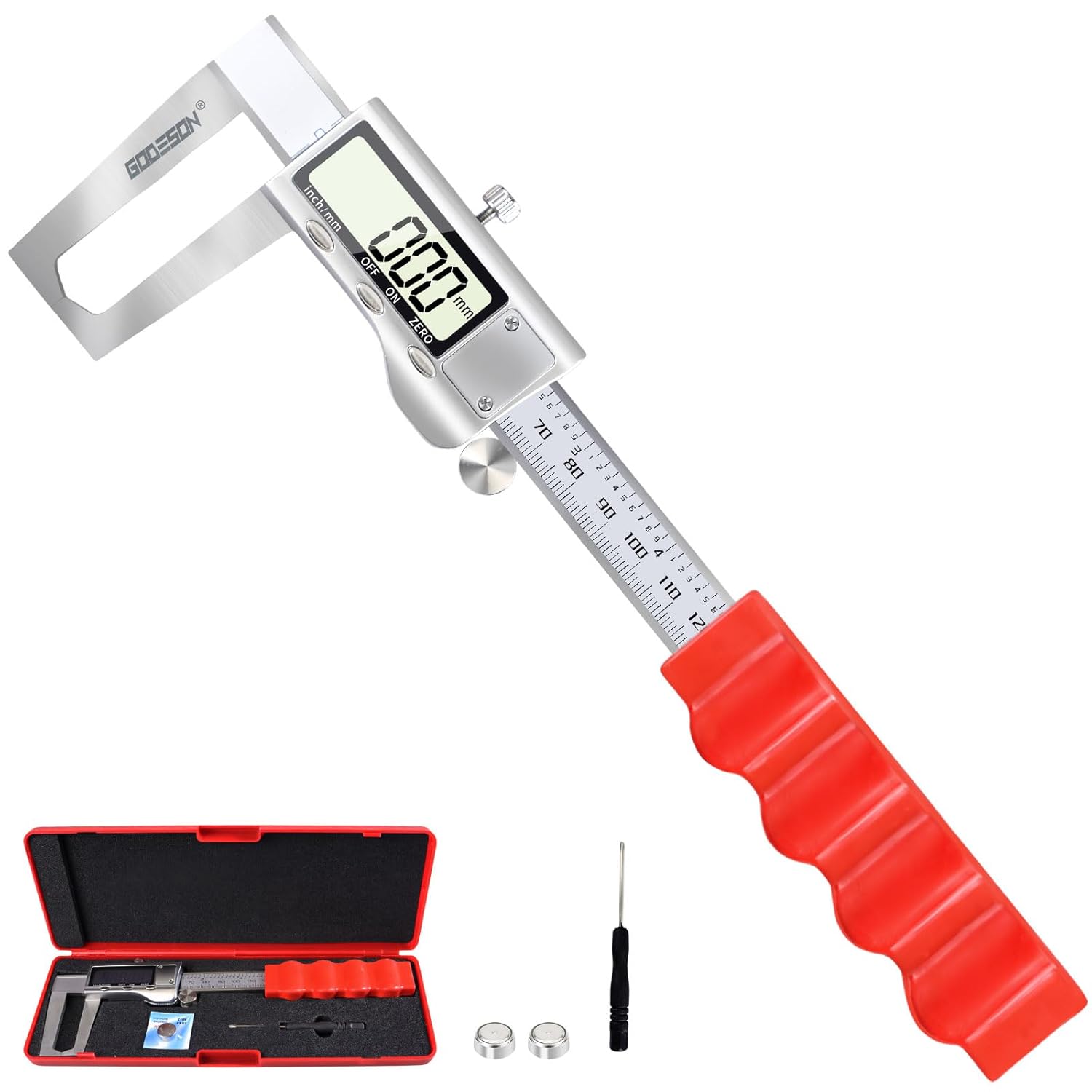
A standard digital caliper is valued because it can handle several common dimensional checks quickly. In most production settings, that includes outside dimensions, internal widths, depths, and step measurements, depending on the exact caliper design. The visible form here is the familiar long beam with jaws and a thumb wheel, which is the classic layout for general-purpose use.
That general-purpose nature is a strength. It means one tool can often cover multiple jobs at the bench, from checking raw stock before cutting to verifying a machined surface after finishing. It also reduces the temptation to use an inappropriate instrument just because it is nearby.
But there is a downside to versatility. A caliper is not a substitute for micrometers, bore gauges, or dedicated inspection fixtures when tolerances tighten. Buyers sometimes overuse calipers because they are convenient. Convenience is helpful, but not if it turns into false confidence.
Selection criteria buyers should use
1. Environment first, features second
Start with the conditions where the tool will live. If the caliper will be used around dust, light splash, or oily fingers, a protected design like this is worth serious consideration. If it will sit mostly in a clean inspection room, the protection rating matters less than readability and calibration control.
2. Readability under real lighting
The large LCD display is a practical advantage, especially where operators work under mixed shop lighting. Small screens can be hard to read when hands are dirty or when the tool is held at an awkward angle. A readable display is not a luxury; it reduces misreads and slows fewer jobs.
3. Feel of the jaws and beam
The image shows metal jaws and a brushed stainless appearance. That suggests a sturdy tactile feel, which many shop users prefer. A caliper that slides smoothly but not loosely is worth more than one with a flashy screen and sloppy movement. The mechanical feel often tells you more about long-term usefulness than the sales copy does.
4. Scale markings as a backup
The etched/red scale markings are a useful detail. Digital readout is convenient, but a visible scale can serve as a backup reference and can help operators orient themselves during setup. It is also a reminder that the instrument should still be treated as a precision measuring device, not just an electronic gadget.
Common mistakes when buying a workshop caliper
One mistake is assuming all digital calipers are interchangeable. They are not. Some are clearly better suited to clean inspection benches, while others are designed for harsher environments. An IP54-rated body and stainless steel construction suggest a more rugged direction, but the whole product still needs to match the task.
Another mistake is ignoring maintenance habits. Even a protected caliper benefits from simple care: wipe it down, avoid forcing the jaws, and store it properly when not in use. People often expect the protection rating to compensate for neglect. It usually does not.
A third mistake is buying only on the basis of the display. A bright screen is helpful, but if the beam feels flimsy or the jaws do not track cleanly, the tool will frustrate users. Shop teams quickly notice when a measurement instrument looks better than it behaves.
FAQs about the GODESON Digital Caliper
Is the GODESON Digital Caliper suitable for workshop use?
Yes, based on the visible product information, that is clearly the intent. The IP54 rating and stainless steel construction indicate a design aimed at workshop and industrial conditions rather than delicate bench-only use.
Can it handle dust and splashes?
The IP54 marking suggests a meaningful level of protection against dust and splashing water. That said, it should not be treated as fully sealed or suitable for harsh washdown. If your process is particularly wet or dirty, verify the match before purchase.
What kind of measurements is it likely used for?
A caliper of this type is generally used for external, internal, depth, and step measurements, though the visible information does not confirm every mode on this specific model. It is best viewed as a general dimensional measurement tool for parts and stock.
Why choose stainless steel construction?
Stainless steel is widely valued in hand measuring tools because it offers durability and better resistance to shop corrosion than less robust materials. It also helps the tool feel stable in use, which many operators appreciate.
Do I still need other measuring tools?
Usually, yes. A digital caliper is versatile, but it does not replace specialized tools for tighter tolerances or more critical inspection. In procurement terms, it is often a first-line measuring instrument, not the last word in metrology.
Buyer advice before you place an order
If you are evaluating this caliper for a team or plant standard, ask for the specifications that are not visible in the image: measuring range, resolution, accuracy, power source, and whether any protective case or accessories are included. Those details can change the value of the purchase more than the exterior finish does.
Also consider who will use it. Experienced machinists may care most about smooth jaw action and repeatability. Maintenance technicians may care more about fast reading and protection from grime. Purchasing should reflect the user, not just the catalog photo.
For sourcing teams, the useful question is simple: will this GODESON Digital Caliper survive the environment and be readable enough to reduce handling errors? If the answer is yes, it has a strong case as a workshop-ready general measuring instrument. If not, it may still be a fine tool, but perhaps not the right one for your floor.
Next step for buyers
Use the product’s visible strengths as a shortlist filter: stainless steel body, digital LCD display, IP54 protection, and a form factor built for workshop conditions. Then request the missing specifications before approving it for production or maintenance use. That is the most practical way to avoid paying for a tool that looks right but does not fit the job.
For teams buying in volume, the smartest move is to test one unit in the actual environment first. A caliper either behaves well in the hand or it does not, and that becomes obvious within a few shifts.