Industry Problem: Why Consistent Pressure Measurement Still Fails
Across automotive maintenance, hydraulic systems, and energy infrastructure, one recurring issue undermines reliability—pressure inconsistency.
Inadequate calibration, drift-prone analog systems, and regional standard mismatches lead to costly inefficiencies and safety risks.
A 2024 SAE International report estimated that more than 35% of mechanical pressure devices worldwide operate outside their rated tolerance after one year of use.
ATSAFEPRO identified this gap early. As a digital pressure gauge exporter, it focuses not only on manufacturing but also on ensuring global measurement consistency—where every reading, whether in Tokyo or Toronto, meets the same precision threshold.
Principle and Engineering Logic: What Defines True Digital Precision
Unlike traditional gauges that depend on Bourdon tubes or mechanical springs, digital pressure gauges use strain gauge sensors and piezoelectric elements to convert pressure into electrical signals. These are processed through microcontrollers to yield high-resolution, real-time data.
ATSAFEPRO’s production line integrates:
-
Automated calibration stations certified under ISO/IEC 17025
-
NIST-traceable master sensors for global accuracy verification
-
Temperature-compensated circuitry to reduce drift from environmental changes
-
Multi-station testing lines that calibrate up to 1,000 units daily within ±0.25% F.S. repeatability
This engineering approach ensures that exported gauges maintain accuracy and stability through long-distance transport and varied climate conditions.
According to the Energy Storage Association (ESA), a 1% deviation in pressure monitoring can reduce overall industrial system efficiency by 5%, highlighting the importance of precision instrumentation.
Analog vs. Digital Precision Systems
| Parameter | Analog Pressure Gauge | ATSAFEPRO Digital Pressure Gauge |
|---|---|---|
| Accuracy | ±2.5% | ±0.25% to ±0.5% F.S. |
| Readout | Needle / Scale | LCD / LED Numeric Display |
| Maintenance | Manual calibration | Auto-zero & self-diagnosis |
| Data Logging | None | Real-time Bluetooth / RS485 transfer |
| Environmental Resistance | Limited | IP65, -20°C to 70°C |
| Export Compliance | Localized | CE, RoHS, ISO/IEC 17025 |
Digital precision not only enhances readability and response time but also supports global calibration standards—allowing exporters like ATSAFEPRO to deliver instruments ready for use in multiple industrial ecosystems.
Core Advantages: What Makes ATSAFEPRO a Reliable Exporter
Global Calibration Consistency
Every unit is verified through a three-phase calibration cycle: initial calibration, temperature drift testing, and stability validation before export.
Industrial-Grade Materials
The body uses anodized aluminum and stainless-steel components, providing chemical resistance and structural stability under industrial pressures.
IoT and Smart Integration
Digital models support Bluetooth and RS485 output, enabling integration with real-time factory monitoring systems and smart IoT platforms.
Compliance and Export-Ready Design
Certified under CE, RoHS, and FCC, each shipment includes multilingual documentation, ensuring readiness for diverse regulatory environments.
Long-Term ROI and Reliability
Field reports show up to 30% lower recalibration costs over two years compared to conventional gauges, making ATSAFEPRO’s export models both cost-effective and durable.
Real-World Use Cases and Industry Applications
Automotive Manufacturing
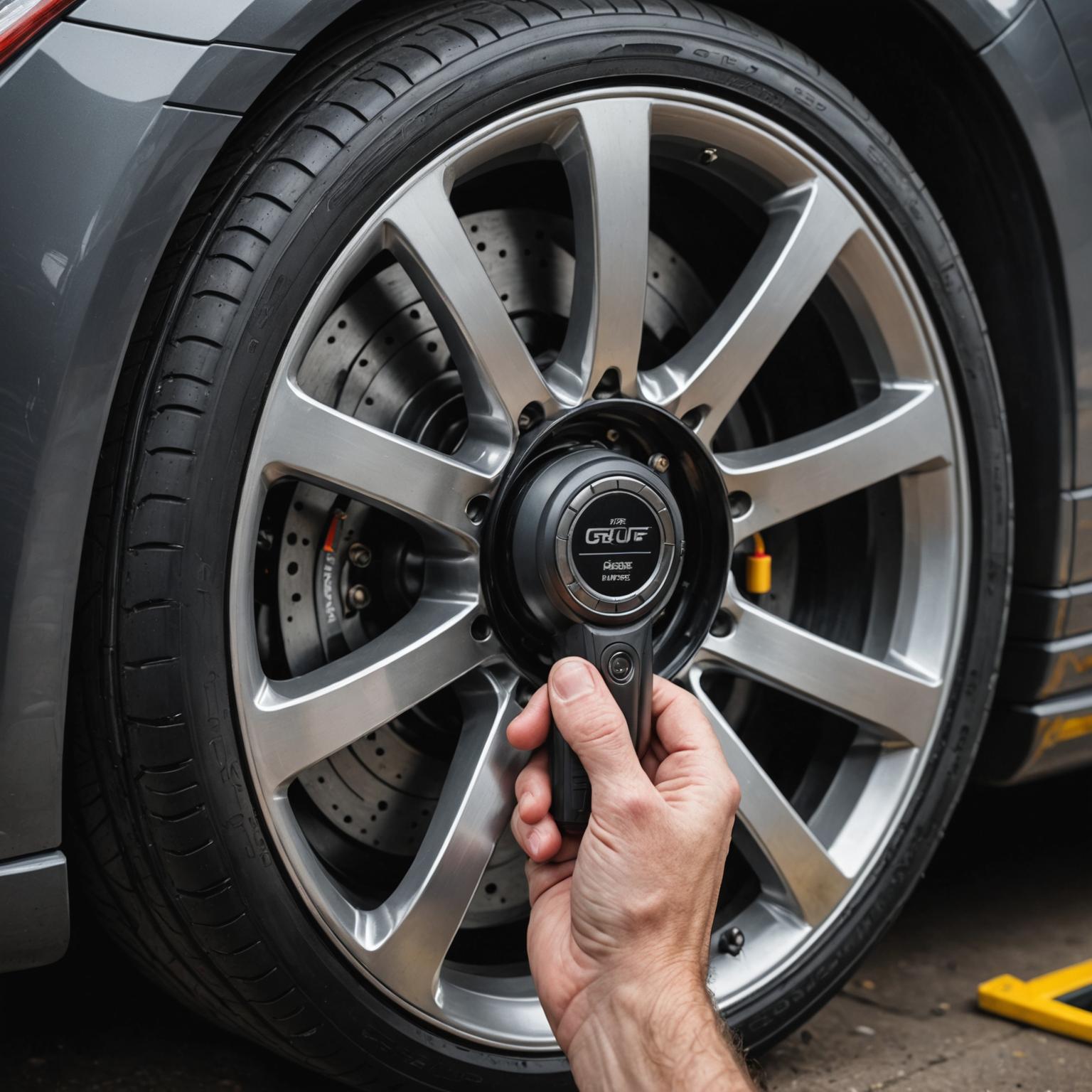
Digital pressure gauges ensure consistent PSI across tire assembly and engine testing stations, supporting quality control and fuel efficiency.
Industrial Equipment Maintenance
Used for compressors, hydraulic presses, and pneumatic systems where stable pressure monitoring reduces machine failure risk.
Energy Infrastructure
Employed in gas pipelines and renewable energy storage systems for real-time safety regulation and compliance tracking.
Fleet and Workshop Operations
Portable models allow quick inspections and faster calibration cycles, reducing downtime by up to 25%.
A logistics company in Southeast Asia reported annual savings of $8,000 after switching to ATSAFEPRO’s digital gauge system for their fleet operations.
Practical Advice for Buyers and Distributors
Ideal for:
-
Automotive and industrial service providers needing precise calibration
-
OEM factories seeking ISO-level consistency
-
Export distributors requiring ready-to-market, certified tools
Not suitable for:
-
Low-frequency DIY use without regular recalibration
-
Offshore environments lacking stable voltage protection
Professional Recommendation:
When selecting a digital pressure gauge exporter, confirm they provide certified calibration data sheets, sensor traceability, and long-term service support. ATSAFEPRO meets all these standards with global export documentation.
Frequently Asked Questions
Q1: What standards ensure ATSAFEPRO’s export quality?
→ Each gauge is tested under ISO/IEC 17025 and SAE J1502 with NIST-traceable references.
Q2: Can these gauges be used for high-pressure industrial systems?
→ Yes, models up to 10,000 PSI are available, reinforced with high-grade diaphragm sensors.
Q3: Are digital gauges affected by temperature or altitude changes?
→ No. All models feature temperature-compensated electronics to stabilize readings.
Q4: Can ATSAFEPRO supply private-label or OEM versions?
→ Yes, private labeling and custom configuration options are available for bulk export clients.
Conclusion and Call to Action
From automotive assembly lines to large-scale energy systems, ATSAFEPRO’s digital pressure gauges redefine precision, consistency, and export readiness.
Through automated calibration, IoT compatibility, and industrial-grade durability, every gauge ensures that accuracy travels beyond borders.
To explore the full range of digital and mechanical pressure solutions, visit our homepage or reach our export team through the contact page for personalized consultation and OEM partnerships.