Braking Distance and Tires: Why Pressure and Tread Matter Most
Why Tires, Not Just Brakes, Decide Stopping Distance
When drivers think about braking, they often focus on brake pads and rotors. Yet, the true ability to stop is decided by where rubber meets the road. Tires transfer braking force to the pavement, and their condition can add or remove precious meters from stopping distance. Studies by the European Road Safety Observatory show that worn tires can increase braking distance by up to 40% in wet conditions—a difference that can mean avoiding or causing an accident.
Tire Pressure: The Balance Between Grip and Control
Tire pressure determines how much surface area makes contact with the road.
-
Underinflated tires spread too wide, causing sluggish handling and overheating, while lengthening braking distance.
-
Overinflated tires shrink the contact patch, reducing grip and making skids more likely on wet pavement.
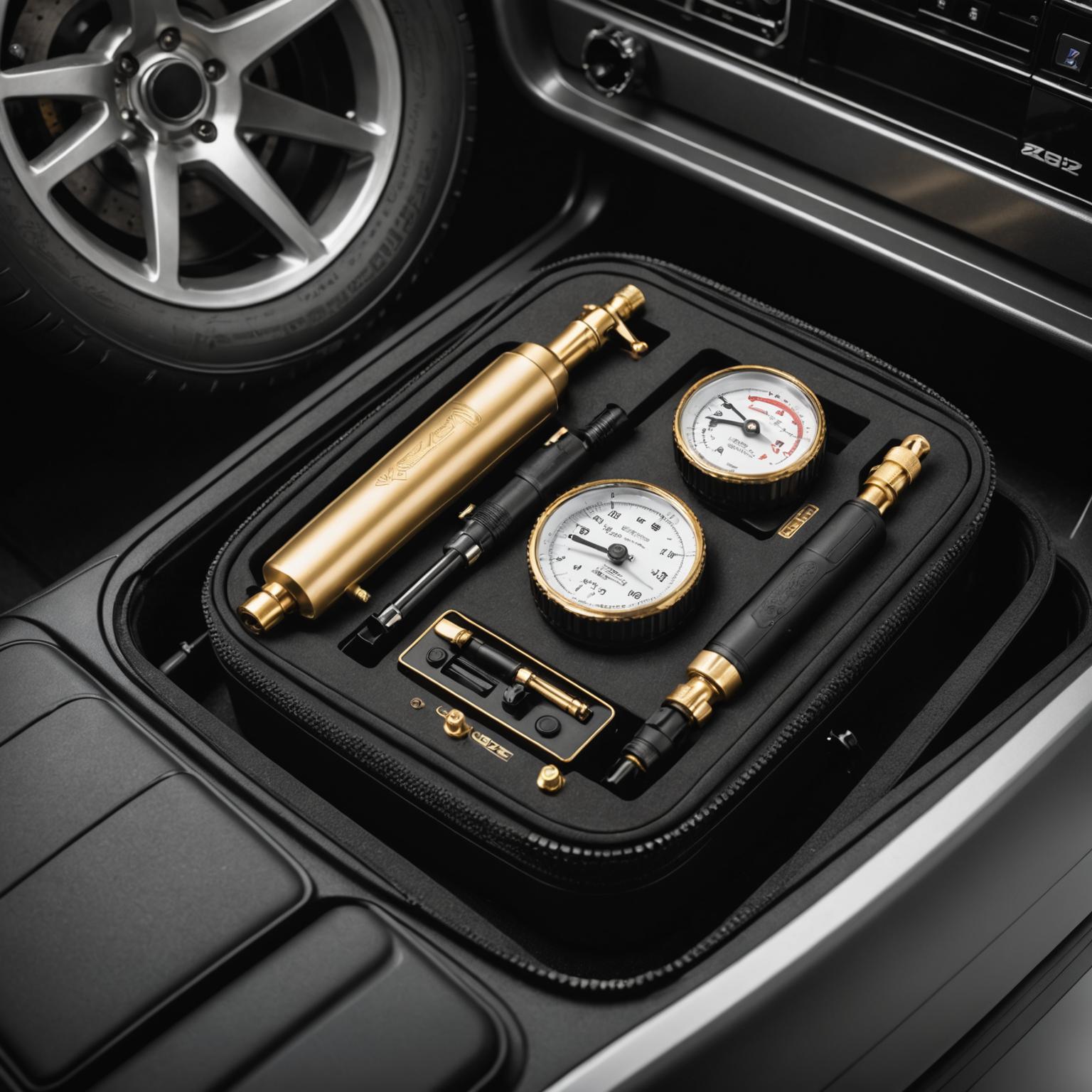
Actionable Tip: Check tire pressure at least once a month and before long trips. A Pencil Tire Gauge from ATSAFEPRO is a quick, no-battery tool you can keep in your glove box, while a mechanical gauge offers reliable accuracy for consistent checks.
Tread Depth: The Hidden Safety Factor
Tread grooves act like water channels, pushing rain away to maintain traction. When tread depth falls below 2/32 inch, braking distance on wet roads increases dramatically because water cannot escape fast enough.
-
At 4/32 inch tread, stopping in the rain remains controlled.
-
At 2/32 inch or less, hydroplaning risk rises and stopping distance can nearly double.
Actionable Tip: Use an ATSAFEPRO tread depth gauge to measure instead of guessing. Replace tires before reaching the minimum depth to maintain safe braking performance.
Real-World Scenarios Drivers Face
-
City Driving in the Rain: A pedestrian steps into a crosswalk—braking distance relies more on tread depth than brake strength.
-
Highway Emergencies: At 65 mph, underinflated tires can add multiple car lengths to stopping distance, making rear-end collisions far more likely.
-
Family Travel: A fully loaded car increases tire pressure demands. Ignoring adjustments reduces braking efficiency under heavy loads.
-
Mountain Roads: Steep slopes test braking systems, but without good tire traction, stopping safely is almost impossible.
Habits That Shorten Stopping Distance Safely
-
Maintain tire pressure at manufacturer-recommended PSI.
-
Rotate tires every 5,000–7,000 miles to ensure even wear.
-
Inspect tread monthly, especially before rainy seasons.
-
Avoid mixing different tire types on the same vehicle.
-
Pair inspections with tools like ATSAFEPRO gauges and depth checkers for accurate results.
ATSAFEPRO Tools That Simplify Tire Safety
ATSAFEPRO tire gauges and tread depth tools are built for everyday drivers who value accuracy and convenience. Instead of waiting for dashboard warnings or service appointments, you can confirm your tire’s readiness in minutes. These small checks directly improve braking safety and keep you in control.
Stopping Power Starts With Tire Care
Every second counts when braking in emergencies, and those seconds depend on tire pressure and tread. By making tire checks a routine, you not only protect your vehicle but also everyone on the road. With ATSAFEPRO tire tools, prevention becomes a habit, ensuring shorter, safer braking when you need it most.
Explore ATSAFEPRO tire tools or reach out via Contact Us to build your tire safety routine today.