How to Select the Right Bike Torque Wrench for Professional Bicycle Service
Torque Accuracy: Protecting Modern Bicycle Components
In professional bicycle maintenance, torque control is more than a best practice—it’s essential for preventing costly damage and ensuring rider safety. Carbon fiber frames, lightweight alloy parts, and high-performance drivetrains all have strict torque specifications. Over-tightening can crush a seatpost or crack a stem clamp; under-tightening can allow components to slip mid-ride.
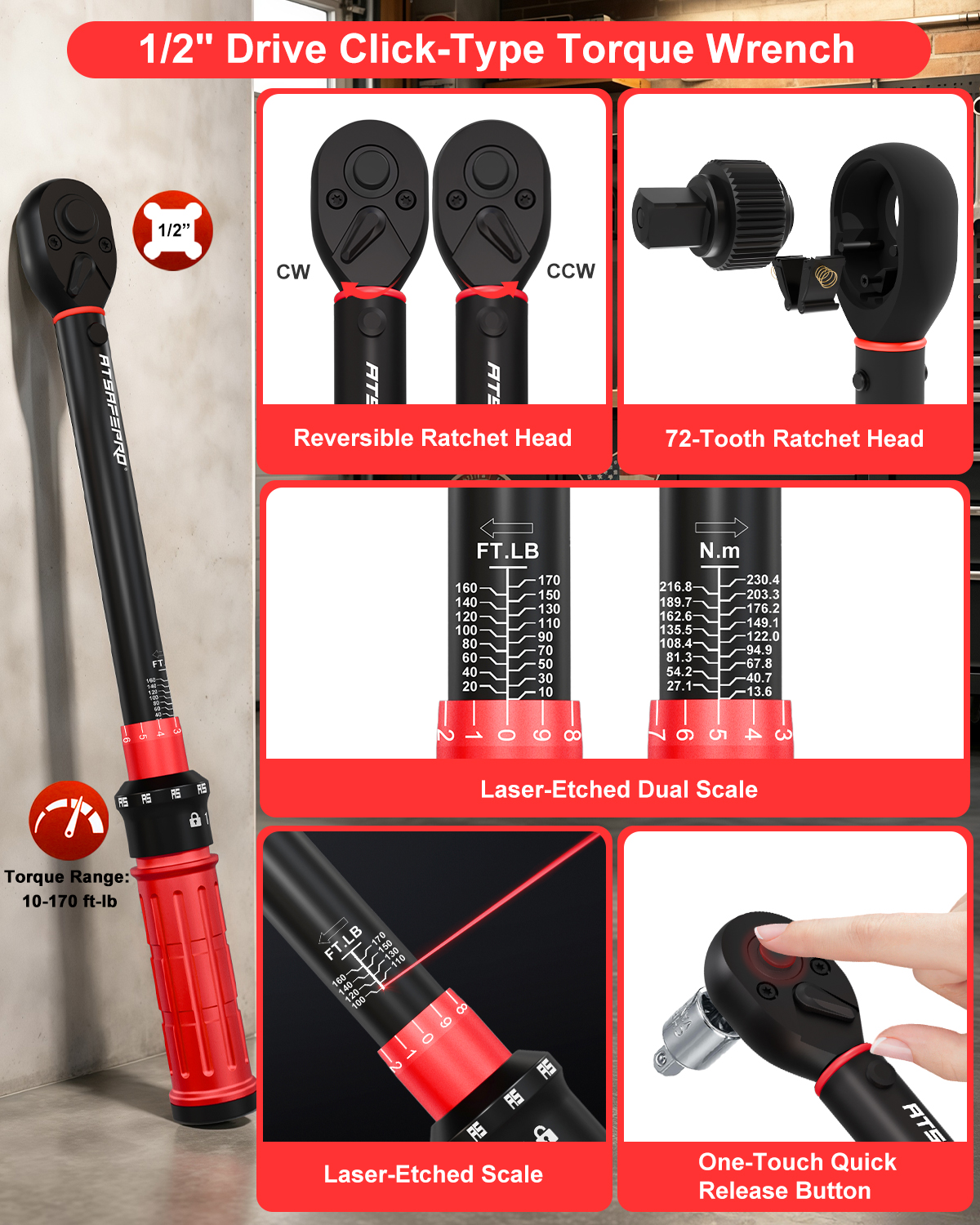
ATSAFEPRO bike torque wrenches are engineered to meet ISO 6789 standards, delivering precise, repeatable torque for every critical fastener in workshop and race environments.
Understanding Torque Needs in Cycling Applications
-
Carbon Road Bikes: Typically require 4–6 Nm for cockpit components and seat clamps
-
Mountain Bikes: Suspension pivot bolts often range from 8–12 Nm; handlebar and stem bolts at 5–7 Nm
-
E-Bikes: Additional electronic mounts may need 3–5 Nm to prevent vibration-related loosening
-
Track and TT Bikes: Aerobar extensions and clamps demand accurate torque to maintain aerodynamic positioning without material fatigue
By matching the wrench’s working range to your most common torque requirements, you avoid drift and improve efficiency.
Comparing Mechanical and Digital Bike Torque Wrenches
Mechanical
-
Advantages: No batteries, tactile feedback, durable in varied environments
-
Limitations: No torque data storage
-
Best For: Outdoor events, race-day adjustments, workshops with standard workflows
Digital
-
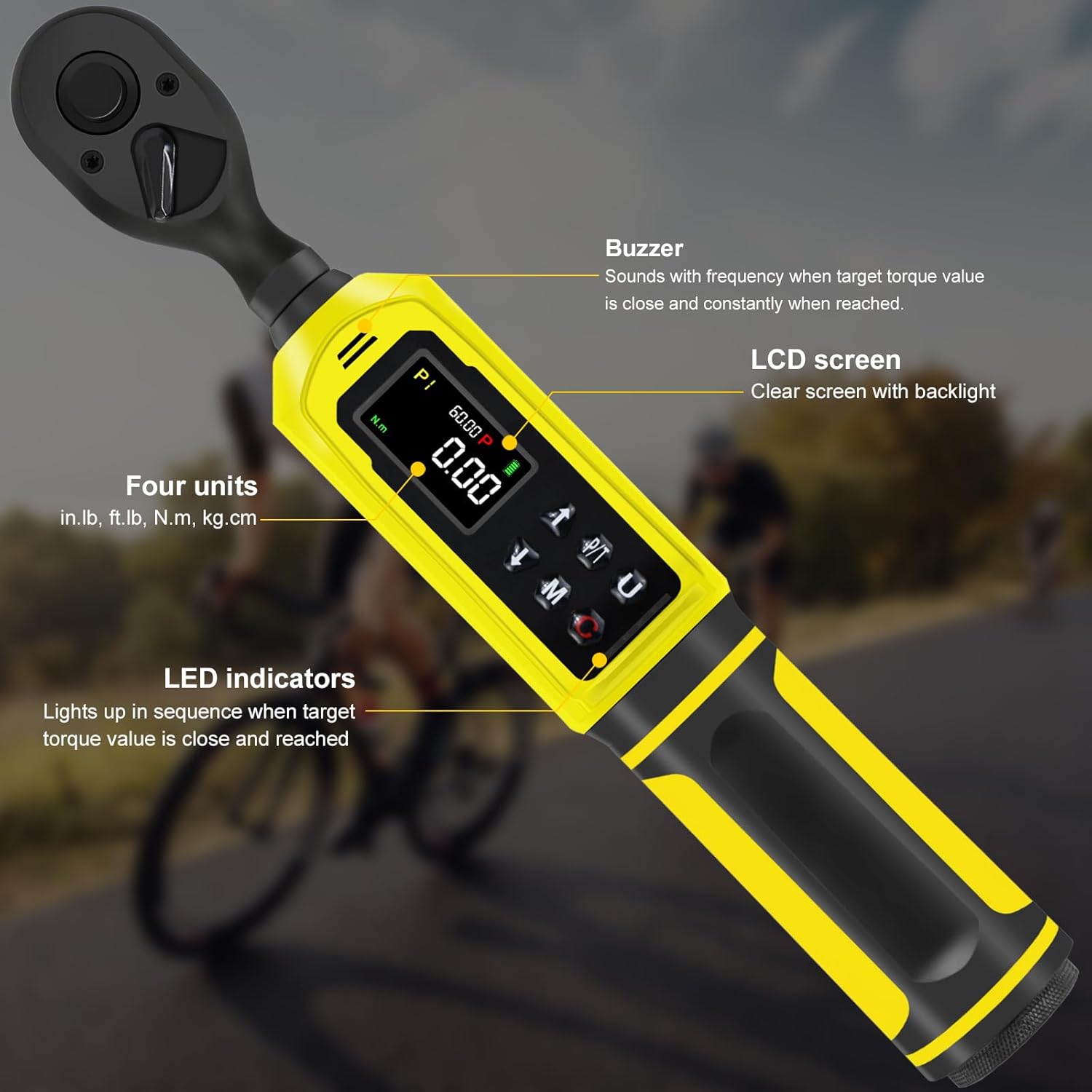
Advantages: 0.1 Nm resolution, programmable presets, torque-angle measurement, data logging for warranty or QA
-
Limitations: Requires battery maintenance, more sensitive to shock and moisture
-
Best For: High-end builds, QA tracking in brand service centers, frequent multi-bike assembly
Example:
A UCI pro cycling team keeps compact mechanical wrenches for roadside repairs, while in the service truck, digital models verify torque values for every bolt before competition.
Why a Bike Torque Wrench Set Improves Efficiency
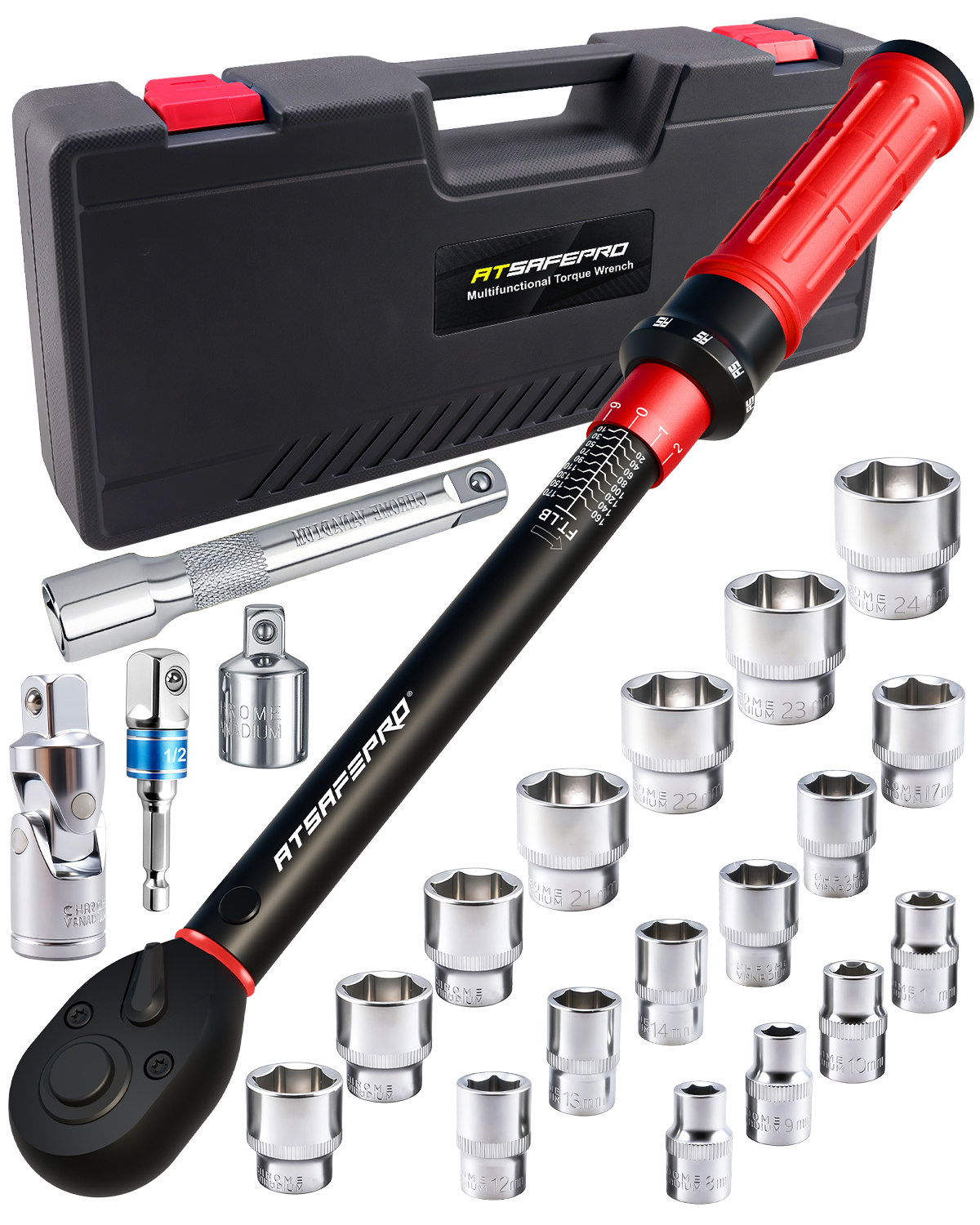
A bike torque wrench set ensures compatibility with the variety of fasteners used across different brands and disciplines. ATSAFEPRO sets include:
-
Adjustable torque wrench body
-
Hardened steel hex and Torx bits
-
Extension bars for recessed bolts
-
ISO calibration certificate for quality assurance
This all-in-one approach allows technicians to service multiple bike types without tool changes slowing them down.
Common Torque Challenges in Bicycle Service and How to Solve Them
-
Hearing a faint crack while tightening a carbon seatpost
This is often a sign of over-torquing. Using a calibrated bike torque wrench set precisely to the manufacturer’s Nm specification will prevent costly damage to carbon fiber components. -
A customer returns after two weeks complaining their handlebars are loose again
This usually means the bolts weren’t tightened to the correct torque or vibration caused them to back out. Reinstallation with a torque wrench set to the exact value, plus the use of a suitable threadlocker in high-vibration zones, will keep them secure. -
Different mechanics produce different torque readings
Variations in tool brand, model, and calibration status can cause inconsistencies. Standardizing on one brand/model of bicycle torque wrench and following a fixed annual calibration schedule ensures consistent results across the workshop. -
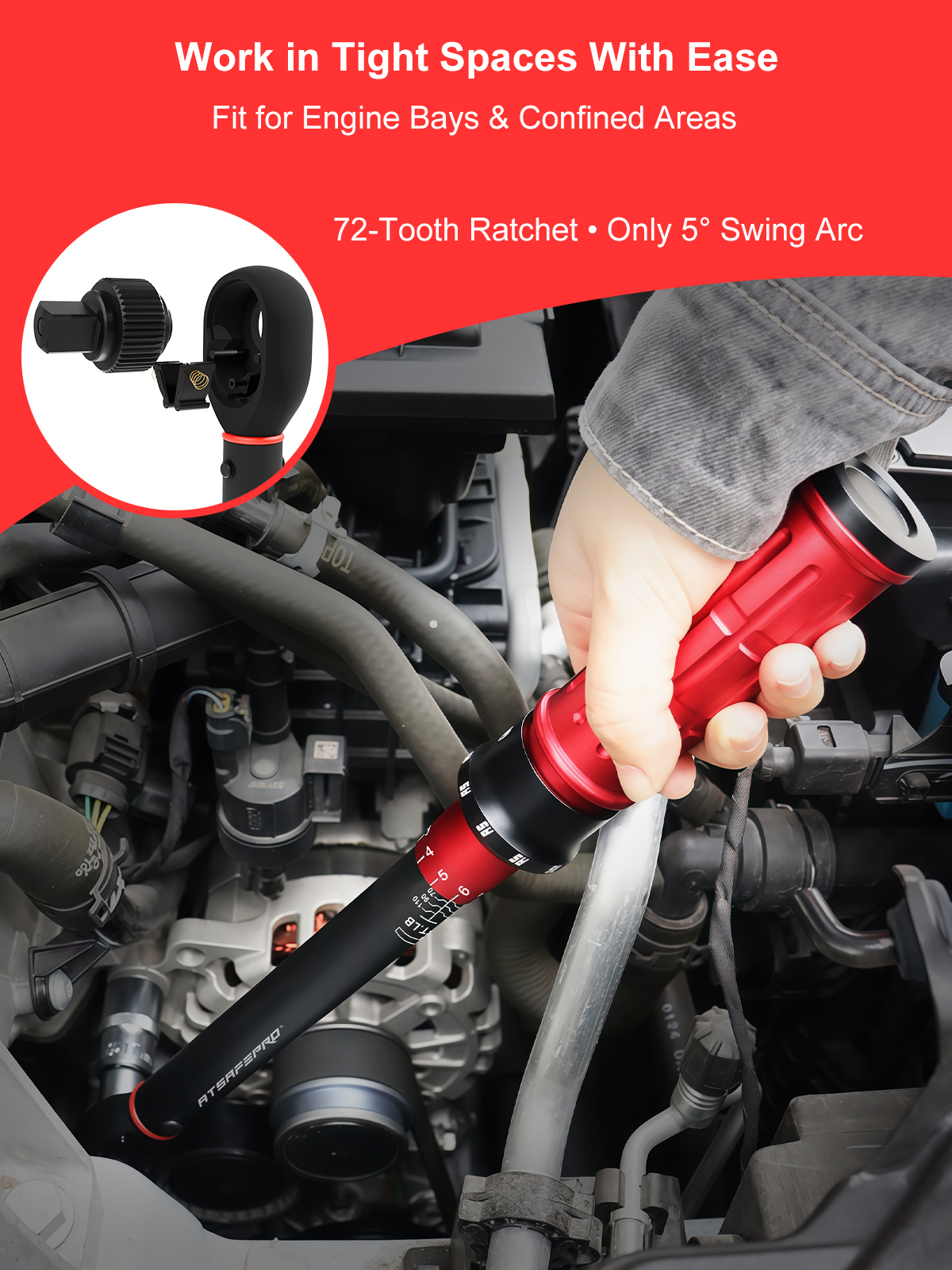
Unable to reach bolts in tight frame spaces
Standard wrench heads are often too bulky. Choosing a bike torque wrench set with extension bars and multiple bit types allows you to reach recessed or hidden fasteners with ease. -
Torque wrench accuracy drops over time
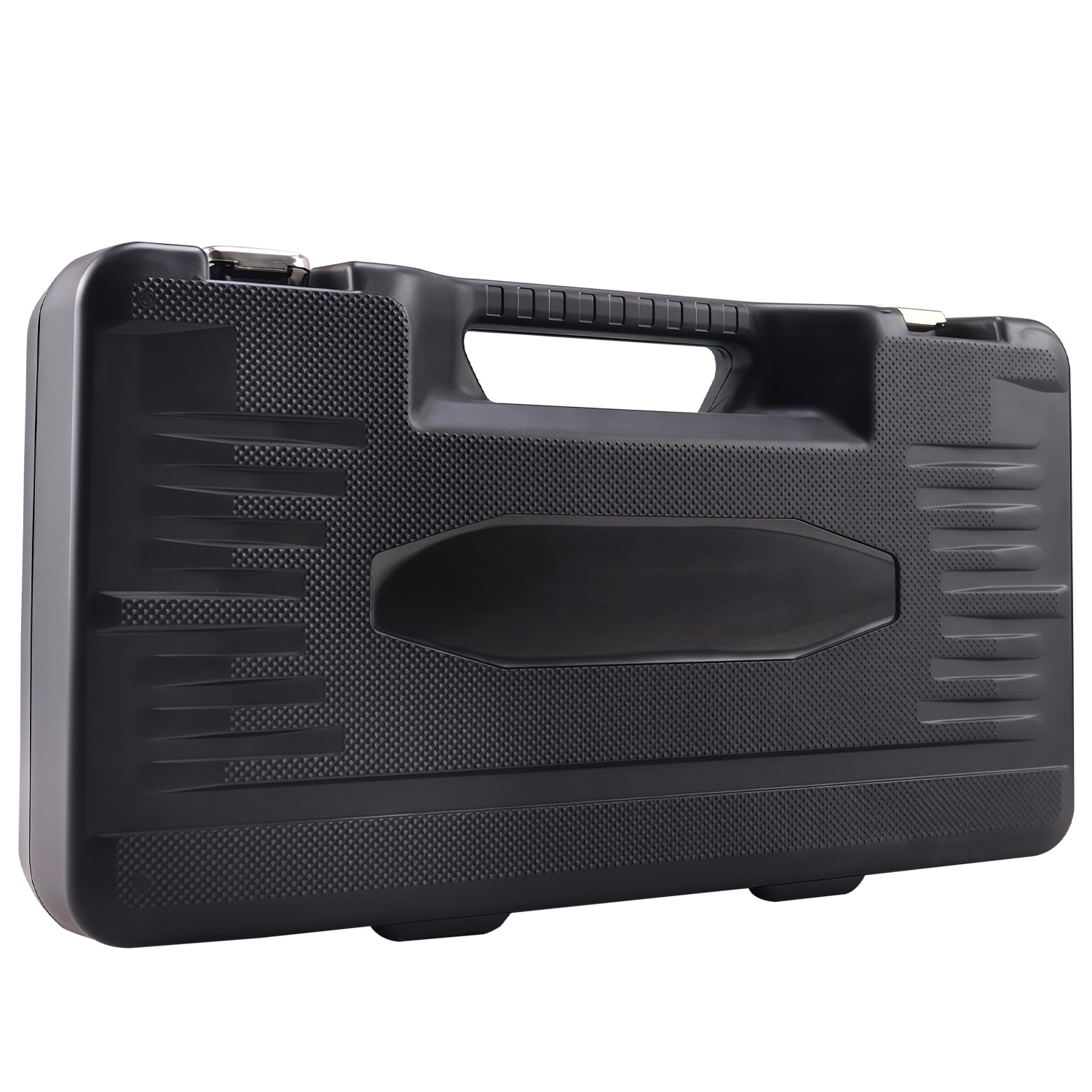
Often caused by frequent drops or exposure to moisture. Storing the tool in a protective case and recalibrating after any major impact helps maintain precision for years of professional use.
Bicycle Technical Questions
Q1: Can one torque wrench handle all my workshop’s bike builds?
Yes, if it starts at 2 Nm, covers up to 15–20 Nm, and includes interchangeable bits. Ultra-low torque jobs (<1.5 Nm) may require a specialty tool.
Q2: How often should I calibrate my bike torque wrench?
In professional use, calibrate annually or every 5,000 cycles to maintain compliance and accuracy.
Q3: Is digital better than mechanical for bicycles?
Not always—digital excels in documentation and repeatability, while mechanical models offer proven durability and simplicity.
Built for Bikes, Backed by Professionals
A bicycle torque wrench is both a safety tool and a customer trust-builder. Whether you choose a mechanical model for rugged portability or a pro bike tool torque wrench with digital logging for QA, ATSAFEPRO delivers tools built for the realities of professional cycling service.
Explore our range of bike torque wrench sets and individual torque tools on the ATSAFEPRO product page, or visit our homepage for more professional cycling tools. For distributor pricing or team service packages, contact us today.