Interview: what buyers really want from an adjustable torque wrench kit
When engineers and shop buyers ask about an ATsafepro torque wrench, they are usually not asking about the logo first. They are asking a more practical question: will this kit help me tighten fasteners consistently without overdoing it? That is the real job of a click-type torque wrench, whether it is being used on wheel lug nuts, engine bay bolts, or light assembly work where a few extra turns can cause trouble later.
To get a better read on the tool, I approached this in the style of a short shop-floor interview: what is in the kit, where it fits, and what a buyer should verify before putting it into daily use. The details matter more than the marketing language here.
First impressions from the bench
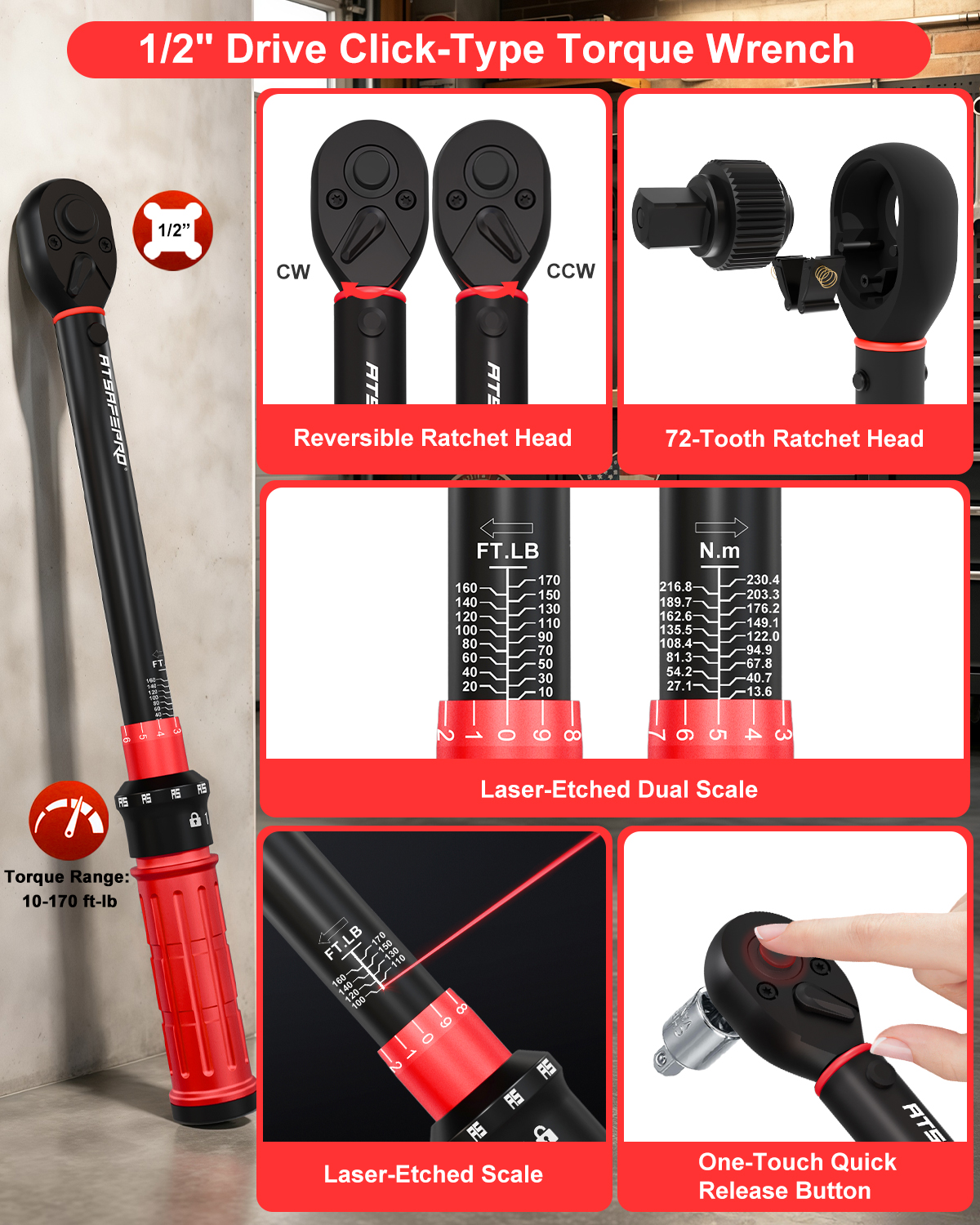
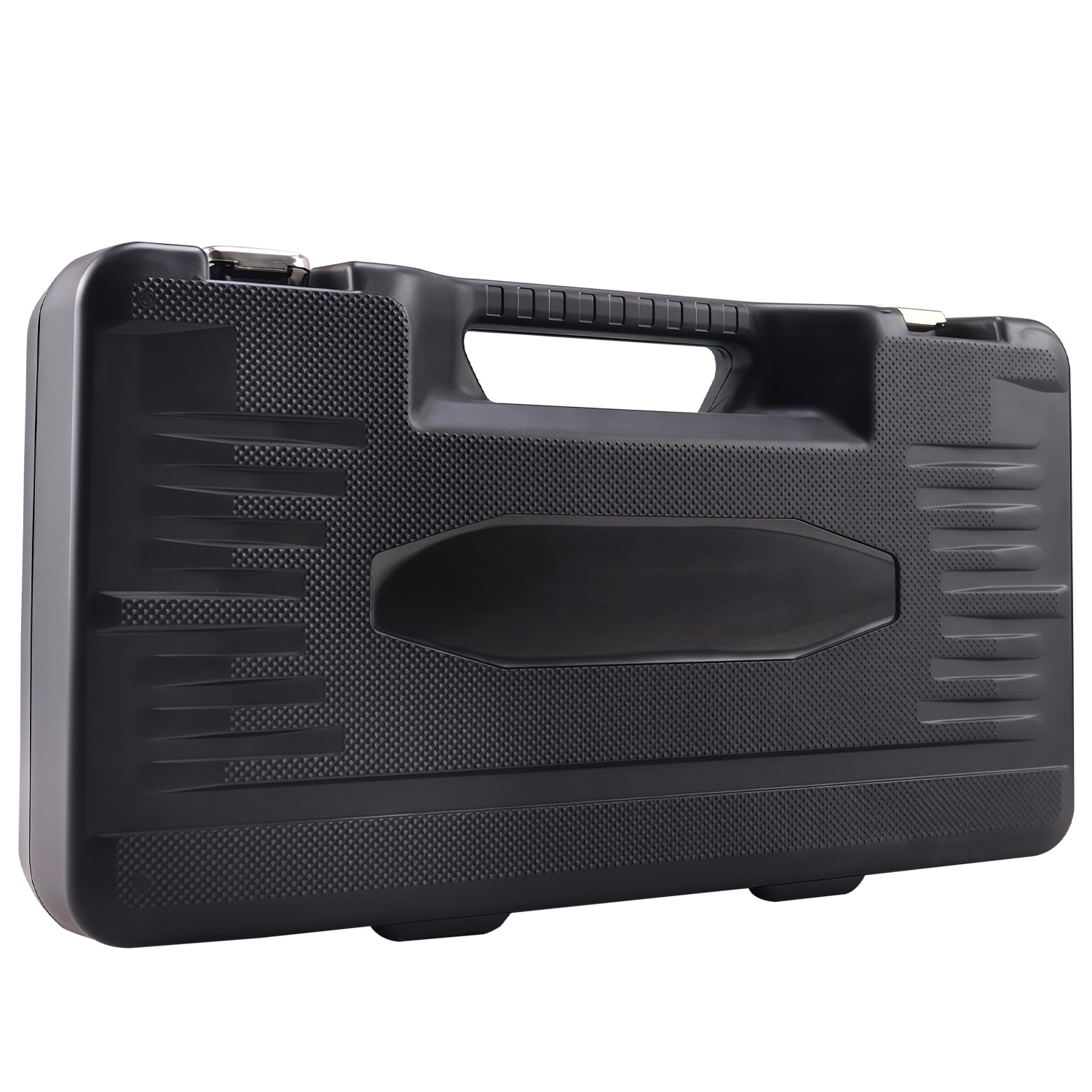
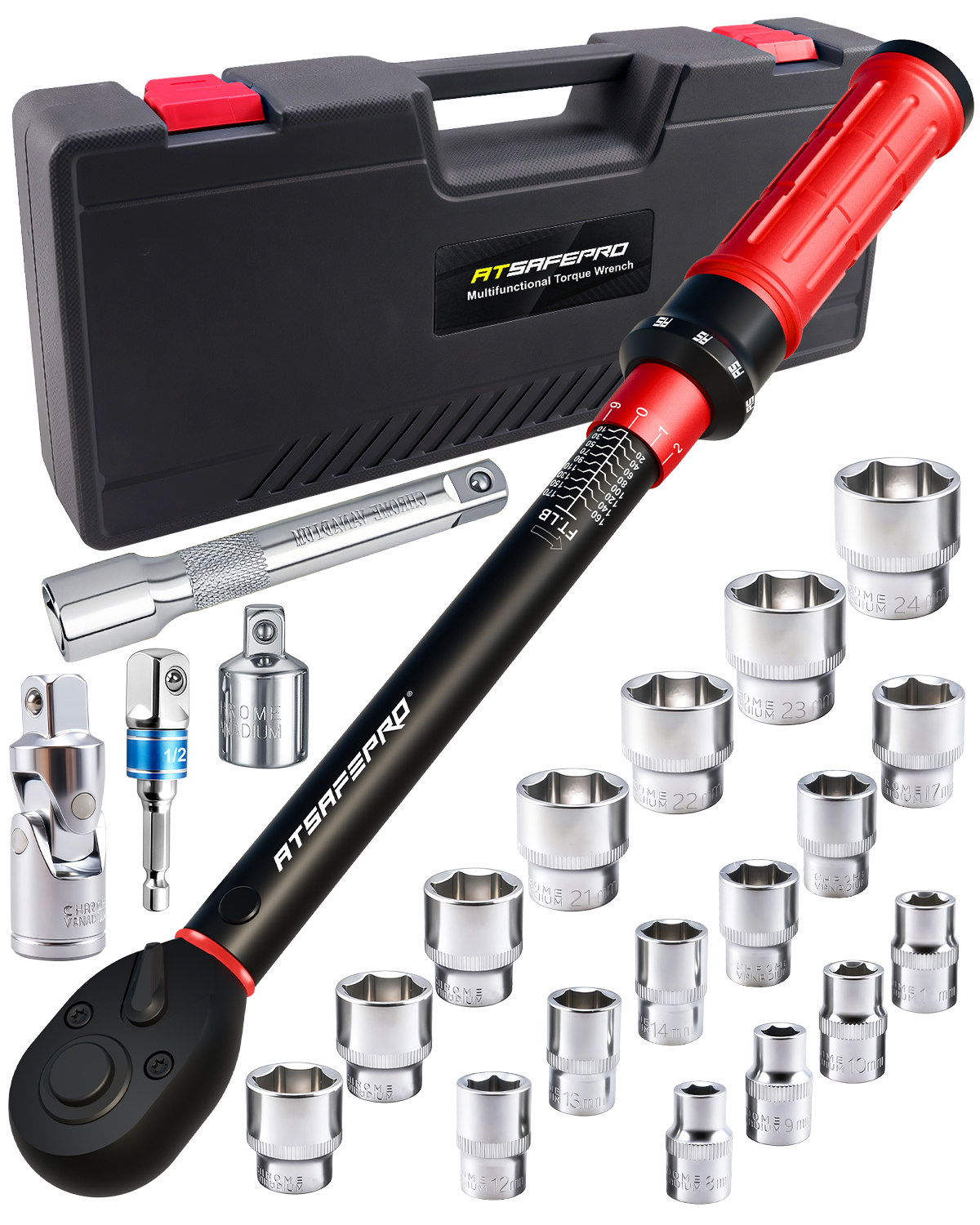
The ATsafepro torque wrench kit shown here is built around a standard adjustable click-type layout. The main wrench has a red metal shaft, a black textured grip, and a compact ratcheting head with a selector switch. It comes in a hard plastic case with molded cutouts, plus a small set of sockets and an extension or adapter piece.
That combination tells you a lot. This is not a single-purpose precision instrument stored in a lab drawer. It is a field-friendly kit meant to be opened, used, closed, and carried again. For mechanics, maintenance teams, and DIY users, that is often the right trade-off. A wrench that lives in a case tends to stay together better than one assembled from loose parts in a toolbox.
The sockets visible in the kit are 17 mm, 19 mm, and 21 mm, which makes the package immediately relevant to wheel service and common fastening jobs. Those are sizes many buyers will recognize at once. It is a practical clue about the intended use.
What a torque wrench kit is actually solving
If you work around machinery long enough, you learn that “tight” is not a specification. Some fasteners need controlled preload. Others need protection from stripped threads, warped parts, or uneven clamping. That is why a torque wrench matters.
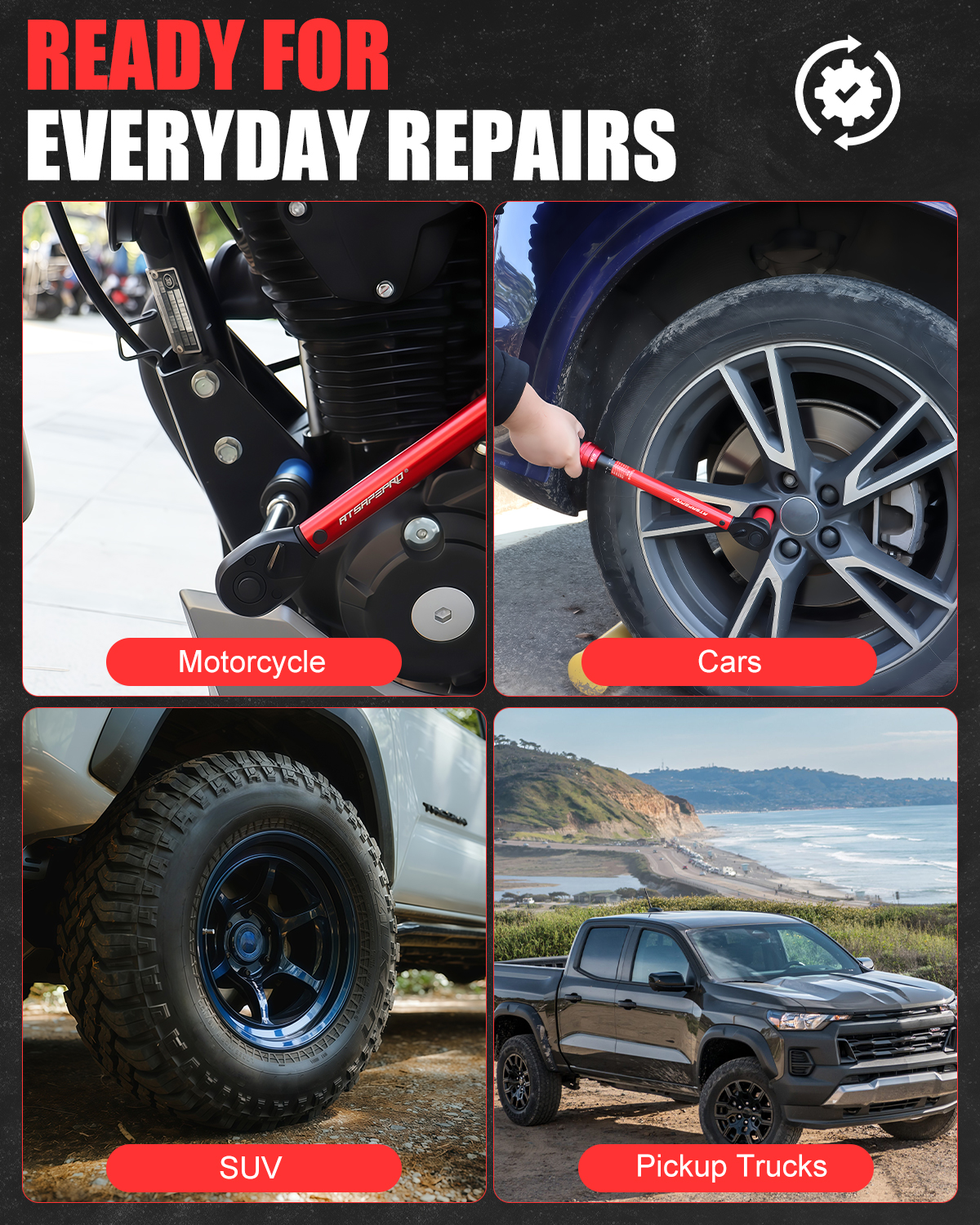
A click-type torque wrench helps the user stop at a preset torque value, rather than relying on feel alone. In a busy shop, that consistency can reduce rework and keep maintenance records more meaningful. For automotive work, it helps protect wheel installation from both under-tightening and over-tightening. For general mechanical fastening, it supports repeatable assembly where a fastener has a known torque requirement.
It is worth saying plainly: a torque wrench is only as good as the user’s habit. If people ignore the setting, use it as a breaker bar, or leave it adjusted carelessly, the tool cannot compensate for that. That warning sounds basic, but it is one of the most common reasons buyers become disappointed with an otherwise decent wrench.
What stands out in this kit
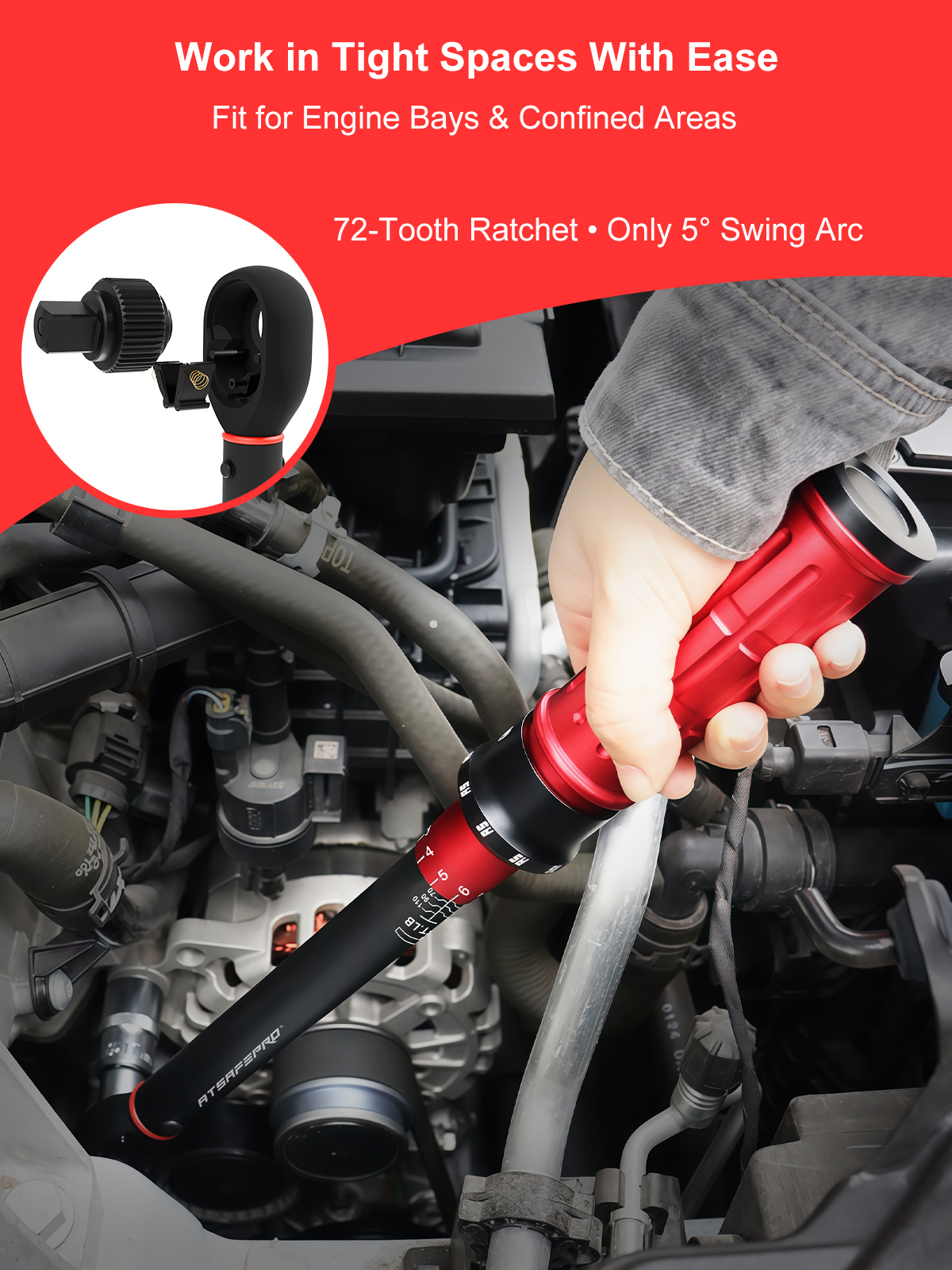
The visible design cues are familiar to anyone who has handled adjustable hand tools. The black textured grip should help with control in greasy conditions. The selector switch on the ratcheting head suggests the wrench can be set for directional use, which matters when fasteners are positioned awkwardly in a wheel well or engine bay.
The case also deserves a mention. A molded storage case is not glamorous, but it is often the difference between a tool that gets used correctly and one that drifts out of service. It protects the wrench, keeps the sockets together, and makes it easier to spot missing parts before a job starts rather than after.
The sockets appear to be chrome-plated steel, with black lower sections and size markings. That is a sensible arrangement for shop use. Chrome plating is common in socket manufacturing because it helps with corrosion resistance and cleaning, though buyers should still check the actual finish and steel grade if the kit will live in a harsh environment.
Quick buyer takeaway: where this type of kit fits best
Good fit
This kind of kit is well suited to tire changes, wheel installation, routine vehicle maintenance, and general mechanical fastening tasks. It also fits maintenance crews that need a portable set rather than a bench-mounted setup.
Less ideal fit
It is less likely to be the first choice for calibration-sensitive production lines, metrology-heavy work, or jobs requiring documented certification unless those documents are specifically supplied. The product information available here does not confirm any calibration certificate, so buyers should not assume one is included.
How to evaluate the tool before buying
The biggest mistake with torque wrench shopping is to focus on the handle color and skip the actual specification sheet. With this kit, a few points should be checked carefully.
First, verify the torque range. The printed scale is visible, but the exact full range is not fully readable from the available information. That matters more than many buyers admit, because the right range should cover your most common fasteners without pushing the wrench to the edge of its usable span.
Second, confirm the drive size. That detail is not clearly established in the supplied information, and it affects compatibility with your socket inventory and workflow.
Third, ask about calibration accuracy if the wrench will be used in professional maintenance or regulated work. No exact accuracy class is confirmed here, so a buyer should request that information rather than infer it from appearance.
Fourth, check overall length and handle feel in person if possible. Torque delivery is not only about numbers; it is also about how naturally the wrench can be operated in a cramped engine bay or around a wheel.
Materials and manufacturing, in plain language
The visible construction points to ordinary but proven hand-tool manufacturing methods: a steel ratcheting head, a painted or anodized-looking shaft, chrome-plated sockets, and a molded plastic case. That is a sensible combination for a mass-market adjustable torque wrench kit.
Heat-treated steel components are likely in the functional metal parts, but the exact metallurgy is not confirmed in the supplied data, so it would be careless to state more. Still, the overall structure is what buyers expect from this category: durable enough for regular shop use, simple enough to maintain, and packaged so the parts stay organized.
That said, buyers should always remember that two torque wrenches can look nearly identical and still perform differently in long-term use. Finish quality, internal spring behavior, ratchet feel, and handle markings all affect the user experience. The safest procurement habit is to sample before scaling up.
Common mistakes shops make with adjustable torque wrenches
One common mistake is storing the wrench under load. If the tool uses a spring-based adjustment mechanism, leaving it tensioned for long periods is not a good habit. Resetting it to the lowest specified setting after use is still a widely followed practice.
Another mistake is using the torque wrench for loosening bolts. That is a fast way to abuse the internal mechanism. A breaker bar should do breaker-bar work.
A third mistake is treating one wrench as universal across every job. Wheel service, light engine assembly, and machinery maintenance can involve very different torque targets. A kit may be convenient, but convenience should not replace checking the required fastener specification.
Interview note: what end users usually appreciate
Ask a technician what makes a torque wrench worthwhile and the answer is usually not complicated: repeatability, readable markings, a head that works in tight spaces, and a case that keeps the set intact.
This ATsafepro torque wrench kit appears to aim at exactly that practical middle ground. It is not trying to be exotic. It looks like a straightforward adjustable click-type wrench set with the kinds of sockets and accessories that make sense for automotive and general mechanical work. For many buyers, that is enough, provided the key specifications are verified before purchase.
FAQ
Is this kit suitable for wheel installation?
Yes, based on the visible sockets and the general layout, it appears suitable for automotive wheel work, assuming the torque range matches the vehicle specification.
Can I rely on the printed torque scale alone?
Not without confirming the full specification. The visible scale is useful, but buyers should verify the actual torque range and any stated accuracy details.
Does the case matter?
More than people think. A dedicated storage case helps protect the wrench, keeps the sockets together, and reduces the chance of losing the adapter or extension.
Is this a precision lab tool?
It appears to be a practical shop tool rather than a specialized lab instrument. That is not a criticism; it just means the buyer should match the tool to the application.
What a sourcing manager should request next
Before placing an order, ask for the full torque range, drive size, accuracy information, and any available documentation. If the kit will be used in professional service work, it is also sensible to confirm what comes in the case beyond the visible sockets and adapter.
If the application is automotive maintenance, general mechanical fastening, or plant support work, this type of kit can be a useful addition. If the application is more controlled, document-heavy, or calibration-sensitive, the buying decision should wait until the missing specification details are in hand.
That is the real decision this product forces: not whether a torque wrench looks the part, but whether the supplied data is complete enough for the job you need it to do.