Why a torque wrench kit is not just another hand tool
The ATsafepro torque wrench belongs in a category that is easy to underestimate until a fastener strips, a wheel vibrates loose, or a machine assembly starts to behave inconsistently. A torque wrench is not about turning harder; it is about turning to a known value and stopping there. For engineers, sourcing teams, and maintenance buyers, that distinction matters because repeatable torque is part quality control, part safety practice, and part cost avoidance.
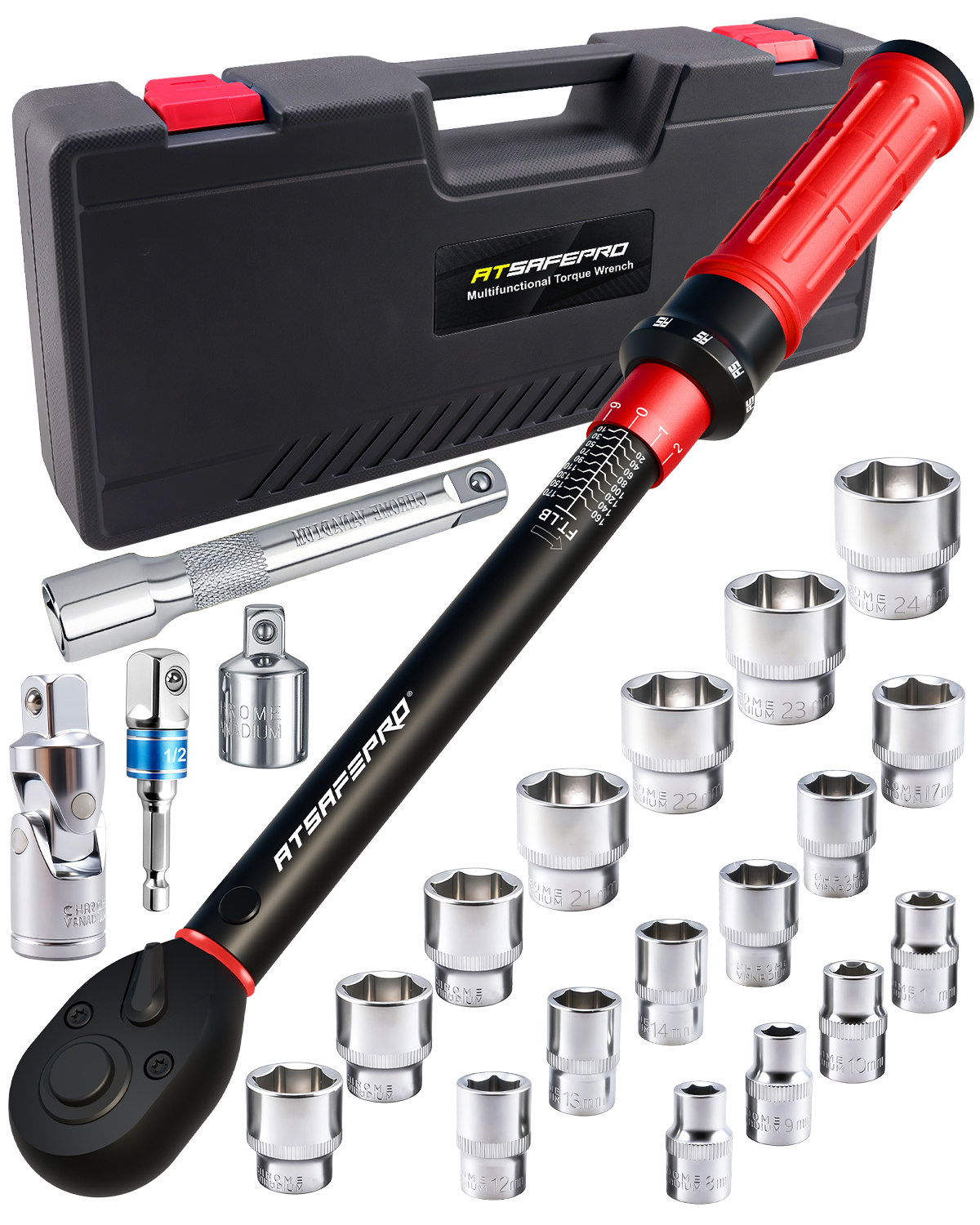
This particular kit appears to be a click-type adjustable torque wrench set with interchangeable sockets, a hard case, and larger socket sizes marked 17 mm, 19 mm, and 21 mm. That combination immediately suggests practical field use, especially tire and wheel service, automotive maintenance, and general mechanical assembly. If you are deciding whether this kind of kit fits your shop, fleet, or resale assortment, the real question is not whether it looks complete. The question is whether it gives technicians a controlled, easy-to-store, easy-to-deploy way to tighten fasteners without guesswork.
What the ATsafepro torque wrench kit is built to do
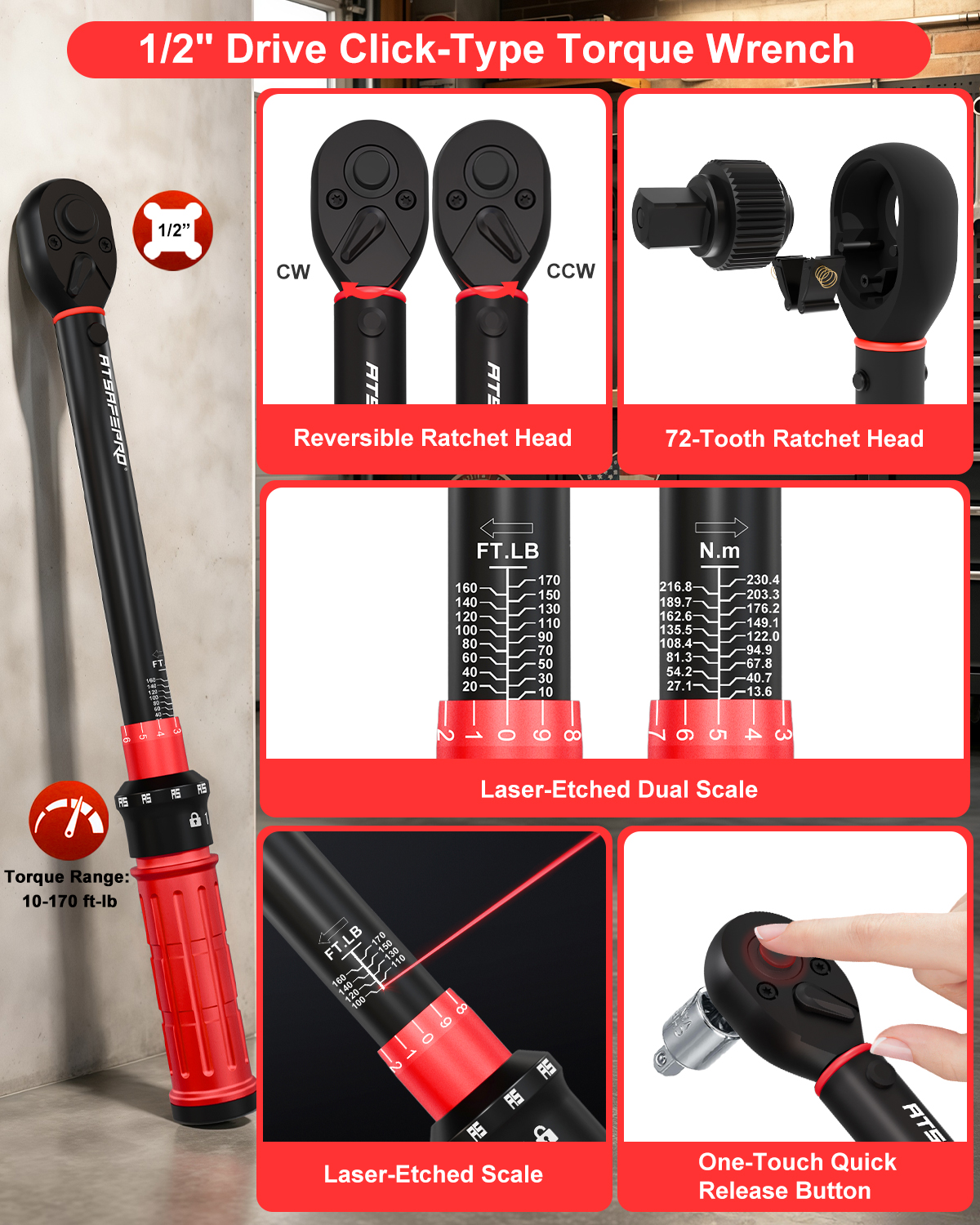
At a basic level, the kit is designed to tighten and loosen fasteners with a controlled amount of torque. The wrench body shows a marked torque scale, which is the key feature buyers should look for in this product class. A visible scale means the operator can set the desired torque target rather than relying on feel, which is notoriously inconsistent from one person to the next. In practice, that consistency can reduce over-tightening, thread damage, and the kind of uneven clamping that creates service problems later.
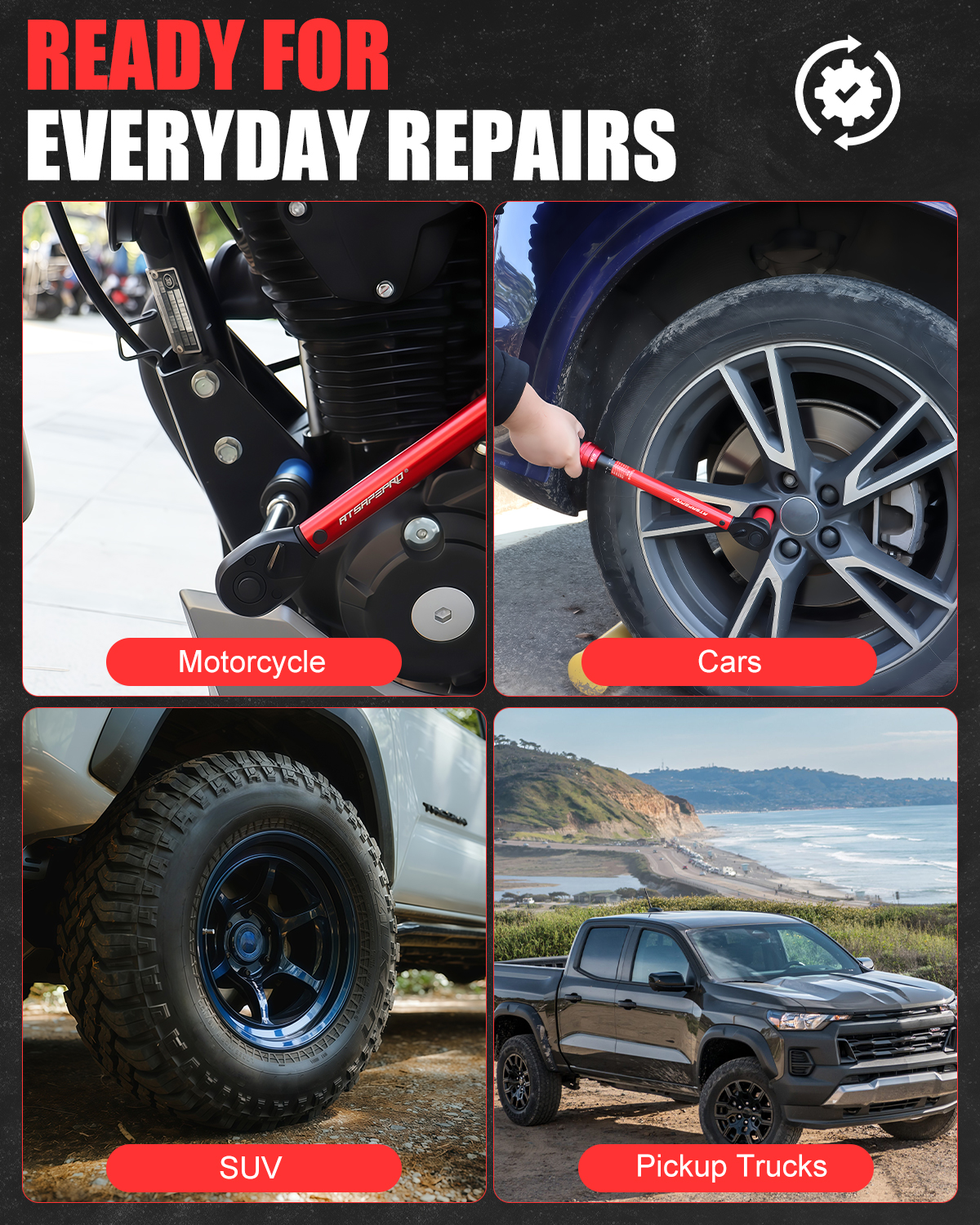
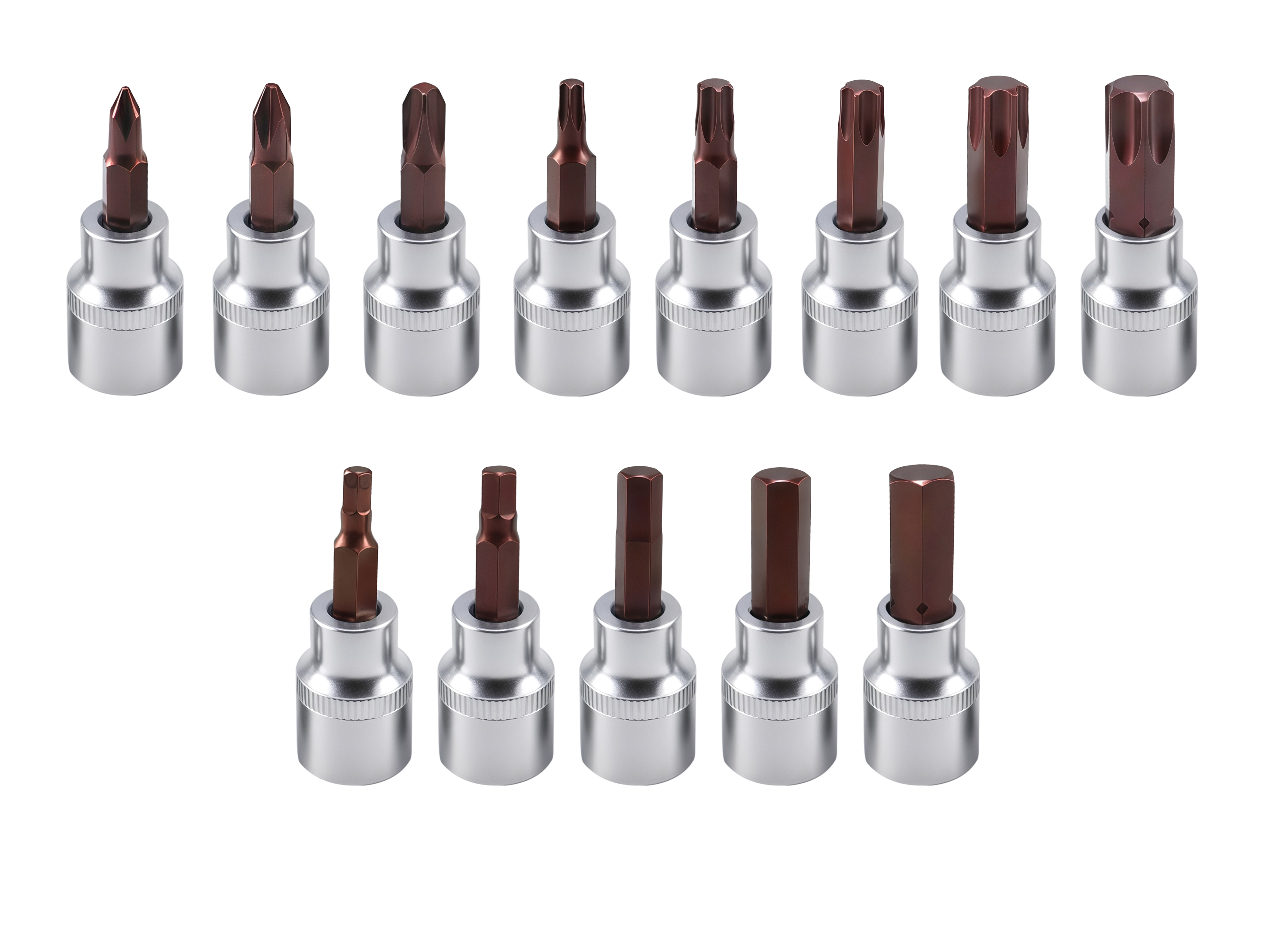
The visible accessory set matters too. A ratchet head, socket adapters or extensions, and larger sockets make the kit more versatile than a single-purpose wrench. The 17 mm, 19 mm, and 21 mm sockets are especially relevant for wheel-related work, where lug nut sizes often vary by vehicle platform. That makes the kit more than a general repair tool; it is a field-ready package aimed at quick service work where the technician needs the right size immediately, not after a trip back to storage.
Quick buyer takeaway: where this kind of kit fits best
If your use case involves repeated fastening of hex nuts and bolts, especially on vehicles or equipment assemblies, this is the kind of package that can simplify the job. The molded hard case helps keep the wrench, sockets, and adapter together, which sounds minor until a socket goes missing on a busy service floor. A small oversight like that can slow a whole shift.
For procurement teams, the value proposition is usually practical rather than flashy: one kit, several commonly used sizes, a recognizable adjustable wrench format, and storage that supports portable use. If your environment depends on calibrated tightening across critical assemblies, you would still need to verify the torque range and accuracy specification before buying. That part cannot be assumed from appearance alone.
Build and layout: what can be observed from the kit
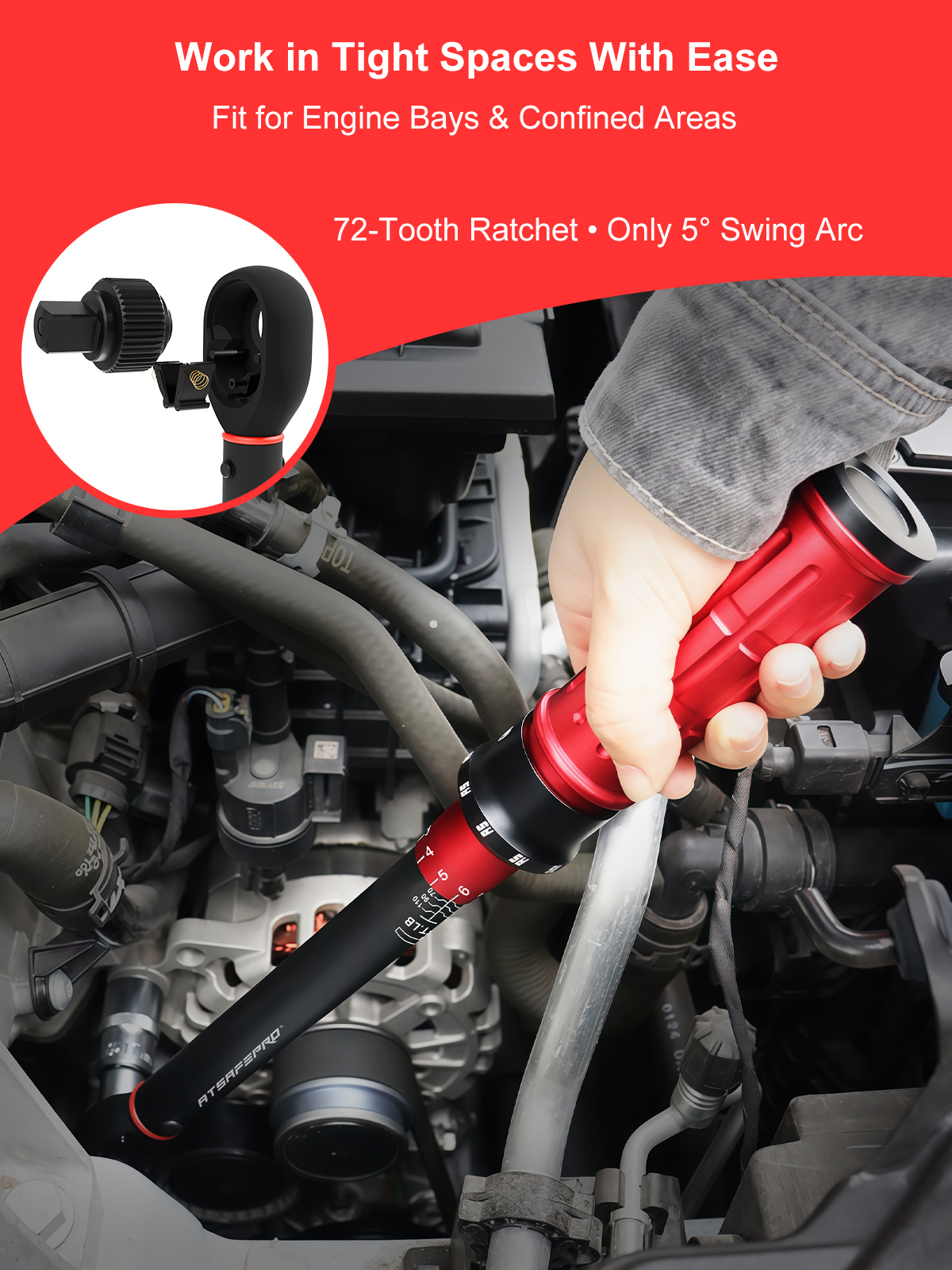
The visible wrench body appears to use a metal construction with a red painted or anodized-looking handle area, a black grip section, and a black ratchet head. That kind of visual layout is common in hand tools intended for frequent handling, because it separates the torque-setting section from the grip and gives the operator a clear tactile reference point. The sockets appear to be made from a steel alloy with dark lower sections and color-coded sleeves, which helps with quick identification in a mixed tool tray.
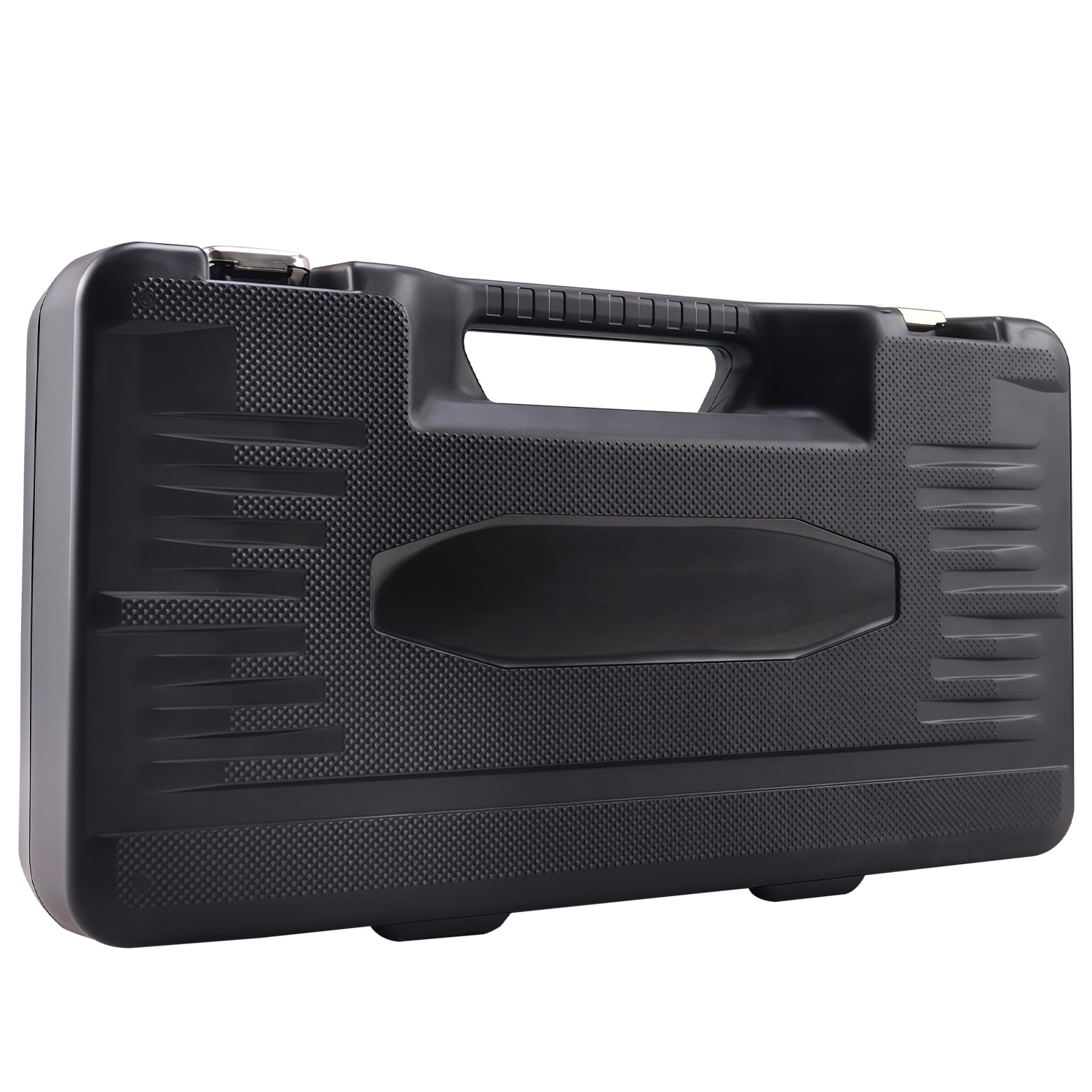
The case is a molded black plastic carry case with red latches. That detail is worth noting. A hard case does not change the torque performance, but it does affect storage discipline, shipping presentation, and shelf appeal. For industrial buyers, packaging can be the difference between a kit that stays organized and one that fragments into loose parts in a van drawer.
Why torque control matters in real workshops
Too much torque can do obvious damage: rounded fasteners, stretched studs, cracked components, and stripped threads. Too little torque can be less dramatic at first, which is why it is so often overlooked. Under-tightened hardware can loosen under vibration, thermal cycling, or repeated load. On wheels, that is a serious concern. On machinery, it can create alignment issues, oil leaks, or premature wear on mating surfaces.
A click-type torque wrench is popular because it gives the operator a clear physical signal that the set torque has been reached. That makes it easier to train technicians and maintain consistency across shifts. It is not a substitute for proper procedure, and it will not rescue damaged fasteners or poorly designed joints, but it does reduce variation. In manufacturing and service work, reducing variation is often half the battle.
How to evaluate a kit like this before buying
1. Check the torque range and the use case
The most important missing detail in the visible information is the exact torque range. Buyers should confirm that the adjustable range covers the fasteners they intend to service. Wheel work, for example, may require values that differ from light mechanical assembly or bicycle service. If the range is too narrow, the tool becomes a specialty item instead of a useful general-purpose wrench.
2. Confirm the drive size and socket compatibility
Drive size is another point that should be verified. The kit includes interchangeable sockets and an adapter, but the exact drive format is not stated. That matters because socket compatibility, extension use, and storage layout all depend on it. A purchasing manager should not assume every socket in an existing program will fit this set without checking.
3. Look at socket quality, not just socket count
It is tempting to judge a kit by how many pieces are in the case. That is not a reliable method. The more useful question is whether the sockets are appropriate for repeated hand-tool use, whether the finish resists wear, and whether the sizes match the jobs your team actually performs. The visible 17 mm, 19 mm, and 21 mm sizes point toward wheel-service utility, which is sensible if that is your workload. If not, those sizes may be less valuable than a more complete smaller-size set.
4. Consider storage and field handling
The hard case is a quiet advantage. Technicians do not always return tools neatly to a bench drawer, especially in mobile repair or fleet maintenance settings. A case with dedicated cutouts tends to improve tool retention and reduce damage in transit. That may sound ordinary, but ordinary is often what keeps a kit useful after the first month.
Common mistakes buyers make with torque tools
The first mistake is assuming all torque wrenches are interchangeable. They are not. A click-type wrench for general tightening is useful, but the operator still needs to set it correctly, use the tool in the intended torque direction, and avoid treating it as a breaker bar unless the manufacturer explicitly allows that. Forcing a torque wrench to loosen stubborn fasteners is a classic way to shorten its service life.
The second mistake is buying for appearance rather than application. A red handle and a tidy case may look professional, but the real purchasing criteria are range, compatibility, and repeatability. The third mistake is neglecting training. Even a decent torque wrench can be misused if technicians ignore the setting mechanism, leave it stored under tension, or use the wrong socket size.
One practical caution: if you are buying for critical assembly work, do not infer calibration status from packaging or product photos. Calibration, if needed, should be verified through supplier documentation or internal incoming inspection. That is especially important in regulated or safety-sensitive environments.
Where the ATsafepro torque wrench kit makes the most sense
Based on the visible configuration, this kit makes the strongest case in automotive service, wheel and tire operations, equipment assembly, and general maintenance work where common hex fasteners recur. The included larger sockets suggest the kit is not trying to be everything for everyone; it is aimed at practical, real-world fastening jobs that benefit from a controlled torque setting and quick socket changes.
That specificity is useful. Too many tool kits overpromise and end up buried in a drawer because they are awkward to use. A focused kit, even if modest in scope, is often more valuable when a technician needs to move quickly and keep work consistent. In sourcing terms, that usually translates to lower decision friction and better adoption on the floor.
FAQ
Is this a hand tool or an industrial-grade instrument?
From the visible information, it is clearly a hand tool kit intended for practical mechanical work. Whether it meets a specific industrial calibration or accuracy requirement is not stated and should be confirmed separately.
Can it be used for wheel lug nuts?
The socket sizes shown and the hard case make it look well suited to wheel-related service. Still, the correct torque value and socket fit must match the vehicle specification.
Does the kit include enough accessories for field use?
It appears to include the wrench, multiple sockets, an adapter or extension, and a storage case. That is a solid field-use package, though the full accessory count is not confirmed from the available information.
Should buyers ask for additional documentation?
Yes. For procurement, ask for the torque range, calibration or verification details if required, drive size, and any material or finish information that affects service life.
What a practical buyer should do next
If you are comparing torque wrench kits, the ATsafepro torque wrench should be judged by function first: does it cover the torque range you need, does it accept the sockets your team actually uses, and will the case and layout support daily handling? Those are the questions that matter more than a polished product description.
For sourcing managers, the next step is straightforward. Confirm the missing specifications, map the kit against your repair or assembly tasks, and decide whether this is a general maintenance tool or a task-specific kit for wheel and fastener service. If the answer fits your workflow, a compact adjustable torque wrench set like this can be an efficient addition to the tool program. If not, it is better to keep looking than to buy a kit that spends most of its life closed in the case.