Choosing the Right Professional Torque Wrench: A Technical Buyer’s Guide
Torque as an Engineering Variable, Not Just a Number
In professional service, torque is a controlled engineering variable—just like voltage in electrical work or pressure in hydraulics. Whether you’re installing high-load suspension bolts in a commercial truck or assembling flanged pipe joints in an industrial facility, the correct torque ensures safety, longevity, and compliance with OEM and regulatory standards.
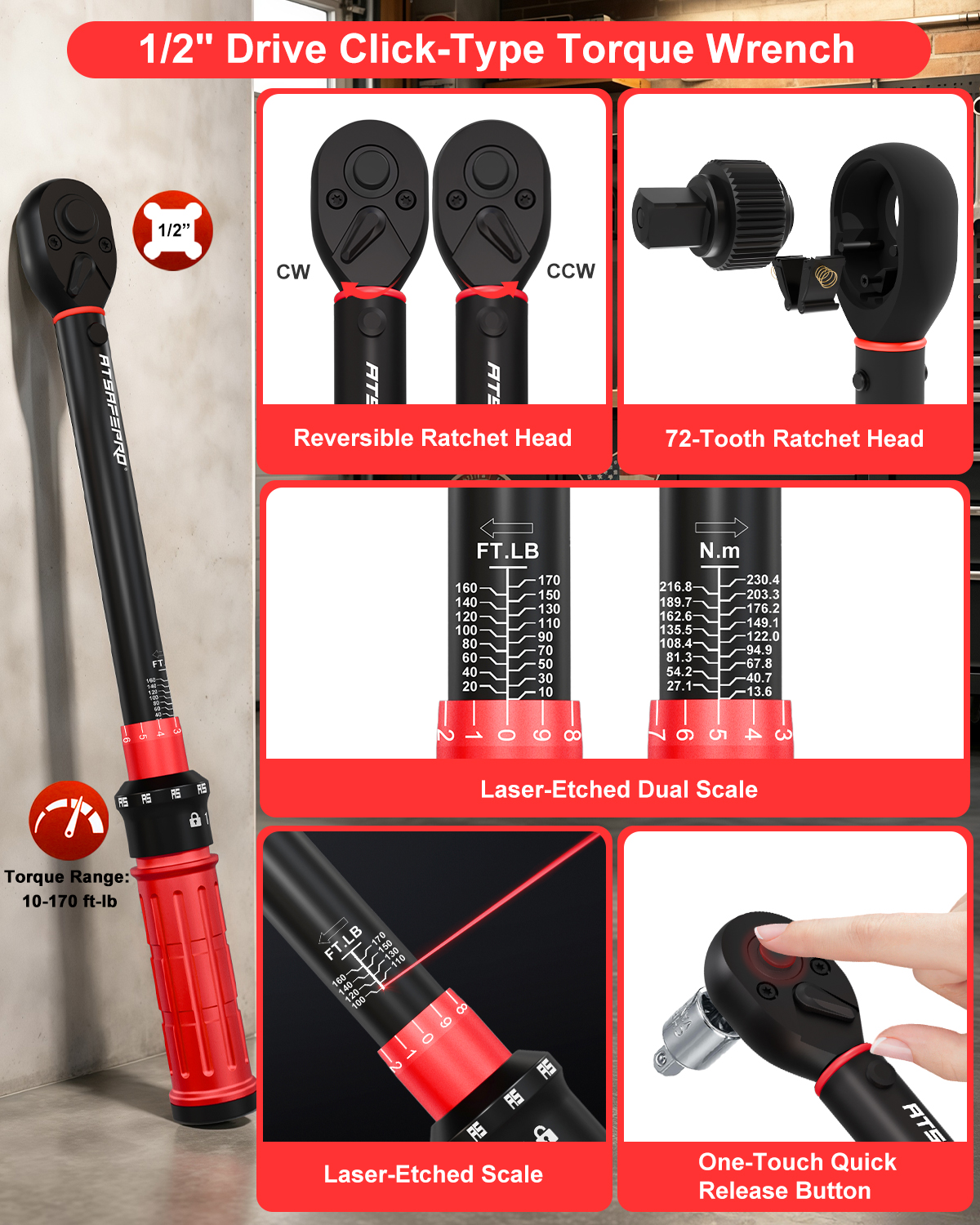
ATSAFEPRO designs professional torque wrenches that meet or exceed ISO 6789 and ASME B107 specifications, ensuring every fastening is within tolerance and repeatable across multiple technicians.
Mechanical vs Digital: Selecting by Application
Mechanical (Click-Type & Beam-Type)
-
Ideal for: Harsh environments, mobile service work, high-vibration areas
-
Strengths: No batteries, robust under temperature extremes, long calibration stability
-
Limitations: No data recording; requires operator interpretation
Digital Torque Wrenches
-
Ideal for: Assembly lines, QA-sensitive industries, precision service bays
-
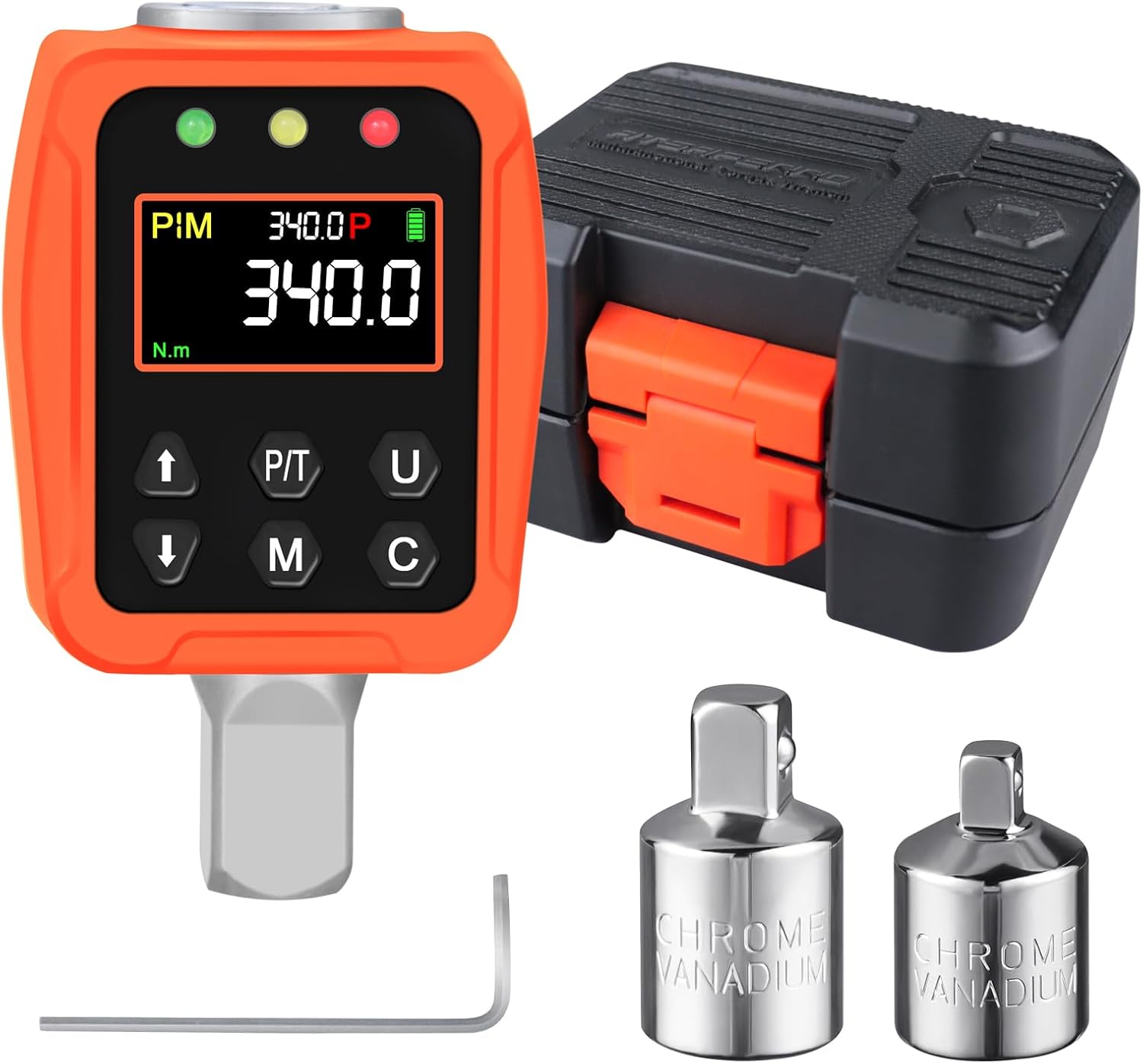
Strengths: High-resolution display, programmable torque targets, torque-angle measurement, data storage for compliance
-
Limitations: Battery dependency, higher sensitivity to moisture/shock
Industry Case:
-
Mining service teams use mechanical wrenches due to extreme dust and drop risks.
-
Wind turbine assembly crews use digital models to log torque data for every bolt, meeting traceability requirements.
Matching Torque Range to Operational Needs
The most accurate torque readings occur between 20–80% of the tool’s rated capacity.
Examples:
-
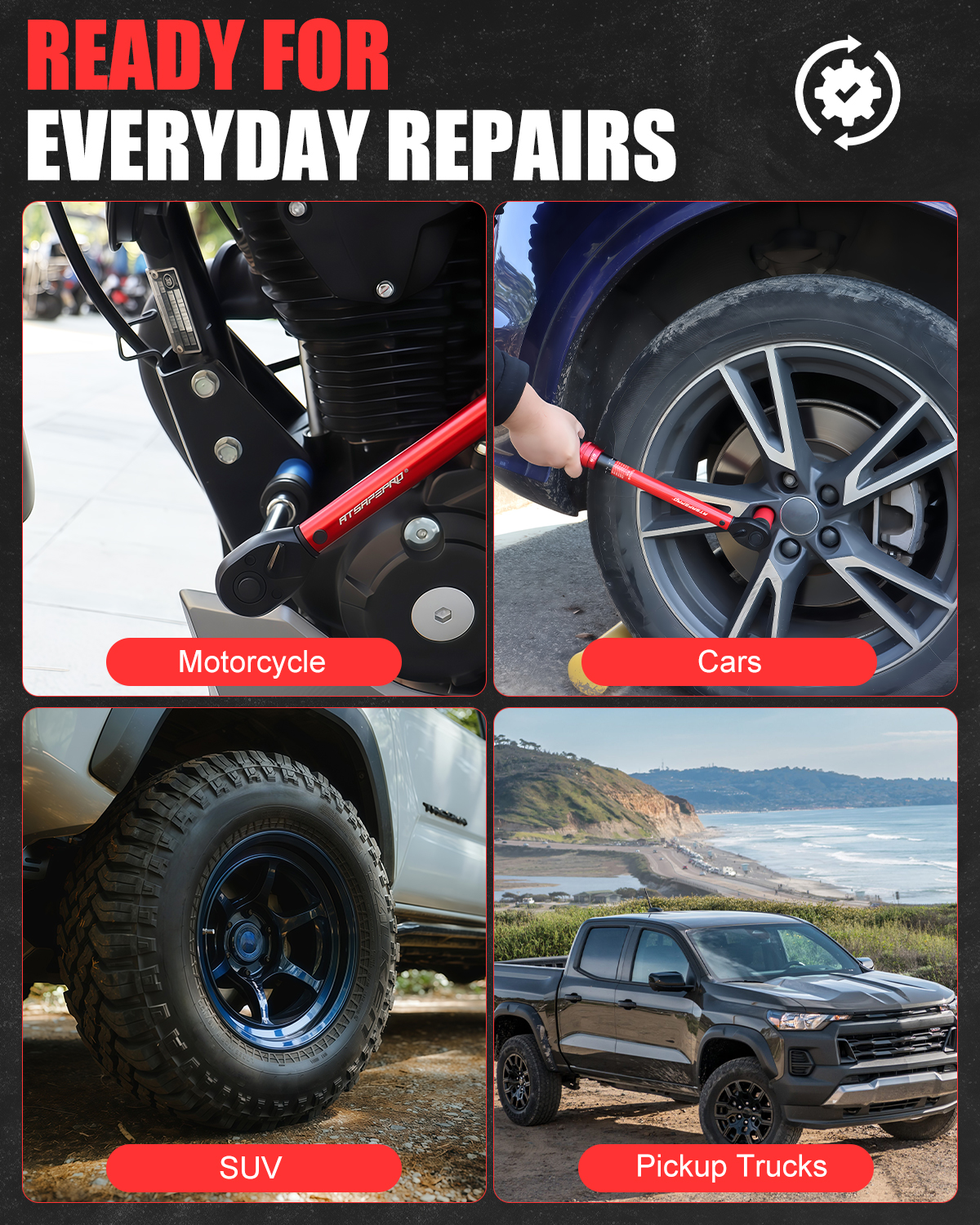
Passenger Vehicles: 90–150 Nm for lug nuts
-
Heavy-Duty Trucks: 200–600 Nm for chassis fasteners
-
Industrial Equipment: 10–80 Nm for precision assemblies
Selecting one “all-range” tool sacrifices accuracy; professional operations keep multiple torque wrenches for low, mid, and high torque tasks.
Torque Wrench Failure Modes and How to Prevent Them
In high-volume professional environments, torque wrenches can fail in predictable ways:
-
Calibration Drift
-
Cause: Overloading, improper storage, skipped recalibration
-
Prevention: Stay within rated range; store mechanical wrenches at the minimum setting; calibrate every 12 months or 5,000 cycles
-
-
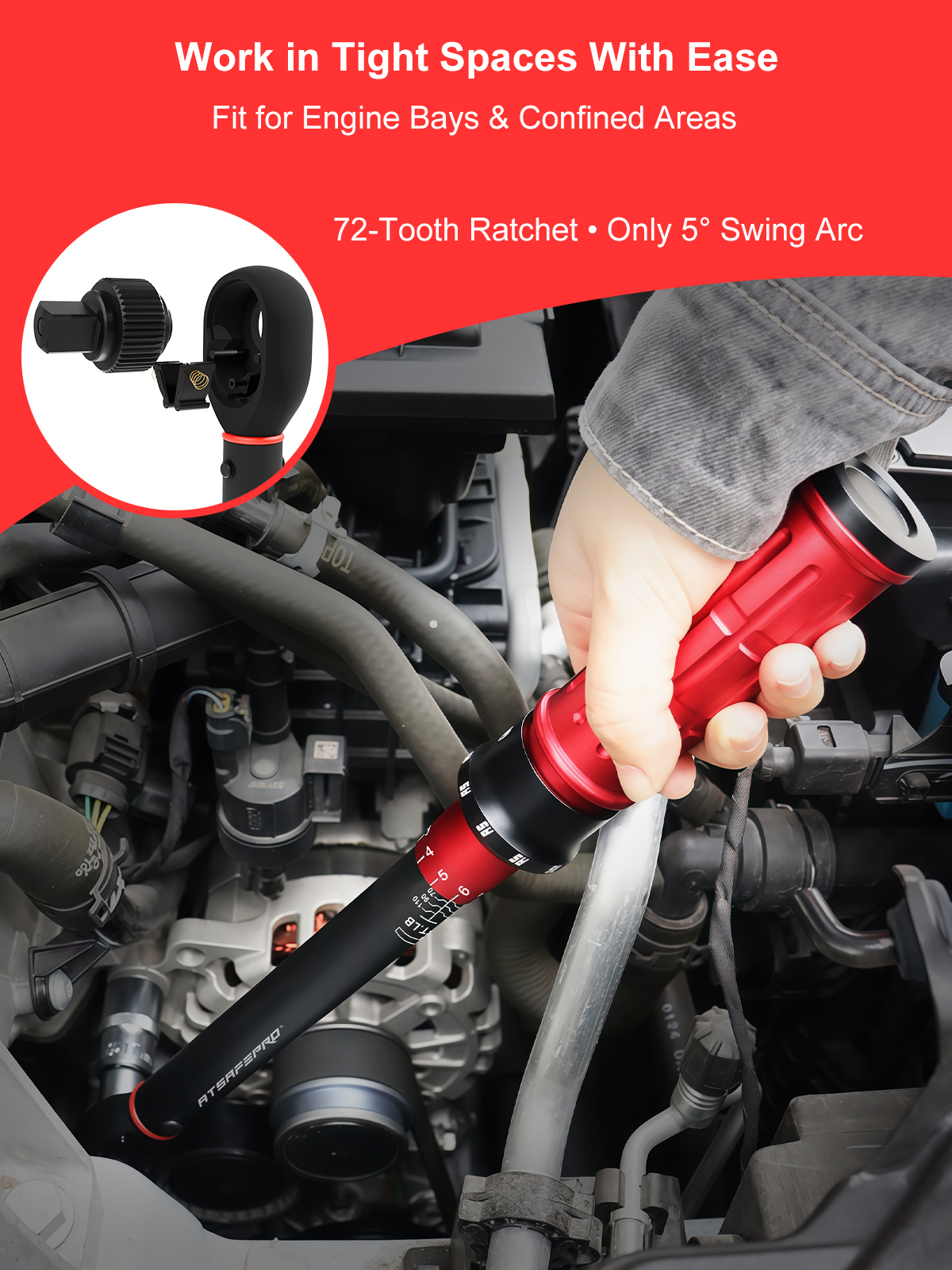
Ratchet Mechanism Wear
-
Cause: Using the wrench for loosening or over-torquing
-
Prevention: Reserve torque wrenches for tightening to spec only; use breaker bars for loosening
-
-
Handle or Grip Damage
-
Cause: Chemical exposure or repeated drops
-
Prevention: Choose chemical-resistant grips; store in protective cases
-
-
Digital Electronics Failure
-
Cause: Moisture ingress, battery leakage
-
Prevention: Use sealed units; remove batteries during long-term storage
-
Torque Wrench Selection Checklist for Professionals
-
Torque Range Fit: Frequent tasks should fall within 20–80% of the wrench’s range
-
Accuracy Requirement: ±3% or better, verified by a calibration certificate
-
Operational Environment: Choose construction and sealing to match workshop, field, or industrial conditions
-
Data & Traceability Needs: Opt for digital if you require torque logs or QA reporting
-
Maintenance Access: Ensure you can calibrate locally or via manufacturer service
Technical Questions About Torque Wrenches
Q1: How can I maintain long-term accuracy in mechanical wrenches?
Always reset to minimum setting after use, avoid overloading, and follow annual calibration.
Q2: Should I invest in multiple torque wrenches for a single workshop?
Yes—different ranges improve accuracy, prevent overloading, and extend tool life.
Q3: How do I prove torque compliance to auditors?
Maintain calibration certificates and torque logs; ATSAFEPRO digital torque wrenches can store/export application data for inspection.
Engineering-Grade Tools for Professional Results
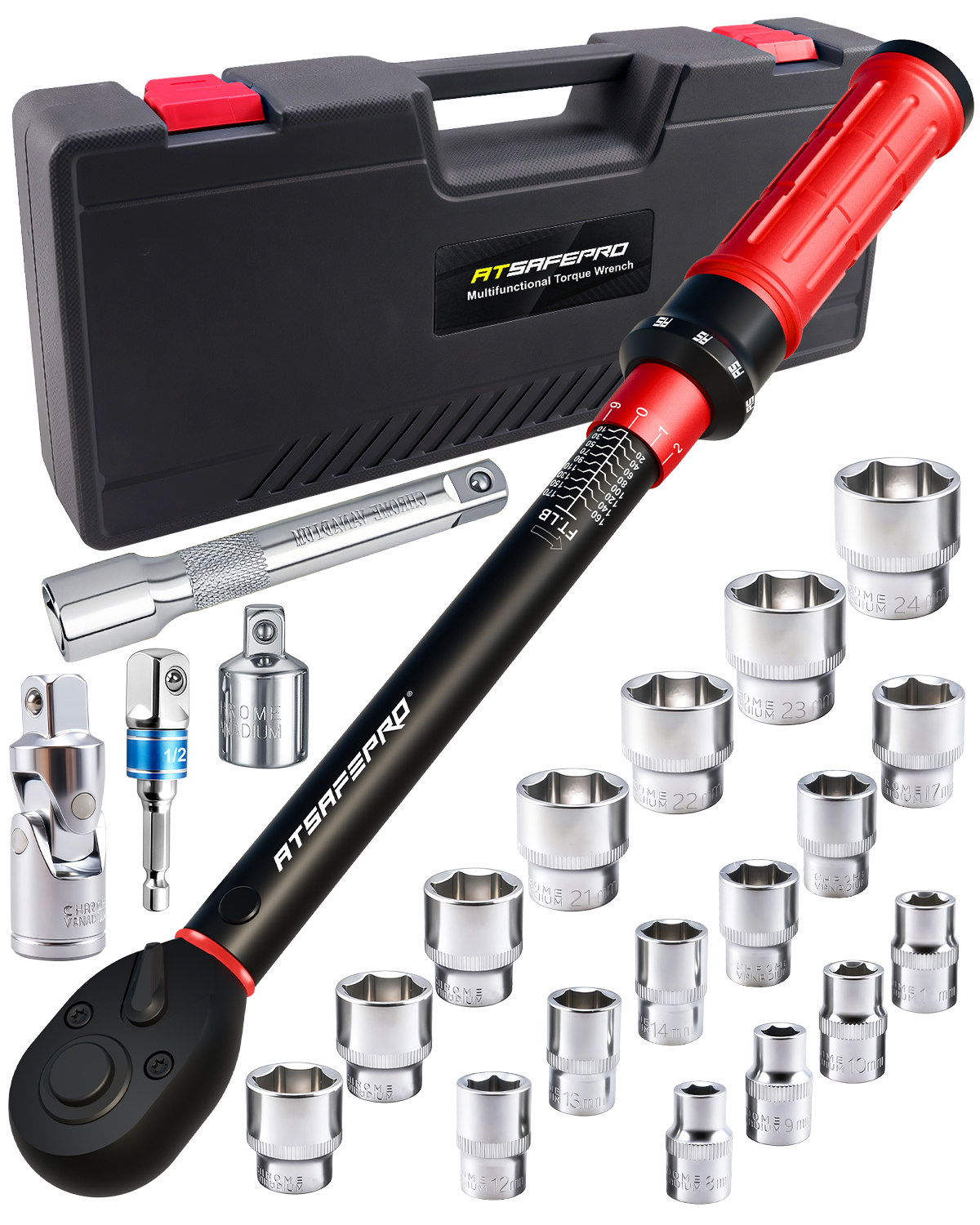
In B2B service environments, a torque wrench is not just a tool—it’s a precision instrument tied directly to safety, efficiency, and compliance. ATSAFEPRO provides both mechanical and digital torque wrenches engineered for demanding conditions, with calibration support and durability built in.
View our full range of professional torque wrenches—including the best torque wrench options for your operation—on the ATSAFEPRO product page, or visit our homepage for more professional service tools. For technical specifications or bulk procurement, contact us today.