GODESON Rotor Micrometer for Precise Brake Measurements

  • blog
Posted by ATSAFEPRO On Jul 25 2025

In the world of automotive maintenance and high-performance engineering, precision isn't just a goal; it's a necessity. A fraction of a millimeter can be the difference between a perfectly functioning brake system and a potential safety hazard. This is where specialized tools become invaluable, and the GODESON Rotor Micrometer stands out as a critical instrument for ensuring absolute accuracy for professionals and dedicated enthusiasts alike. It moves beyond generic measurement tools by providing a purpose-built solution for one of the most critical components of a vehicle's braking system.

Seamless Precision with Digital Technology


Gone are the days of squinting at vernier scales and manually interpreting fine lines. The evolution of measurement tools has brought us into the digital age, and this rotor micrometer embraces that shift fully. A key to its effectiveness is its clear, high-resolution LCD screen that provides instant and unambiguous readings. This feature is central to performing accurate digital micrometer measurements, eliminating guesswork and reducing the chance of human error. With the simple press of a button, users can seamlessly switch between metric and imperial units, providing the versatility needed to work on a wide range of vehicles and components, regardless of their origin or specifications. This adaptability makes it an essential tool for any modern workshop.

Designed for a Critical Task: Rotor Measurement


While a standard micrometer is excellent for general purposes, a rotor micrometer is engineered specifically for measuring the thickness of brake rotors. Its design features a deep throat and a pointed anvil on one side with a flat anvil on the other. This unique configuration allows the tool to reach past the wear lip on the edge of a used rotor to measure the true thickness of the braking surface. This is essential for diagnosing issues like thickness variation, which causes brake pedal pulsation, and for determining if a rotor is still within the manufacturer's safe operational thickness limits after machining or use. Using the GODESON Rotor Micrometer ensures that every brake job is completed to the highest standard of safety and performance, making it a non-negotiable tool for conscientious technicians.

Ergonomics and Durability for the Workshop


A tool used daily in a workshop environment needs to be as tough as it is precise. The GODESON Rotor Micrometer is built with a sturdy, often stainless steel, frame that withstands the rigors of a busy garage. It is designed to resist wear, corrosion, and the occasional accidental knock that is part of a demanding work environment. Furthermore, thoughtful ergonomics play a role in its design. A comfortable grip and balanced weight reduce user fatigue during repetitive measurements, allowing for consistent and reliable digital micrometer measurements throughout a long day of work. The combination of a robust body and a user-friendly interface makes it a dependable partner for any serious technician.

The Professional's Choice for Accuracy


In summary, the value of a specialized tool cannot be overstated, especially when safety and performance are on the line. The GODESON Rotor Micrometer offers a superior solution for anyone who needs to measure brake rotor thickness accurately and efficiently. By combining a purpose-built design with the clarity and ease of modern digital technology, it empowers mechanics to make informed decisions, ensure compliance with safety standards, and deliver top-quality work. For precise digital micrometer measurements in any automotive setting, this tool is an indispensable asset for achieving professional-grade results every time.
Featured Blogs

Tag:

  • Blog
Share On
Featured Blogs
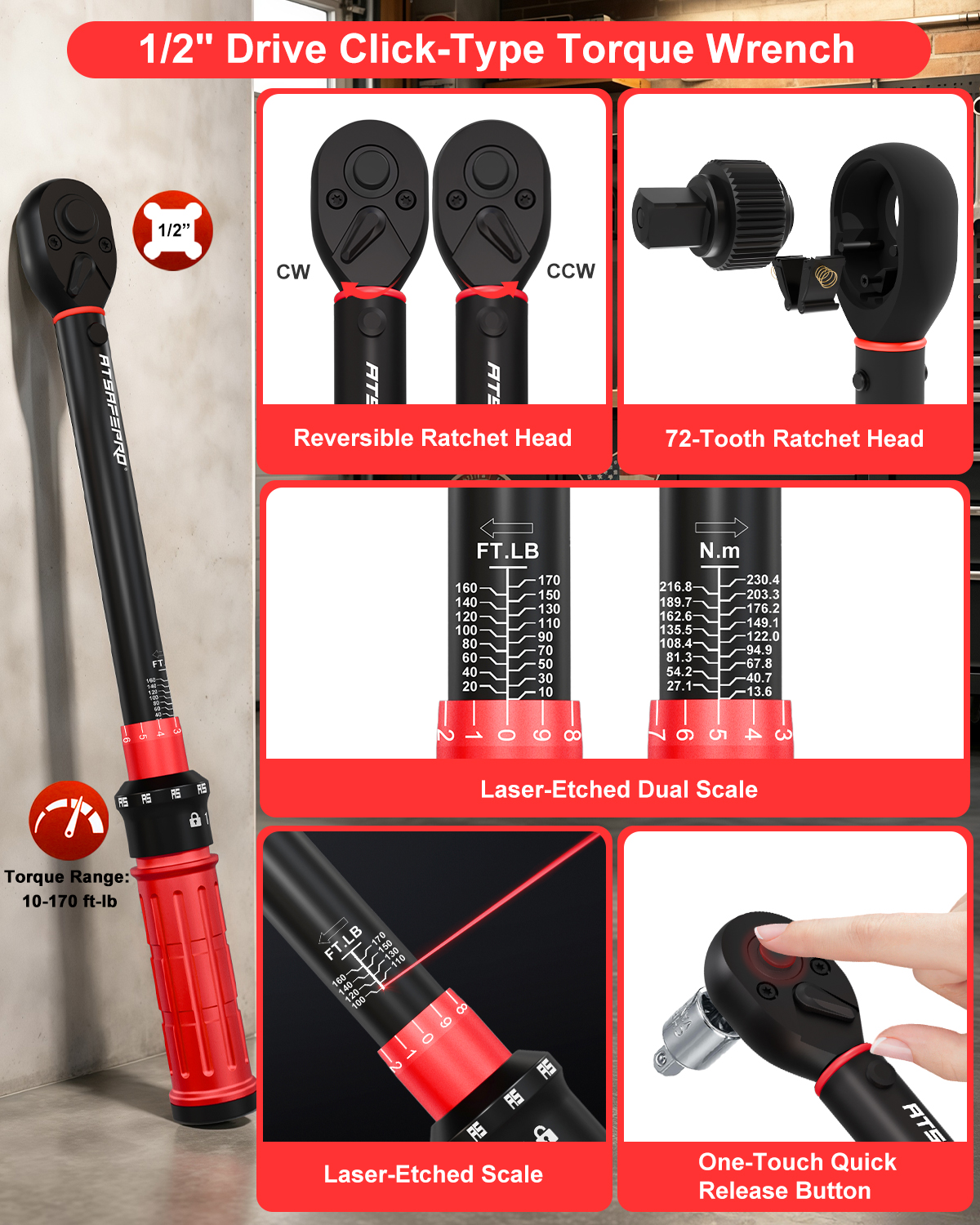
ATsafepro Torque Wrench: What Buyers Should Check Before Ordering

ATsafepro Torque Wrench: What Buyers Should Check Before Ordering

1. ATsafepro torque wrench: what buyers should look for before they put one in a cart 2. 1. What the kit appears to be for 3. 2. What you can verify from the visible design 4. 3. Why socket material and markings matter 5. 4. Quick buyer checklist for an adjustable click-type torque wrench set 6. 5. Where buyers tend to get tripped up 7. 6. Practical notes for shops, fleets, and retail buyers 8. 7. Short takeaways for procurement teams 9. 8. FAQ: common questions buyers ask 10. 9. A sensible next step

ATsafepro Torque Wrench Review: What Buyers Should Check

ATsafepro Torque Wrench Review: What Buyers Should Check

1. A practical look at the ATsafepro torque wrench: what buyers are really checking 2. What stands out in the kit 3. How a click-type torque wrench helps in daily work 4. What the visible construction suggests 5. Where this kind of kit fits best 6. How buyers should evaluate it before purchase 7. Common mistakes buyers make with torque tools 8. A short interview-style takeaway from the shop floor 9. What to ask the supplier before you commit 10. Bottom line for buyers

ATsafepro Torque Wrench Review: Features, Uses, and Buyer Fit

ATsafepro Torque Wrench Review: Features, Uses, and Buyer Fit

1. Why buyers keep asking about the ATsafepro torque wrench 2. Quick take: what this set appears to be built for 3. Interview notes from a buyer’s point of view 4. What the visible design tells you 5. Socket set inclusion: where this package adds value 6. Selection criteria that matter more than the product photo 7. Common mistakes buyers make with torque tools 8. Practical use cases where this set looks sensible 9. Buyer-facing cautions worth saying out loud 10. FAQ 11. What a smart next step looks like

ATsafepro torque wrench: What this adjustable click-type kit offers

ATsafepro torque wrench: What this adjustable click-type kit offers

1. Why an adjustable click-type torque wrench kit matters in real shop work 2. What this kit appears to offer at a glance 3. How a click-type torque wrench works 4. Best use cases for a kit like this 5. Selection criteria buyers should check before specifying one 6. Common mistakes when using a torque wrench kit 7. What the visible construction suggests about durability 8. How to use the kit well in day-to-day work 9. Who should buy this type of kit 10. FAQ 11. What to do next

ATsafepro Torque Wrench: What Buyers Should Check Before Use

ATsafepro Torque Wrench: What Buyers Should Check Before Use

1. ATsafepro torque wrench: what buyers should look for before putting one in service 2. What this kit appears to be 3. Why torque control matters in the shop and garage 4. Quick buyer read: what matters most in a kit like this 5. How a click-type torque wrench is typically used 6. Materials and construction cues buyers can actually inspect 7. Common mistakes when buying a torque wrench kit 8. Practical selection advice for different buyers 9. FAQ 10. What a careful buyer should do next

ATsafepro torque wrench: what buyers should look for in a wheel-service kit

ATsafepro torque wrench: what buyers should look for in a wheel-service kit

1. What is in the kit? 2. Why the socket assortment matters 3. How a click-type torque wrench helps prevent damage 4. Material and construction: what the image suggests 5. Where this type of kit fits best 6. What buyers should verify before ordering 7. Common buyer mistakes with torque wrench kits 8. Quick buyer FAQ 9. Final buyer take