When it comes to precision work in mechanics, whether you're a professional automotive technician or a dedicated DIY enthusiast, the importance of applying the correct amount of force cannot be overstated. Overtightening can strip threads or damage components, while under-tightening can lead to parts coming loose. The solution to this critical problem is the torque wrench, a tool designed to apply a specific, measured turning force to a fastener. However, the modern market presents a key choice: should you opt for a classic mechanical model or a modern digital one? This guide will break down the differences to help you choose the perfect tool for your needs.
The Enduring Reliability of the Mechanical Torque Wrench
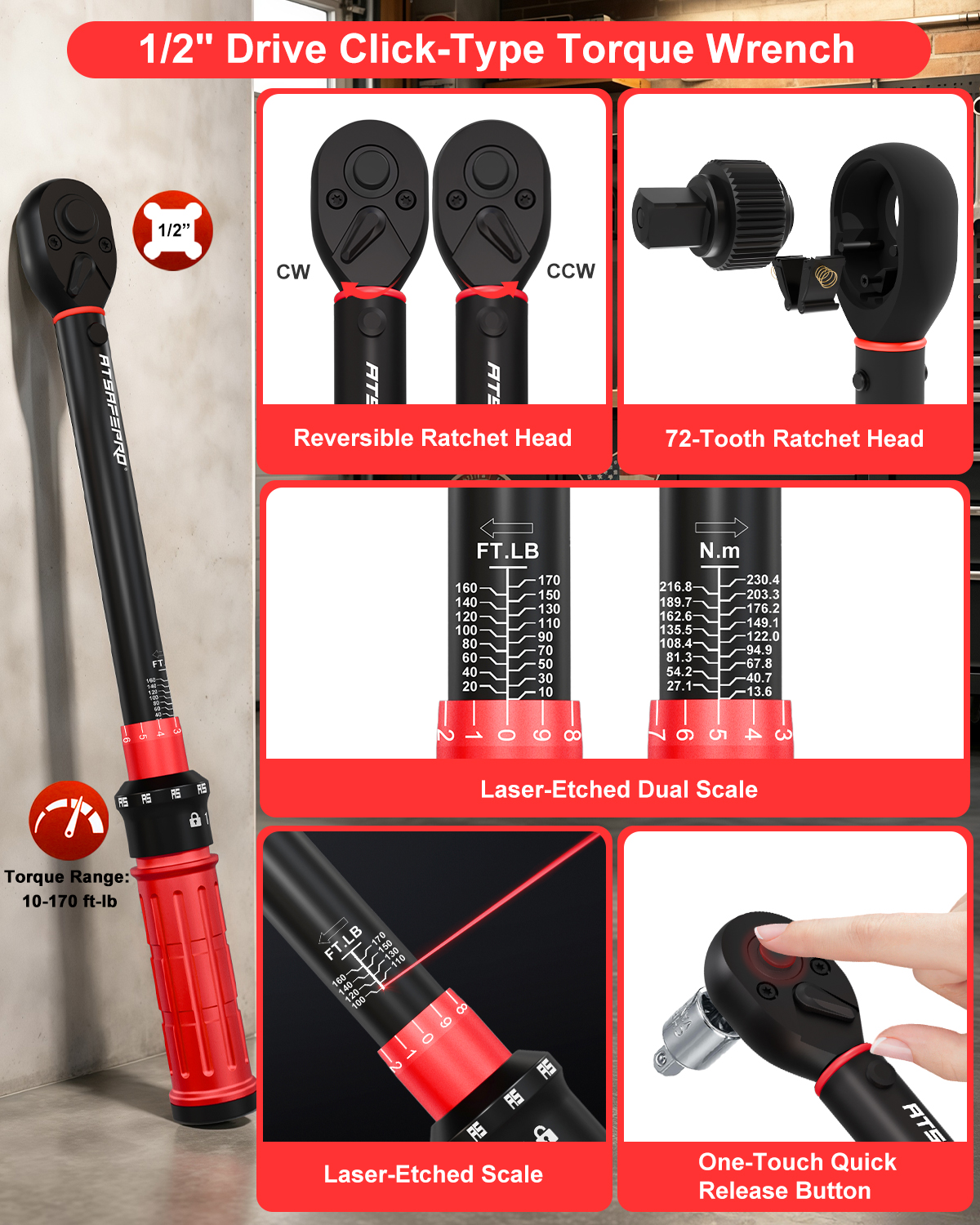
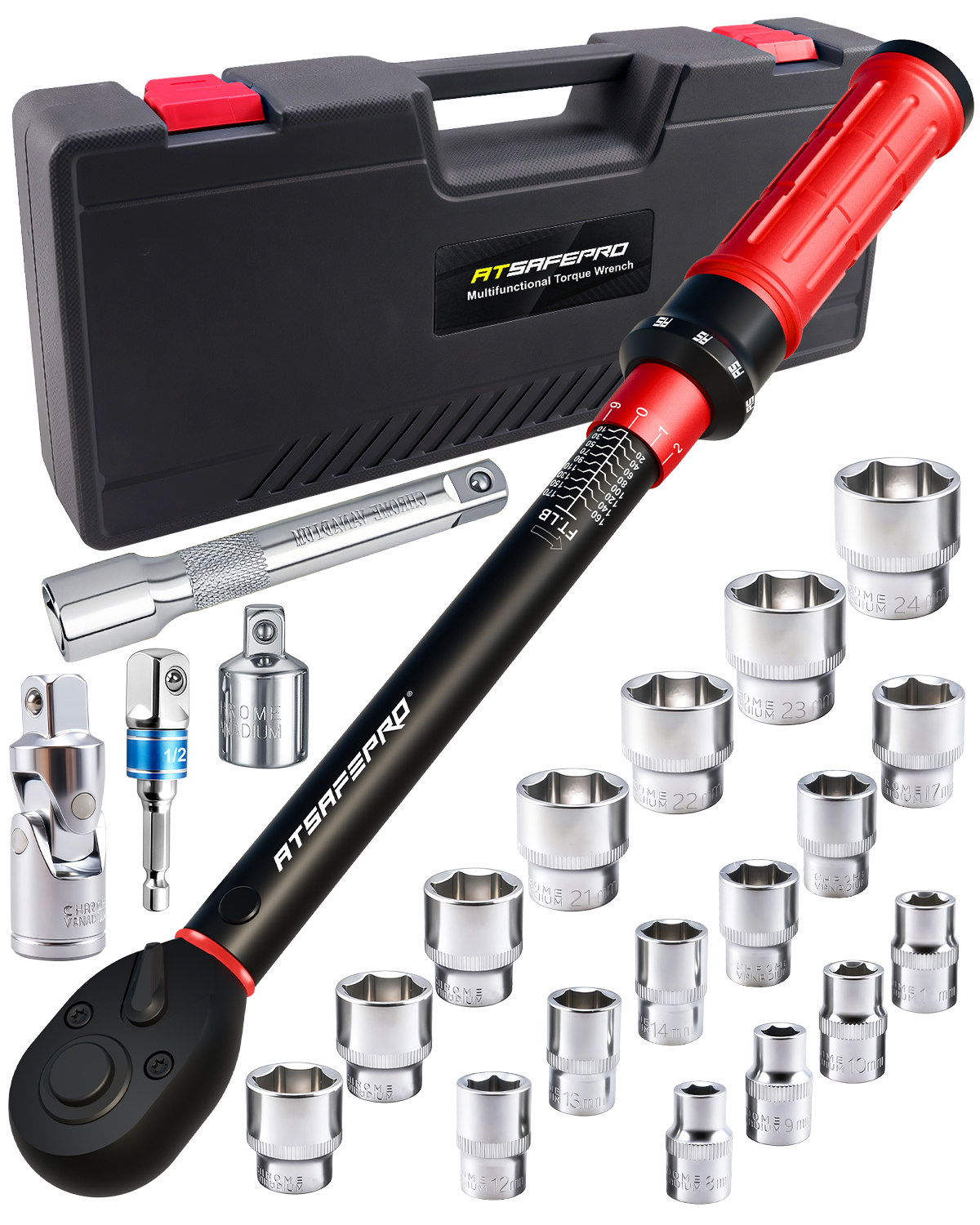
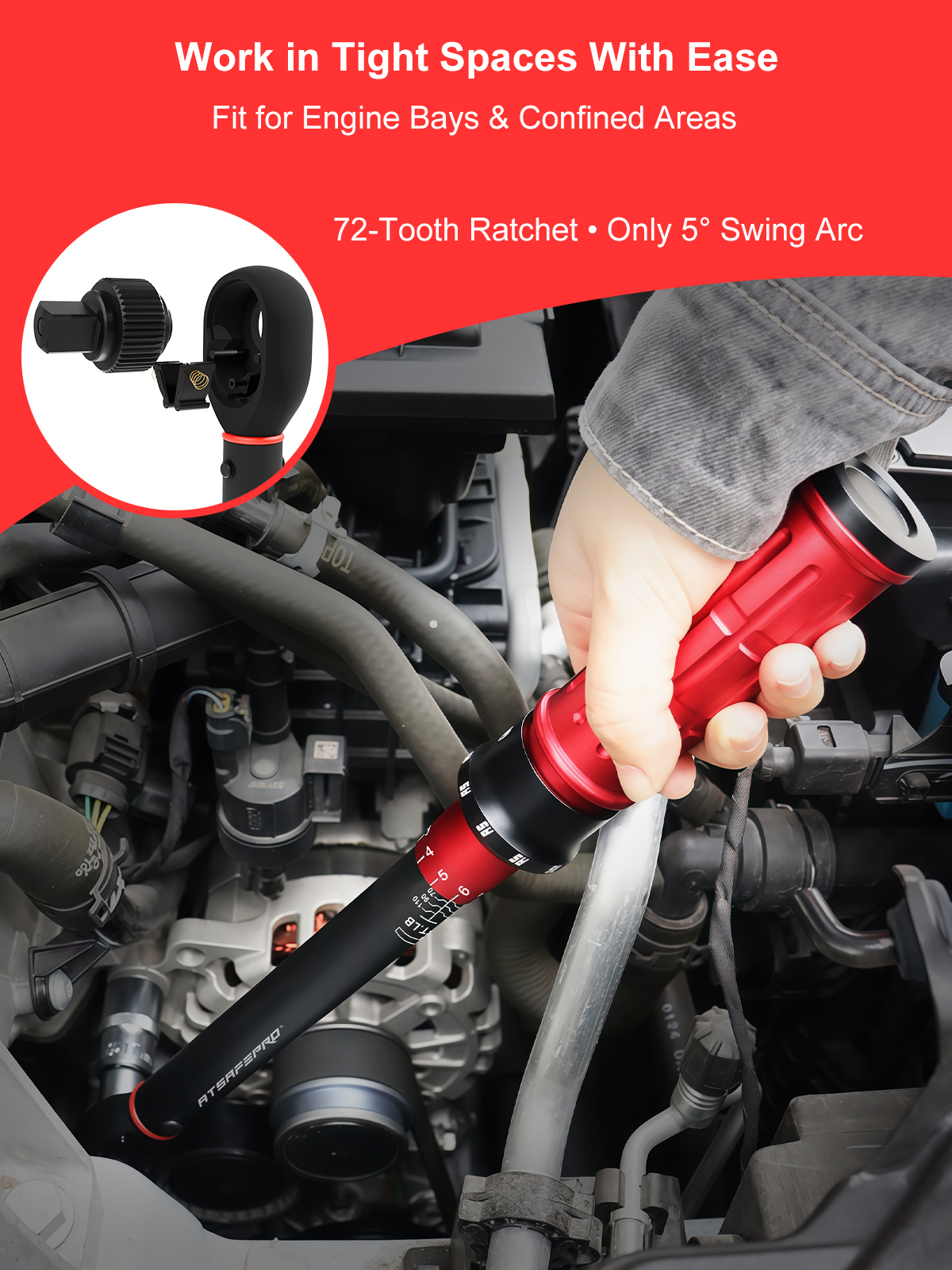
A mechanical torque wrench is the traditional workhorse found in toolboxes across the world. These tools operate on a physical mechanism, most commonly a spring-loaded clutch system. The user sets the desired torque value by turning a handle, which adjusts the compression on an internal spring. When the applied torque reaches the set value, the mechanism gives way slightly, producing a distinct and satisfying 'click' that both you can feel and hear, signaling that the correct torque has been reached. Their beauty lies in their simplicity and ruggedness. With no electronic components, they are less susceptible to damage from drops, dust, or moisture. They don't require batteries, meaning they are always ready to work when you are. For many seasoned mechanics, the tactile feedback of the click is an intuitive and reliable indicator that the job is done right. A prime example of modern innovation in this category is the Dual-Range Torque Wrench. Standing at a convenient 29.5 cm, it is built for both portability and power. Its dual-range system, covering 20 to 240 in.lb and 2.3 to 27.1 N.m, offers exceptional versatility for a wide range of tasks. The design prioritizes ease of use, featuring a clear, intuitive scale and a smooth rotating handle with a comfortable grip, ensuring fatigue is minimized and accuracy is maximized. This tool proves that a mechanical wrench can offer both traditional durability and modern precision.
The Modern Precision of the Digital Torque Wrench
On the other side of the spectrum is the digital torque wrench, a product of the technological age. Instead of a mechanical spring, this tool uses an electronic strain gauge to measure the force being applied. The torque value is clearly displayed on an LCD screen, eliminating any guesswork involved in reading a manual scale. The main advantage of a digital wrench is its exceptional accuracy and user-friendly interface. Users can set the target torque precisely, often in smaller increments than a mechanical tool allows. Most models provide both visual and audible alerts—such as a beep or a vibration—as you approach and then reach the target torque. This feature is particularly helpful in noisy environments where hearing a mechanical click might be difficult. Furthermore, a digital torque wrench often allows users to switch between different units of measurement (N.m, in.lb, ft.lb, kg-cm) with the push of a button and may even include memory functions to store common torque settings or record the peak torque applied. The trade-off for this advanced functionality is a reliance on batteries and increased sensitivity to harsh environments and impacts.
Key Differences to Consider for Your Toolbox
When choosing between these two excellent tools, your decision will likely come down to a few key factors: accuracy, durability, and user experience. While a high-quality digital model might have a slight edge in specified accuracy, a well-maintained mechanical torque wrench is more than precise enough for the vast majority of automotive and home improvement applications. For durability, the mechanical models generally win out due to their simpler, more robust construction. They can withstand the rigors of a busy workshop better than their electronic counterparts. In terms of user experience, it's a matter of preference. Some users love the clear, unambiguous feedback from a digital screen and audible alerts. Others prefer the tangible, satisfying click of a mechanical tool, which confirms the correct torque without needing to look at a display. The feel and balance of the tool also play a significant role, and a well-designed wrench with an ergonomic grip can make a long day of work much more comfortable.
Making the Final Choice for Your Needs
Ultimately, neither type of wrench is universally superior; the best choice depends on your specific needs, work environment, and budget. If your work demands the highest level of precision, data logging capabilities, and you primarily work in a clean, controlled setting, the features of a digital wrench may be worth the investment. However, for most professionals and DIYers who need a reliable, durable, and accurate tool that will last for years, a high-quality mechanical wrench is an unbeatable value. A tool like the aforementioned Dual-Range Torque Wrench perfectly illustrates this point. It combines the rugged reliability you expect from a mechanical tool with a user-focused design, including a clear dual-range scale and an ergonomic handle, offering a professional-grade experience. Its bold red design isn't just for looks; it represents a commitment to craftsmanship and performance. Investing in a dependable tool ensures that every fastener is secured correctly, protecting your equipment and guaranteeing the quality of your work for years to come.