How to Choose the Right Torque Wrench for DIY and Pro Use
Whether you're working on your own car, assembling a bike, or handling engine components, torque accuracy matters. A torque wrench ensures that bolts are tightened to the proper specification—too loose and they come undone; too tight and you risk damage. But with so many options on the market, how do you know which one’s right?
Understanding the Different Types of Torque Wrenches
Choosing the right tool starts with understanding what’s available:
-
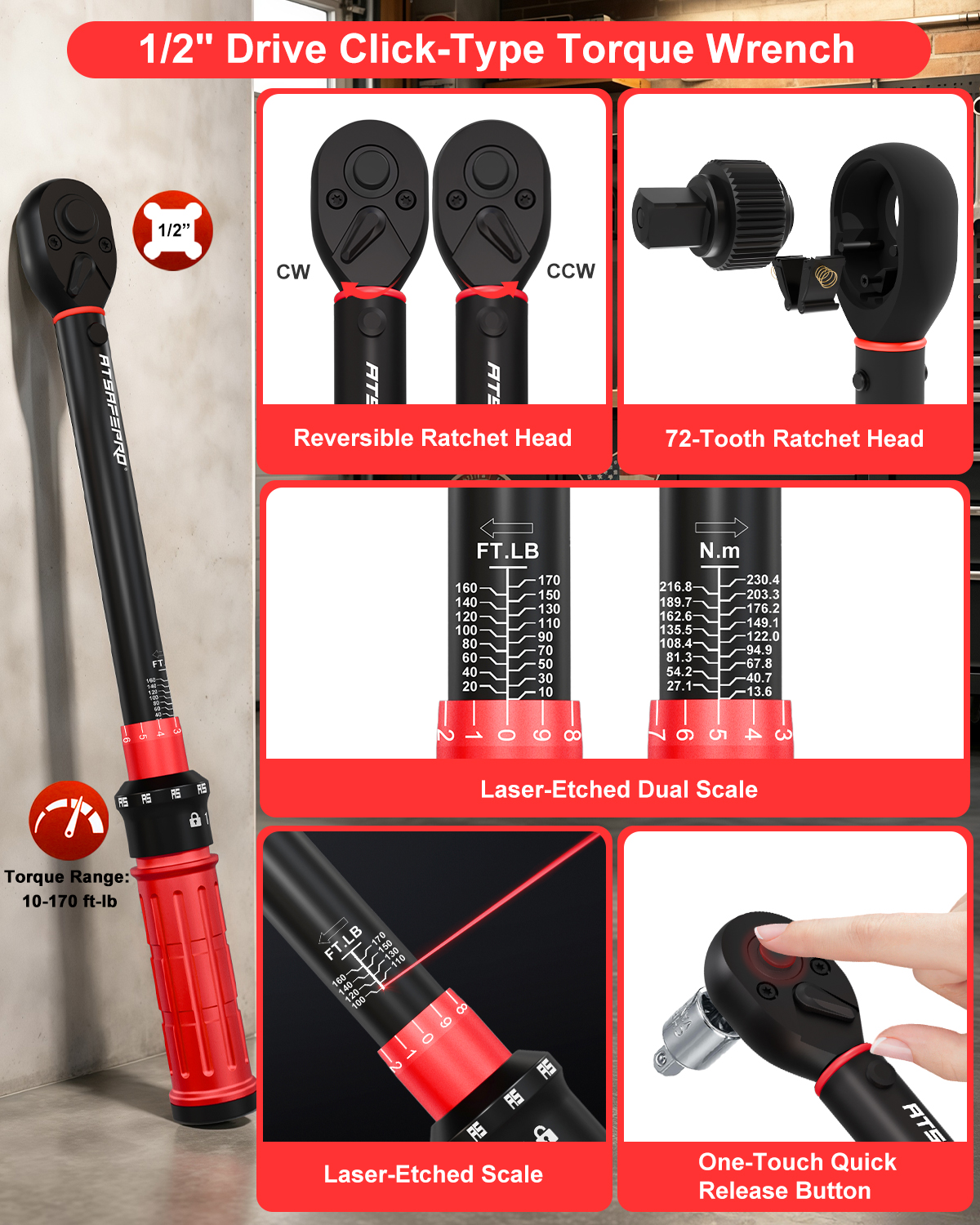
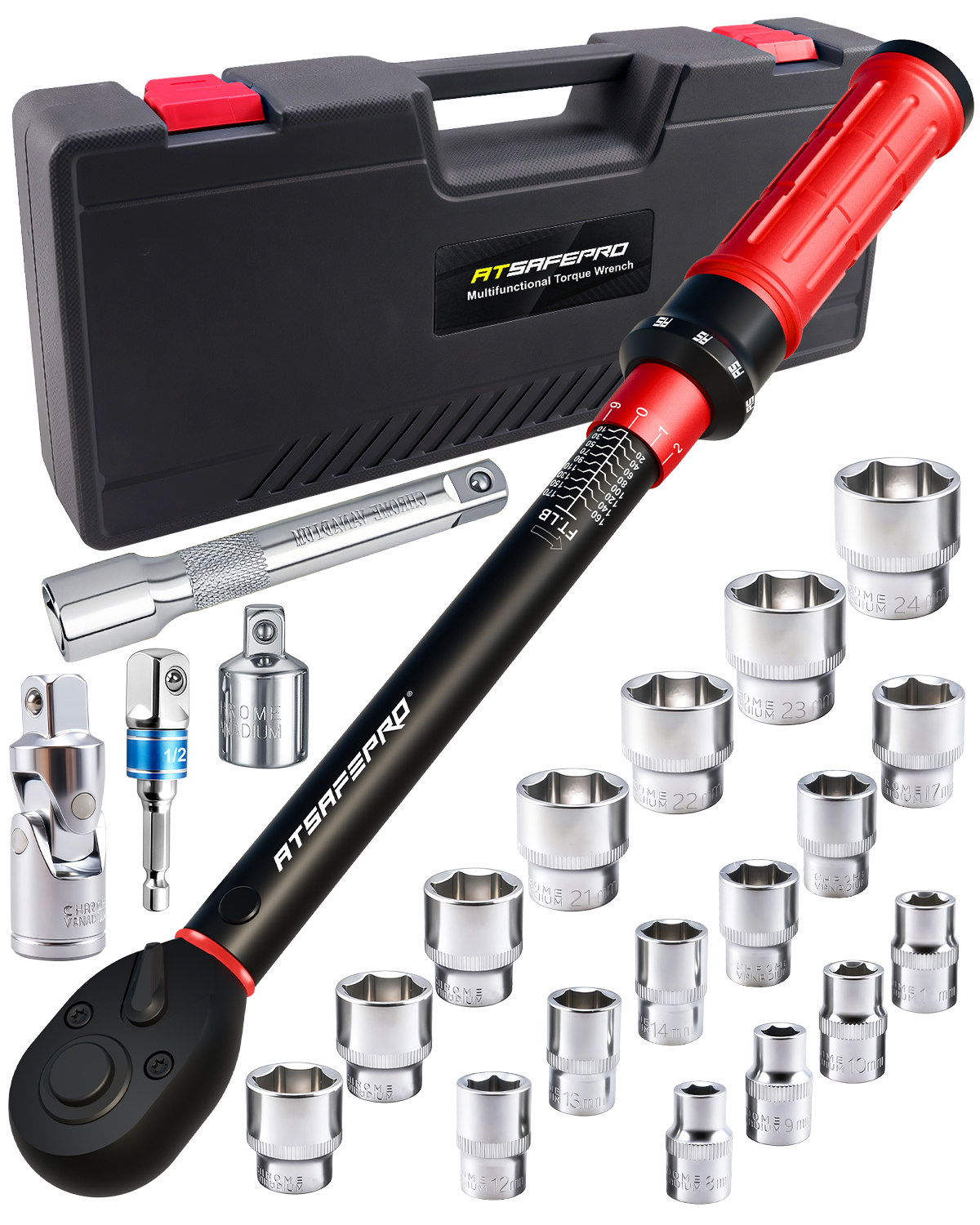
Click-Type Torque Wrench: Most common. Delivers a click when target torque is reached.
-
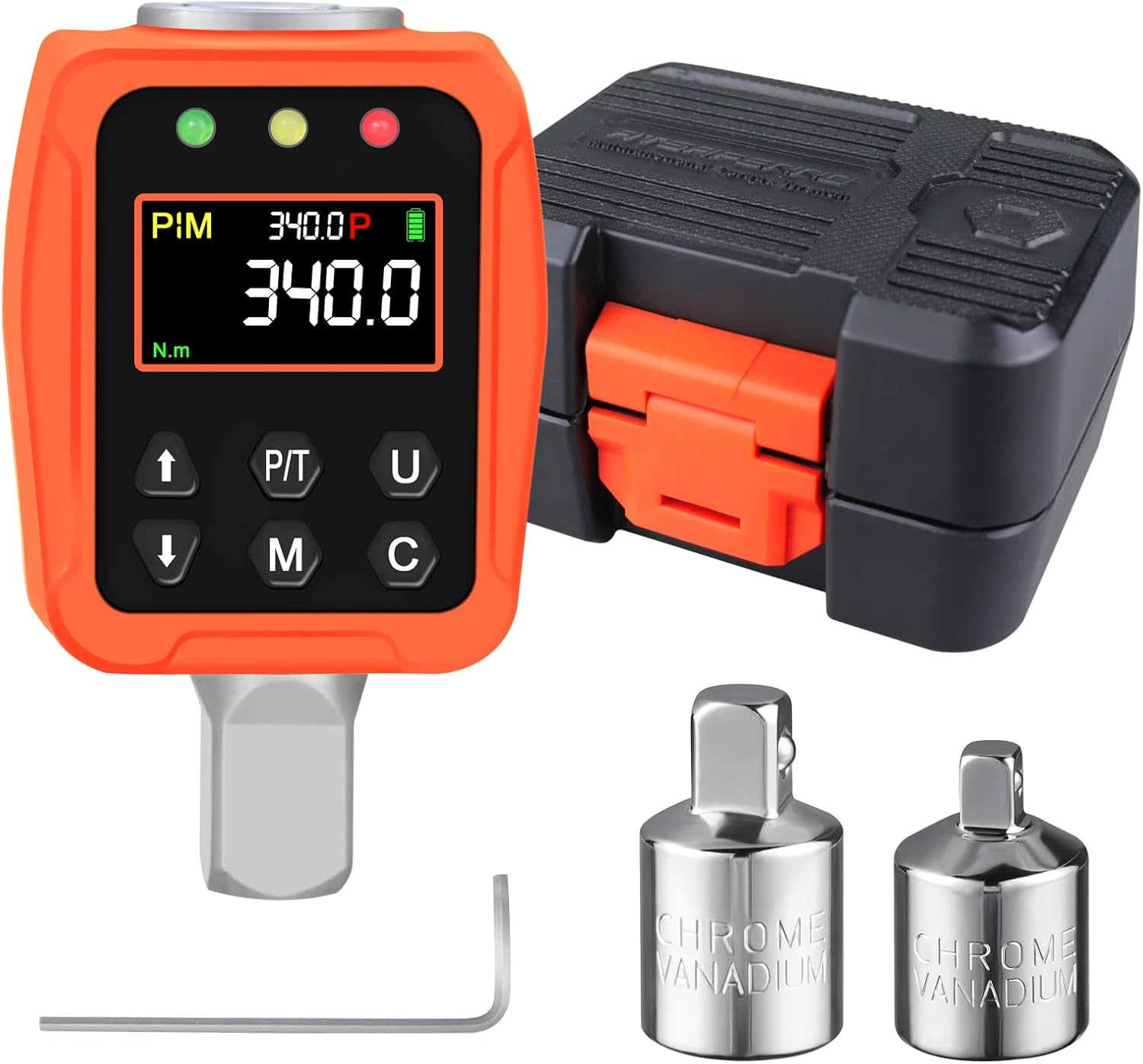
Digital Torque Wrench: Offers precise digital readouts and alert systems. Great for sensitive parts.
-
Beam Torque Wrench: Basic but reliable; great for visual learners.
-
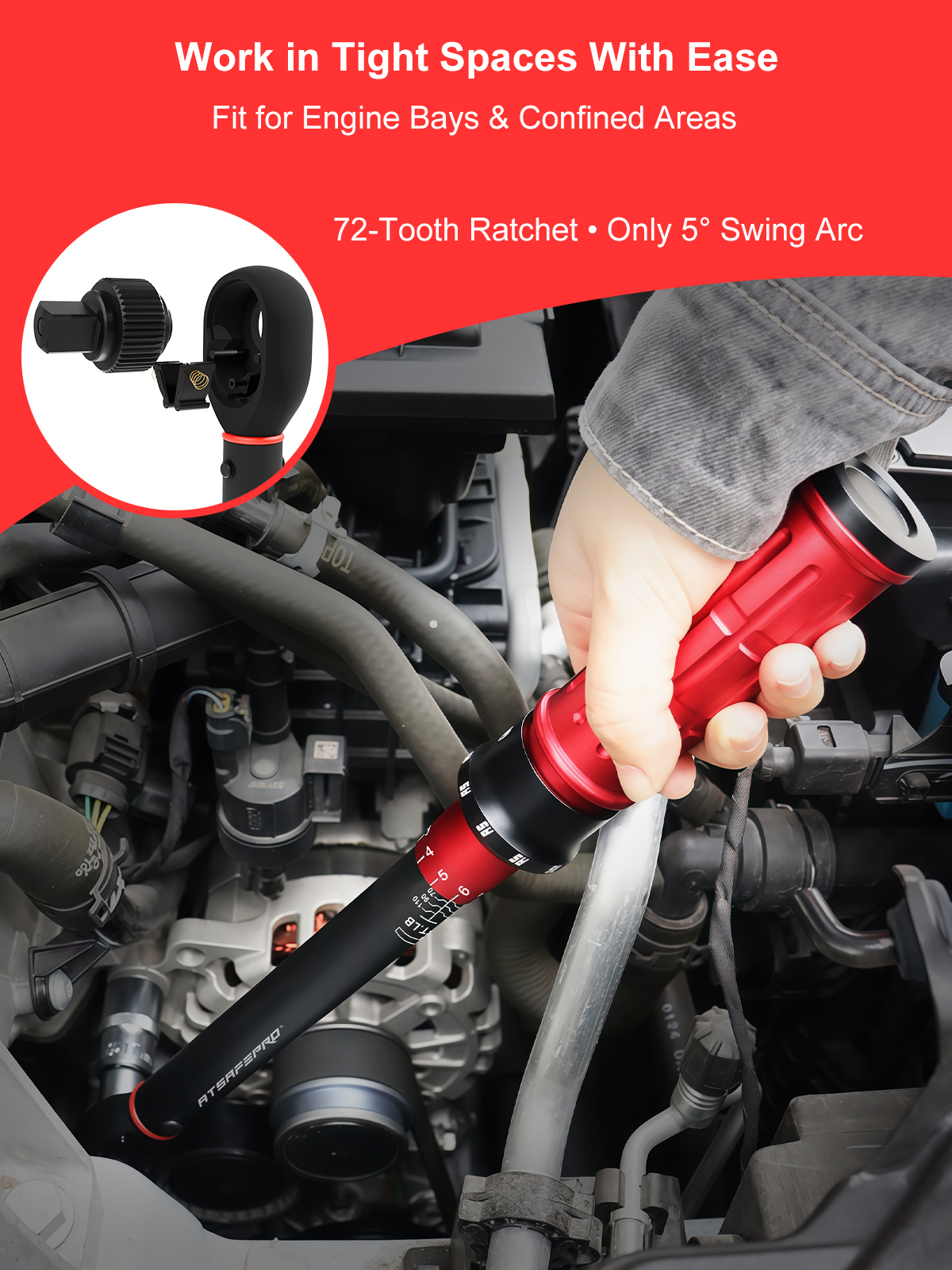
Inch Pound Torque Wrench: Used for small bolts—ideal for bikes, motorcycles, and electronics.
When to Choose a Digital Torque Wrench
Digital models are perfect for users who want clarity, precision, and memory functions. ATSAFEPRO’s digital torque wrench comes with:
-
Backlit LCD for clear readings
-
Preset torque memory
-
Buzzer and vibration alerts
-
Multiple units: ft-lb, in-lb, Nm
Perfect for engine work, suspension systems, or jobs with manufacturer-specified torque values.
Common Use Cases and Which Torque Wrench Fits Best
1. DIY Car Maintenance
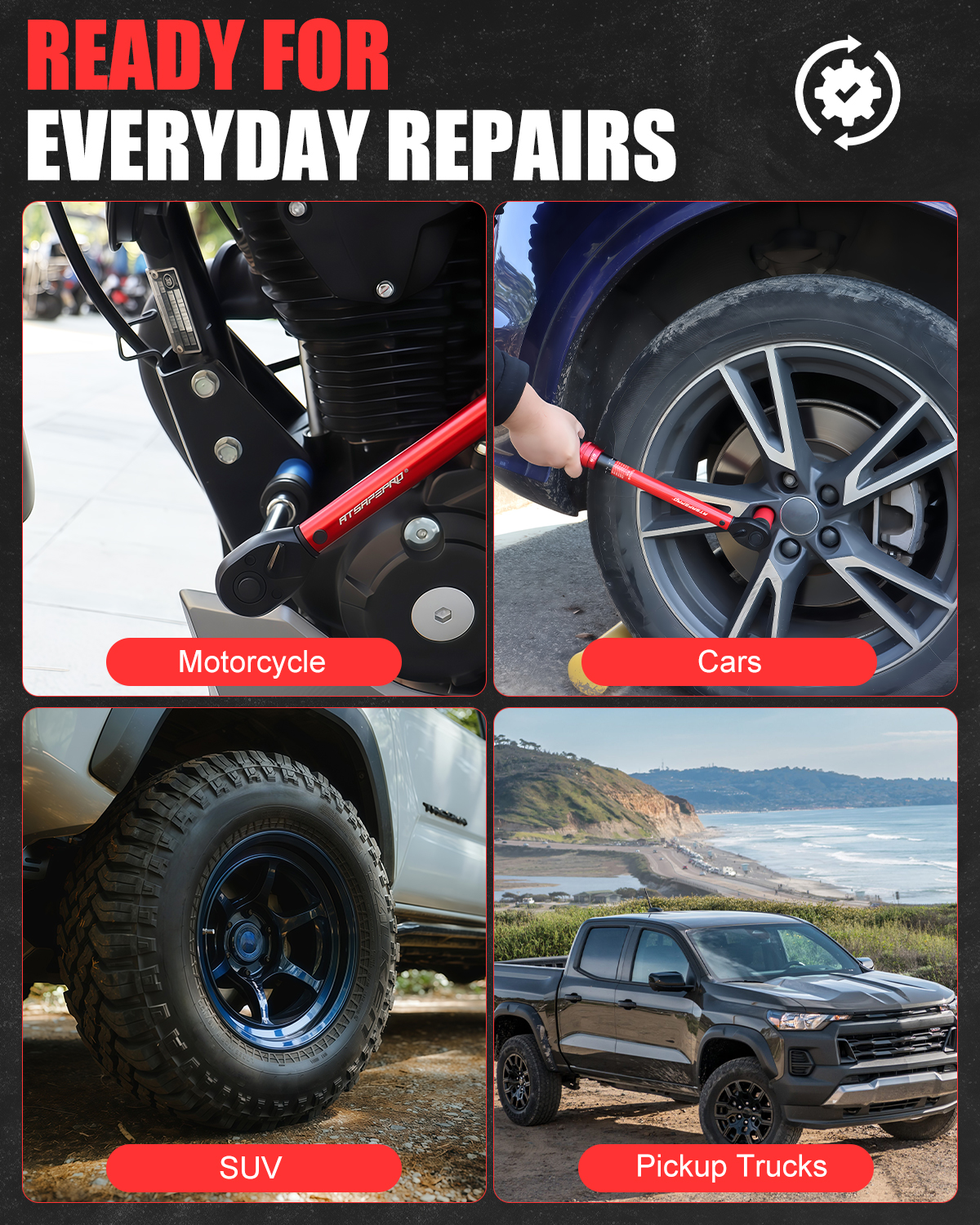
Changing your own spark plugs, wheels, or brake pads? A torque wrench 3/8 is often the best fit for socket compatibility and control. It’s compact and versatile for common car bolts.
ATSAFEPRO Pick: 3/8 Digital Torque Wrench – Range: 10–100 ft-lb, Accuracy: ±2%
2. Bike and Motorcycle Repairs
Smaller fasteners require lower torque settings, usually in inch-pounds. Using a high-range wrench can damage threads.
ATSAFEPRO Pick: Inch Pound Torque Wrench – Perfect for 20–250 in-lb torque tasks
3. Professional Garage or Fleet Work
If you're tightening hundreds of bolts per week, reliability and repeatable accuracy matter most. A snap on torque wrench style with robust build and easy reset mechanisms is ideal.
ATSAFEPRO Pick: Heavy-Duty Click Wrench – Rugged, dual-scale (Nm + ft-lb), industrial-grade
Why Choose a Torque Wrench from ATSAFEPRO
When precision matters, ATSAFEPRO delivers tools that professionals and DIY users can trust. Our torque wrenches are not only engineered for accuracy—they’re built for long-term performance and ease of use.
Here’s what makes our torque wrenches stand out:
-
Precision-Calibrated
Every wrench is factory-calibrated to ±2% accuracy and comes with a certificate, ensuring you meet manufacturer specs on every job. -
Ergonomic and Durable Design
Anti-slip handles, robust alloy construction, and smooth ratchet heads make our tools both comfortable and tough—even in greasy or tight environments. -
Clear and Simple Adjustments
Whether you choose a digital or mechanical version, our tools feature intuitive torque settings and legible dual-scale markings in ft-lb, in-lb, and Nm. -
Digital Intelligence Available
For high-precision tasks, our digital torque wrenches offer LCD screens, memory presets, and buzzer/vibration alerts—making them ideal for automotive, industrial, and bike applications. -
Wide Range of Sizes and Drives
From inch pound torque wrenches for delicate assemblies to 3/8 drive torque wrenches for common car maintenance, we cover every need.
With ATSAFEPRO, you're not just buying a tool—you’re investing in reliable performance and expert support. Whether you're searching for the best torque wrench for motorcycles, bikes, or car maintenance, we have the right fit.
Frequently Asked Questions
Q1: What size torque wrench do I need for car tires?
Most tire lugs require 80–100 ft-lb. A 3/8" or 1/2" drive torque wrench with a 20–150 ft-lb range is ideal.
Q2: Are digital torque wrenches more accurate?
Yes, most digital models provide ±2% accuracy and show real-time torque values—perfect for critical applications.
Q3: How often should I recalibrate my torque wrench?
For regular use, calibrate once per year. For professional or daily use, recalibrate every 6 months.
Get the Right Torque Every Time with ATSAFEPRO
Whether you're assembling a motorcycle engine or tightening lug nuts at home, the right torque wrench makes all the difference. ATSAFEPRO offers a full range—from digital torque wrenches to inch-pound click models—so you get performance, precision, and peace of mind.
Browse our homepage for the latest torque tool options, or contact us for tailored product advice.