ATsafepro Torque Wrench: Digital vs. Mechanical Precision Tools
When it comes to achieving precise fastening in mechanical tasks, the ATsafepro Torque Wrench stands out as a versatile solution that bridges traditional reliability with modern innovation. This tool is particularly noteworthy for professionals and DIY enthusiasts seeking accuracy without compromise. In this article, we'll explore the ATsafepro Torque Wrench by comparing and contrasting it with two key variants: the Digital Torque Wrench and the Mechanical Torque Wrench. By examining their features, usability, and performance, you'll gain insights into why the ATsafepro model might be the ideal choice for your toolkit.
Understanding the Core Features of the ATsafepro Torque Wrench
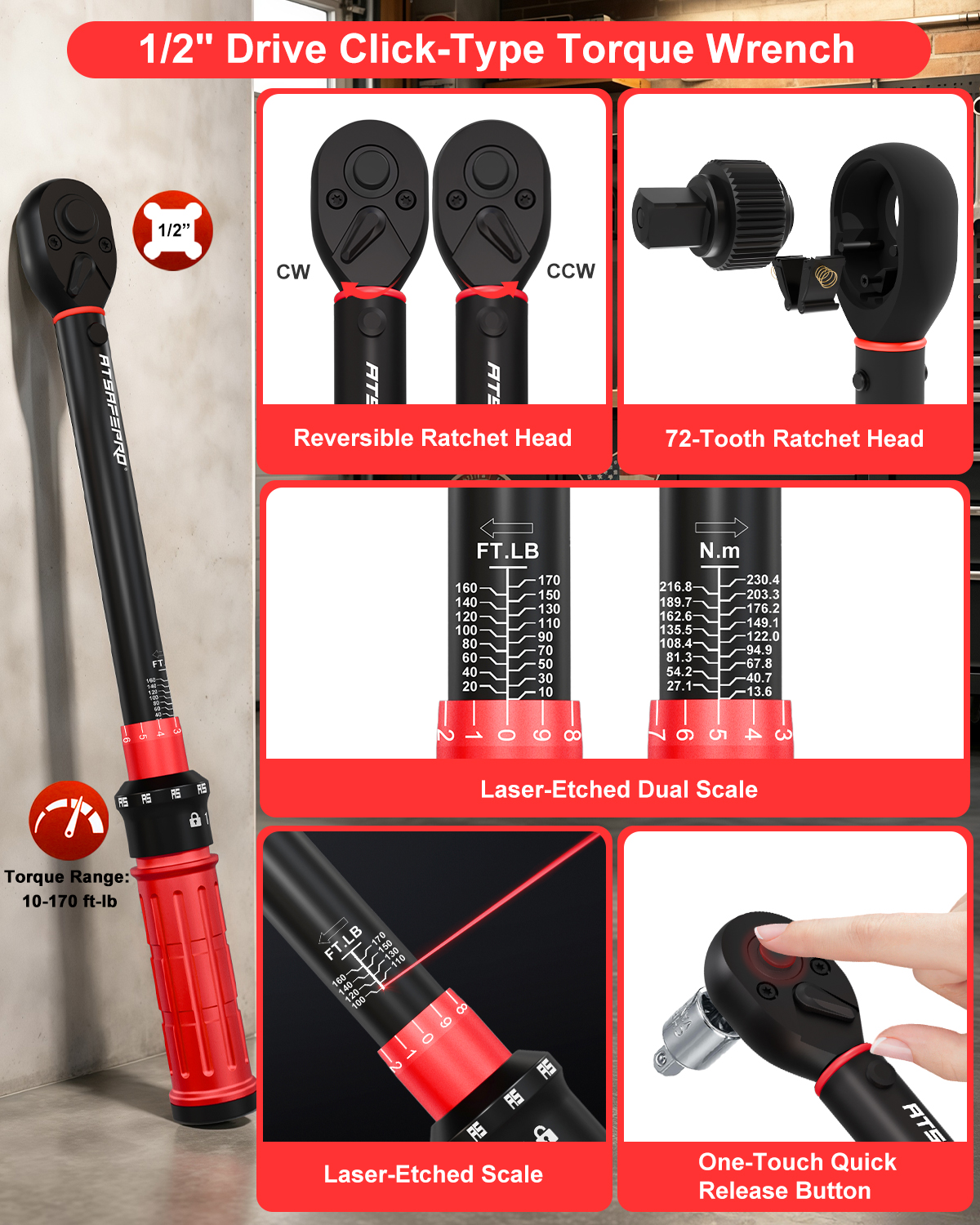
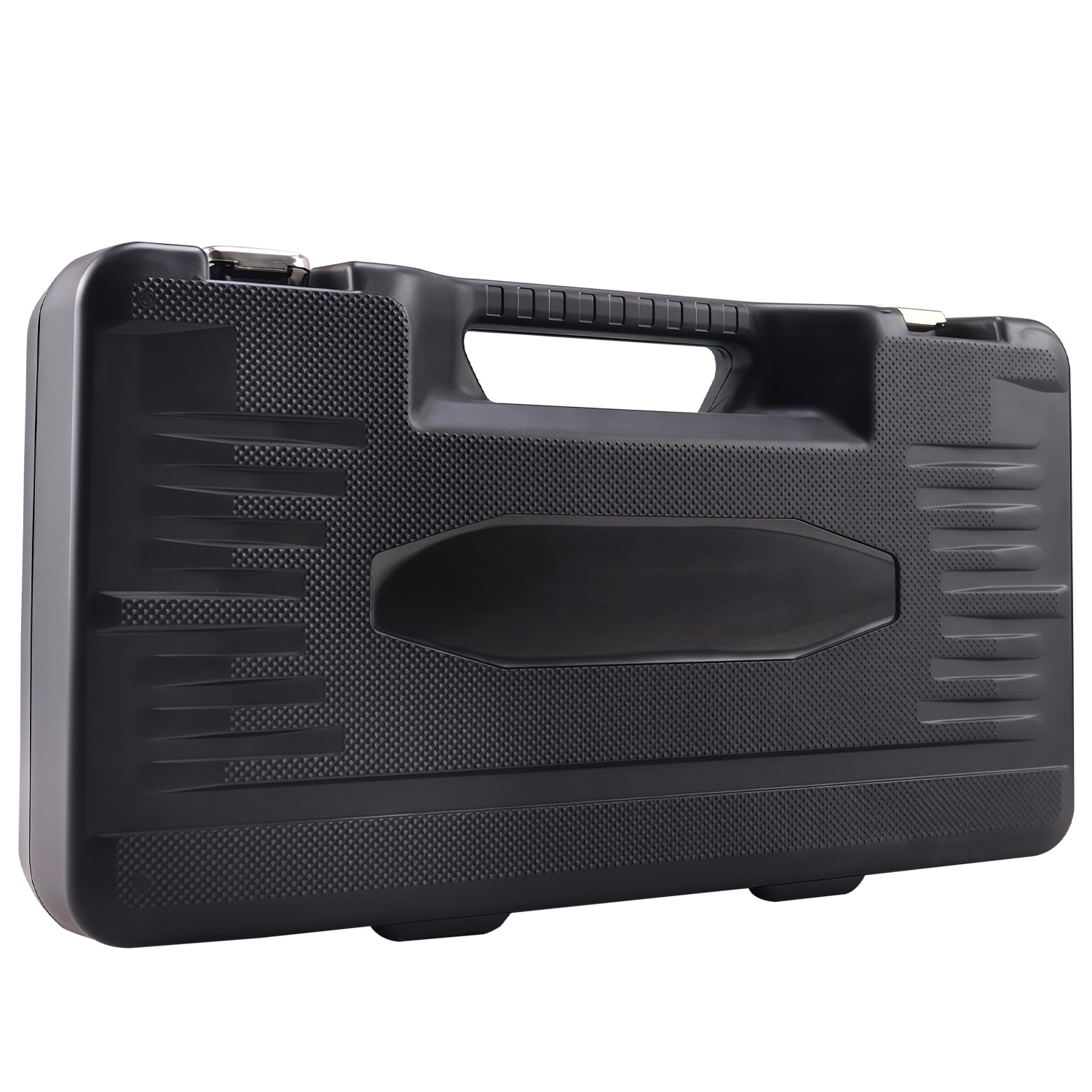
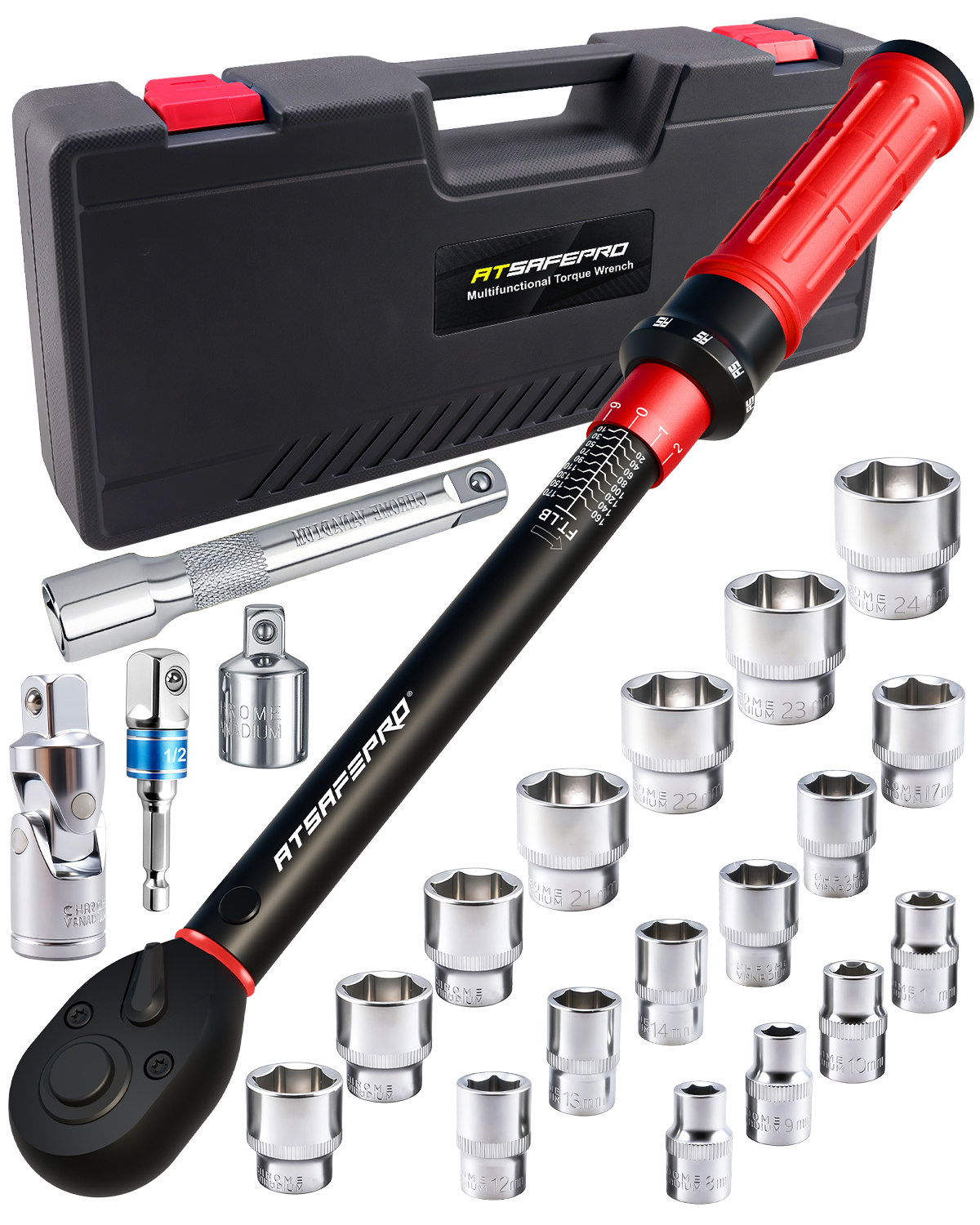
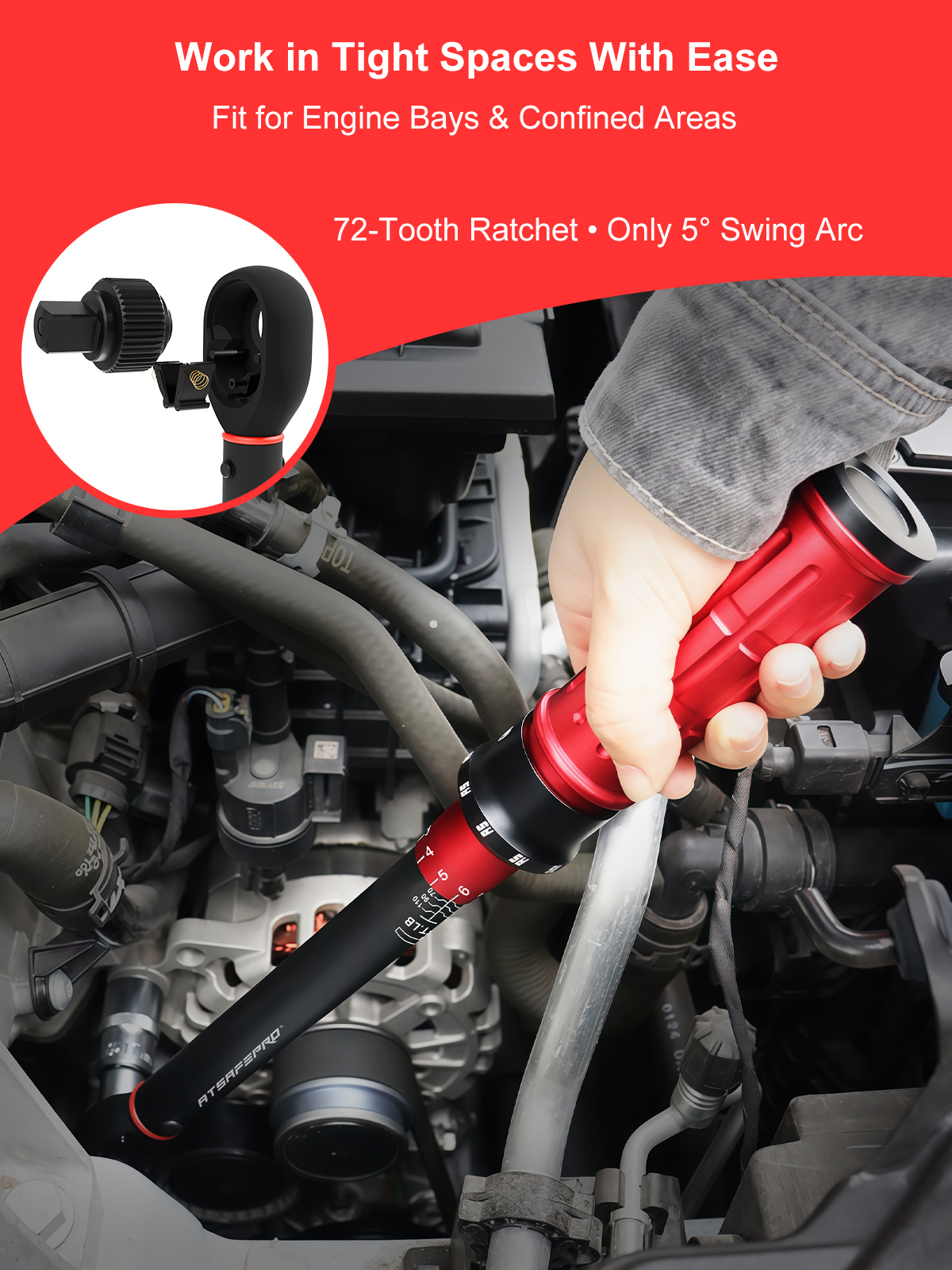
The ATsafepro Torque Wrench is engineered for precision and versatility, making it a go-to tool in various mechanical settings. Encased in a sleek, durable carrying case, it ensures easy transport and storage, complete with an Allen key for quick adjustments. Its ergonomic handle, paired with a digital display, provides clear torque readings, enhancing user confidence in sensitive applications. This robust construction promises long-lasting durability, blending functionality with a modern aesthetic. Unlike basic models, the ATsafepro Torque Wrench integrates advanced technology that allows for customizable settings, setting it apart in everyday use. Professionals appreciate its balance of power and finesse, while hobbyists find it approachable for home projects.
Comparing the Digital Torque Wrench: Innovation Meets Accuracy
A Digital Torque Wrench, like the advanced iteration found in the ATsafepro Torque Wrench, represents the pinnacle of modern tool technology. These devices feature LCD screens that display real-time torque values, often with audible alerts and data logging capabilities. The ATsafepro Torque Wrench exemplifies this by offering precise measurements up to 0.1 Nm increments, far surpassing the guesswork involved in older tools. In contrast to purely mechanical options, digital models reduce human error through automated calibration and memory functions, which store multiple torque presets for efficiency. However, digital torque wrenches can be more susceptible to battery life issues or electronic failures in harsh environments. The ATsafepro mitigates this with a reliable power system and rugged housing, making it more resilient than standard digital counterparts. Users report that the immediate feedback from the display speeds up workflows, especially in assembly lines or automotive repairs, where consistency is paramount. Yet, the higher initial cost of digital features might deter budget-conscious buyers, though the long-term precision justifies the investment.
Contrasting the Mechanical Torque Wrench: Simplicity and Dependability
On the other hand, the Mechanical Torque Wrench relies on time-tested analog mechanisms, such as click or beam styles, to indicate when the desired torque is reached. These tools are celebrated for their simplicity—no batteries or screens to fail—making them ideal for fieldwork in dusty or wet conditions where electronics might falter. The ATsafepro Torque Wrench, while incorporating digital elements, draws inspiration from mechanical designs in its sturdy build and adjustable scales, ensuring it doesn't sacrifice durability for tech. A key contrast lies in user interaction: mechanical wrenches provide tactile feedback through a 'click' or visual scale, which some seasoned mechanics prefer for its straightforwardness. However, they lack the precision of digital readings, often accurate only to within 4-6% compared to the 2% or better in digital models like the ATsafepro. Maintenance is another point of difference; mechanical tools require periodic calibration via physical adjustments, whereas the ATsafepro's digital interface simplifies this process. For heavy-duty tasks, like bolting large machinery, mechanical wrenches offer unyielding reliability, but they fall short in versatility for intricate jobs demanding exact data.
Performance Head-to-Head: ATsafepro Torque Wrench in Action
Delving deeper into a direct comparison, the ATsafepro Torque Wrench shines by combining the best of both worlds. In precision tests, its digital display outperforms mechanical wrenches by delivering instantaneous, error-free readings, crucial for applications like aerospace or bicycle assembly where overtightening can cause damage. For instance, while a Mechanical Torque Wrench might require manual verification to avoid under- or over-torquing, the ATsafepro's alerts prevent such mishaps, potentially saving time and materials. Conversely, in low-light or glove-wearing scenarios, mechanical tools' physical indicators might edge out digital visibility issues, though the ATsafepro's backlit screen counters this effectively. Durability-wise, both mechanical and the ATsafepro handle rough use well, but digital components in lesser models could degrade faster; the ATsafepro's reinforced casing ensures parity. User ergonomics also favor the ATsafepro, with its comfortable grip reducing fatigue during prolonged sessions—something mechanical wrenches, often bulkier, struggle with. In terms of versatility, the ATsafepro Torque Wrench adapts via interchangeable heads and torque ranges from 10-200 Nm, outpacing the fixed setups common in mechanical designs and even some basic Digital Torque Wrenches.
Cost and Value Analysis: Investing in the Right Tool
From a financial perspective, Mechanical Torque Wrenches are typically more affordable upfront, starting at around $50, appealing to entry-level users or those on tight budgets. Digital Torque Wrenches, including the ATsafepro model, command a premium—often $150 or more—due to integrated tech, but they offer superior return on investment through enhanced accuracy that minimizes rework. The ATsafepro Torque Wrench justifies its price with included accessories like the carrying case and Allen key, adding convenience not always found in mechanical kits. Longevity is comparable, with both types lasting years under proper care, but digital logging in the ATsafepro aids compliance in regulated industries, a feature mechanical tools can't match. For DIYers, a Mechanical Torque Wrench might suffice for basic home repairs, yet professionals in automotive or construction will find the ATsafepro's precision indispensable, reducing liability from faulty fastenings. Ultimately, while mechanical options provide no-frills dependability, the ATsafepro Torque Wrench's blend of digital innovation and mechanical robustness delivers unmatched value for demanding tasks.
Choosing Between Digital, Mechanical, and the ATsafepro Hybrid
In conclusion, selecting between a Digital Torque Wrench, Mechanical Torque Wrench, and the multifaceted ATsafepro Torque Wrench depends on your specific needs. Mechanical models excel in simplicity and cost-effectiveness for rugged, low-tech environments, offering reliable performance without electronic dependencies. Digital variants, as embodied by the ATsafepro, elevate accuracy and efficiency with tech-driven features, ideal for precision-oriented work. The ATsafepro Torque Wrench uniquely contrasts by integrating digital precision with mechanical durability, providing a versatile tool that adapts to diverse scenarios—from garage tinkering to industrial applications. Its ergonomic design, clear display, and portable case make it a standout, ensuring users achieve professional results effortlessly. Whether you're upgrading your toolkit or starting fresh, the ATsafepro Torque Wrench represents a smart evolution, balancing the strengths of both categories while minimizing their weaknesses. Consider your workflow's demands, and you'll see why this tool sets a new benchmark in torque application.
(Word count: 1024)