GODESON Mastering 32nds Tire Tread Depth for Road Safety

  • blog
Posted by ATSAFEPRO On Jul 11 2025

Ensuring your vehicle is safe for the road involves several routine checks, but one of the most critical is monitoring your tire condition. A key aspect of this is understanding and measuring your tire's tread in 32nds of an inch. Knowing the precise 32nds tire tread depth can be the difference between a safe stop and a dangerous skid, especially in adverse weather conditions. This guide will walk you through how to use a simple tool to check your tires and understand what the measurements mean for your safety.

Why Tire Tread is Non-Negotiable


Tire tread refers to the pattern of grooves on your tire's surface. These grooves are not just for looks; they are engineered to channel water, slush, and snow away from the contact patch between the tire and the road. This action is crucial for maintaining grip and preventing hydroplaning, a dangerous situation where your tires lose contact with the road surface in wet conditions. As your tires wear down, the depth of these grooves decreases, reducing their ability to disperse water. This leads to longer braking distances and less control, making worn tires a significant safety hazard.

Getting to Know the Automotive Tread Depth Gauge


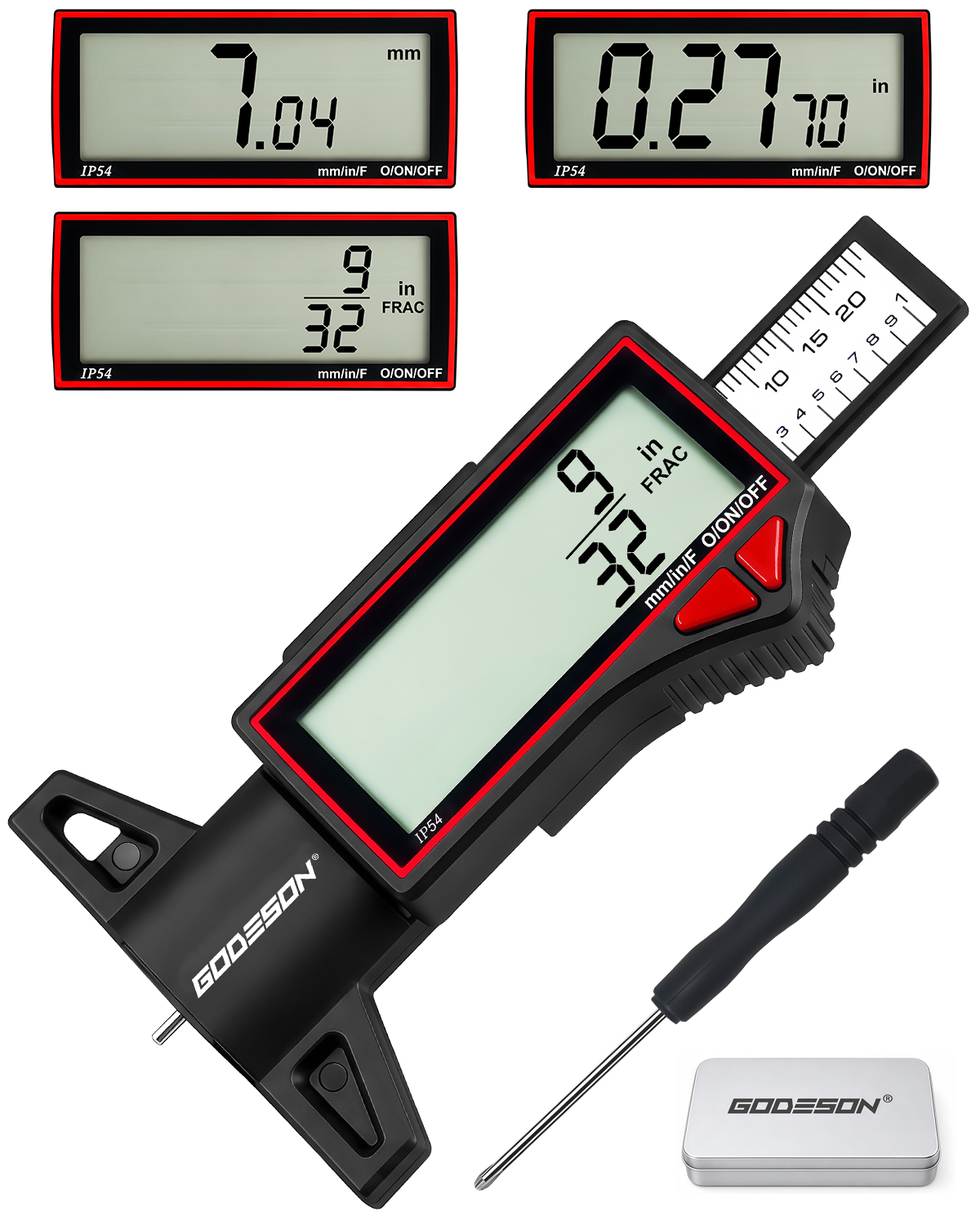
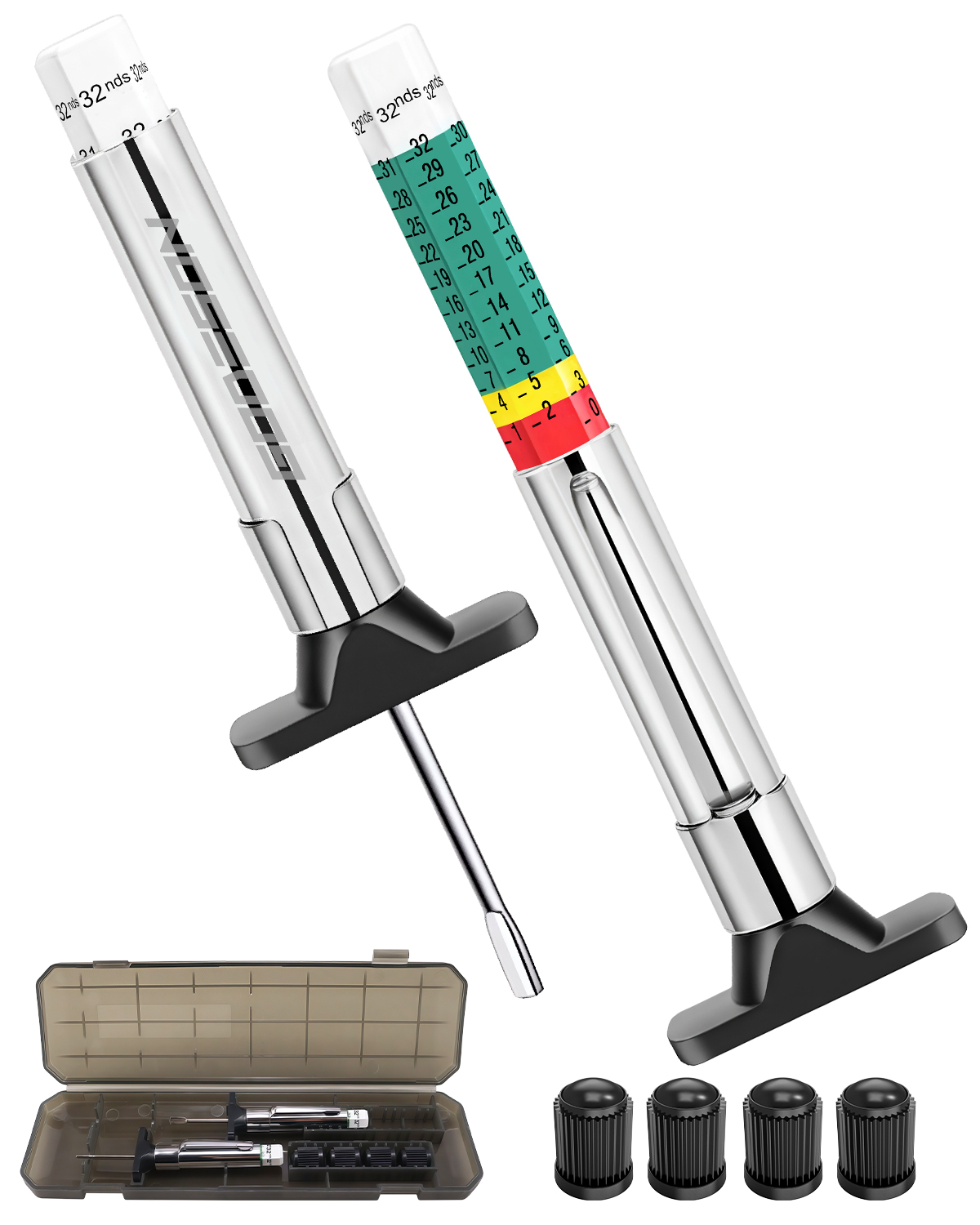
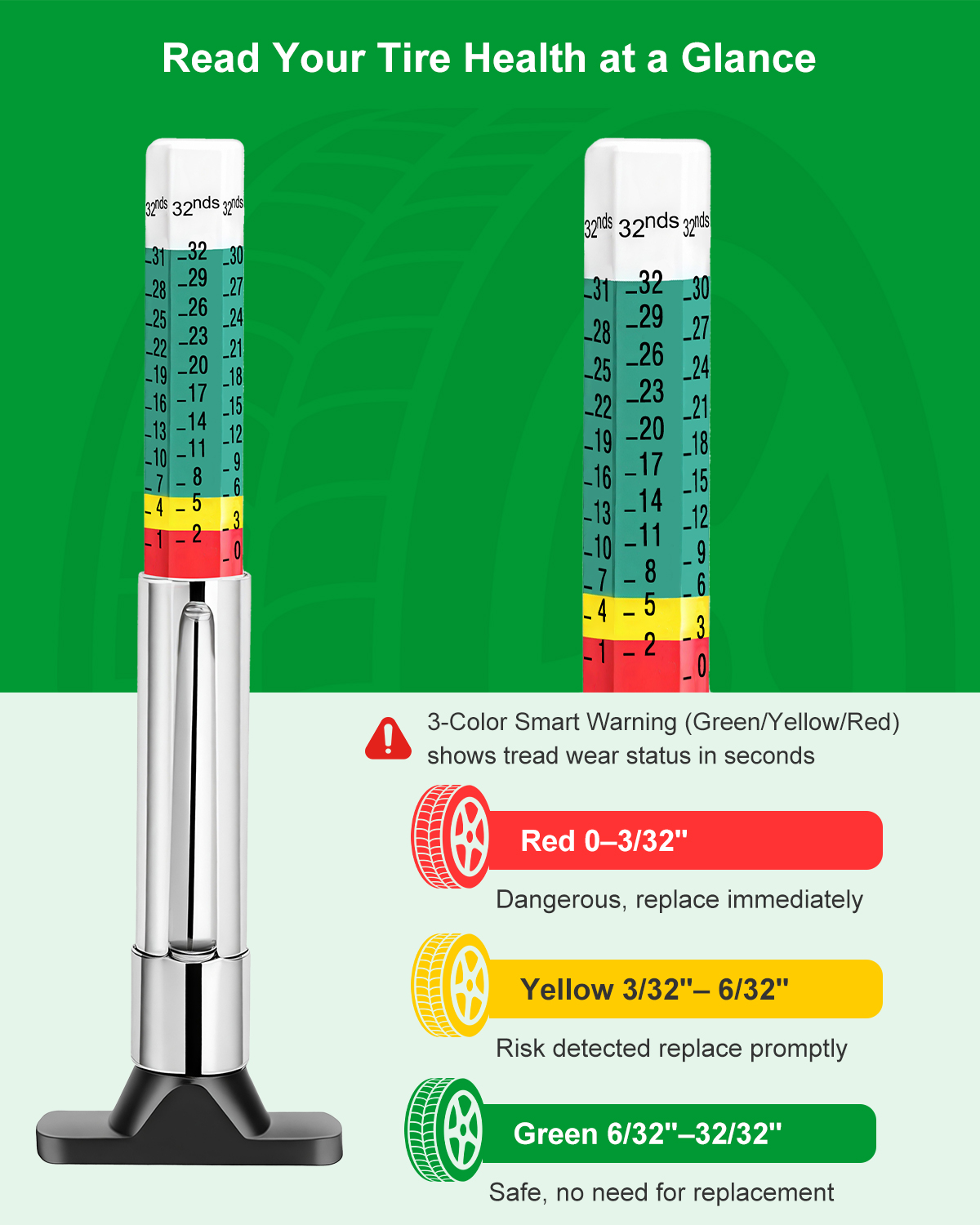
To accurately measure your tire tread, you need an automotive tread depth gauge. This small, affordable tool is incredibly easy to use and provides precise readings. Most gauges are designed with a narrow probe that extends from a solid base. As you press the base firmly against the tire's tread blocks, the probe goes into the groove, and the tool shows you the exact depth. Many modern gauges simplify this further with a color-coded system: green for safe, yellow for caution, and red for immediate replacement. It's an indispensable gadget for any responsible car owner.

A Step-by-Step Guide to Measuring Your Tires


Checking your tires is a quick process that anyone can do. Start by parking your car on a level surface. Take your tire tread depth gauge and press its flat base across the raised rubber part of your tire's tread. Push the sliding probe down until it makes contact with the bottom of the tread groove. Without moving the probe, lift the gauge and read the measurement. It's vital to check your tires in multiple locations. Measure the tread depth in the inner, center, and outer grooves. Uneven wear could indicate an alignment or inflation issue that also needs to be addressed.

Decoding the Measurements: What the Colors and Numbers Mean


Understanding the readings from your tire tread depth gauge is straightforward. Most new passenger car tires start with a tread depth of 10/32nds or 11/32nds of an inch. The color codes generally correspond to these measurements: Green (6/32" - 32/32"): Your tires are in good shape with plenty of life left. Yellow (3/32" - 5/32"): This is a warning zone. Your tires are wearing down, and you should start planning to buy replacements soon. Red (0/32" - 2/32"): This indicates a dangerous level of wear. The legal minimum tread depth in most states is 2/32". If your tires are in the red, they need to be replaced immediately for your safety.

Make It a Routine for Lasting Safety


Regularly checking your 32nds tire tread depth should be a staple in your vehicle maintenance schedule. A quick check once a month and before any long road trips can help you catch wear before it becomes a critical safety issue. By investing a few minutes with an automotive tread depth gauge, you empower yourself with the knowledge to maintain your vehicle's performance, maximize the life of your tires, and, most importantly, protect yourself and others on the road.
Featured Blogs

Tag:

  • Blog
Share On
Featured Blogs
GODESON Digital Caliper: A Practical Guide for Shop Floor Measurement

GODESON Digital Caliper: A Practical Guide for Shop Floor Measurement

1. Why a digital caliper still matters on a busy shop floor 2. What the visible design tells a buyer at a glance 3. Six places where this kind of caliper earns its keep 4. Features buyers should notice before comparing price alone 5. Quick buyer checklist for sourcing teams 6. Common mistakes when buying or using a digital caliper 7. How the GODESON Digital Caliper fits into a practical tool lineup 8. FAQ buyers usually ask 9. What to do next if you are evaluating one for purchase

GODESON Digital Caliper: What Buyers Should Know Before Choosing One

GODESON Digital Caliper: What Buyers Should Know Before Choosing One

1. GODESON Digital Caliper: What Buyers Should Know Before Choosing One for the Shop 2. What this caliper is trying to solve 3. Quick takeaways for sourcing and shop use 4. Why stainless steel and IP54 matter more than they sound 5. How a digital caliper helps in day-to-day measurement 6. Selection criteria buyers should use 7. Common mistakes when buying a workshop caliper 8. FAQs about the GODESON Digital Caliper 9. Buyer advice before you place an order 10. Next step for buyers

GODESON Digital Caliper: What to Know Before Buying

GODESON Digital Caliper: What to Know Before Buying

1. Why a digital caliper choice matters more than it looks 2. What this type of caliper is designed to do 3. Where the stainless steel build helps 4. Key features buyers can evaluate quickly 5. Where IP54 really helps, and where it does not 6. How to decide whether this style fits your operation 7. Common buyer mistakes with digital calipers 8. Practical buying advice for engineering and sourcing teams 9. What to verify before purchase 10. FAQ 11. A sensible next step for buyers

GODESON Tire Tread Depth Gauge: What It Does and Why It Matters

GODESON Tire Tread Depth Gauge: What It Does and Why It Matters

1. Why a tread depth gauge still matters when the tire looks “fine” 2. What the kit includes and what stands out 3. How a digital tread depth gauge helps the buyer make a decision 4. Key technical traits to look at before buying 5. Where this kind of gauge fits in real operations 6. Common buying mistakes with tread depth gauges 7. Practical advice for shops and fleet buyers 8. FAQ for first-time buyers 9. What a buyer should verify before placing an order 10. Next step for sourcing or shop evaluation

GODESON Tire Tread Depth Gauge: Digital Readings for Safer Tire Checks

GODESON Tire Tread Depth Gauge: Digital Readings for Safer Tire Checks

1. Why a tire tread depth gauge matters before wear becomes a problem 2. What this type of digital gauge is built to do 3. Quick reference: what buyers should notice first 4. How digital tread measurement fits into real workshop work 5. Material and construction cues that affect day-to-day use 6. What the included accessories tell you 7. Selection criteria for sourcing managers and repair teams 8. Common mistakes when using a tread depth gauge 9. Practical buyer advice for workshops and fleets 10. Who this tool is best suited for 11. FAQ 12. Next step for buyers

GODESON Tire Tread Depth Gauge: What Buyers Should Know

GODESON Tire Tread Depth Gauge: What Buyers Should Know

1. Why tread depth measurement deserves more attention than most shops give it 2. What this digital gauge is designed to do 3. What the numbers mean in real use 4. Where a digital tire tread gauge fits into maintenance workflows 5. Build and packaging details that signal everyday usability 6. Selection criteria buyers should actually care about 7. Common mistakes when using a tread depth gauge 8. Who this type of tool makes sense for 9. Buyer-facing takeaways before ordering 10. FAQ 11. Next step for buyers