What Should I Know About the GODESON Tire Pressure Gauge?
When it comes to vehicle maintenance, few tools are as crucial yet as frequently overlooked as a reliable tire pressure gauge. Proper tire inflation is essential for your safety, your vehicle's fuel efficiency, and the longevity of your tires. For those seeking a professional-grade tool that combines precision, durability, and elegant design, the GODESON tire pressure gauge is an outstanding choice. This tool isn't just about getting a reading; it's about providing a consistent, accurate measurement every time, thanks to its robust construction and thoughtful engineering. Whether you're a daily commuter, a road trip enthusiast, or a professional mechanic, understanding the features of this gauge will help you see why it's a necessary addition to any glove box or toolbox. It represents a commitment to quality maintenance that pays dividends in both performance and peace of mind on the road.
How Does the Dual Head Design Work and Why Is It Useful?
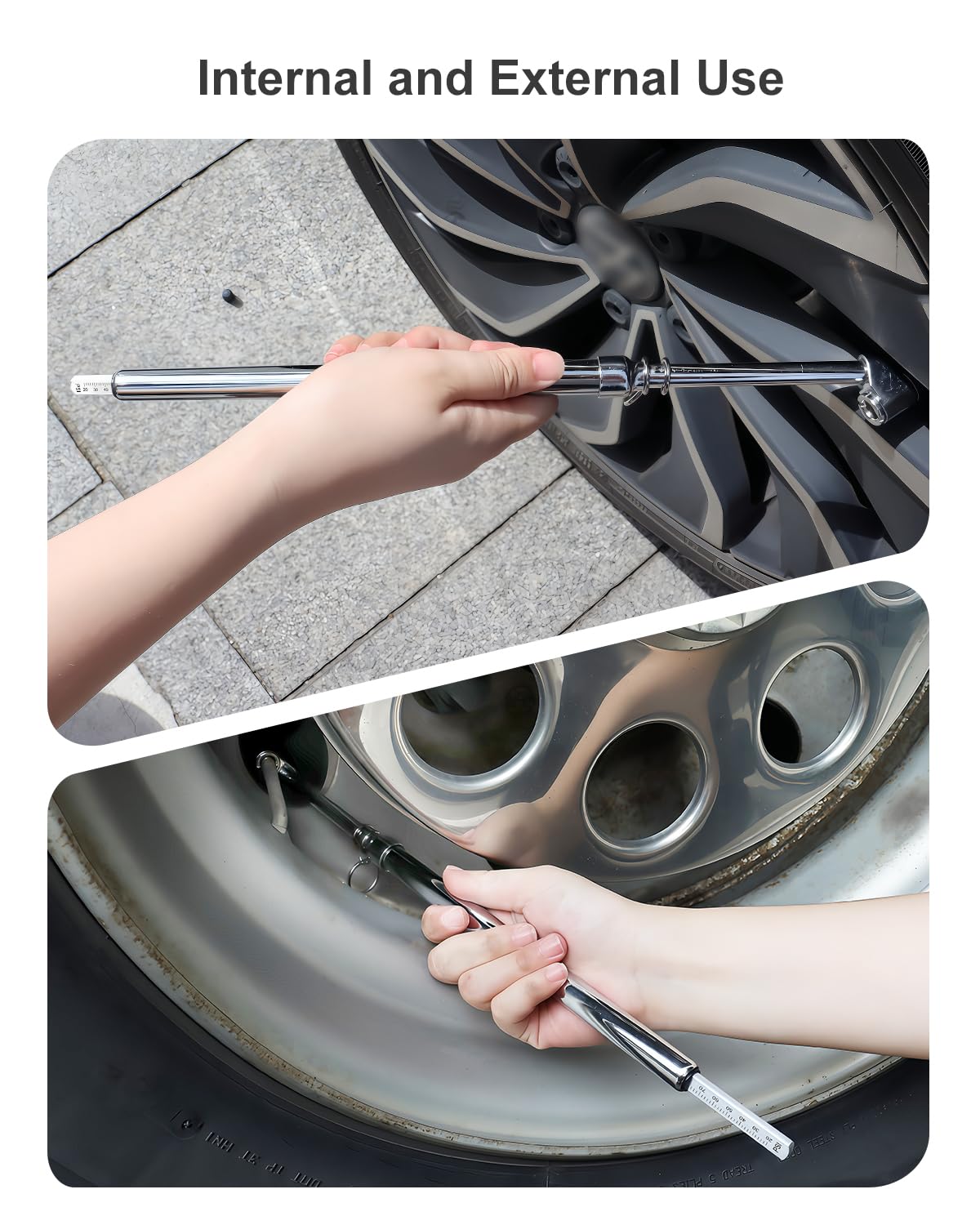
The most prominent feature of this particular model is its dual head design, which offers incredible versatility. The design features two nozzle tips facing in opposite directions, commonly referred to as a 'push-pull' chuck. This is exceptionally useful for accessing tire valves that are in awkward or hard-to-reach positions. For example, on large trucks with dual rear wheels (duallies), the inner wheel's valve stem often faces inwards, making it nearly impossible to reach with a standard single-head gauge. The dual head allows you to simply use the 'push' side for the outer wheel and the 'pull' side for the inner wheel without contorting your hand or wrist. Furthermore, the head on the GODESON gauge rotates, adding another layer of accessibility for valve stems that are positioned at challenging angles on any vehicle, from motorcycles to RVs.
Can You Provide a GODESON Gauge Review Based on its Build Quality?
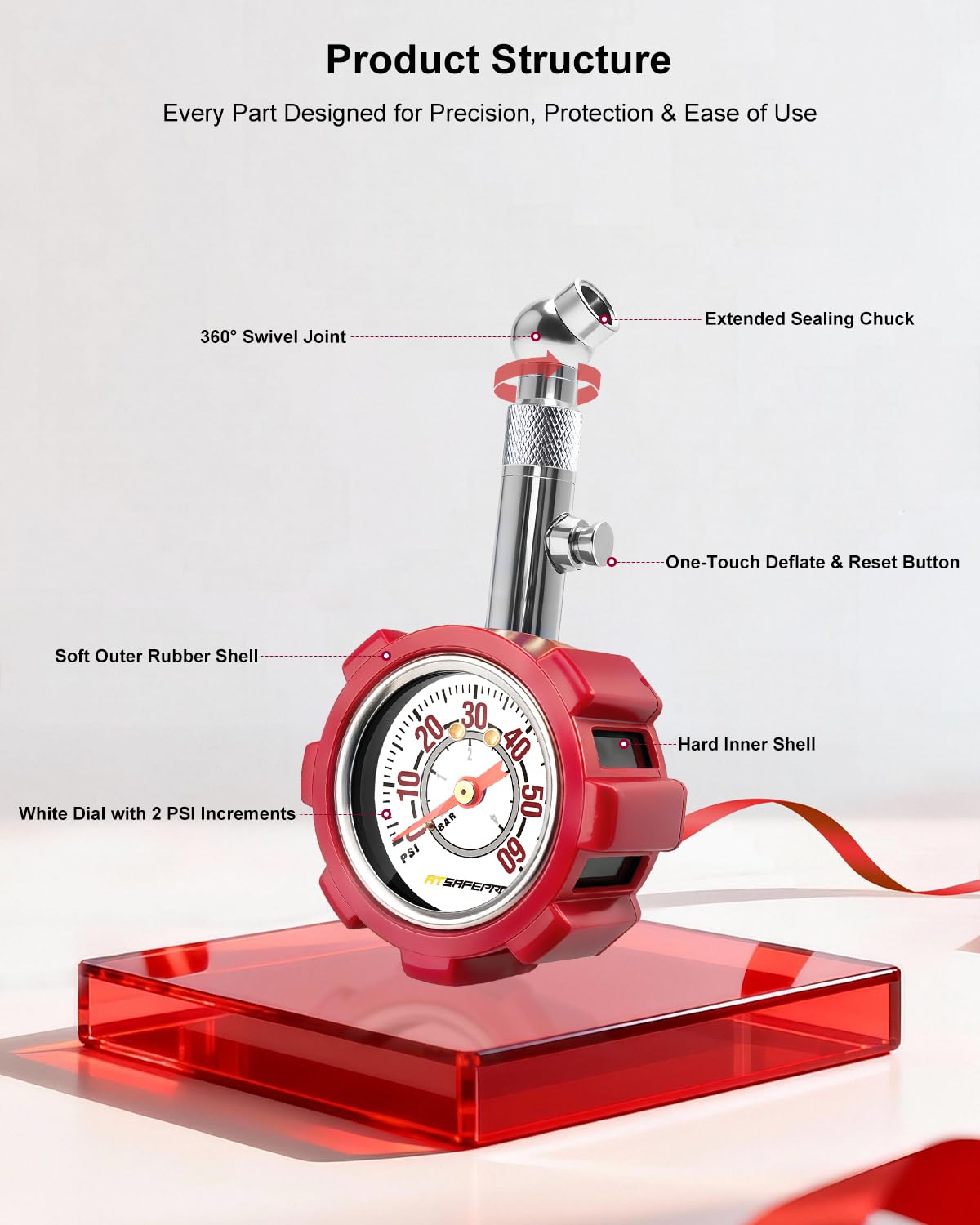
Certainly. A thorough GODESON gauge review must focus on its exceptional construction. The first thing you'll notice is the chic, metallic chrome finish. This isn't just for looks; the chrome plating provides excellent corrosion resistance, protecting the tool from moisture, grease, and other elements commonly found in a garage environment. The body of the gauge is made with elaborate metallic workmanship that results in a non-slip, textured surface, ensuring a firm grip even if your hands are greasy. Unlike cheaper gauges with painted-on markings that can wear off, this model features a scale that is permanently etched directly onto the side of the tool for clear, long-lasting visibility. Inside, an expertly calibrated spring mechanism ensures accuracy and reliability, providing consistent readings you can trust. Despite its robust and solid feel, the tool is surprisingly lightweight, making it perfectly portable. Every element, from the textured nozzle to the smooth action of the slide, speaks to a high level of quality control and a design built for longevity.
What Types of Vehicles is this Gauge Suited For?
This gauge is designed to be a universally practical tool for a vast range of vehicles. With a maximum pressure reading capability of up to 150 PSI (pounds per square inch), it far exceeds the requirements for standard passenger cars, which typically operate between 30-40 PSI. This high range makes it perfectly suitable for trucks, SUVs, RVs, and trailers, which often require much higher tire pressures. The durable construction can handle the rigors of heavy-duty use, while the dual head design provides the accessibility needed for larger vehicle wheel configurations. Essentially, if you own multiple vehicles, from a sedan to a heavy-duty pickup, this single tool can service them all, eliminating the need for separate gauges for different applications.
Why Should I Choose This Manual Gauge Over a Digital One?
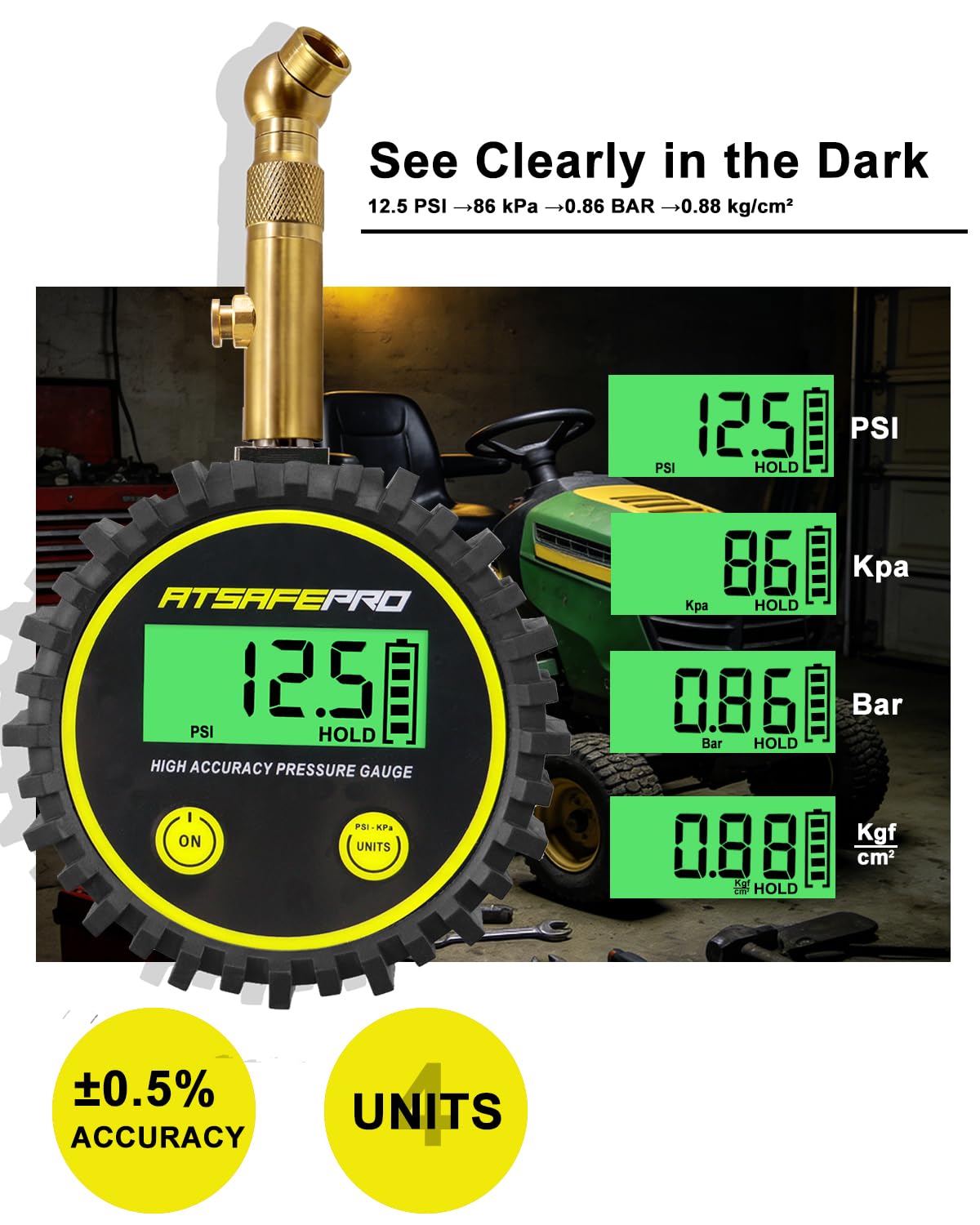
While digital gauges have their place, mechanical or 'pencil' style gauges like this one offer distinct advantages. The most significant benefit is reliability. This gauge requires no batteries, meaning it's ready to work whenever you are, without the risk of being powerless when you need it most. It is also less susceptible to damage from extreme temperatures, humidity, or the occasional drop, making it more durable for long-term use in a garage setting. Many professional mechanics prefer the tactile feedback and simplicity of a manual gauge. The reading is straightforward and not subject to electronic errors or screen failures. This particular model embodies the best of manual design, offering an elegantly simple yet highly accurate instrument for proactive vehicle care.
What Does this Tool Say About GODESON Products in General?
The quality and thoughtful design of this tire pressure gauge serve as a strong indicator of the standards upheld across all GODESON products. The brand demonstrates a clear focus on combining functionality with superior materials and engineering. The attention to detail—from the corrosion-resistant finish to the permanently etched scale and ergonomic grip—suggests a company philosophy centered on creating durable, user-friendly tools that professionals and enthusiasts can rely on. When you invest in GODESON products, you are likely choosing equipment that has been designed for longevity and performance, rather than disposability. This commitment to quality builds confidence in the brand as a whole, making it a name to look for when seeking other automotive tools and accessories.