Why a digital caliper still matters in a shop full of gauges
A GODESON Digital Caliper sits in that useful middle ground between a basic rule and a more specialized inspection instrument. For many engineers, machinists, and maintenance teams, that is exactly where the daily measuring work happens: checking an outside diameter, verifying a slot width, confirming a depth, or making sure a replacement part is actually the size the drawing says it should be. The appeal is not complicated. You get direct digital reading, a metal body, and a tool that can move from bench work to garage work without much drama.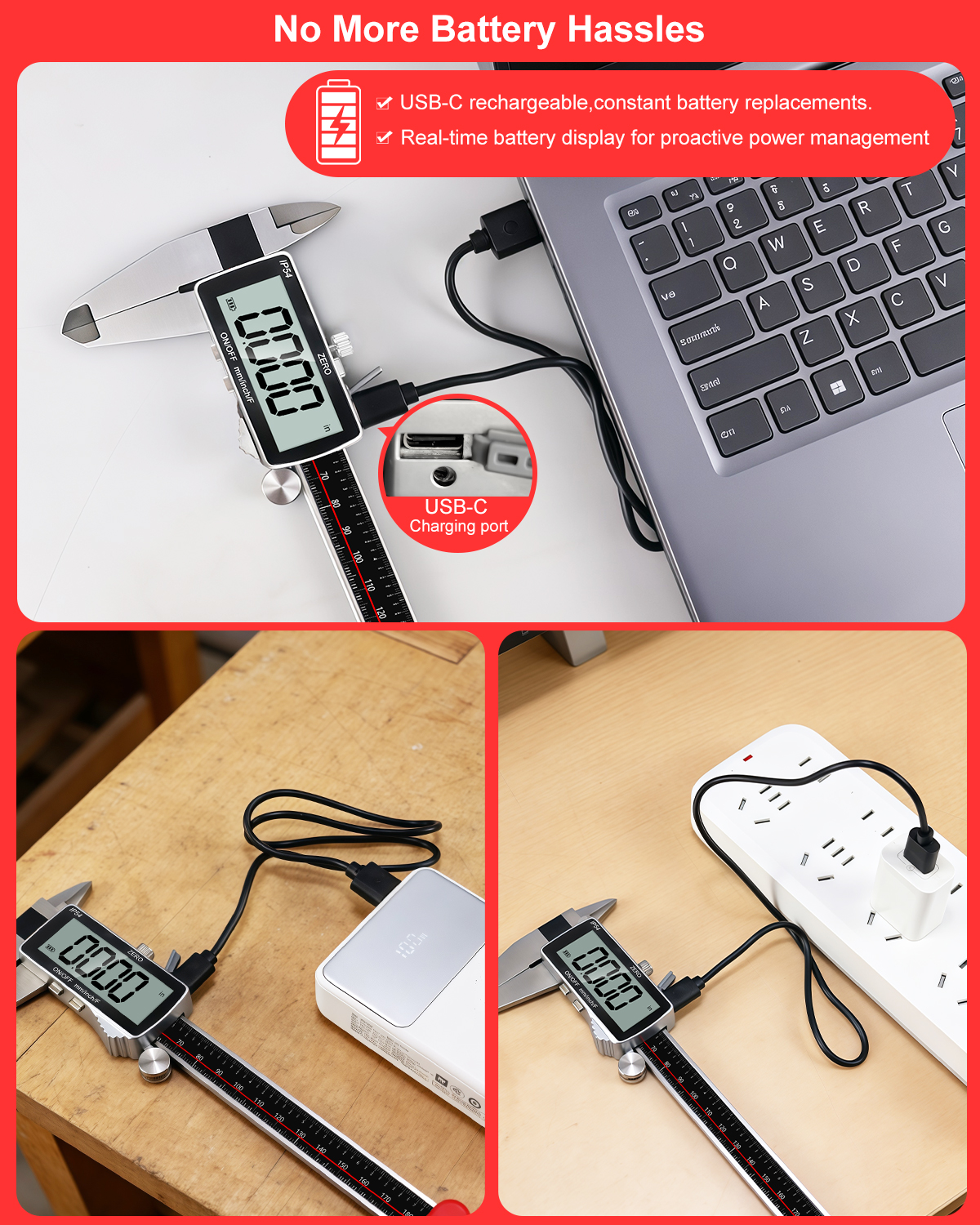
That matters because dimensional errors are expensive in ways that are easy to underestimate. A part that is a little off may still fit, but not fit well. A repair that is “close enough” may come back with noise, leakage, looseness, or wear. A digital caliper does not replace micrometers, bore gauges, or a full metrology setup, but it often catches problems early enough to save time and prevent scrap. In everyday manufacturing and maintenance, that is the real value.
What this tool is designed to do
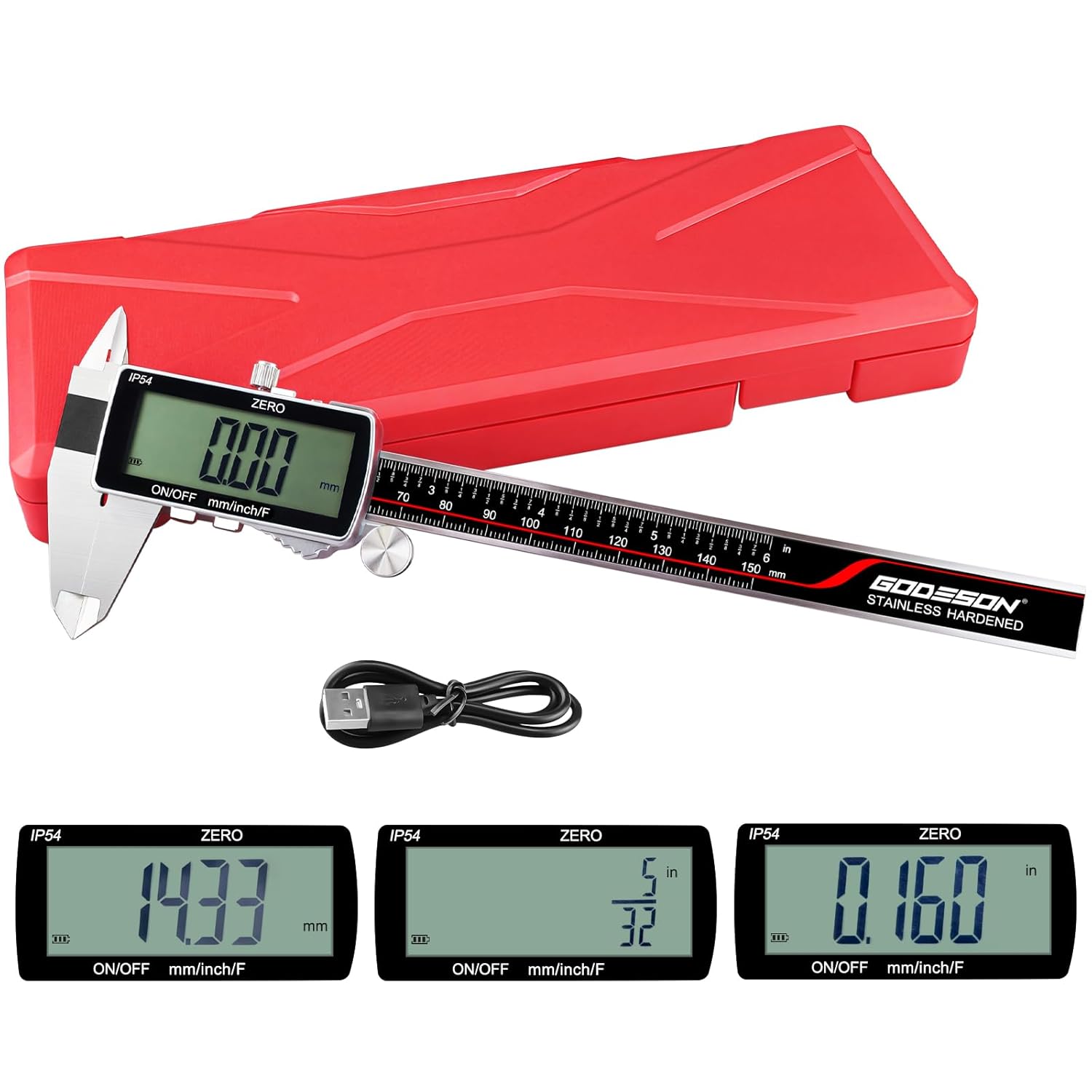
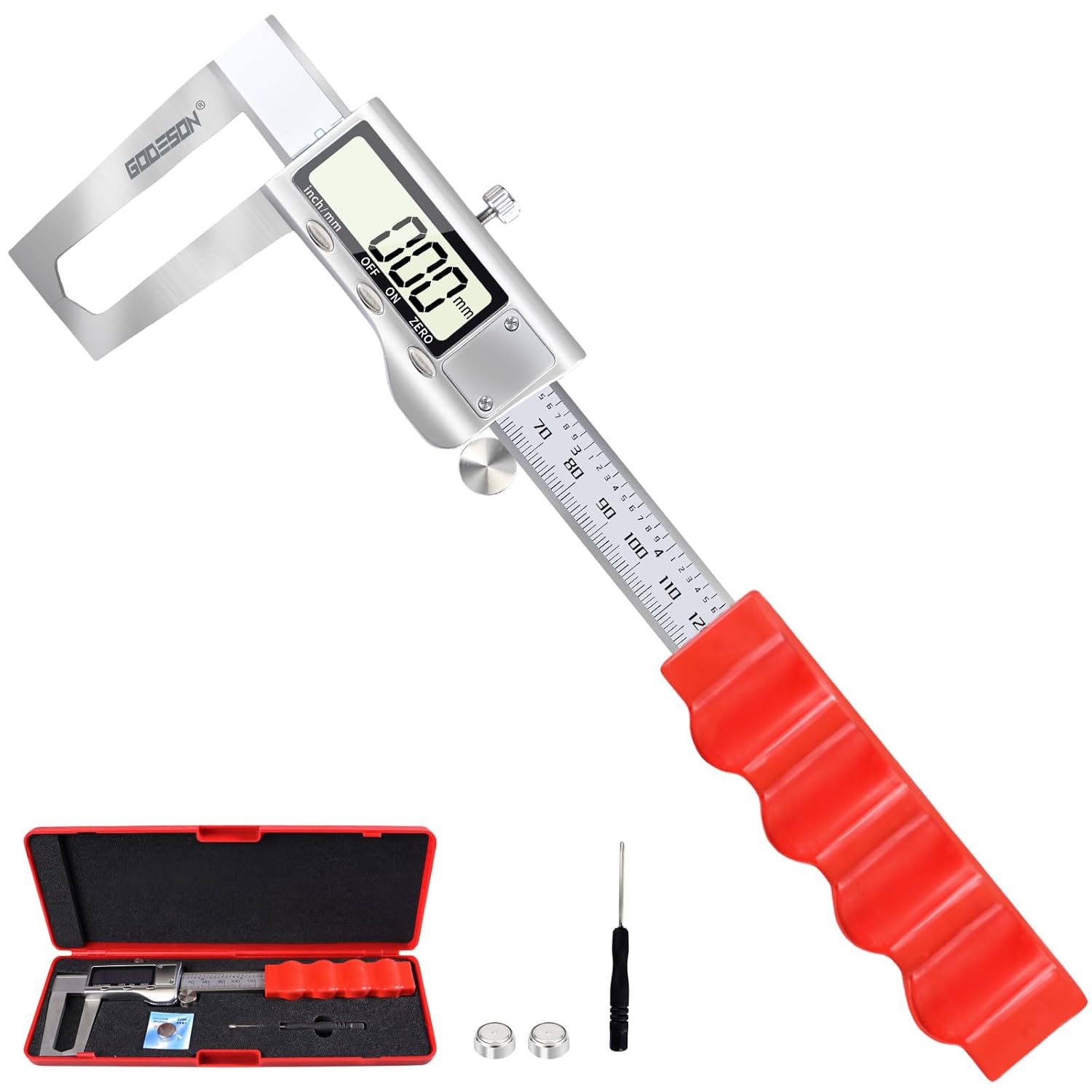
The GODESON Digital Caliper is a dimensional inspection tool built around a stainless steel beam and sliding jaws with an LCD readout on the head. Based on the visible structure and supplied product notes, it is meant for the common measurements that come up in workshops:
outside dimensions on shafts, pins, rods, and fasteners
inside dimensions on holes, slots, and recesses
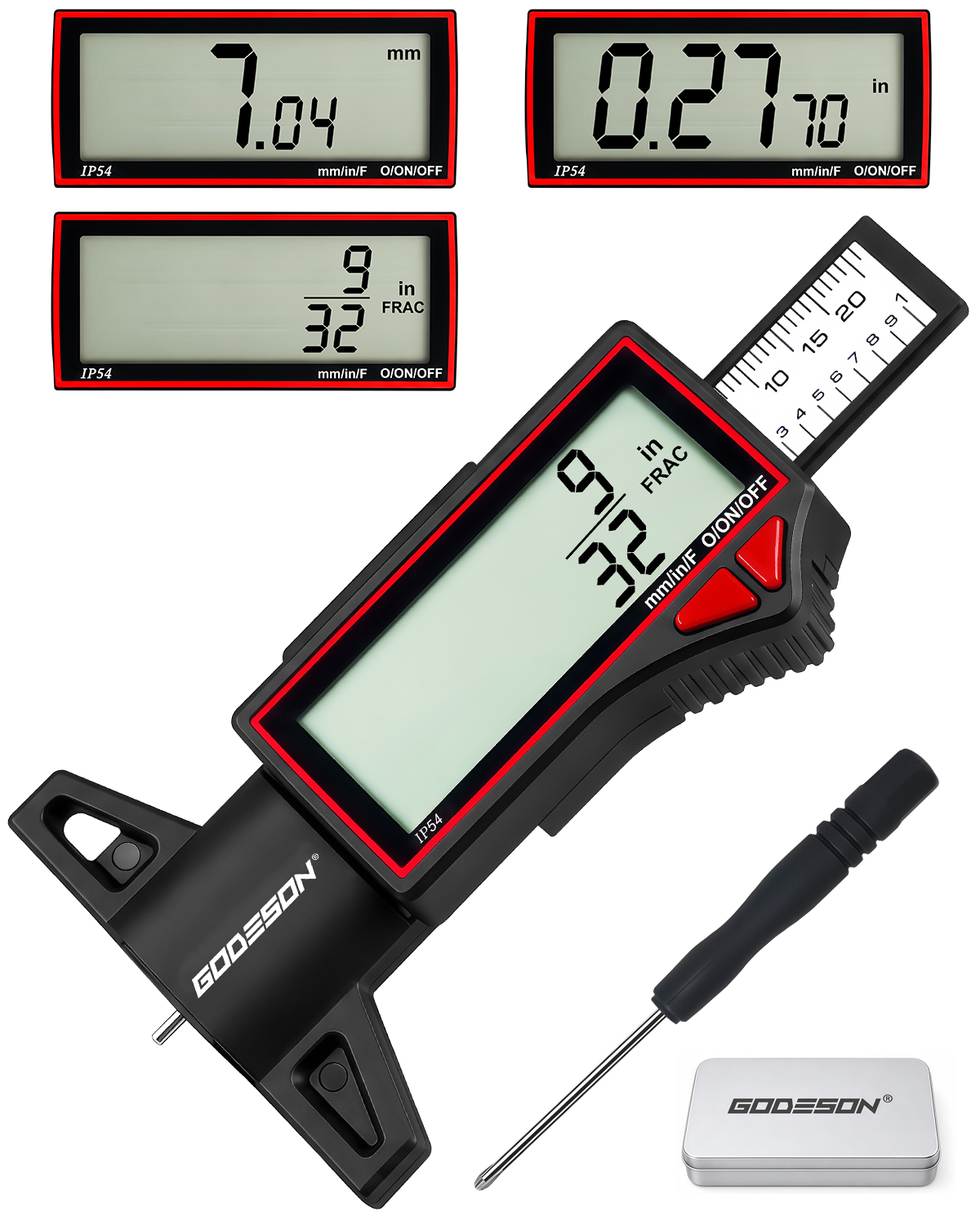
depth measurements for bores, counterbores, and steps
step measurements when two surfaces are at different levels
That range of use is important. A caliper earns its place by being versatile, not by being the ultimate answer to any one measurement problem. If a buyer understands that, they will judge the tool fairly. It is a practical inspection device, not a lab instrument.
Quick-reference view for buyers
For a sourcing or production team, the most relevant visible points are straightforward:
full stainless steel construction
metric scale printed on the beam
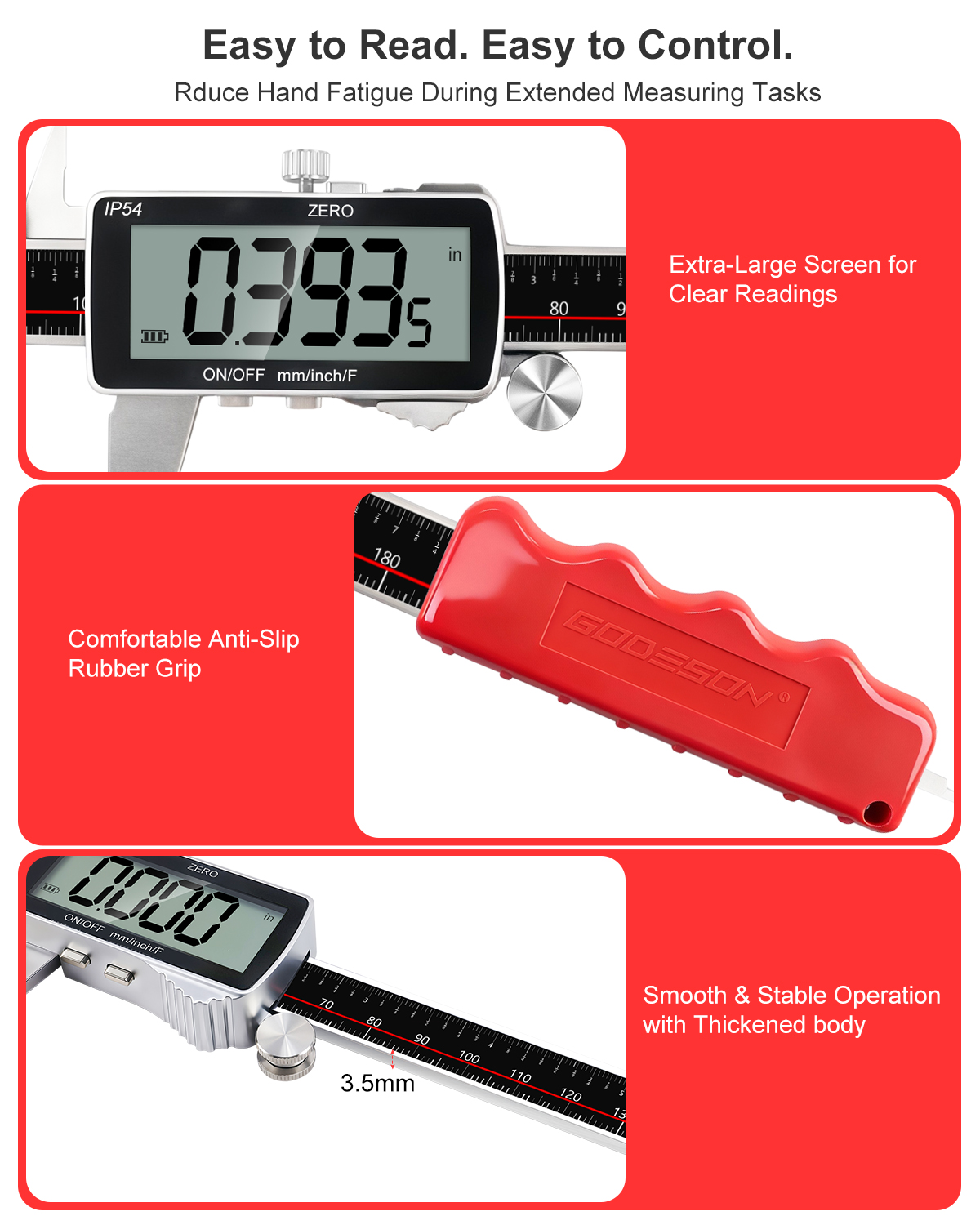
digital display for direct reading
IP54 dust and splash resistance
brushed metal finish with a clear mechanical feel
Those features point to a tool suited for general workshop and industrial use, especially where coolant mist, metal dust, or occasional moisture may be present. IP54 should be read carefully, though. It suggests protection against dust ingress and splash exposure, not full waterproofing. That is a useful distinction, especially in fabrication areas where tools are often left on a bench instead of treated like lab equipment.
Why stainless steel matters more than it sounds
A stainless steel caliper body brings two practical advantages. First, it tends to hold up better in environments where hands are oily, benches are damp, or the tool gets wiped down often. Second, it gives the user a more rigid, stable feel during manual measurement. That does not automatically make the tool more accurate, but it does reduce the sense that the tool is fragile or disposable.
There is also a maintenance angle. In automotive repair, metalworking, and general shop inspection, tools get handled roughly. They are put down on steel tables, moved in and out of drawers, and used near chips or swarf. A metal-bodied caliper is usually easier to trust in that setting than a lightweight plastic alternative. It is not immune to damage, of course, and the jaws still need careful handling, but it fits the reality of shop life better.
Where a digital readout changes the workflow
Digital calipers are popular because they remove one step from the process: reading a vernier or dial scale. That sounds minor until you are checking a stack of parts and trying to move quickly without squinting. The LCD display gives an immediate number, which can reduce reading errors and make repetitive inspection less tiring.
In practice, that matters most in three settings:
rework and repair, where the operator needs a fast answer
incoming inspection, where multiple parts may be checked in sequence
fabrication and prototyping, where dimensions change and get verified often
There is a caution worth noting. Digital display convenience can encourage sloppy measuring habits if the user is not paying attention to jaw alignment and contact pressure. A caliper is only as good as the hands using it. If the jaws are tilted, if the part is burr-covered, or if the operator squeezes too hard, the number on the screen may look authoritative while still being wrong.
How it fits into industrial and garage measurement
The supplied product information points to automotive repair, machining, metalworking, fabrication, and general workshop inspection. That is a sensible use profile. In automotive work, a digital caliper may be used to compare brake parts, check fastener dimensions, or verify replacement components before assembly. In machining and fabrication, it is often used as a fast verification tool between rough and finish operations. In maintenance or general industrial work, it helps confirm dimensions on worn parts, bushings, spacers, and custom pieces.
The IP54 note is especially relevant here. Many shop environments are not clean-room environments. There is dust, light coolant exposure, and the occasional accidental splash. A caliper with some protection against those conditions is better aligned with real-world use than one meant only for a dry desk drawer.
What buyers should compare before choosing one
Not every digital caliper is the same, even if the photo looks similar. For a procurement team or a technical buyer, the key questions are usually less about branding and more about fit for task.
1. Required measuring range
The exact measuring range for this model is not supplied here, so it should be checked before purchase. That matters because a caliper that is too short for the work will create workarounds, and workarounds are where errors happen.
2. Accuracy and resolution needs
Some users only need general dimensional checks. Others need tighter verification for turned parts, fit-up, or small components. Since exact accuracy and resolution are not provided, buyers should confirm those values against their own inspection requirements rather than assume all digital calipers are equivalent.
3. Environmental exposure
IP54 is useful, but it is not a license to ignore care. If the tool will live around coolant spray or heavy contamination, the buyer should think about cleaning routines, storage, and battery compartment access as well.
4. Scale preference and shop standard
This product shows a metric scale on the beam. That is normal in many production settings, but mixed-unit shops should verify whether their team needs metric only or dual-scale handling. A tool that matches the plant’s standard reduces mistakes on the floor.
Common mistakes when using a caliper
The most common mistake is treating the caliper like a catch-all substitute for every precision instrument. It is very useful, but it is still a general-purpose tool. Another frequent issue is reading the display before the jaws are fully seated on the part. That happens more often than people admit, especially when they are moving fast.
A few practical cautions are worth repeating:
clean burrs and chips off the part before measuring
avoid forcing the jaws against the workpiece
check that the beam and jaws are not contaminated with oil or grit
store the tool so the jaws are not knocked out of alignment
One more small but real point: in production environments, digital tools get borrowed, returned, and left on benches. If the team does not agree on a simple reset and storage habit, even a good caliper becomes a source of argument.
How to judge whether this is the right fit
The GODESON Digital Caliper looks well matched to users who want a sturdy, easy-to-read measuring tool for routine dimensional work. It seems especially suitable where a stainless steel body and IP54 resistance are practical advantages rather than marketing points. That is to say, a place where the tool will be used, handled, and cleaned regularly.
It may be less suitable if the buyer needs traceable calibration documentation, a confirmed fine-resolution spec, or highly specialized metrology performance. Those requirements are not shown in the supplied data, so they should not be assumed.
FAQ
Is this only for professionals?
No. It is useful in professional shops, but also in serious garage work, prototype labs, and maintenance environments where repeated measurements matter.
Can it handle dusty or damp conditions?
The supplied IP54 rating indicates some protection against dust and splash exposure, which is helpful in shop settings. It should still be treated as a measuring instrument, not rugged outdoor equipment.
Does stainless steel construction guarantee accuracy?
No. It supports durability and stable handling, but accuracy depends on the full tool design, condition, and use. The exact accuracy is not provided here.
What should I verify before buying in volume?
Confirm the measuring range, required resolution, actual accuracy specification, any calibration needs, and whether the metric scale and display format match your workflow.
A practical next step for sourcing teams
If you are evaluating a GODESON Digital Caliper for shop or plant use, start with the work environment and the measurement tasks, not the product photo. Confirm the required range, check whether IP54 is enough for your conditions, and make sure the team actually needs a stainless steel digital caliper rather than a more specialized gauge. That simple filtering step prevents a lot of mismatched purchases.
For engineering, procurement, or maintenance buyers, the best decision is usually the one that balances ruggedness, readability, and the level of precision the job truly needs. This tool appears aimed squarely at that everyday middle ground, where reliability and speed matter more than fancy extras.