When it comes to vehicle safety, few components are as critical as the braking system. Accurate measurement is the foundation of proper brake maintenance, and a high-quality disc brake rotor micrometer is often considered an essential tool for any serious mechanic or DIY enthusiast. However, the world of precision measurement tools has expanded, offering specialized digital solutions that provide enhanced accuracy, speed, and ease of use. Understanding the differences between a dedicated brake gauge and a general-use digital caliper is key to selecting the right instrument for ensuring your vehicle's stopping power is up to standard.
The Specialist: The Digital Brake Disc Thickness Gauge
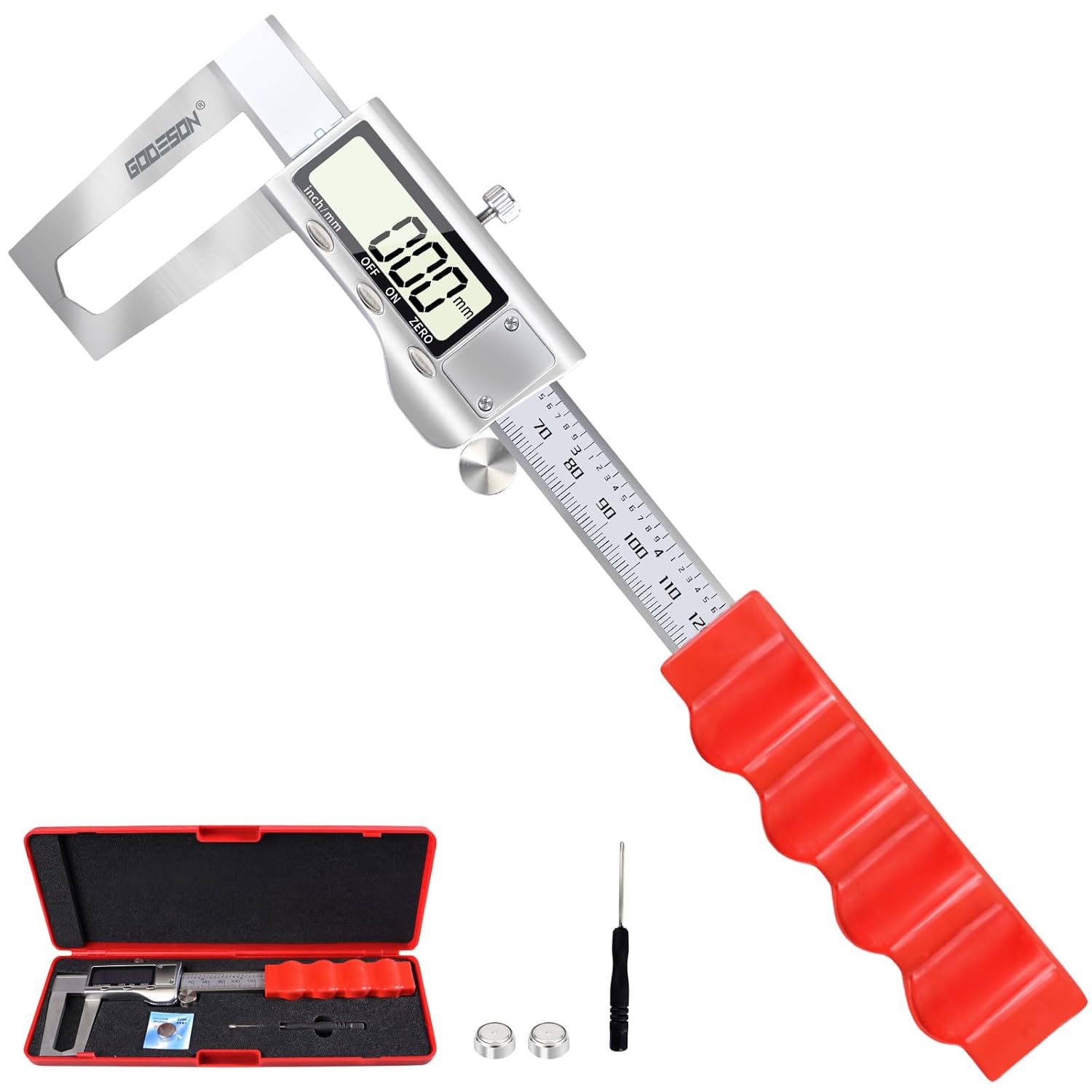
A dedicated Digital Brake Disc Thickness Gauge is a highly specialized tool engineered for one primary function: measuring the thickness of brake discs with unerring precision. Unlike a general-purpose caliper, its design often features specific anvil shapes that can reach past the lip or ridge that forms on a worn rotor, ensuring a true measurement of the remaining friction surface. These tools feature a high-resolution LCD screen, providing instant and clear readouts in either millimeters or inches at the push of a button. Constructed from durable materials like stainless steel, they are built to withstand the rigors of a professional workshop. For a technician who frequently performs brake jobs, the speed and pinpoint accuracy of a specialized gauge are invaluable, directly contributing to vehicle safety by ensuring rotors are within the manufacturer's specified operational thickness.
The All-Rounder: The Electronic Digital Caliper
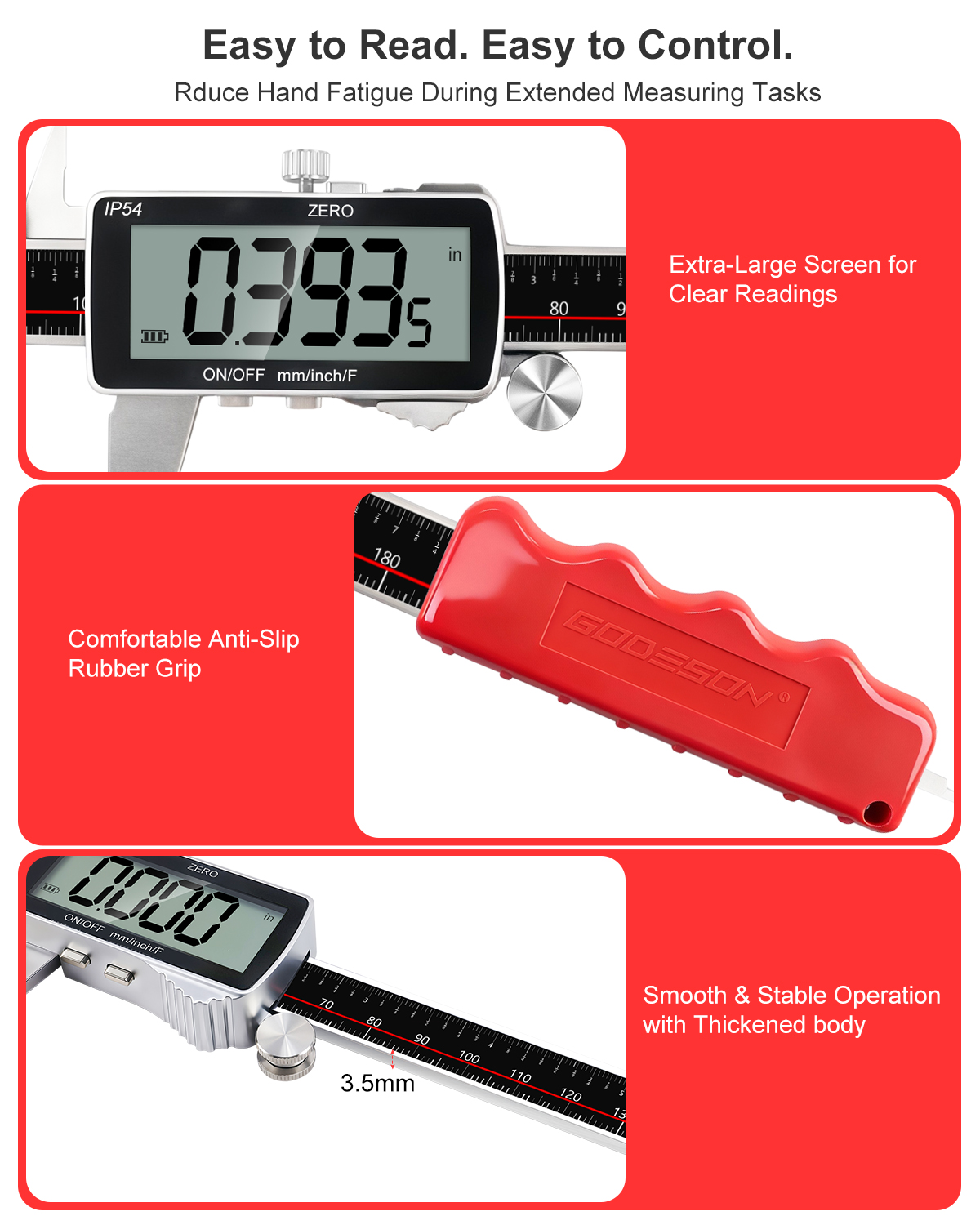
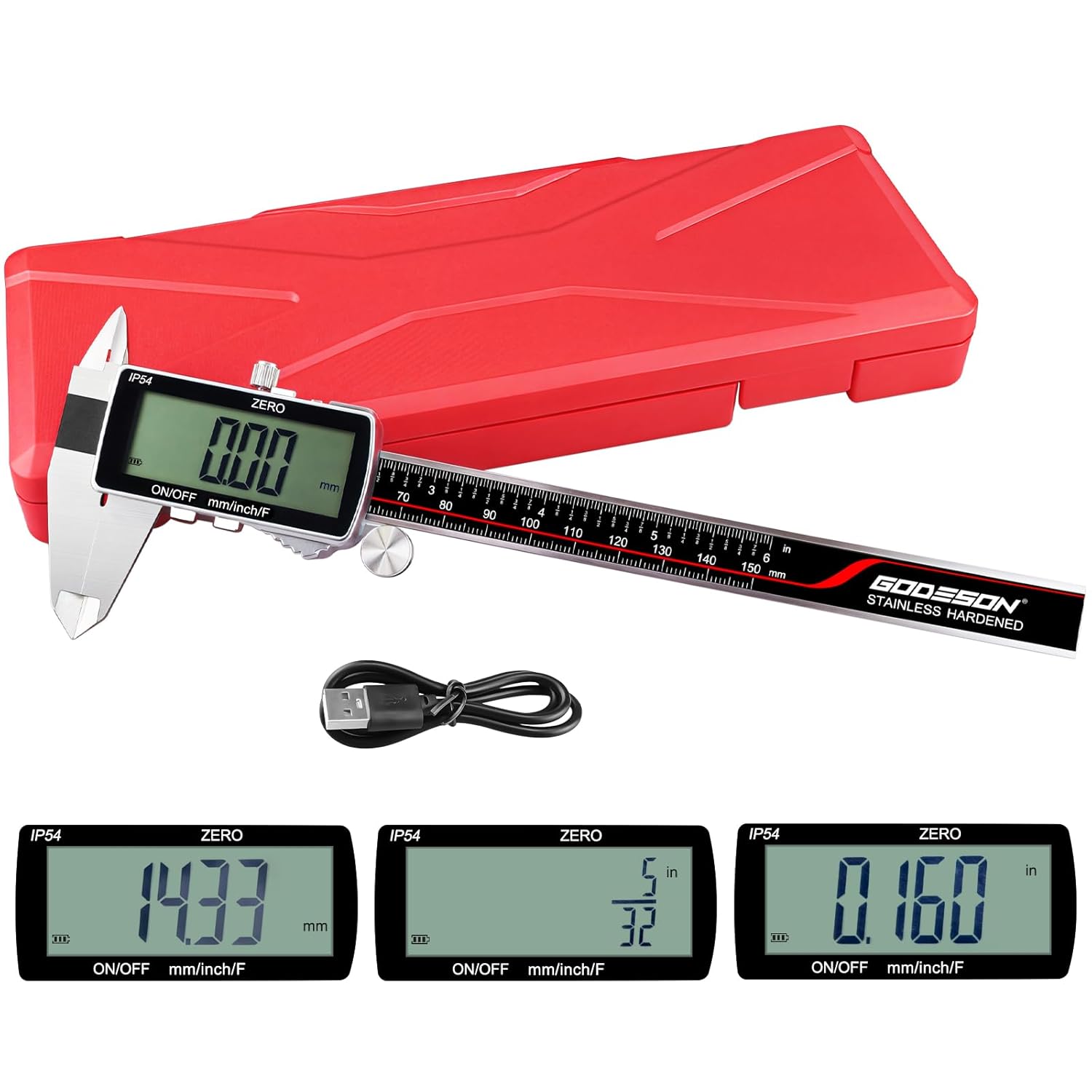
In contrast, the Electronic Digital Brake Disc Rotor Gauge Caliper represents versatility. While it is perfectly capable of measuring brake rotor thickness, its design as a standard 0-150mm caliper makes it an all-around workhorse for a wide array of applications beyond the braking system. It can be used for measuring bolt diameters, component dimensions, and countless other tasks around the workshop. It shares many benefits with the specialized gauge, including a clear LCD screen, inch and metric conversion, and a zero-set function for quick comparative measurements. However, its flat jaw surfaces may not be as adept at bypassing the outer lip of a heavily worn rotor. This makes it an excellent choice for a mechanic or hobbyist who needs a reliable, precise measuring tool for various jobs but may not require the specialized design of a dedicated disc brake rotor micrometer for daily use.
Beyond the Brakes: Expanding the Definition of Vehicle Safety Measurement
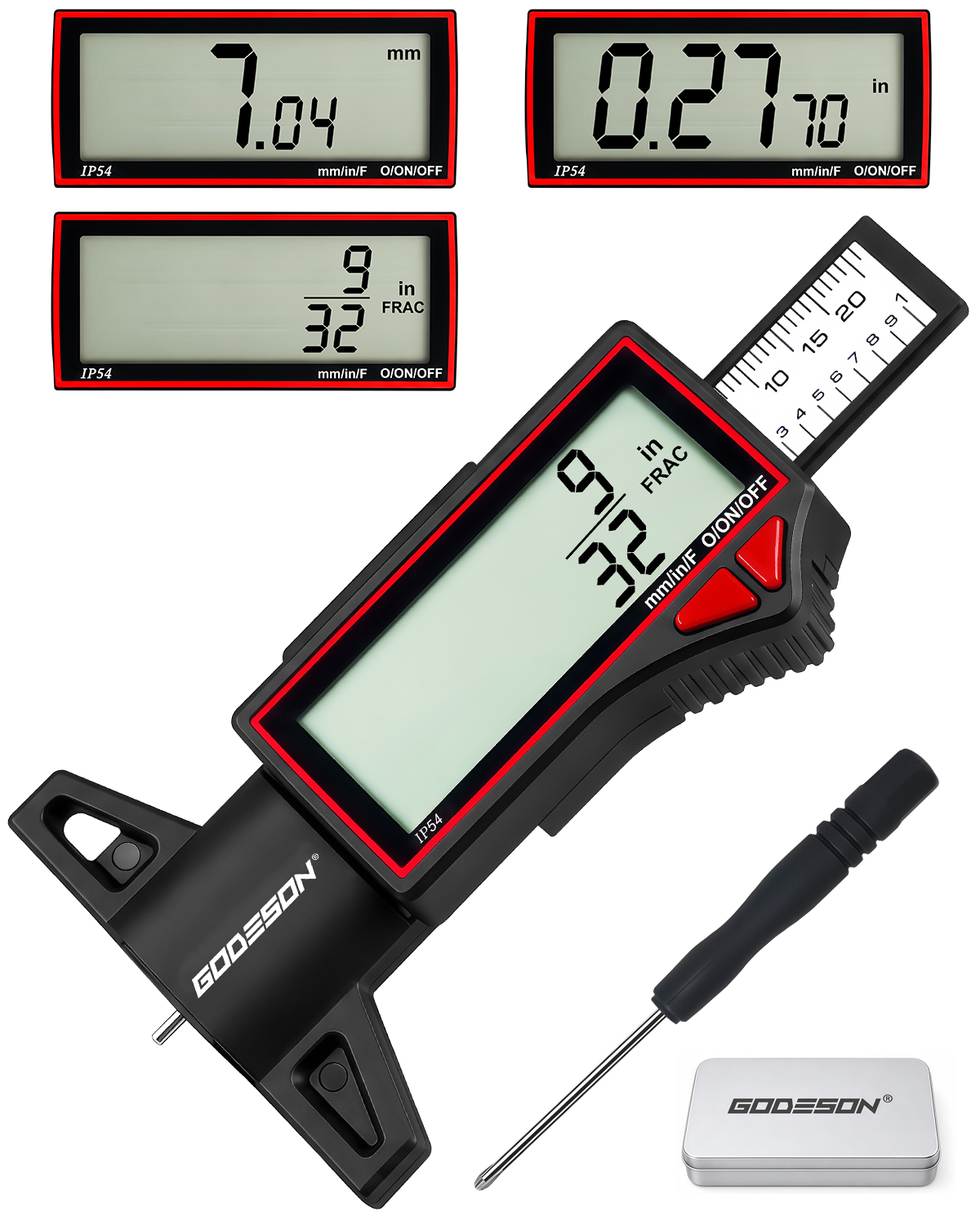
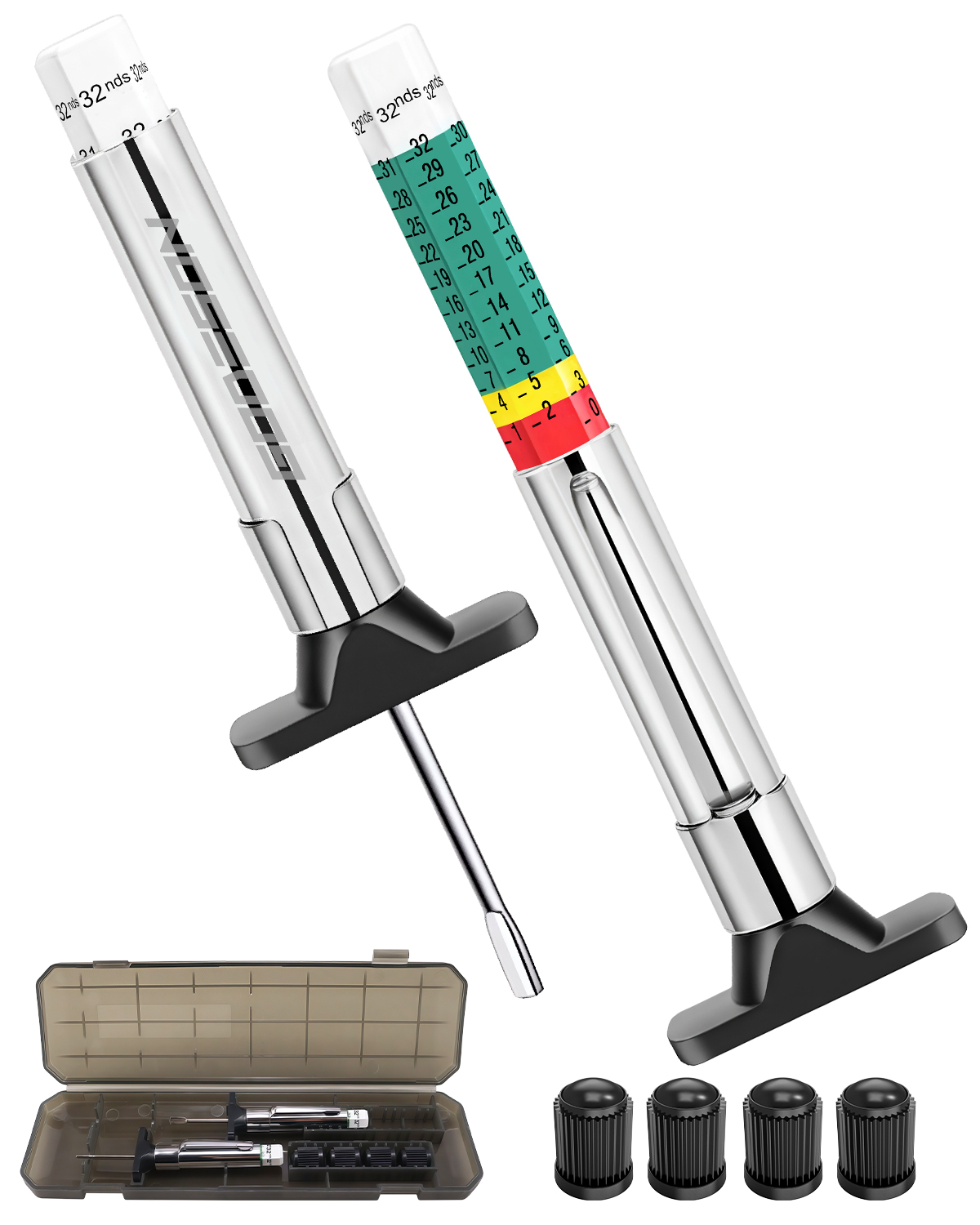
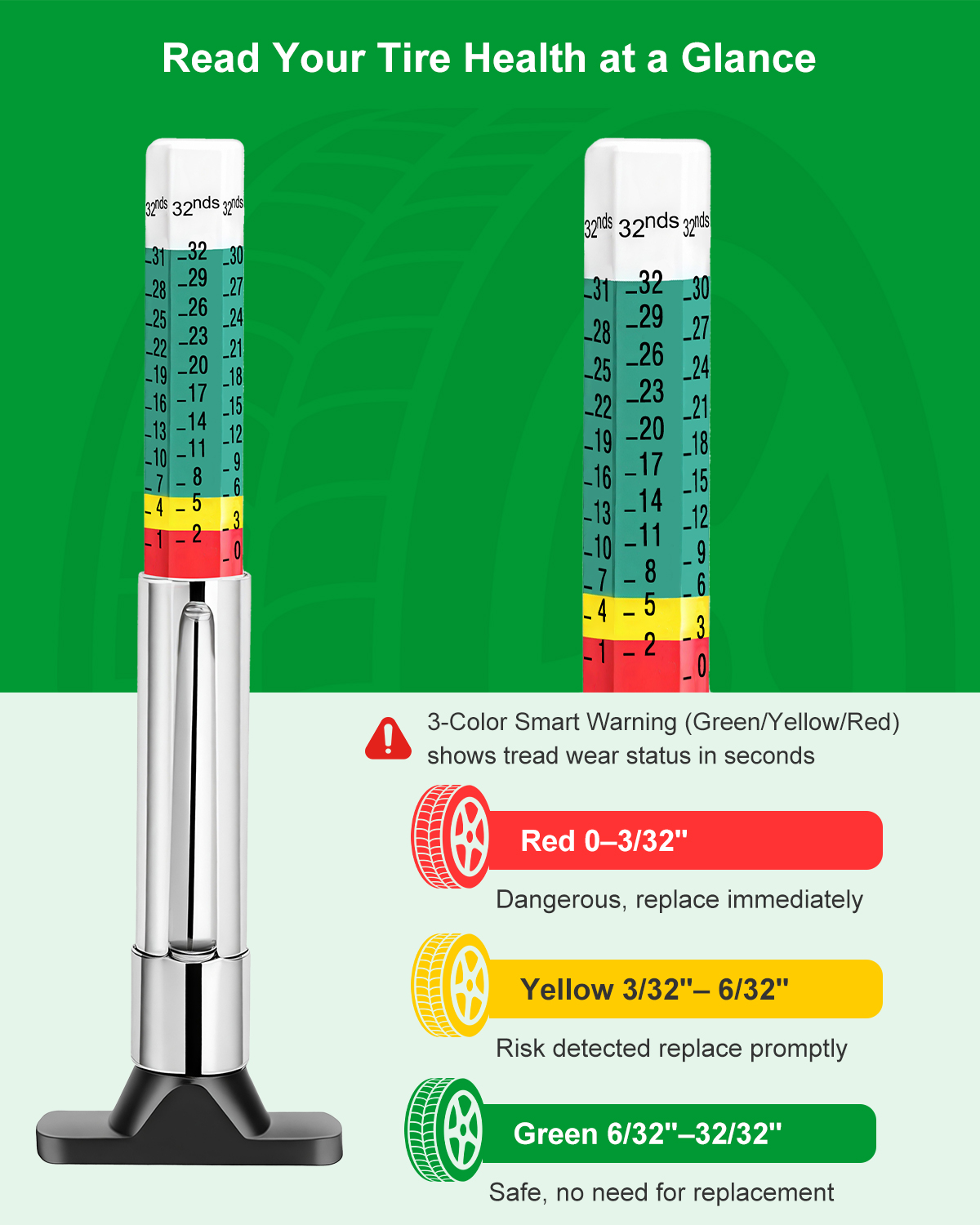
While a disc brake rotor micrometer is vital for the braking system, a comprehensive approach to vehicle safety involves monitoring other critical wear components, like tires. A Digital Tire Tread Depth Gauge operates on the same core principles of digital accuracy and user-friendliness but is designed for a different, equally important task. Maintaining proper tire tread depth is crucial for grip, handling, and preventing hydroplaning. This tool uses a slim probe to measure the depth of the tire grooves, providing an instant digital reading. Its importance in the safety ecosystem is parallel to that of brake measurement tools. Both empower the user with precise data to make informed maintenance decisions, ensuring the vehicle is safe from the ground up.
Choosing the Right Tool for the Job
Ultimately, the decision between a specialized thickness gauge and a general-use digital caliper depends on your workflow and needs. If your work revolves heavily around brake servicing, the dedicated Digital Brake Disc Thickness Gauge offers unparalleled convenience and targeted accuracy. It is the professional's choice for efficiency and reliability in a core safety task. On the other hand, if you need a flexible tool that can handle a multitude of measurement tasks with high precision, the Electronic Digital Caliper is an indispensable asset for any toolkit. By selecting the right instrument, you invest not only in the quality of your work but, most importantly, in the safety and reliability of every vehicle you service.