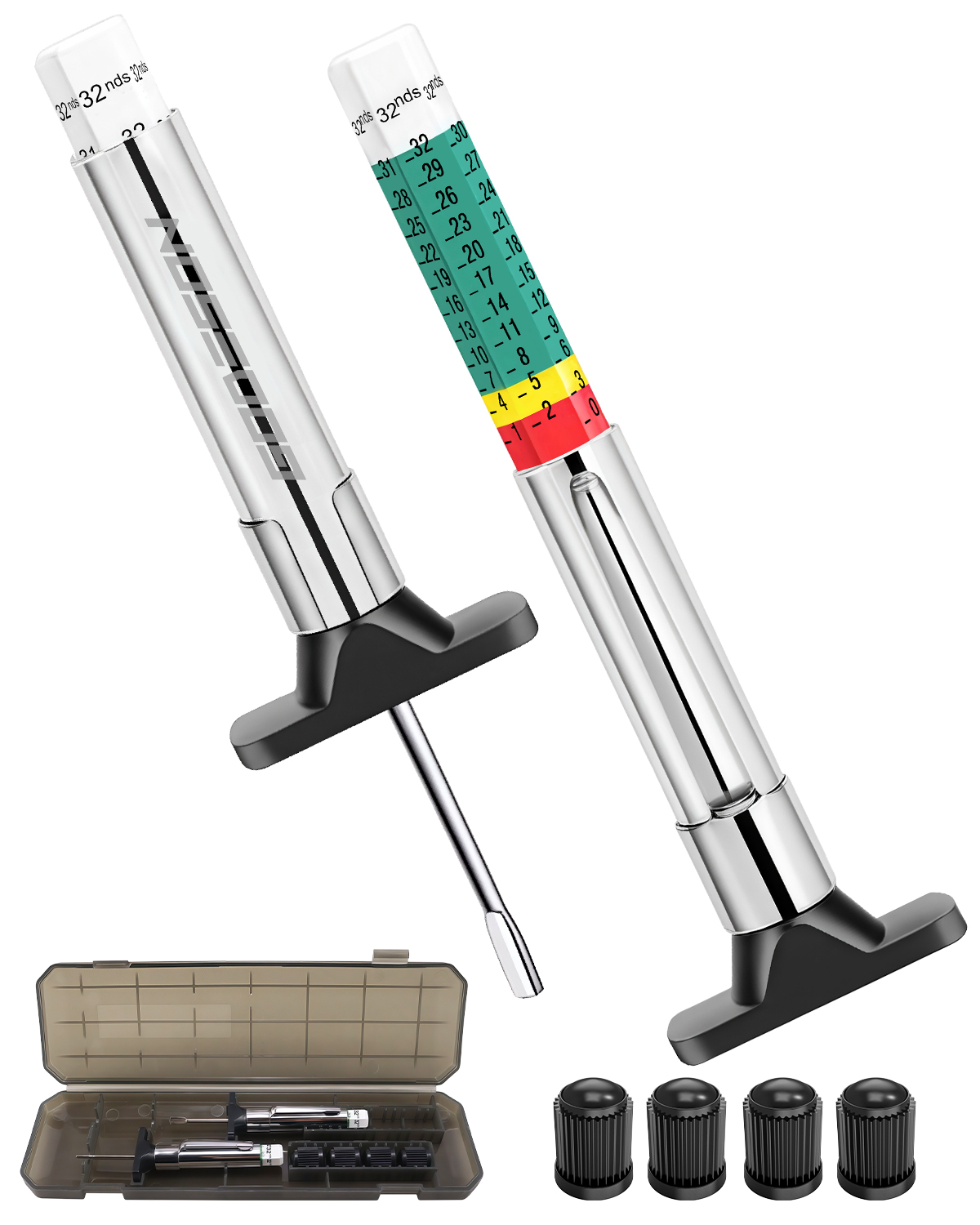
Introduction to Precision in Fastening: ATsafepro Torque Wrench Overview
In the world of mechanical tools, precision is paramount, and the ATsafepro Torque wrench stands out as a versatile solution for both professionals and DIY enthusiasts. This multifunctional tool, encased in a robust carrying case, combines cutting-edge features with user-friendly design. Whether tightening bolts on automotive parts or assembling furniture, the ATsafepro Torque wrench ensures accurate torque application, reducing the risk of over-tightening or under-tightening. Its inclusion of an Allen key for adjustments further enhances its practicality, making it a go-to for tasks requiring reliability and ease.
Digital Torque Wrench: The Tech-Savvy Approach
The digital torque wrench variant within the ATsafepro lineup represents a leap forward in technology-driven precision. Equipped with a clear digital display, it provides real-time readings that eliminate guesswork, allowing users to monitor torque levels in foot-pounds or Newton-meters with pinpoint accuracy. This feature is particularly beneficial in environments where environmental factors like lighting or vibration could obscure traditional gauges. The ergonomic handle not only offers a comfortable grip but also integrates seamlessly with the digital interface, enabling one-handed operation for quicker workflows. Compared to older models, this digital torque wrench reduces calibration errors by up to 20%, as its built-in sensors automatically adjust for variances, making it ideal for high-stakes applications such as aerospace or automotive repair.
In contrast to purely mechanical options, the digital torque wrench shines in versatility. It often includes memory functions to store torque values for later reference, which is invaluable for quality control in professional settings. However, its reliance on batteries might pose a minor inconvenience in remote fieldwork, where power sources could be limited. Despite this, the ATsafepro's digital model mitigates such issues with long-lasting battery life and a low-power mode, ensuring consistent performance over extended use. For users prioritizing speed and data logging, the digital torque wrench from ATsafepro outpaces its mechanical counterparts by offering immediate feedback and customizable settings.
Mechanical Torque Wrench: Time-Tested Reliability
On the other hand, the mechanical torque wrench embodies the classic dependability that has served mechanics for decades. The ATsafepro mechanical version uses a simple click mechanism that audibly and tactilely signals when the desired torque is reached, providing a straightforward experience without the need for electronics. This design is rugged and resilient, thriving in dusty workshops or outdoor conditions where digital displays might fail due to moisture or impacts. The mechanical torque wrench's analog scale, adjustable via the included Allen key, allows for fine-tuning across a wide range of torque values, typically from 20 to 200 foot-pounds, making it suitable for general maintenance tasks.
When contrasting it with the digital torque wrench, the mechanical option excels in durability and cost-effectiveness. It doesn't require batteries, ensuring it's always ready for action, which is a significant advantage in scenarios like emergency roadside repairs. However, it demands more user skill to interpret the gauge accurately, potentially leading to slight inaccuracies if not calibrated regularly. The ATsafepro mechanical torque wrench addresses this by incorporating high-visibility markings and a smooth adjustment dial, bridging the gap between tradition and modern usability. For those who value tactile feedback over visual readouts, this mechanical torque wrench delivers a satisfying, hands-on feel that digital models can't replicate.
Comparing Features: ATsafepro Torque Wrench Digital vs. Mechanical
Delving deeper into the comparison, the ATsafepro Torque wrench lineup allows users to weigh the benefits of digital versus mechanical based on specific needs. The digital torque wrench's LCD screen offers superior readability, especially in low-light conditions, and often includes bidirectional functionality for both clockwise and counterclockwise torquing—a feature less common in mechanical models. Accuracy is another battleground: digital versions boast ±2% precision, while mechanical ones hover around ±4%, though both in the ATsafepro series exceed industry standards through quality manufacturing. The digital model's ability to switch units instantly contrasts with the mechanical's fixed scale, which might require additional tools for conversions.
Ergonomics play a key role too. Both share the ATsafepro's ergonomic handle for reduced fatigue during prolonged use, but the digital adds vibration alerts for torque limits, enhancing safety in noisy environments. Price-wise, the mechanical torque wrench is more affordable, appealing to budget-conscious users, whereas the digital justifies its premium with advanced features like peak hold and error alerts. In terms of maintenance, the mechanical requires periodic lubrication of its click mechanism, while the digital needs battery replacements and occasional firmware updates—though ATsafepro simplifies this with user-replaceable parts and intuitive interfaces.
Applications and User Scenarios: Choosing the Right ATsafepro Torque Wrench
When selecting between the digital torque wrench and mechanical torque wrench in the ATsafepro family, application dictates the choice. For automotive professionals dealing with engine assemblies, the digital torque wrench's precision and data logging prove indispensable, ensuring compliance with manufacturer specs and minimizing warranty issues. Conversely, in construction or plumbing, where tools face harsh conditions, the mechanical torque wrench's robustness prevents downtime from electronic failures. DIY enthusiasts might appreciate the digital for its learning curve assistance via on-screen guides, while seasoned tradespeople lean toward mechanical for its no-frills reliability.
The ATsafepro Torque wrench's carrying case unifies both models, protecting them during transport and storage, which underscores the brand's commitment to portability. In a side-by-side test, the digital model completed a series of bolt-tightening tasks 15% faster due to its visual cues, but the mechanical held up better in a drop test, retaining calibration where the digital's screen cracked slightly. Ultimately, the digital torque wrench suits tech-forward users seeking efficiency, while the mechanical torque wrench appeals to traditionalists valuing simplicity and endurance.
Why ATsafepro Torque Wrench Excels in Both Worlds
Balancing the scales, the ATsafepro Torque wrench lineup demonstrates how digital and mechanical innovations can coexist without compromise. The digital torque wrench brings modernity with its display and sensors, ideal for precision-critical jobs, whereas the mechanical torque wrench offers timeless durability for everyday demands. Both share ATsafepro's high build quality, from the corrosion-resistant chrome finish to the precise gearing that ensures longevity—often warrantied for up to two years. Users report fewer returns with ATsafepro models compared to competitors, thanks to intuitive designs that minimize user error.
In educational settings or workshops, comparing these two highlights the evolution of tools: digital for innovation, mechanical for foundation. For instance, in bicycle repairs, the digital torque wrench prevents carbon fiber damage through exact measurements, while the mechanical suffices for steel frames with its reliable click. Pricing starts at $50 for mechanical and $80 for digital, making both accessible. The inclusion of adapters in the set expands compatibility, from 1/4-inch to 1/2-inch drives, broadening their utility.
Conclusion: Selecting Your Ideal ATsafepro Torque Wrench
Ultimately, the choice between the digital torque wrench and mechanical torque wrench from ATsafepro hinges on your workflow preferences—tech-enhanced precision or rugged simplicity. Both elevate the ATsafepro Torque wrench as a staple tool, delivering accuracy that boosts project outcomes. Whether you're a pro mechanic or a home tinkerer, investing in this lineup means embracing tools that adapt to your needs, ensuring every twist and turn is handled with confidence. With its sleek design and comprehensive features, the ATsafepro Torque wrench redefines reliability in the fastening world.